Info
Dates: 17.10.23 – 07.04.24
Curator: Jérôme Neutres et Elisabeth Whitelaw
Where: Musée Maillol
Price: 16,50 euros/ 14,50 reduced
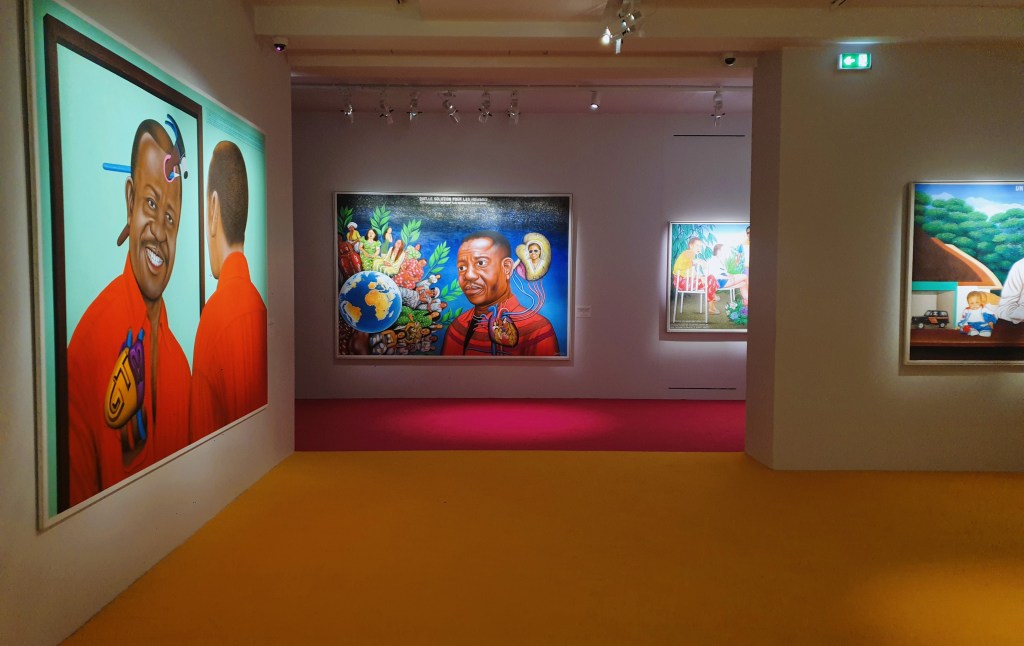
Provocative, engaging, colorful, irreverent: these words aptly describe the work of Chéri Samba, the renowned Congolese artist whose paintings have reached institutions worldwide. The solo exhibition at the Musée Maillol focuses on the collection born from Jean Pigozzi’s deep admiration for the artist. It all began in 1989, when Pigozzi visited the exhibition ‘Magiciens de la terre’, among which was exposed precisely Chéri Samba. From that moment, Pigozzi will constitute a collection of African art – the largest in the world – and in particular with Chéri Samba begins a relationship of friendship and admiration. This led the artist to be exhibited in a large number of exhibitions around the world, also thanks to the promotion made by the collector.
“All that surrounds us is nothing other than colour. We are ourselves colour. Colour is life. Long live colour.”
– Chéri Samba, “J’aime la couleur” (2003)
The exhibition proposed at the Musée Maillol is to date the largest ever solo show of the artist proposed in France, covering a period of 40 years of Samba’s career. Divided into thematic sections, the exhibition delves into the core themes of Samba’s work: self-portraiture, Congo, geopolitics, and reflections on the history of art.
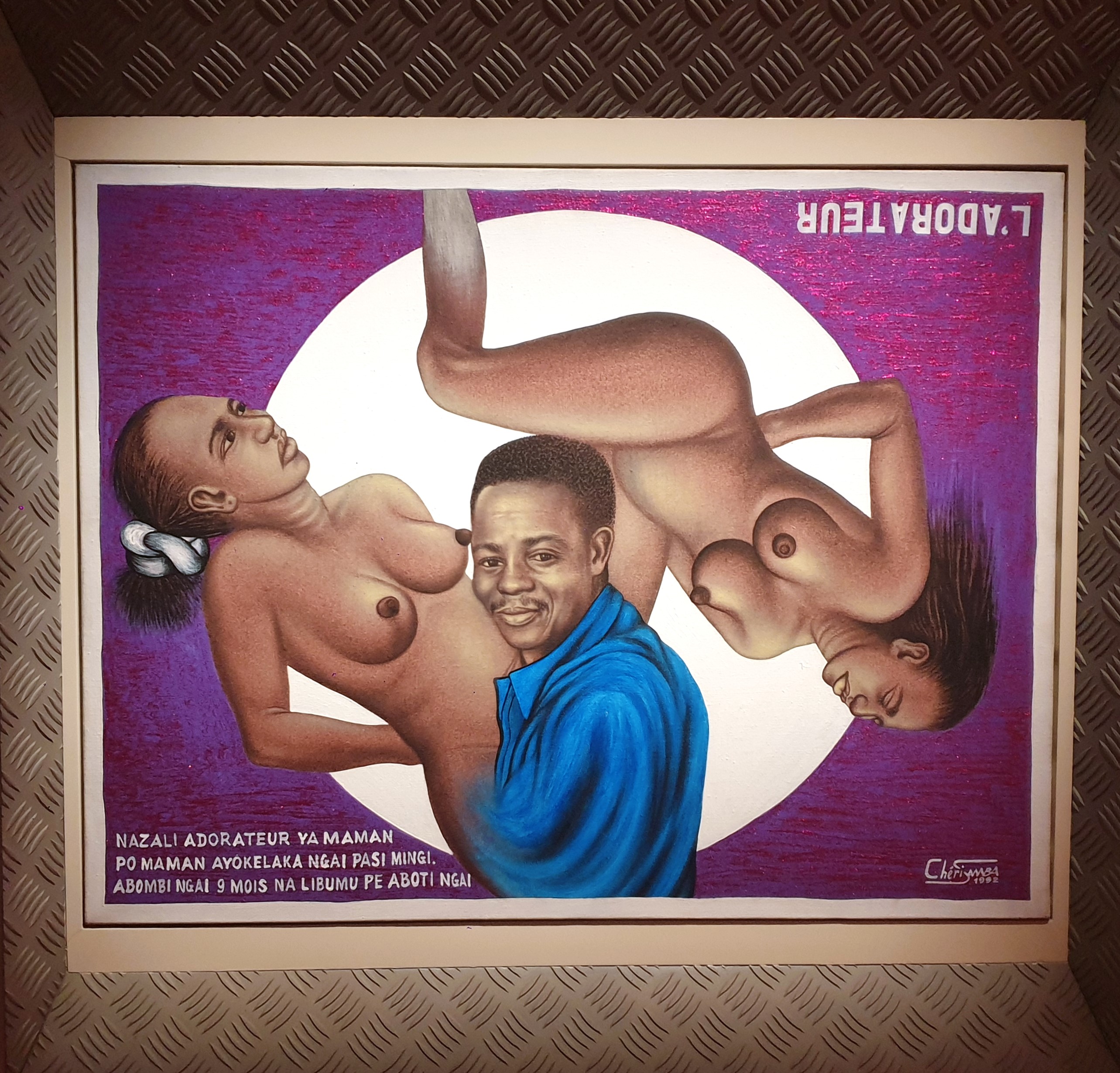
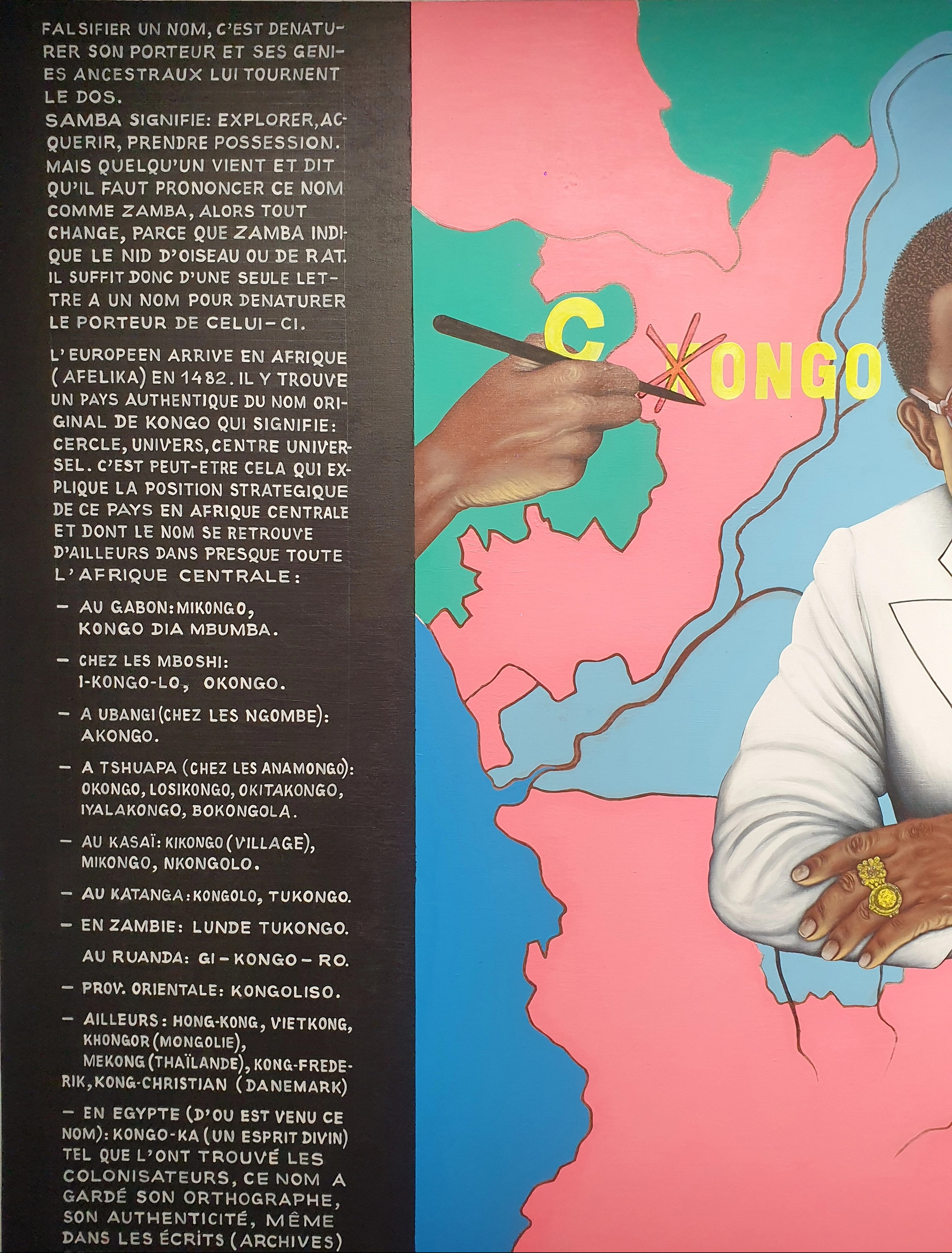
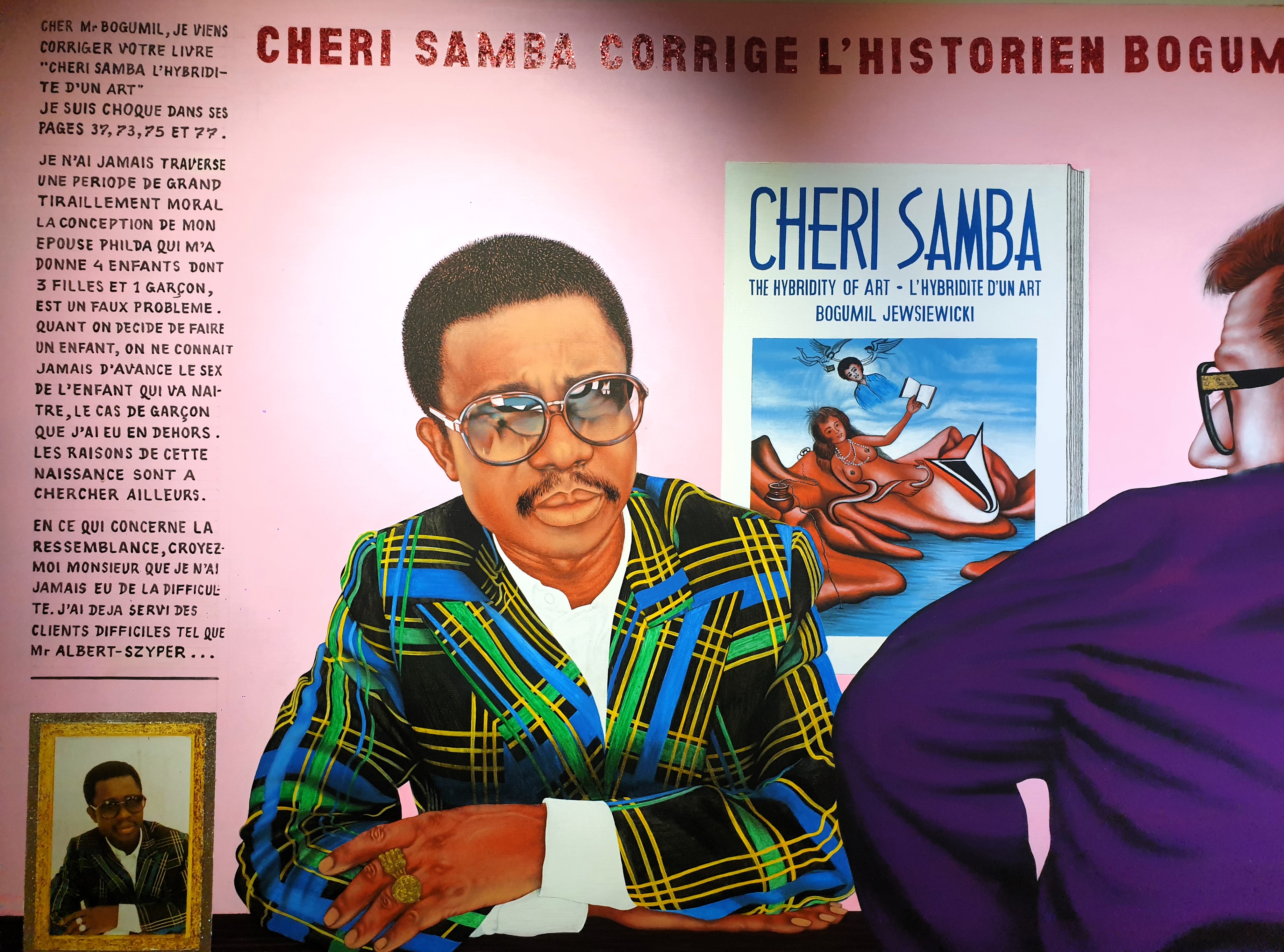
Samba’s pieces speak directly to the viewer, as he himself said: “My work is made to be seen and read”. Indeed, an integral part of Samba’s art practice are the textual elements that accompany the figurative images, usually placed at the edges of the canvases. Samba refers to these texts as the “griffe sambaienne”, a process that allows him to convey an even more provocative message in his paintings, making his comments and statements explicit on canvas. The works thus become denunciation, but at the same time ironic, thanks to the strong sense of humor of the artist who leaks in his way of telling.
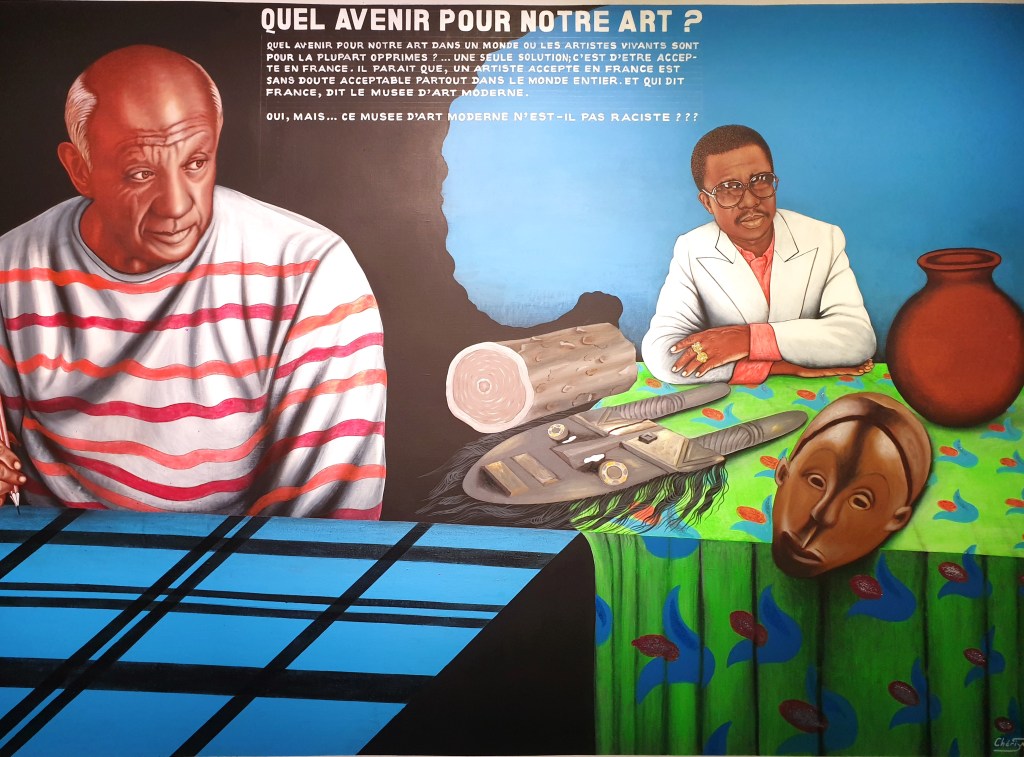
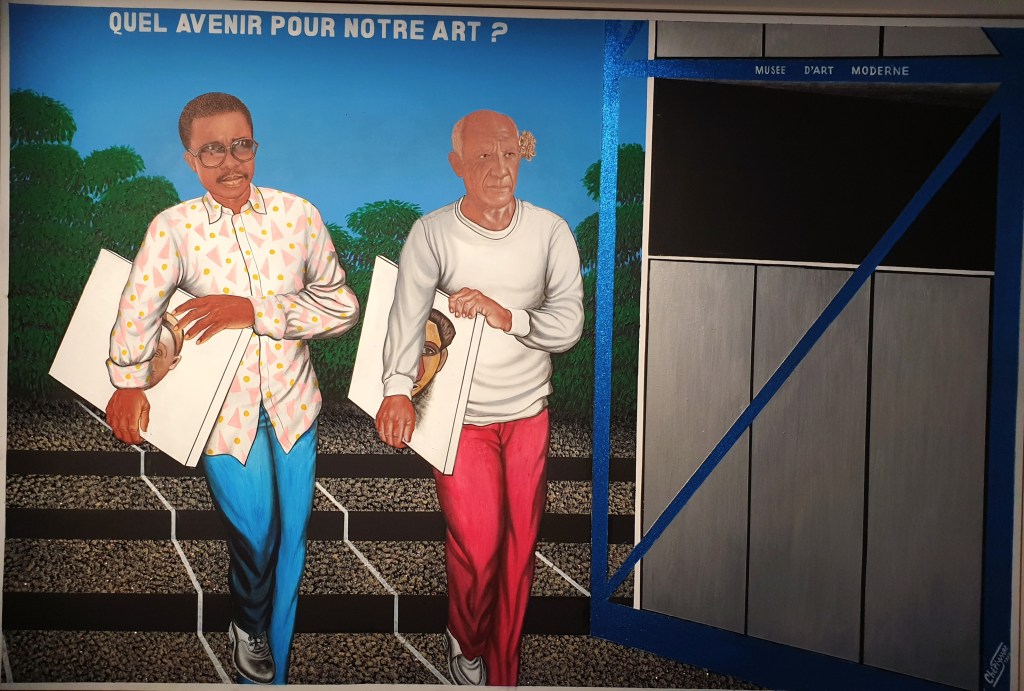
Particularly bold are the works on the second floor, which challenge traditional narratives of art history. The artist has known global recognition, but the same cannot be said for all contemporary African painters. Samba dedicates many works on the subject, particularly focusing on the entry of African art into Western museums. In the triptych-manifesto “Quel avenir pour notre art?” (“What Future for Our Art?”), Samba places himself alongside Pablo Picasso, who famously drew inspiration from traditional African art for the birth of Cubism. This juxtaposition serves as a provocative assertion of legitimacy, positioning African and Western art on equal footing. In one panel of the triptych, the two walk side by side, each with their own works under their arms, in the direction of Centre Pompidou (panel 3): an ode to encourage and reflect on the establishment of a truly universal museum model dedicated to modern art.
My personal highlights:
- Falsifier un nom c’est dénigrer son porteur (1997-98)
- Déjà (2007)
- Quel avenir pour notre art? (1997)
 MUSEmemoirs