Info
- Dates: 6.09.23 – 25.03.24
- Curator: Julie Jones & Marin Karmitz
- Where: Centre Pompidou
- Price: 17 euros/ 14 euros reduced
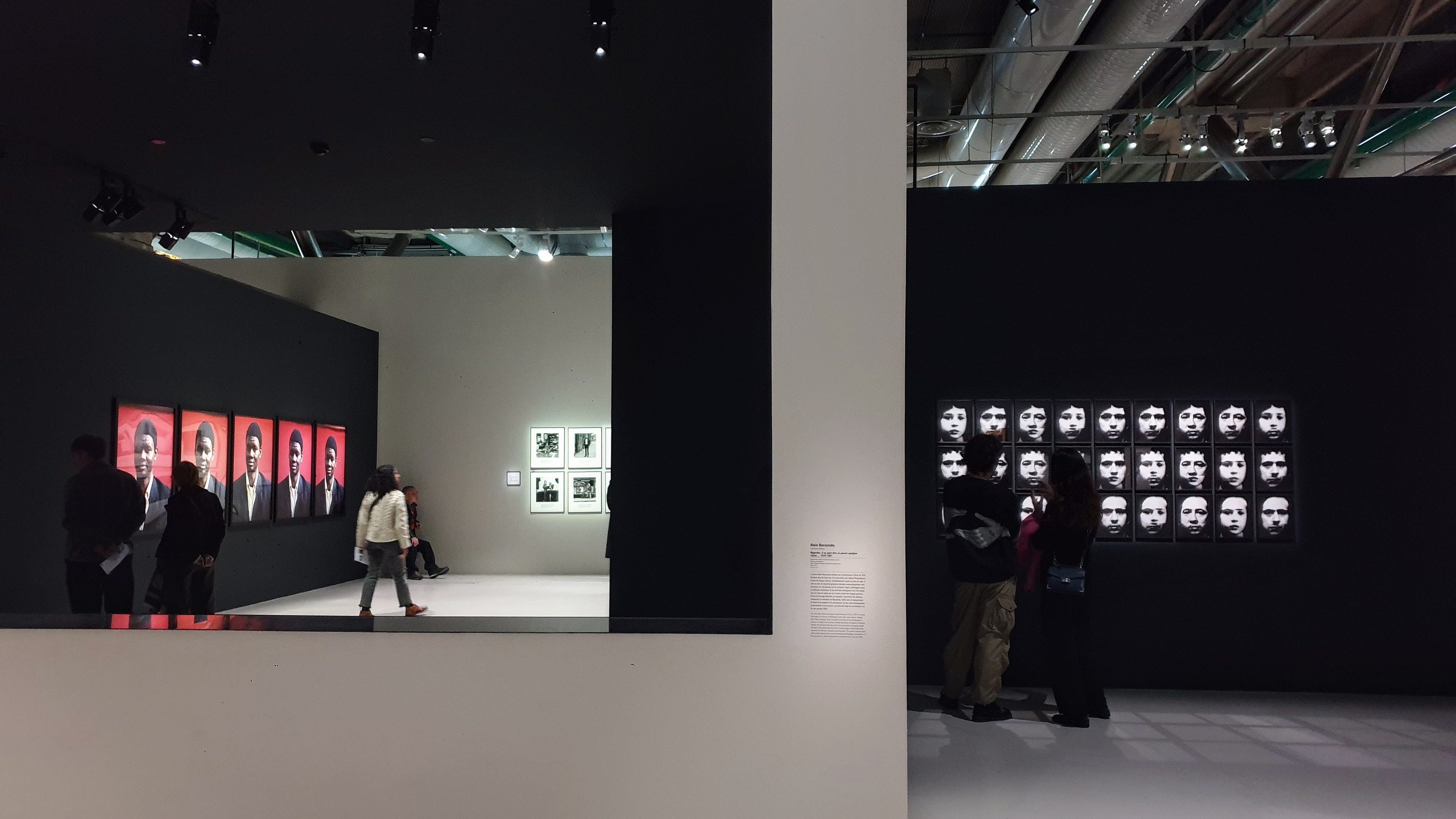
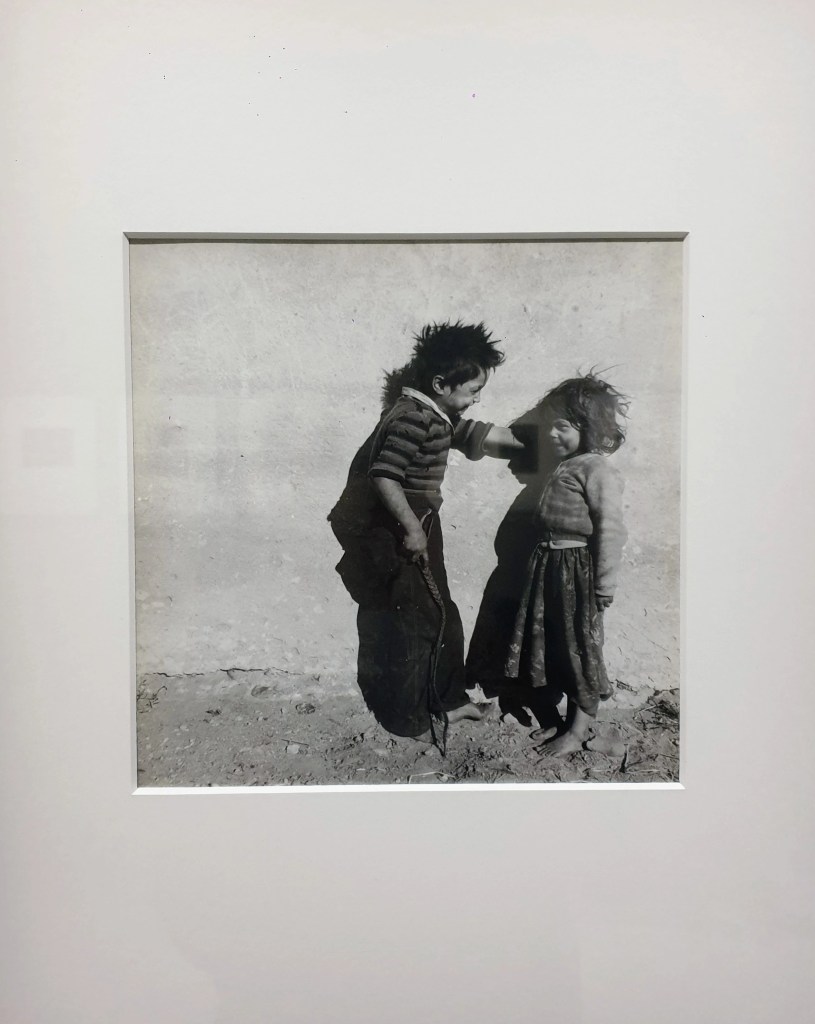
A splendid fusion of photos issued by the Pompidou’s collection and those of Marin Karmitz (1938-.), collector and figure involved in the European cinematic scene. The exhibition encompasses around five hundred photographs, from the XXth and XXst century, that deal with the representation of the human body. Divided into themes that transcend the traditional photographic categories – such as the nude or the portrait -, Corps à Corps succeeds in creating a dialogue between different photographs (more than a hundred), whether or not they belonged to the same generation.
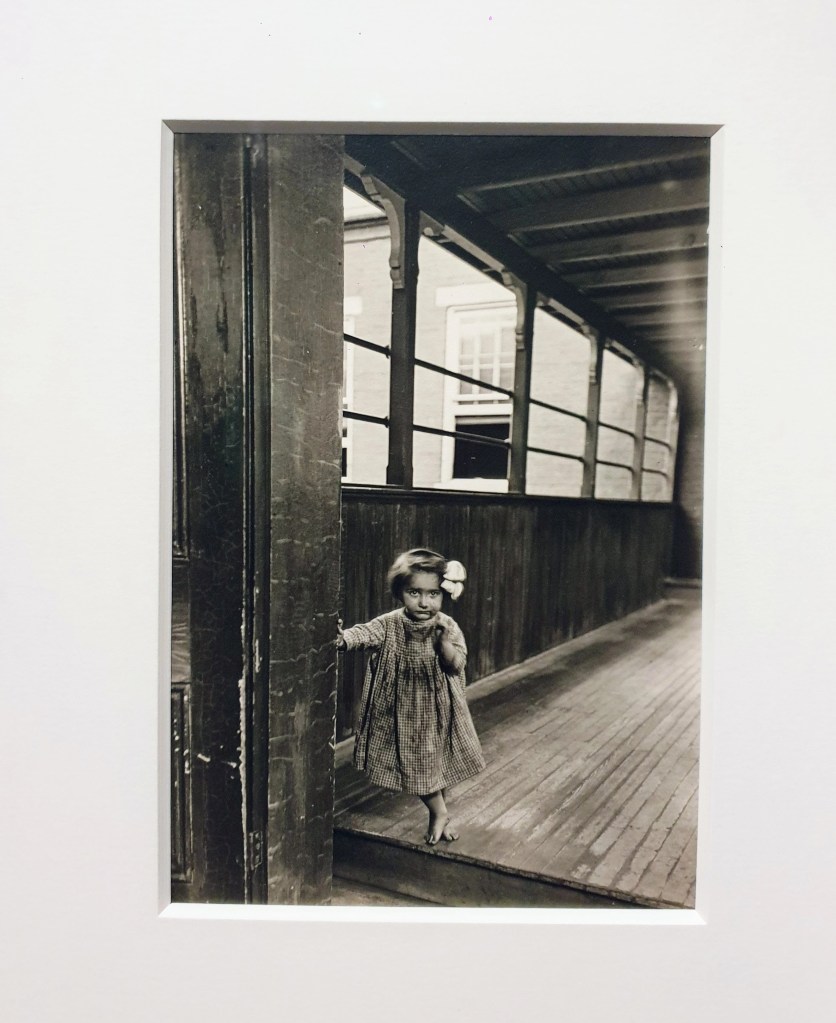
The exhibition unveils putting in light some close-ups of faces from XXth century, typical format of the avant-garde photography. Anonymous faces and situations, shot by many authors, introduce the visitor and set a certain type of ambiance. The gallery then transitions to a more connotated section named “Automatism?”, which focuses on the impact that photobooths had on the photographic practice when they were first introduced in the 20s.This author-less photos fascinated many, especially Surrealists; later in the 60s, they were used to convey messages notably to sensibilise on the identity and gender issues. This section’s photos have a humorous and playful appearance.
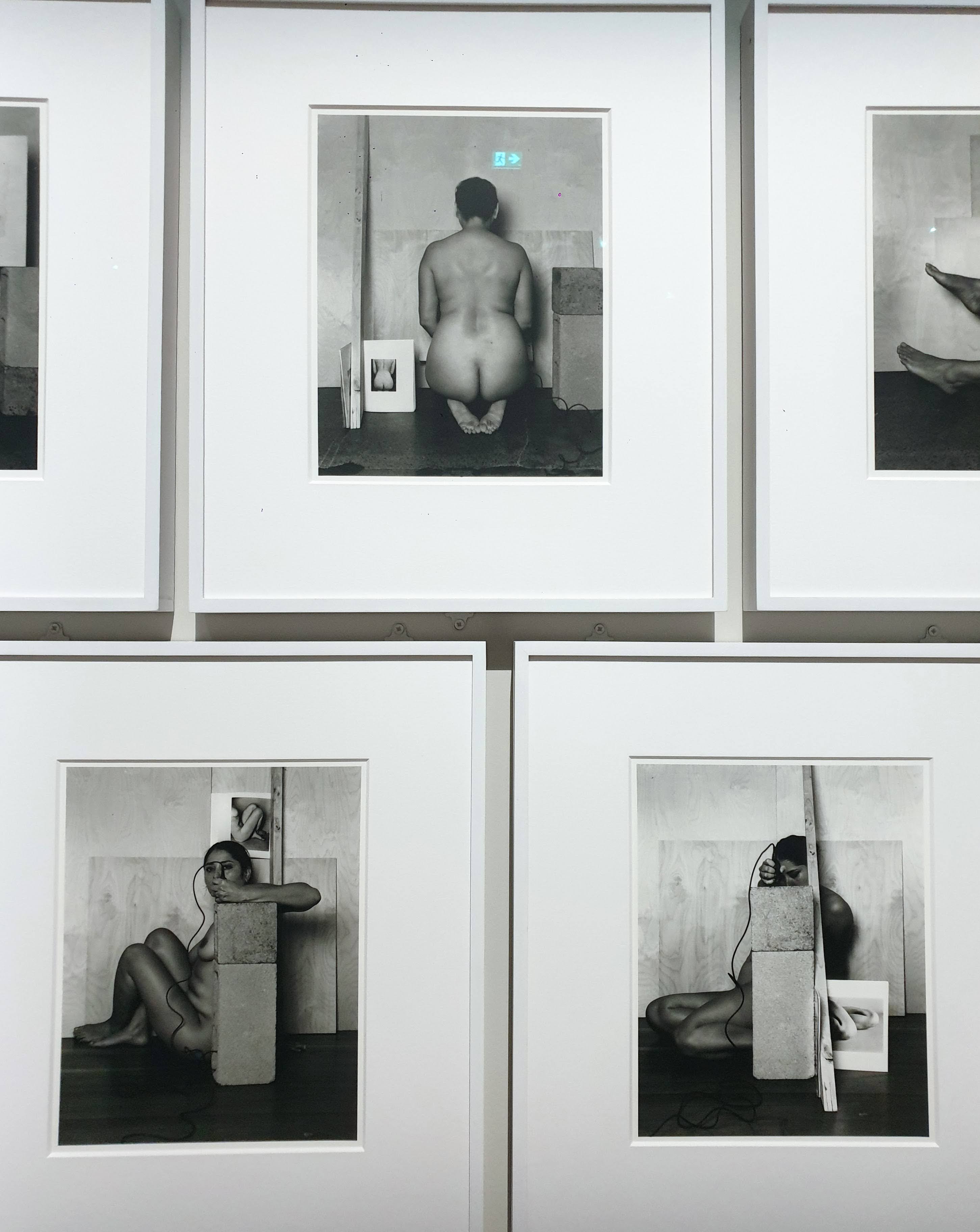

“Fragments” is one of the most captivating parts of the exhibition, devoted to photographs that capture details of the human body. The visitor is invited to consider how the camera’s fragmentation of the body creates an object that is almost fetishistic allure. By sometimes employing an extreme zoom, these photographs prompt viewers to question the essence of what they are looking at: when a singular detail of the body occupies the entire frame, the perspective shifts, inviting alternative interpretations.
The power of Corps à corps lies in its association of diverse themes, all of which share the main subject of the image, which is the human body. The exhibition encourages viewers to consider the many ways that photography can exhibit different shades of a subject; specifically, it emphasizes how different shots convey different messages. From portraits depicting those overlooked or marginalized to intimate portrayals of individual experiences, from images empowering minorities to those focusing on the relationship between individuals and their surroundings, from complex layered compositions to minimalist black-and-white portraits, the potential of this medium remains both striking and infinite.


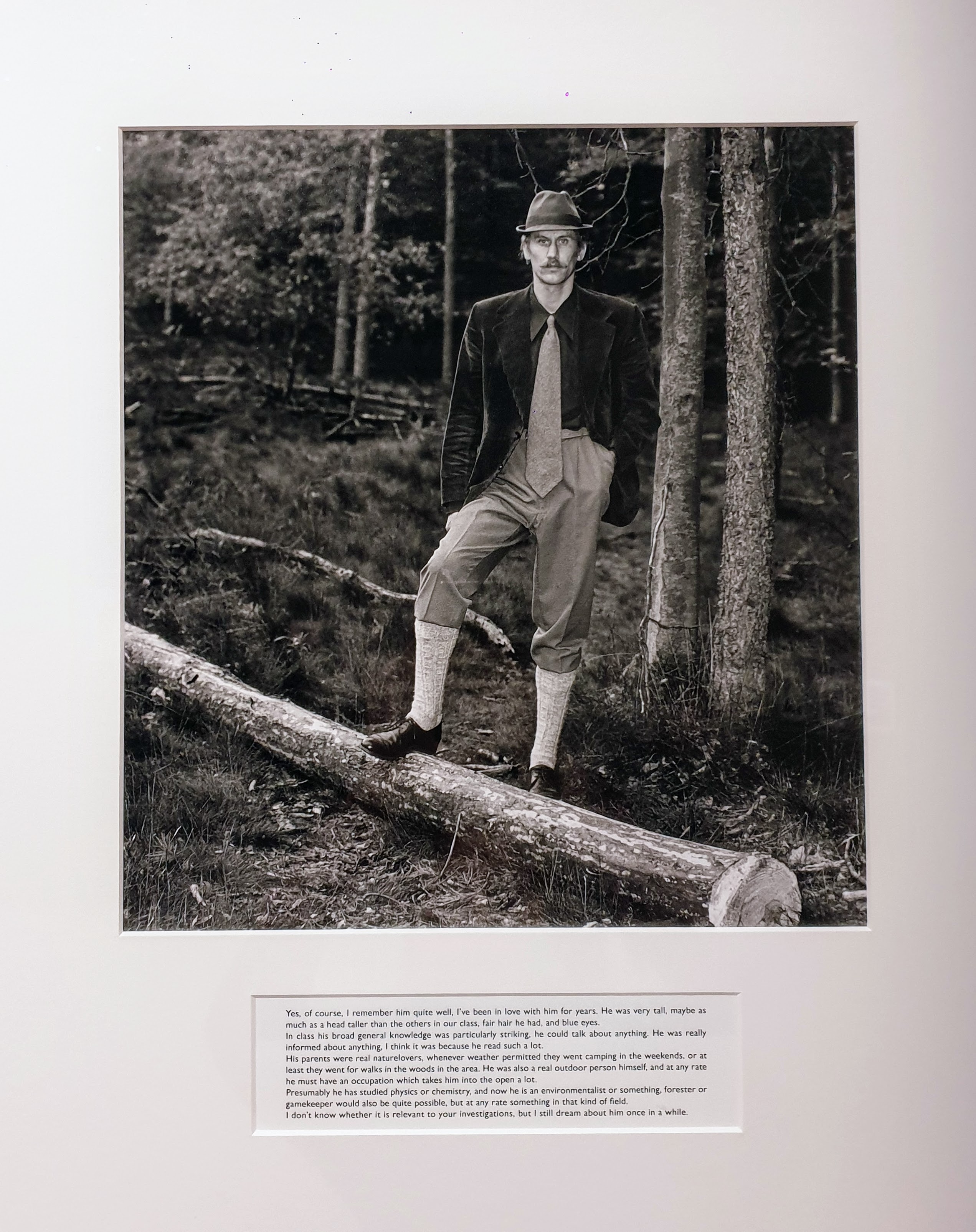
My personal highlights:
- Hans Eijkelboom, Identity, series (1976)
- Tarrah Krajnak, Master Rituals II: Weston’s nudes series(2021)
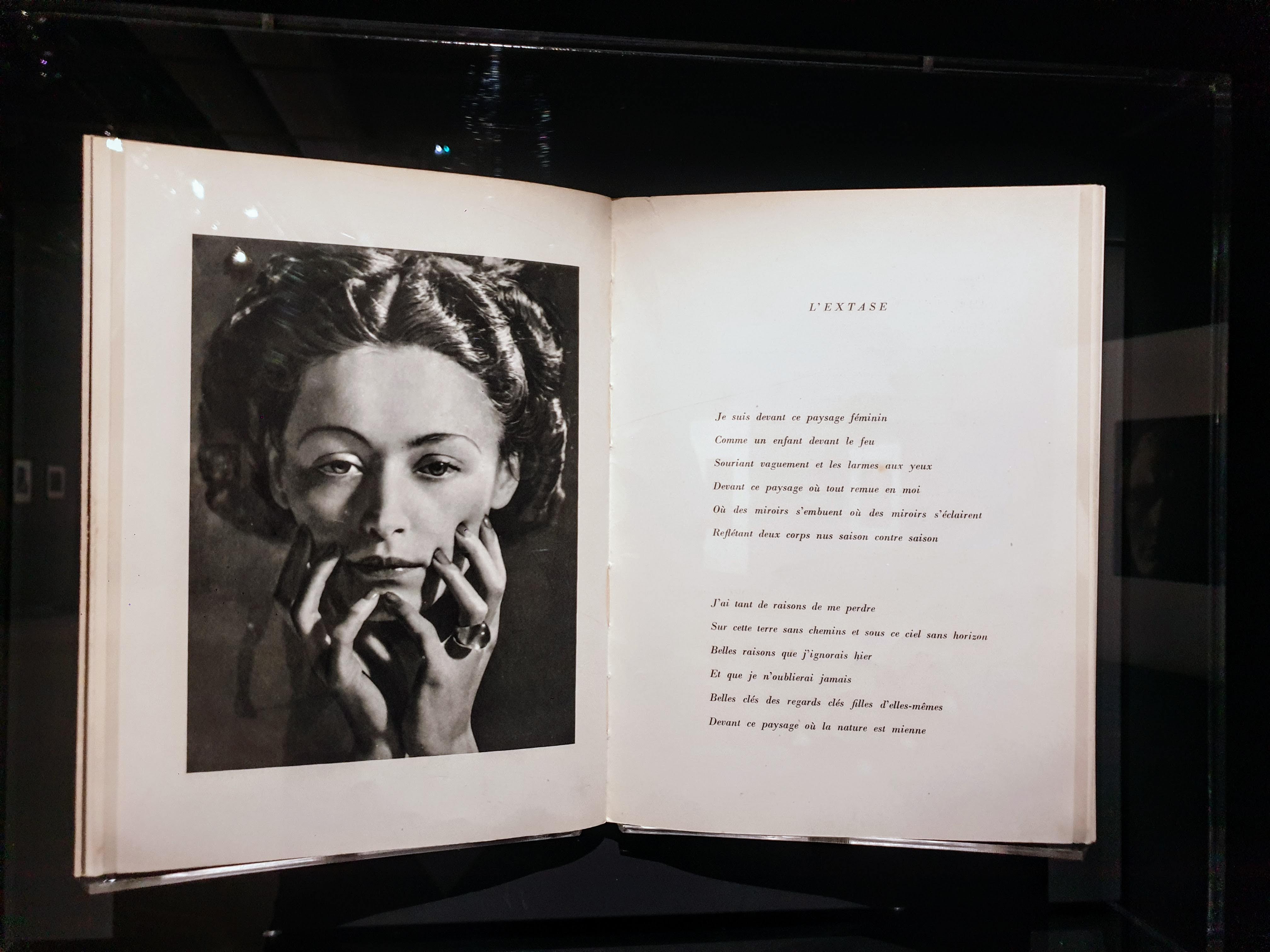
- Dora Maar, Nusch Eluard, (1935)
- Louis Faurer, Elevated subway on Third Avenue (1947)
 MUSEmemoirs