Info:
- Dates: 28.03.24 – 23.09.24
- Curator: Mark Godfrey
- Where: Fondazione Prada (Milan)
- Price: 15 euros/12 – 7,5 euros reduced
Fondazione Prada presents a comprehensive retrospective on Pino Pascali (1935-1968), a precursor of Arte Povera and an artist whose influence continues to resonate across generations. Despite his brief life and career, Pascali left behind an impressive body of work, primarily sculptures, which the Prada Foundation has carefully assembled for this exhibition.
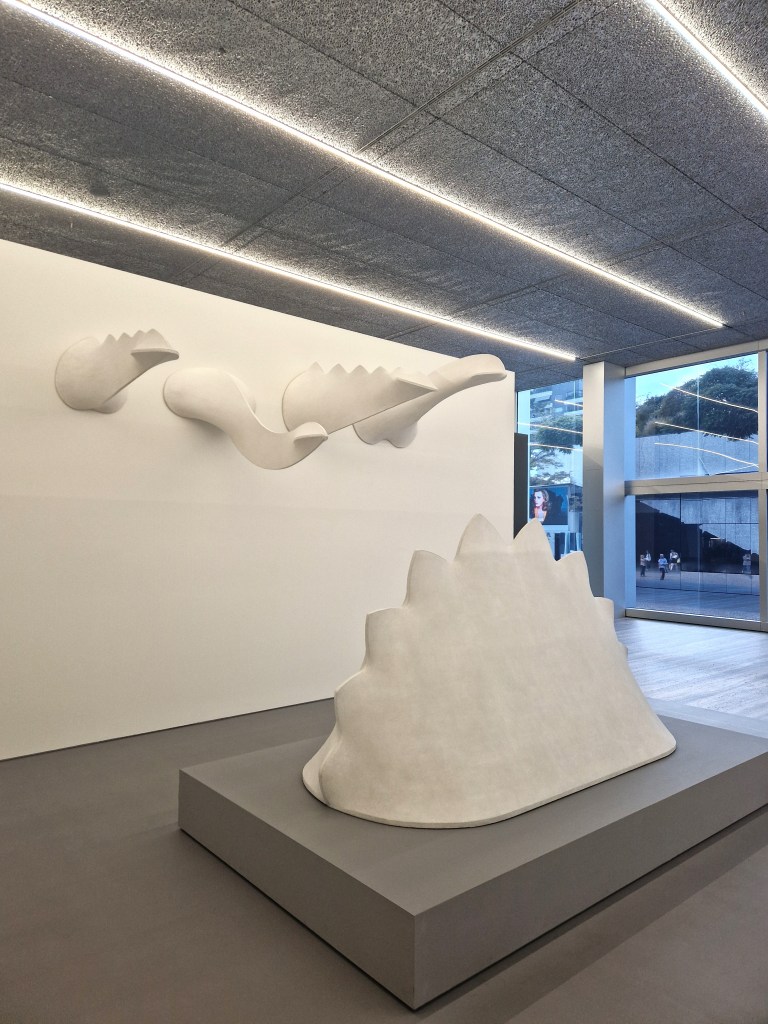
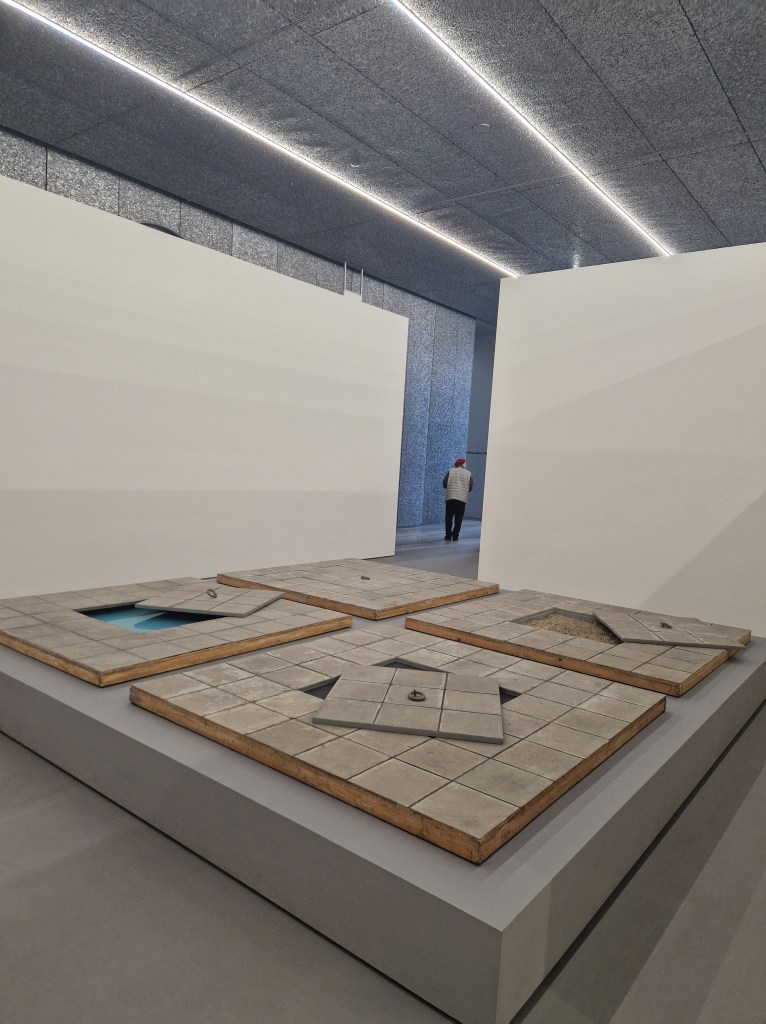
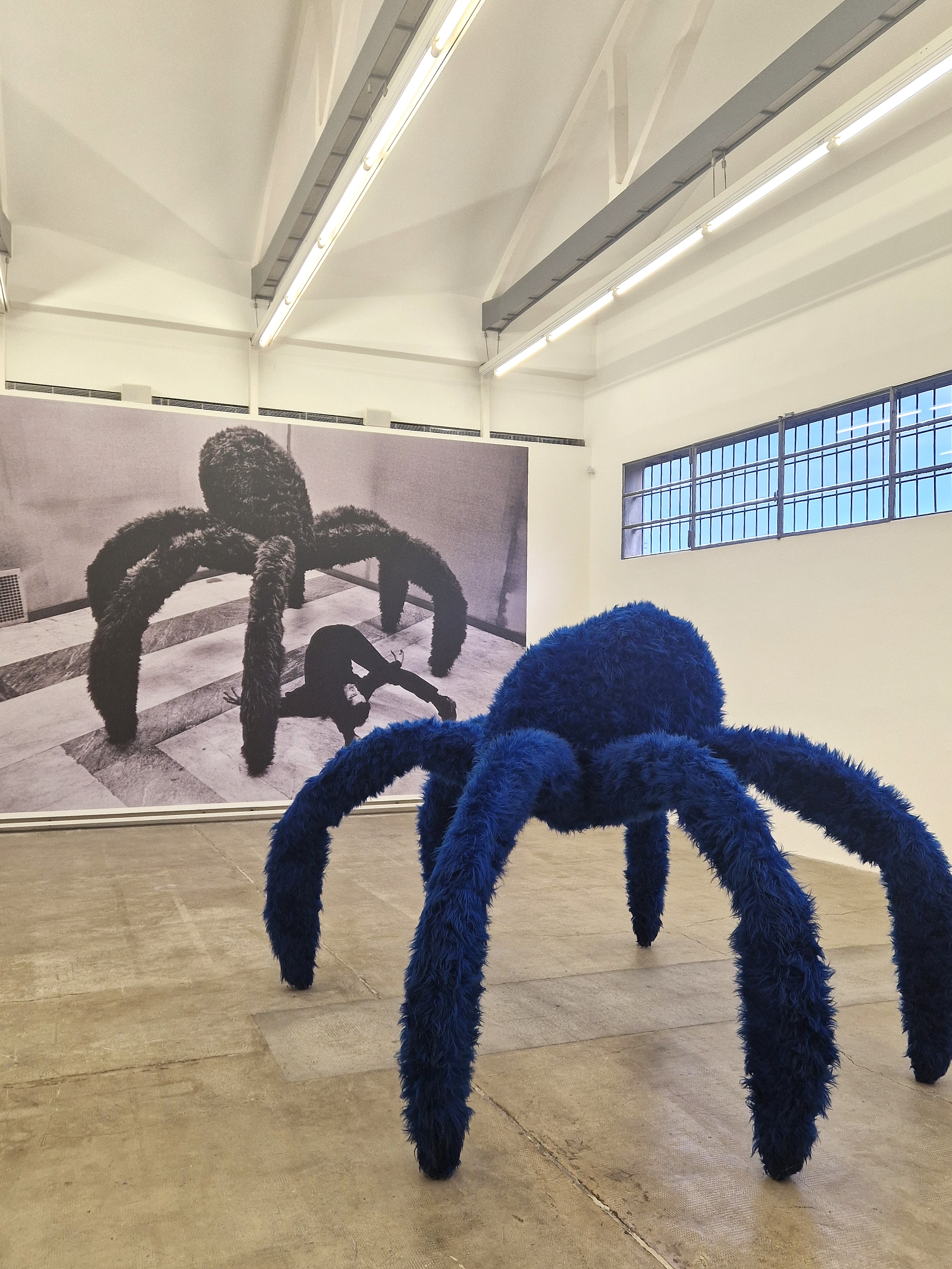
The exhibition is thematically organized, showcasing sculptures, photographs, and videos. Upon entering the ground floor of the Podium, visitors are welcomed by a unique arrangement where the space is divided into environments that replicate Pascali’s original exhibitions from 1965 to 1968. For Pascali, each exhibition was an opportunity to create immersive environments, aligning the space with the emotional tone of each series. Visitors are immediately drawn to the tactile nature of Pascali’s materials, which almost beg to be touched and explored. Confronted with his sculptures, we are compelled to question what we see, as everyday materials evoke powerful emotions and challenge our perceptions.
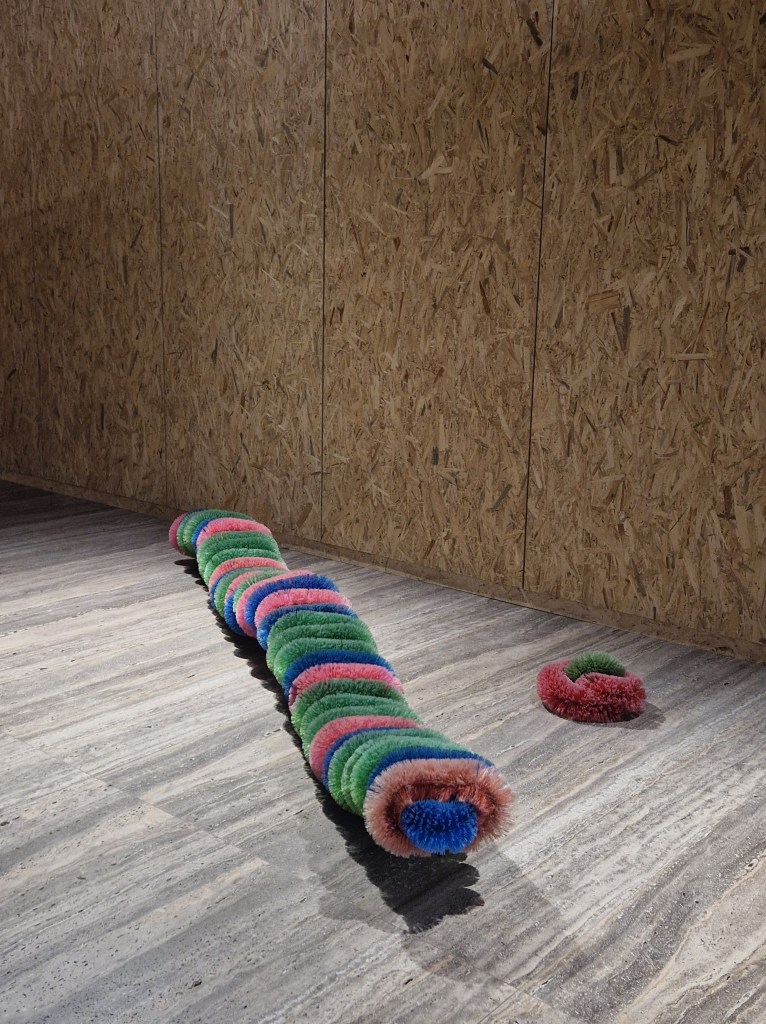
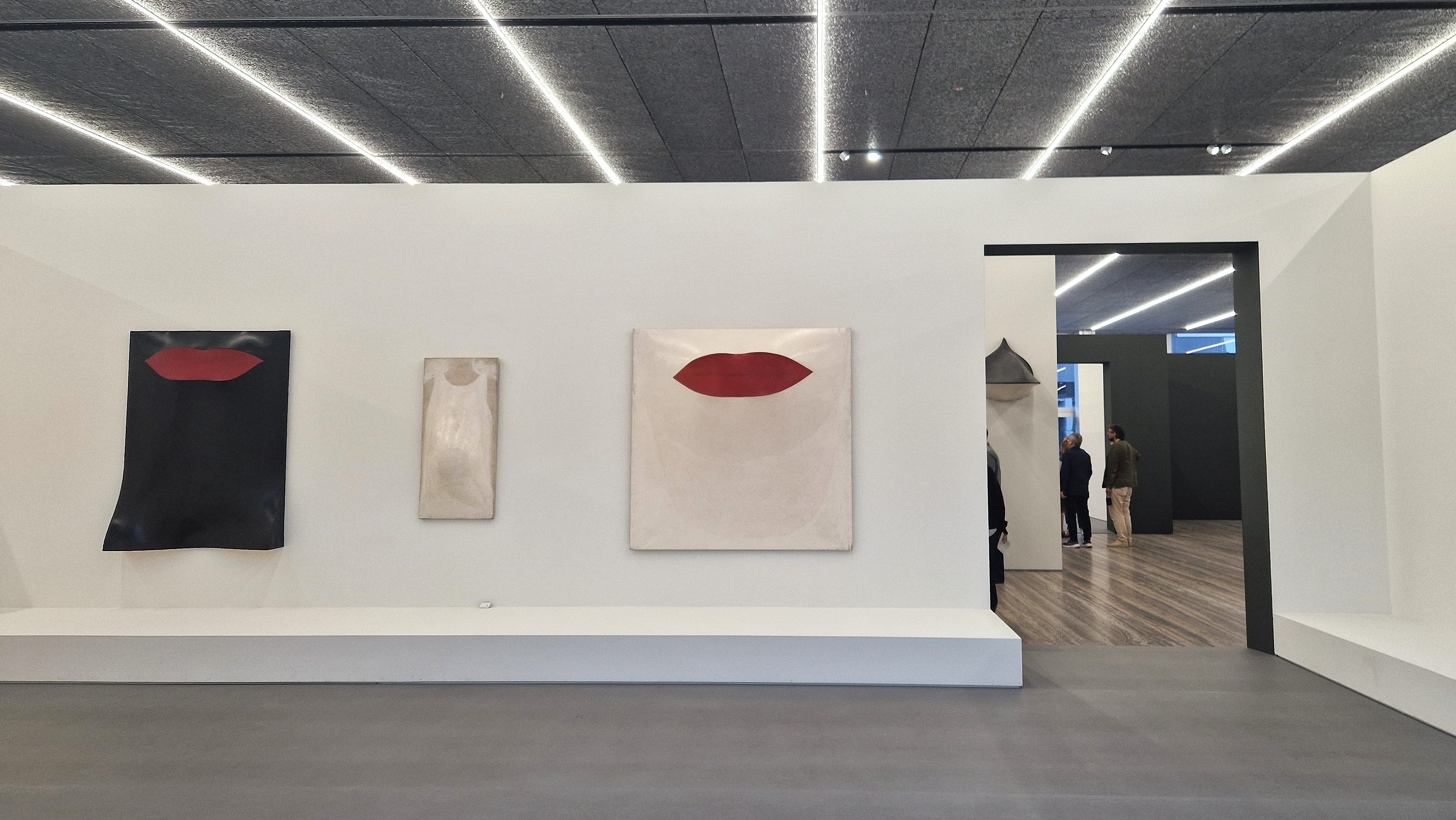
In the external Galleria Nord, Pascali’s works engage in dialogue with those of his contemporaries, showcasing artworks that were exhibited in group shows of the time. This collection highlights how artists of the era, from Boetti to Bonalumi, Luciano Fabro to Piero Gilardi, experimented with industrial materials in their creations. Walking among these pieces, visitors can see how simple materials were transformed into profound artistic expressions, allowing for an exploration of the art scene in the 1960s and 70s.
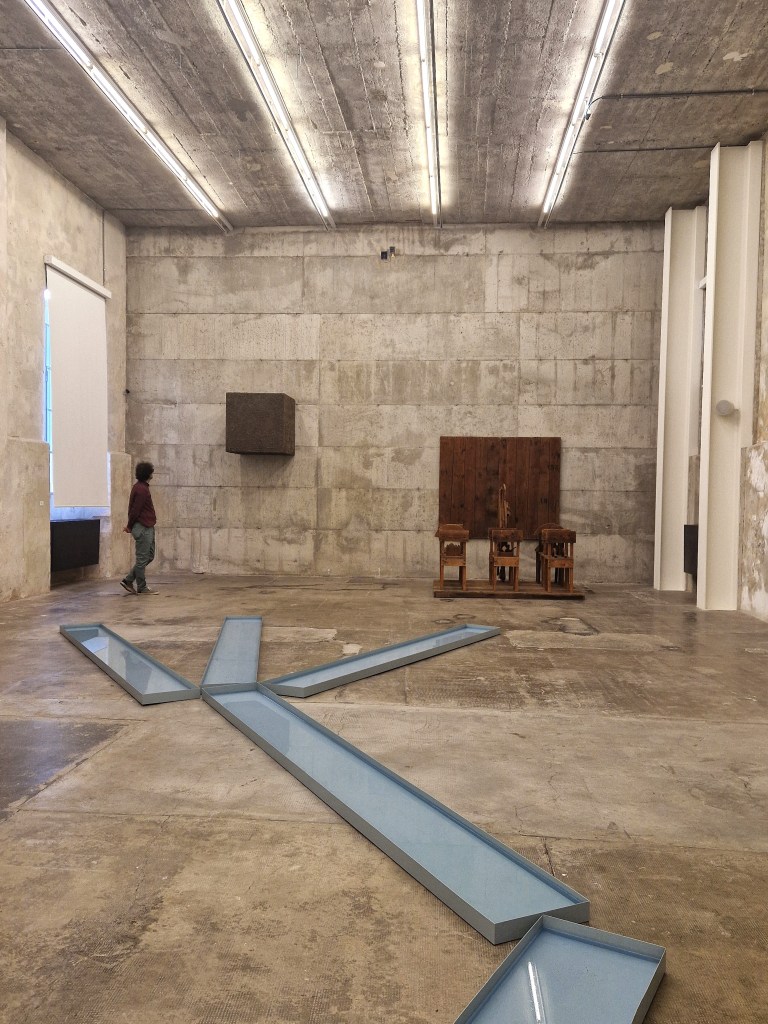
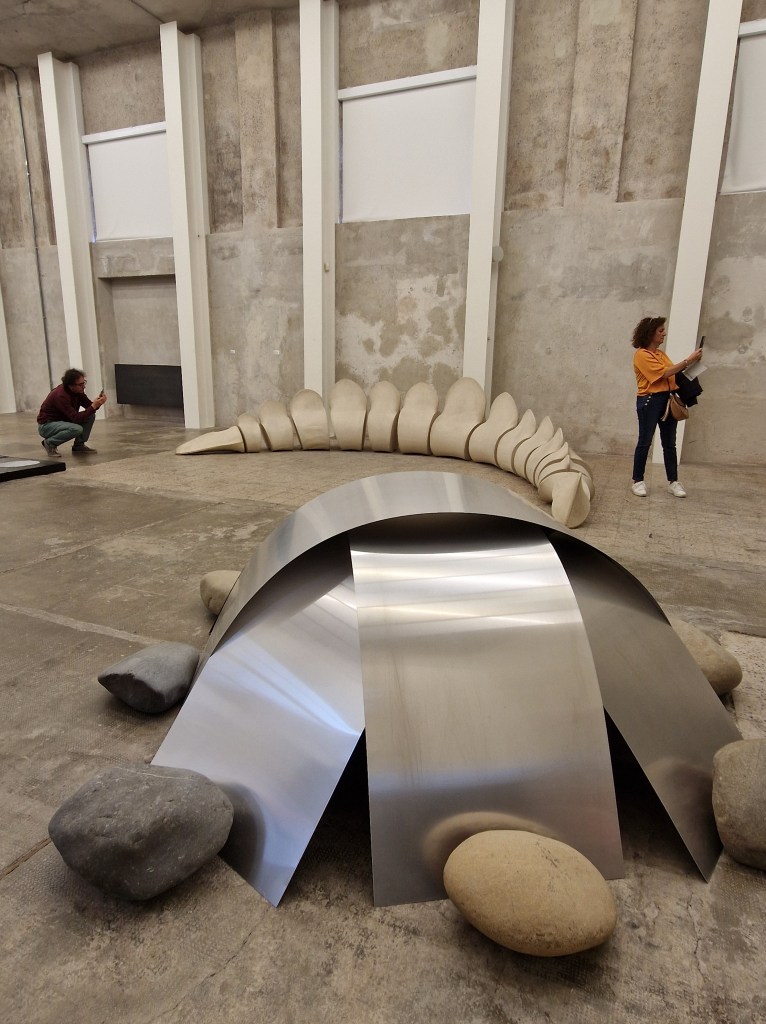
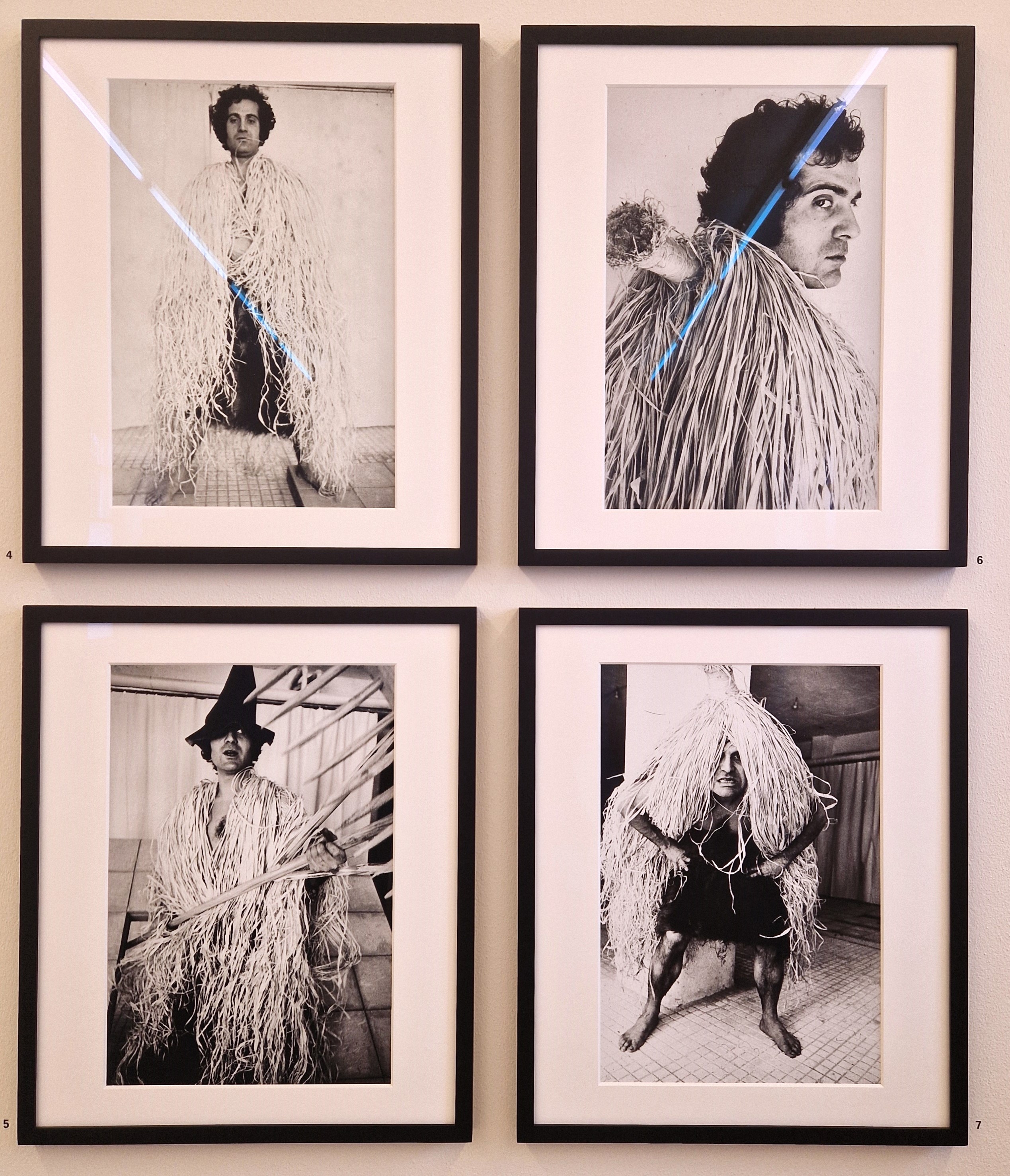
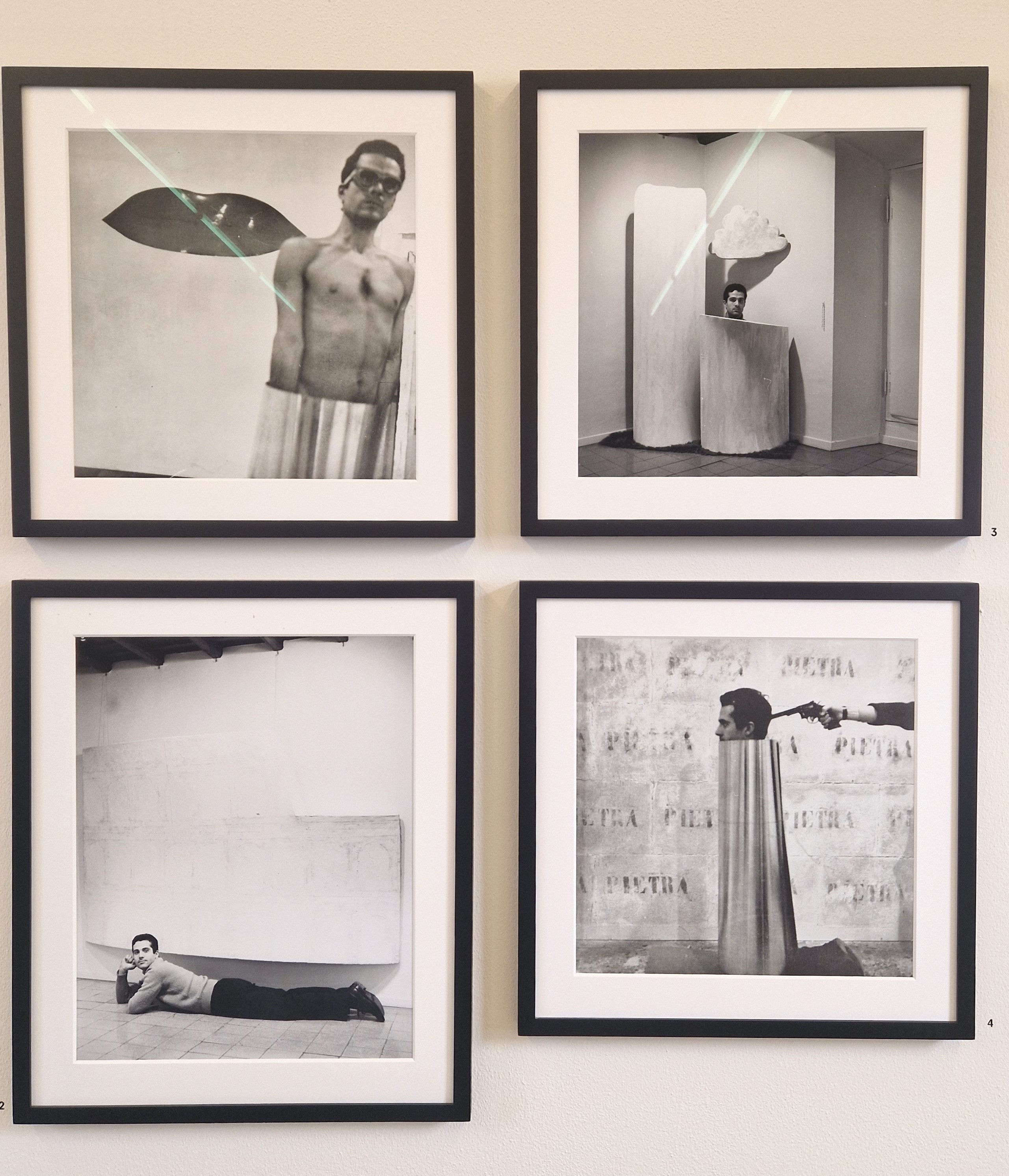
The adjacent Galleria Sud is dedicated to photography, a medium of great importance to Pascali, serving as both documentation and performance. Pascali enjoyed being photographed with his artworks, often becoming a performer within the shots, encouraging a new way of engaging with his art. Photographs by renowned artists such as Carlo Abate and Ugo Mulas are displayed throughout the gallery, with images relating directly to the works on view, placing each piece back in its original context. The sculptures interact with the photographs, inviting viewers to imagine Pascali’s presence in the space, further deepening their connection to his work.
In conclusion, this exhibition at Fondazione Prada is a fitting tribute to one of Italy’s symbolic artists. Despite his short life and career, Pascali’s influence is undeniable, continuing to inspire artists who followed in his path.
My personal highlights:
- Vedova Blu, 1968
- Ricostruzione del dinosauro, 1966
- Bachi da setola, 1968
 MUSEmemoirs