Info
- Dates: 9.10.24 – 20.01.25
- Curator: Carolyn Christov-Bakargiev
- Where: Bourse de Commerce – Pinault Collection
- Price: 15 euros / 10 euros reduced
The Bourse de Commerce pays hommage to the Italian movement Arte Povera in a distinguished exhibition, one of the most comprehensive showcases of these groundbreaking artists. The expertise of the curatorship is evident throughout, led by Carolyn Christov-Bakargiev, a recognized art critic. Her decades-long career as a curator and former director of the Castello di Rivoli—a leading museum for Italian contemporary art and home to a prestigious Arte Povera collection—underscores the depth of this project. Many of the works on display are borrowed from the Castello di Rivoli itself, alongside pieces from the Pinault Collection.
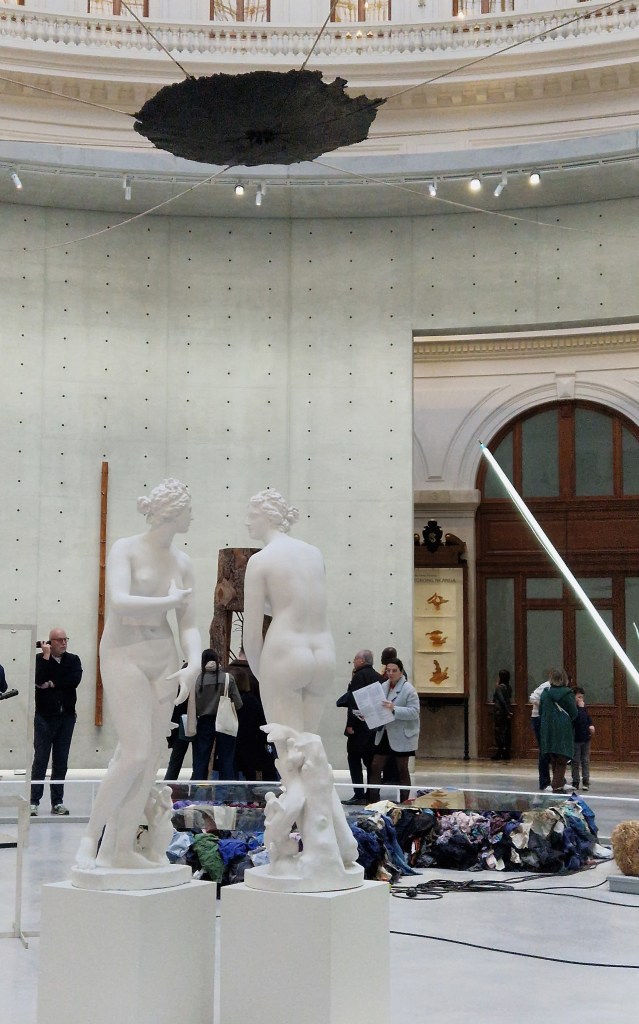
The exhibition is presented in a traditional, museological manner, which contrasts with the original activist and non-conformist spirit of Arte Povera. Despite this, the display offers an expansive perspective on the movement’s cohesion and activity. This is particularly evident in the bold, unconventional arrangement of artworks in the Rotonde, which reunites all the artists of the exhibition in one space, to create a dialogue and to show the collective spirit that marked the end of the 60s in Italy. In the Passage around it, some artworks and archival documents in display cases trace the “before” and “after” of Arte Povera’s, its influences and legacy.
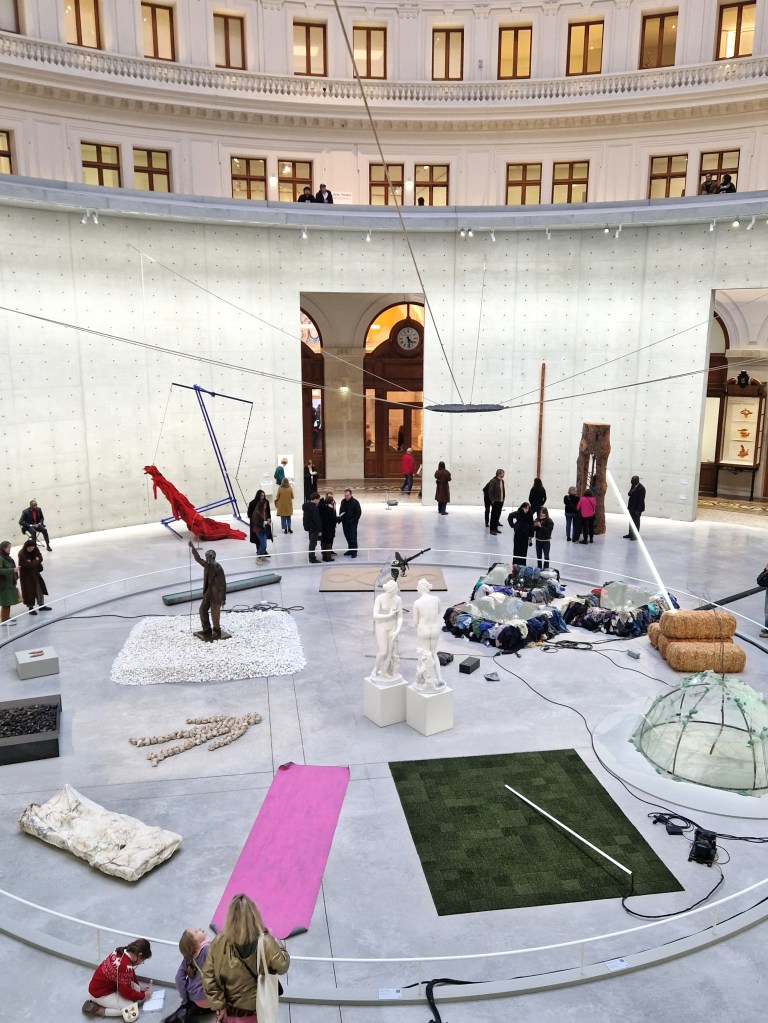
Marisa and Mario Merz, Jannis Kounellis, Michelangelo Pistoletto, Gilberto Zorio, Emilio Prini, Alighiero Boetti, Giuseppe Penone, Giovanni Anselmo, Pier Paolo Calzolari, Luciano Fabro, Pino Pascali, Giulio Paolini… the featured artists of this exhibition resonate with the name Arte Povera. While the movement has often been described as a group, the artists themselves never defined themselves as such. Interestingly, the curatorial choice to dedicate individual spaces to each artist allows viewers to appreciate both their shared themes and distinct styles, encouraging visitors to distinguish the unique contributions of each personality of the movement.
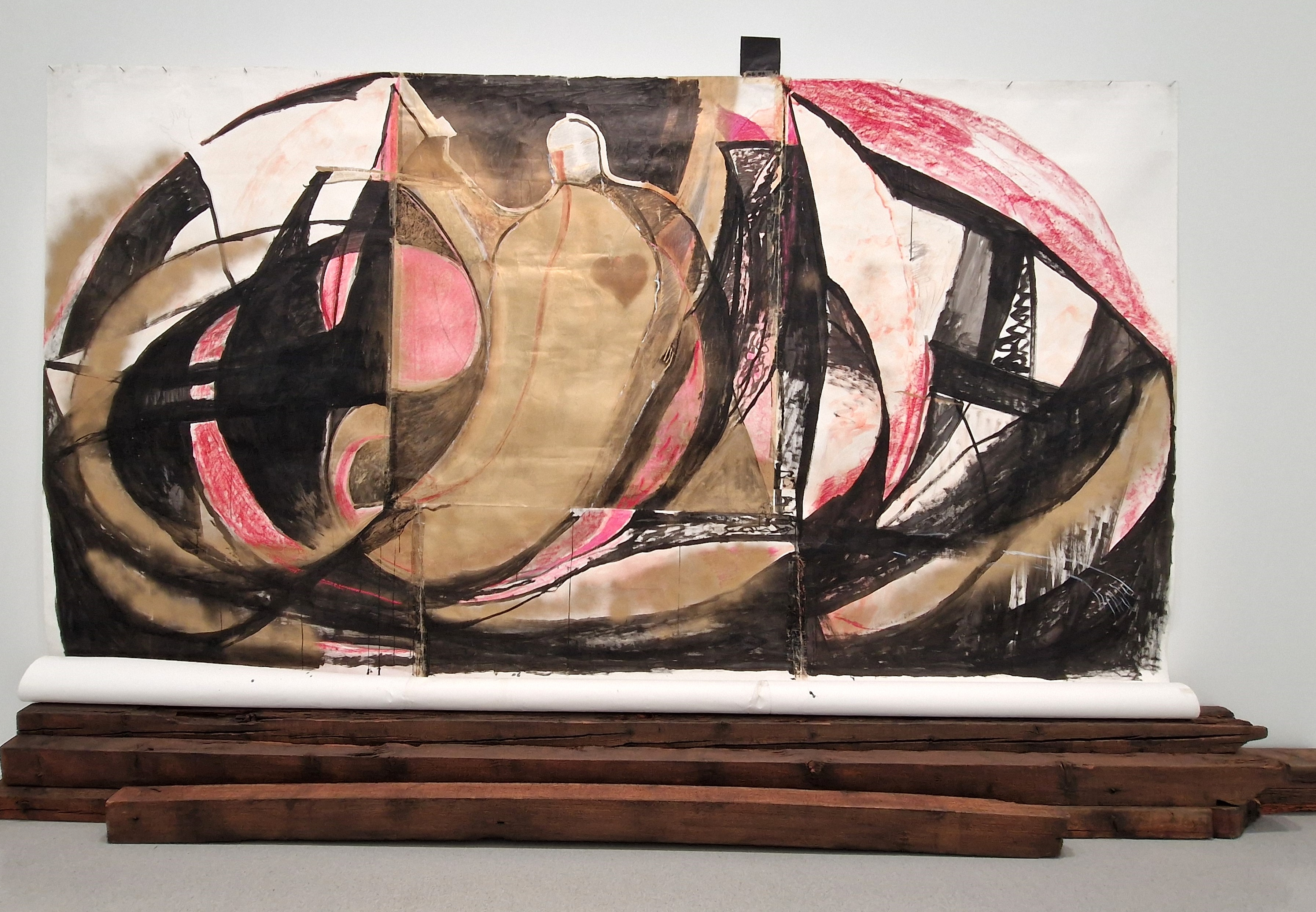
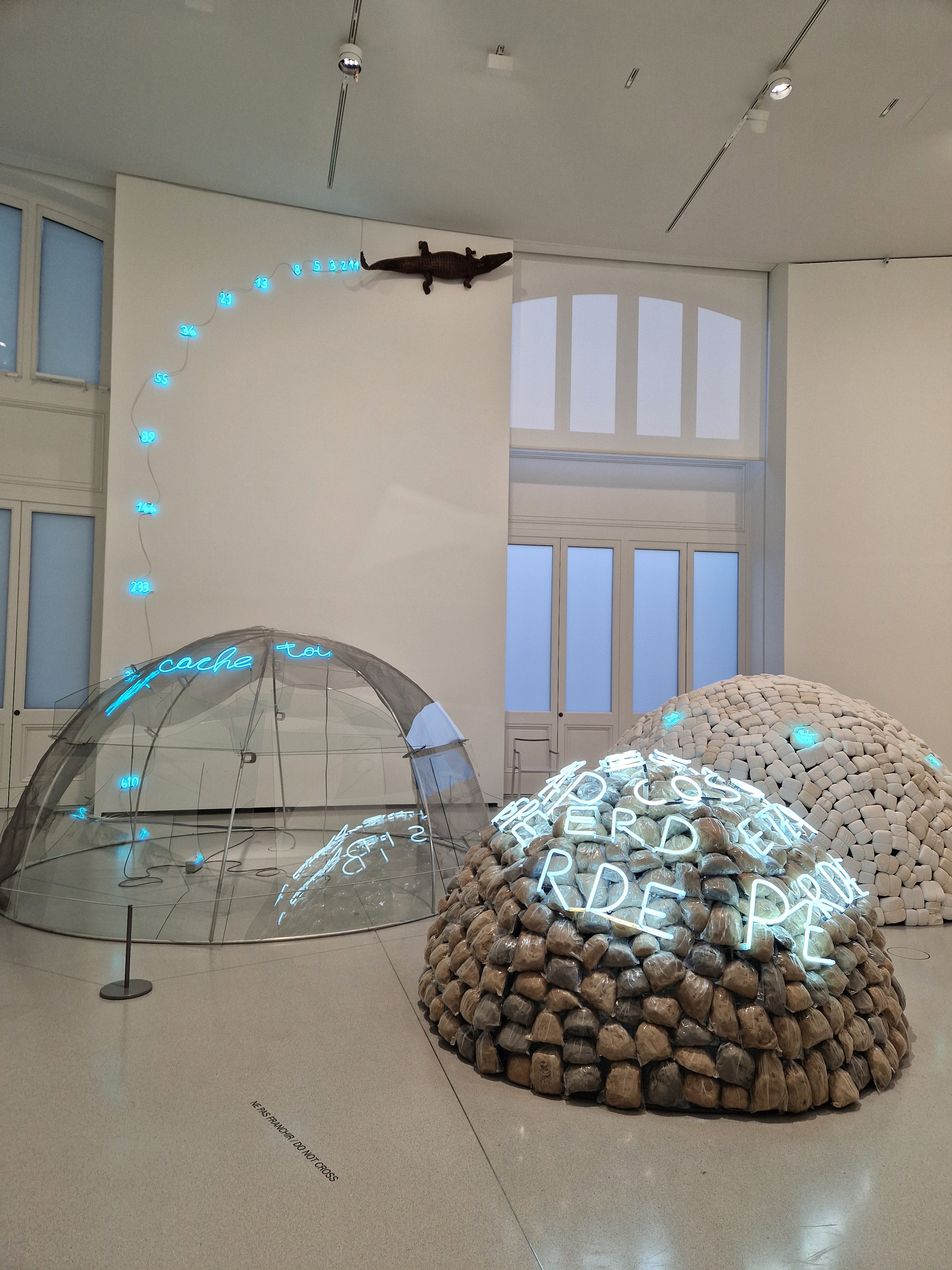
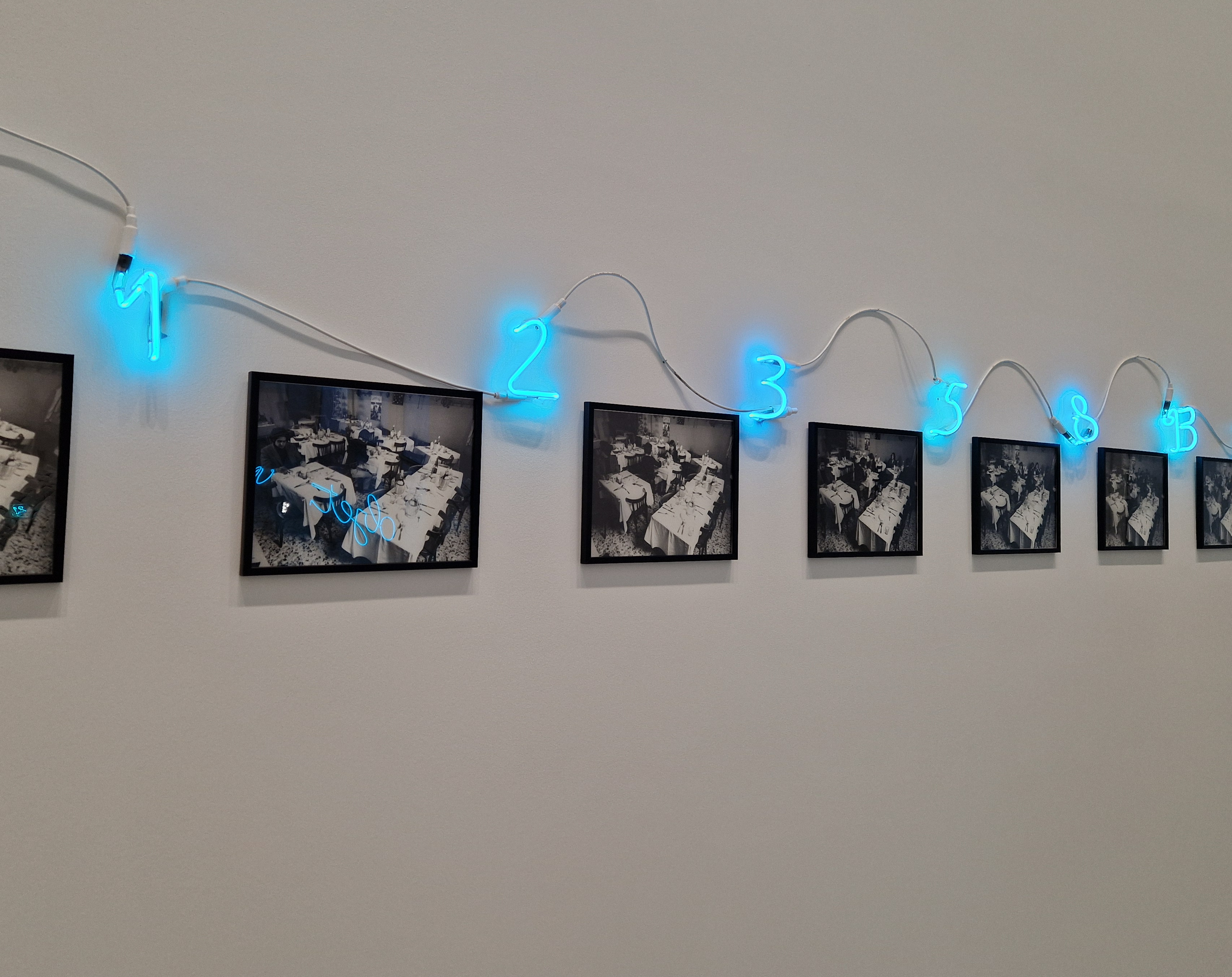
For example, the expansive ground-floor section dedicated to Marisa and Mario Merz not only highlights their individual practices but also explores their artistic influence on each other as a couple. Marisa’s works, inspired by domestic sphere and the everyday, juxtapose beautifully with Mario’s use of neon and his iconic igloos, constructed from ordinary materials.
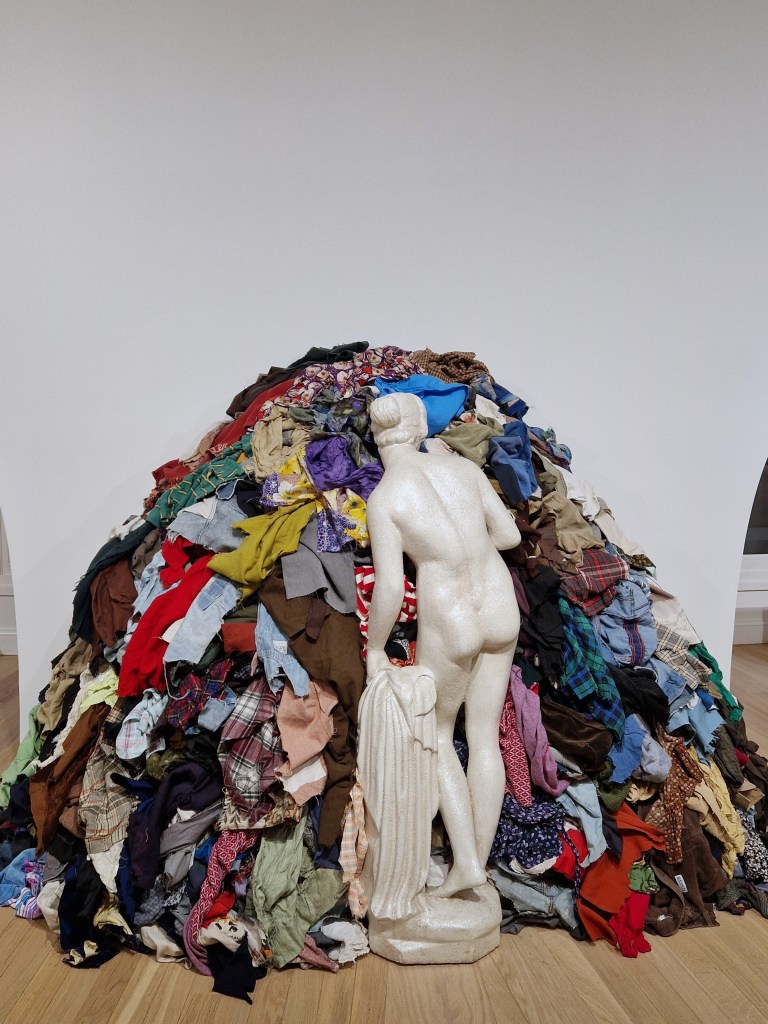
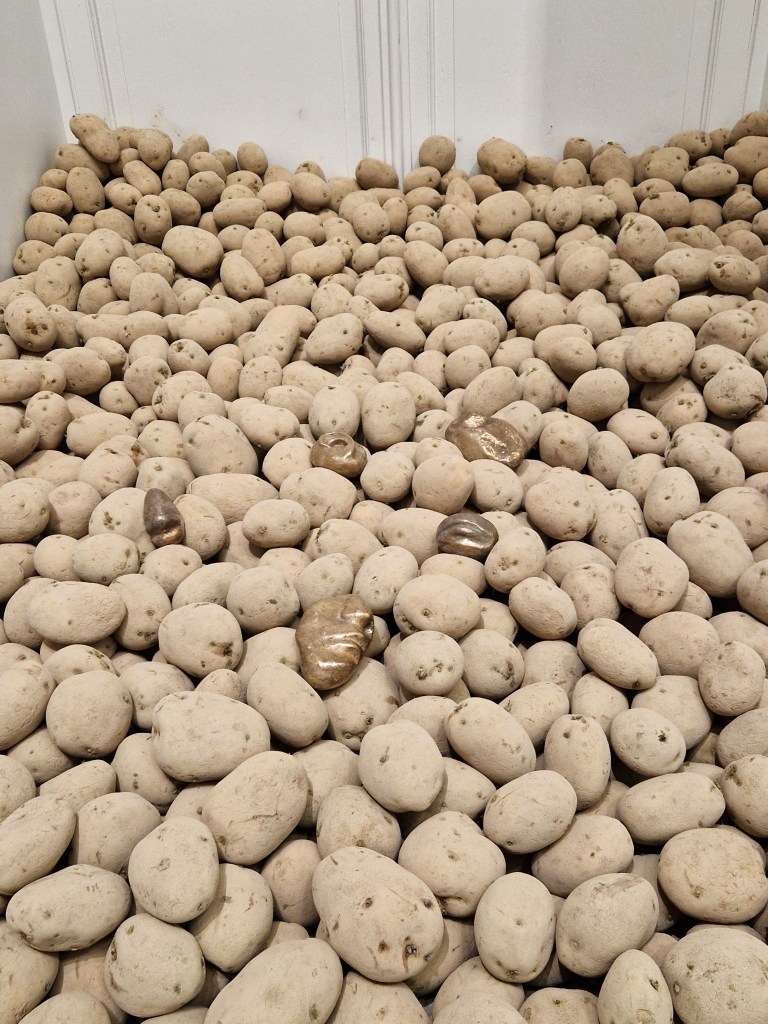
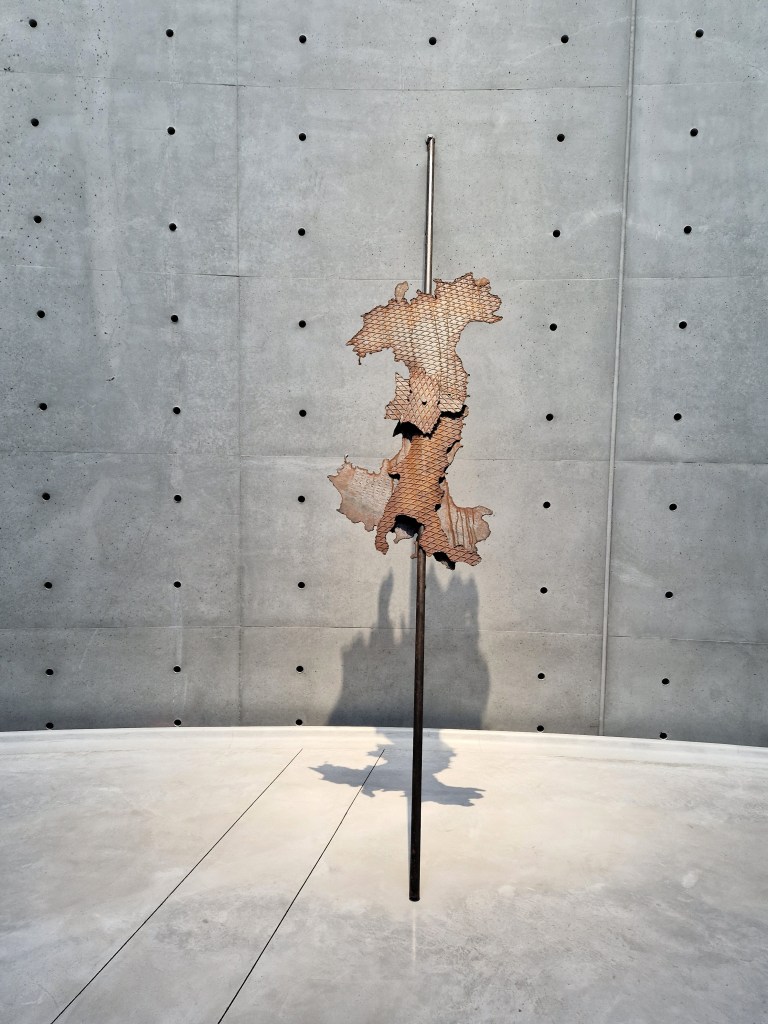
Iconic works like Pistoletto’s Venere degli stracci and Fabro’s inverted installations of the Italian boot are immediately recognizable. Alongside these, lesser-known archival treasures like Penone’s Patate offer insights into the early stages of Arte Povera. These works encapsulate the movement’s exploration of the interdependence between humanity and nature, a harmonious blend which in these artworks is translated by the use of industrial material and the organic.
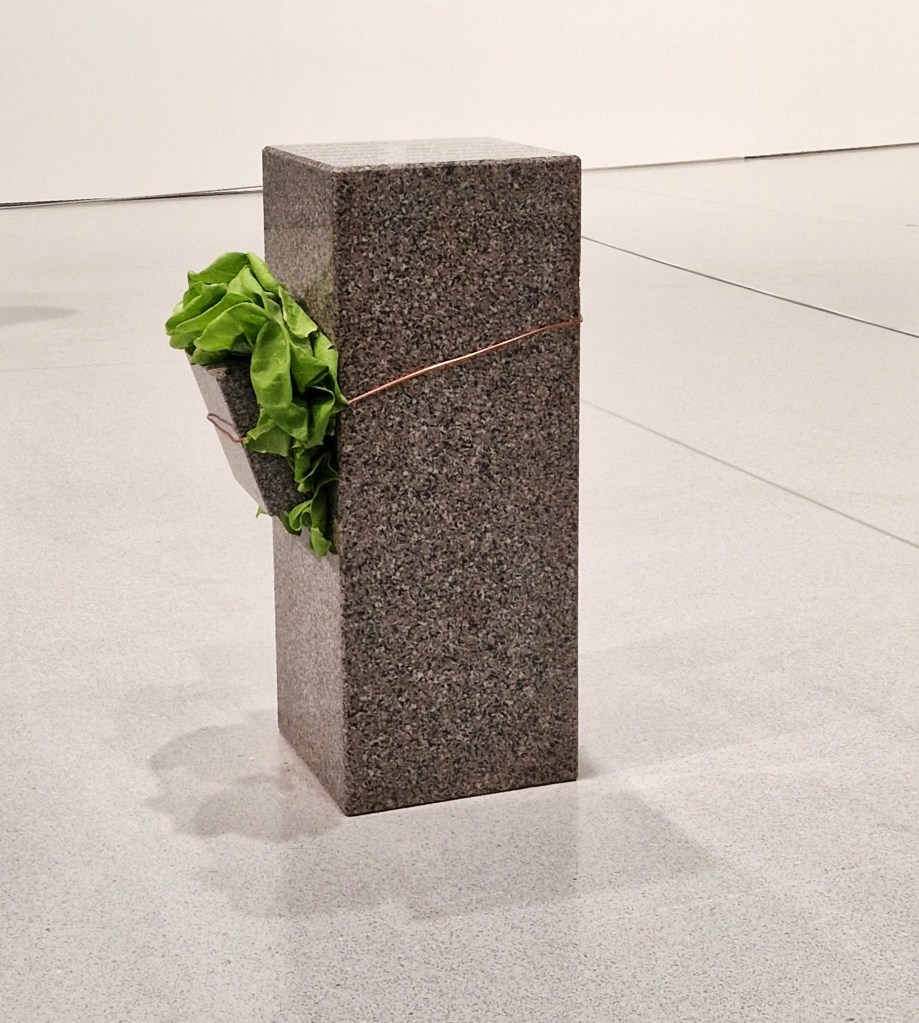
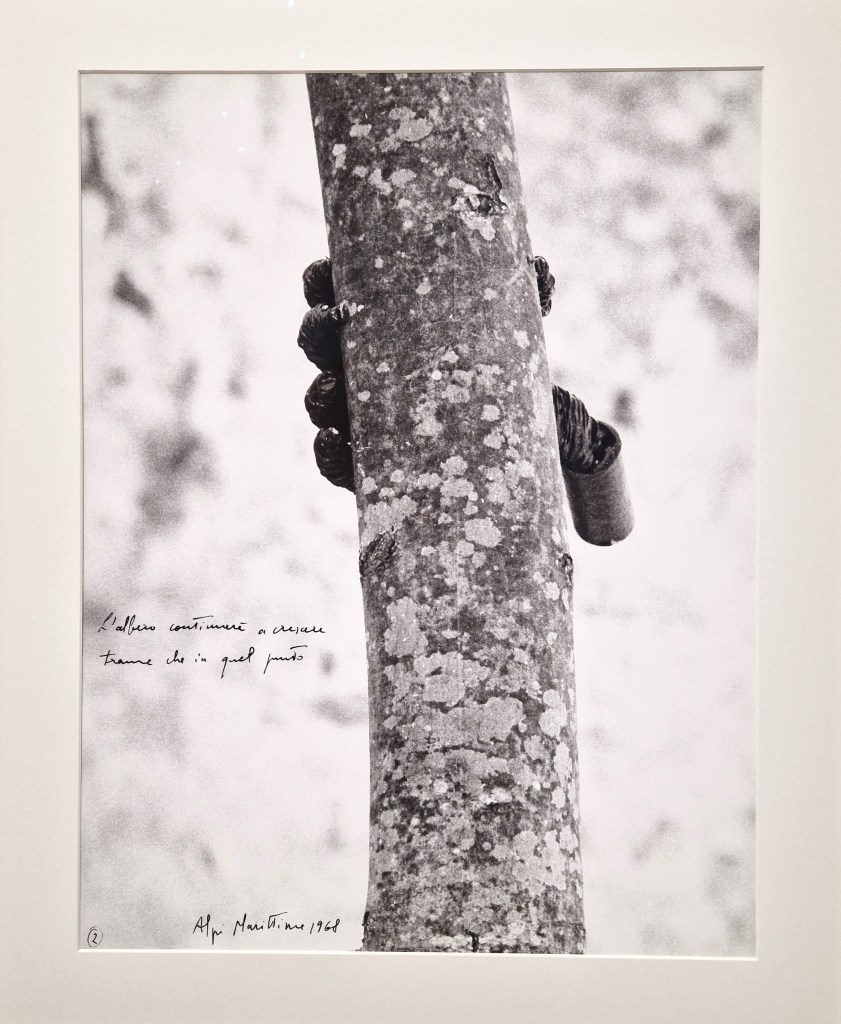
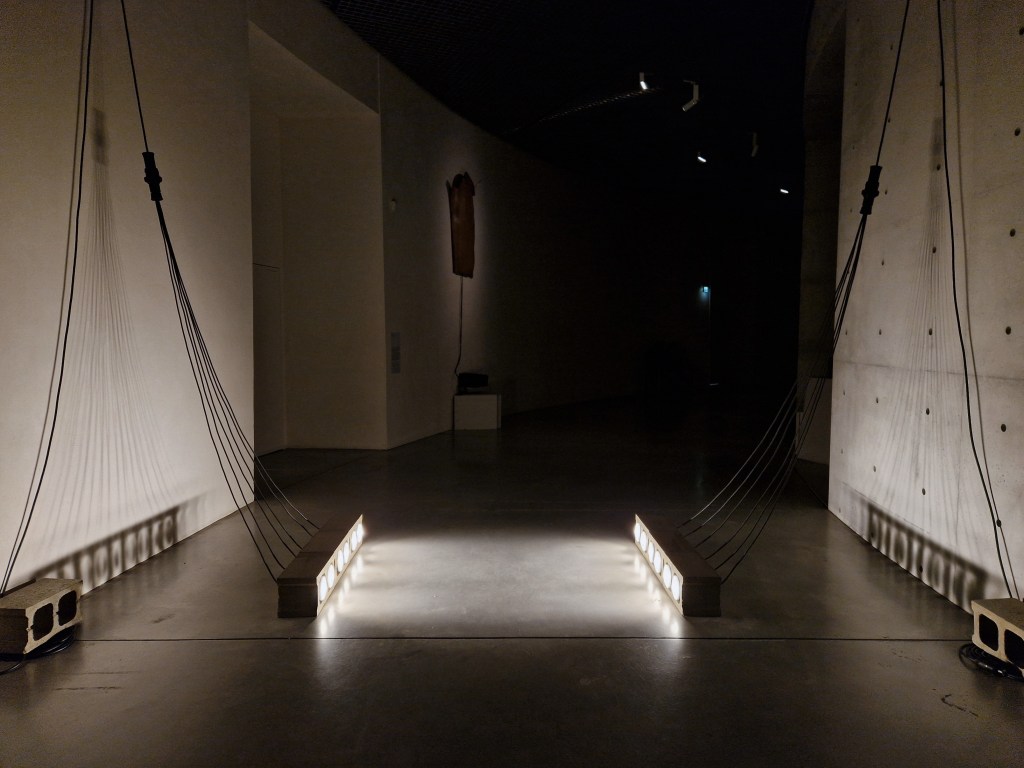
Some of the works reflect the provocative nature of many Arte Povera pieces. One example is Giovanni Anselmo’s Sculpture That Eats, which exemplifies his fascination with the physical forces that rule our world. The piece features a lettuce that must be periodically replaced to prevent it from rotting and thus losing the tension that holds a stone in place, risking its collapse. Many works reflect this connection with nature, as it is evident in Giovanni Penone’s work. The artist explore the relationship between humans and nature, particularly trees, in his vision of the world which is the opposite of anthropocentrism. Other works highlight the spirit of experimentation that defined the movement, such as Zorio’s installations in the basement, which push the boundaries of materials and question what it means doing art.
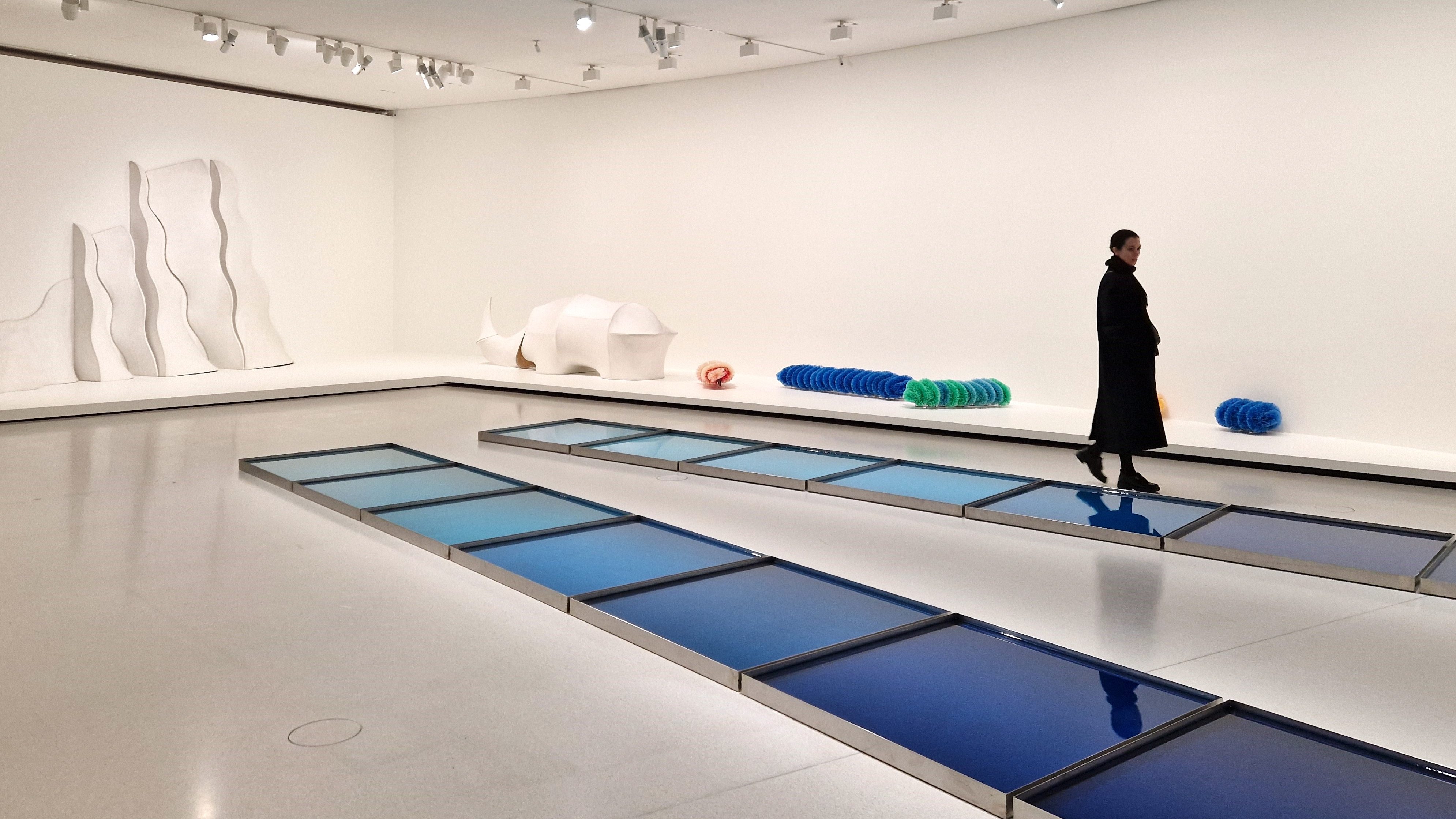
The exhibition demonstrates the profound contemporaneity of Arte Povera. As a precursor to many of today’s artistic practices, the movement’s critique of consumerism, technological progress, and environmental transformation remains strikingly relevant. The simplicity and ephemerality of its forms, coupled with its radical questioning of the commodification of art, have left an indelible mark on later generations of artists. Through this exhibition, the Bourse de Commerce not only celebrates Arte Povera as a historical movement but also affirms its ongoing significance in shaping the language of contemporary art.
My personal highlights:
- Structure that Eats, Giovanni Anselmo (1968)
- Luci, Gilberto Zorio (1968)
- Mettere al mondo il mondo, Alighiero Boetti (1972-73)
- Igloo di Giap, Mario Merz (1968)
- Sacra Conversazione, Michelangelo Pistoletto (1975)
 MUSEmemoirs