
Info:
- Date: 15.10.24 – 30.03.25
- Curator: Fulvio Irace
- Where: MAD – Musée d’Arts Décoratifs
- Price: 15 euro/free for aged -26 y.o
The exhibition begins with an original premise: exploring how the concept of intimacy has evolved from the 18th century to today, alongside shifting perceptions of self-image and our relationship with others. Showcasing furniture, design pieces, artworks, videos, photographs, and beauty products, the exhibition brings together objects from daily life—familiar items that not only resonate with visitors but also serve as historical markers of changing customs and habits.
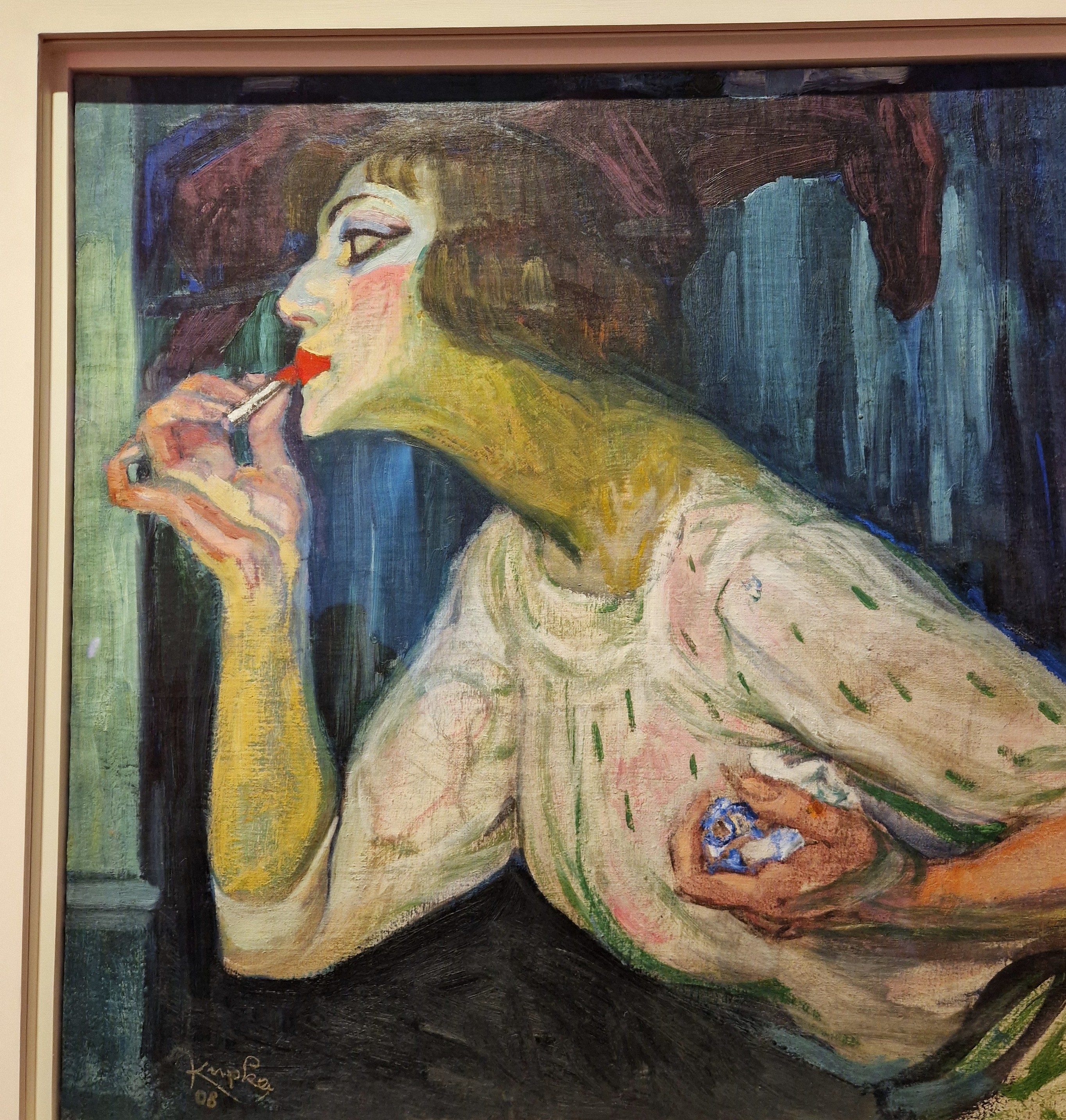
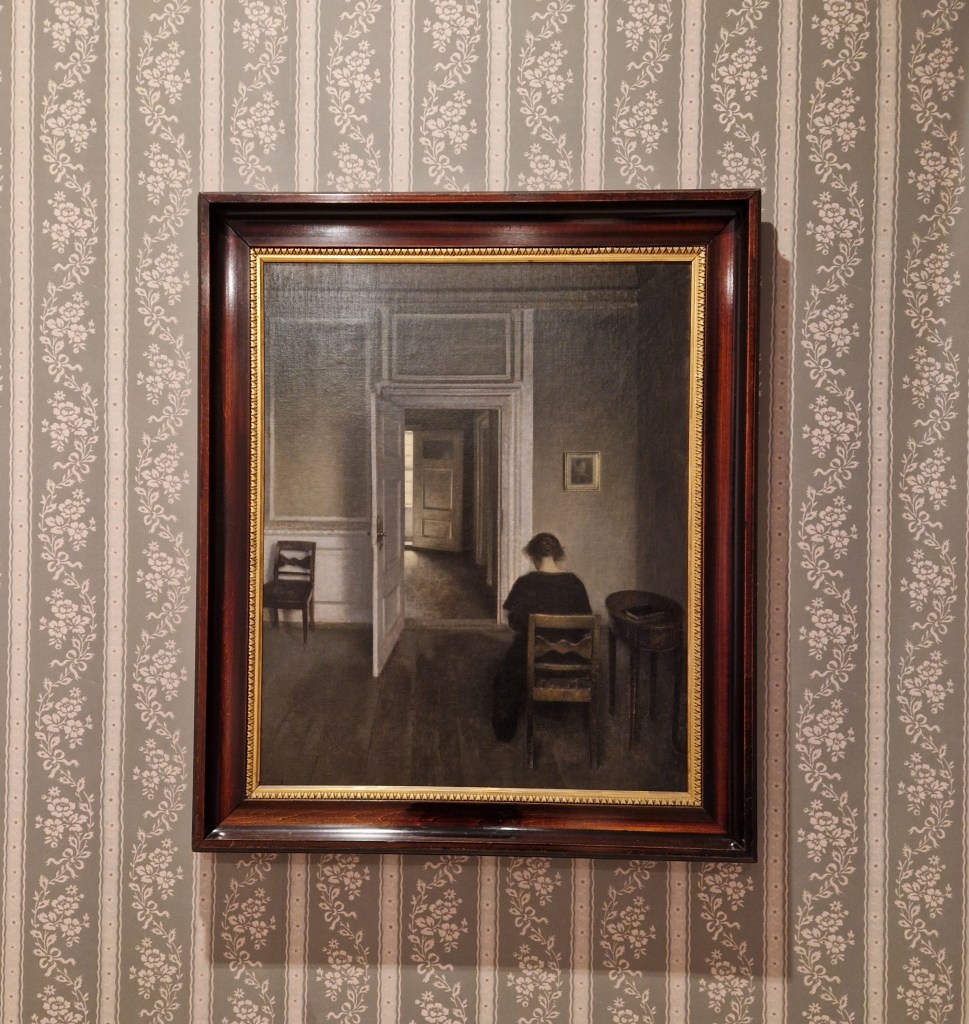
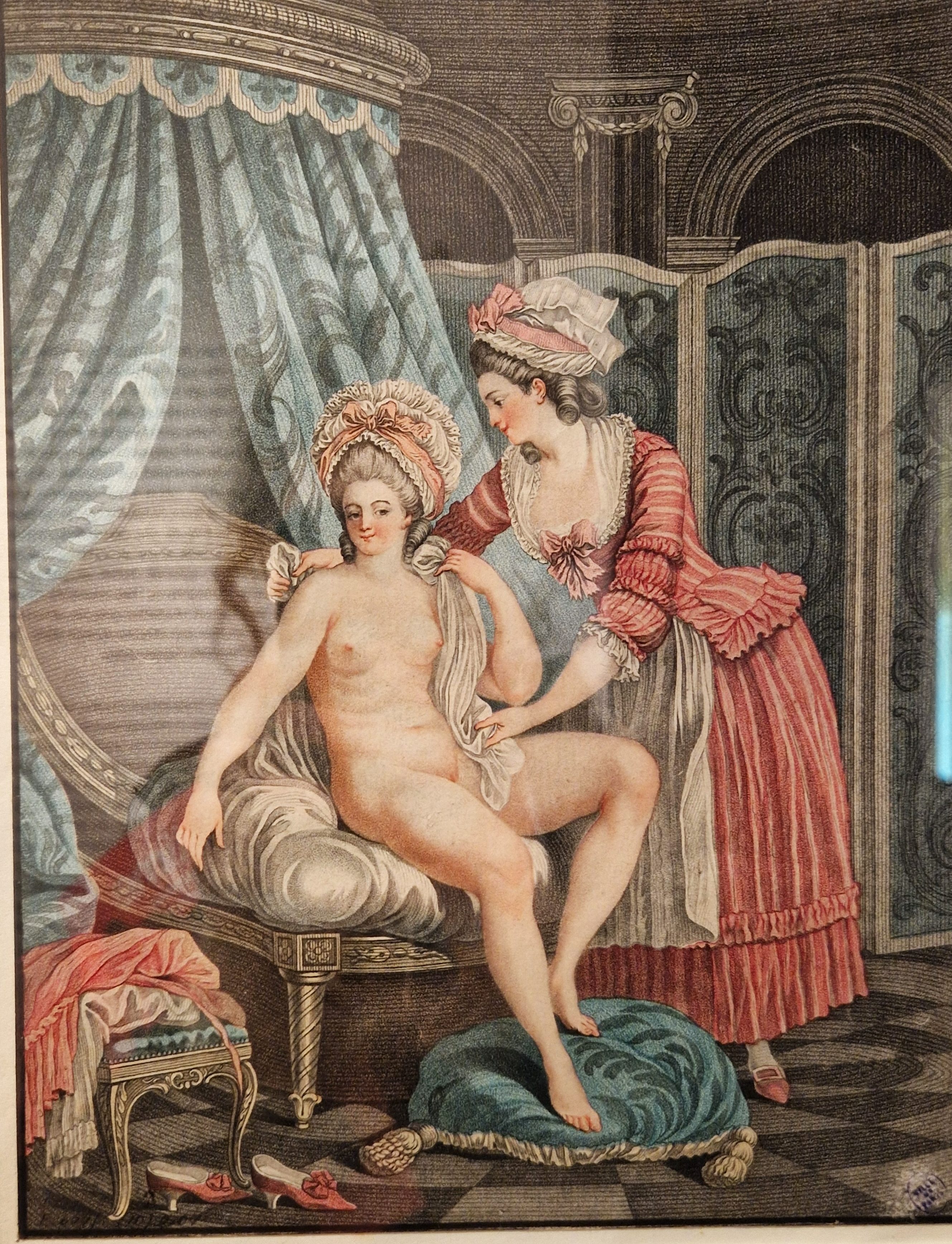
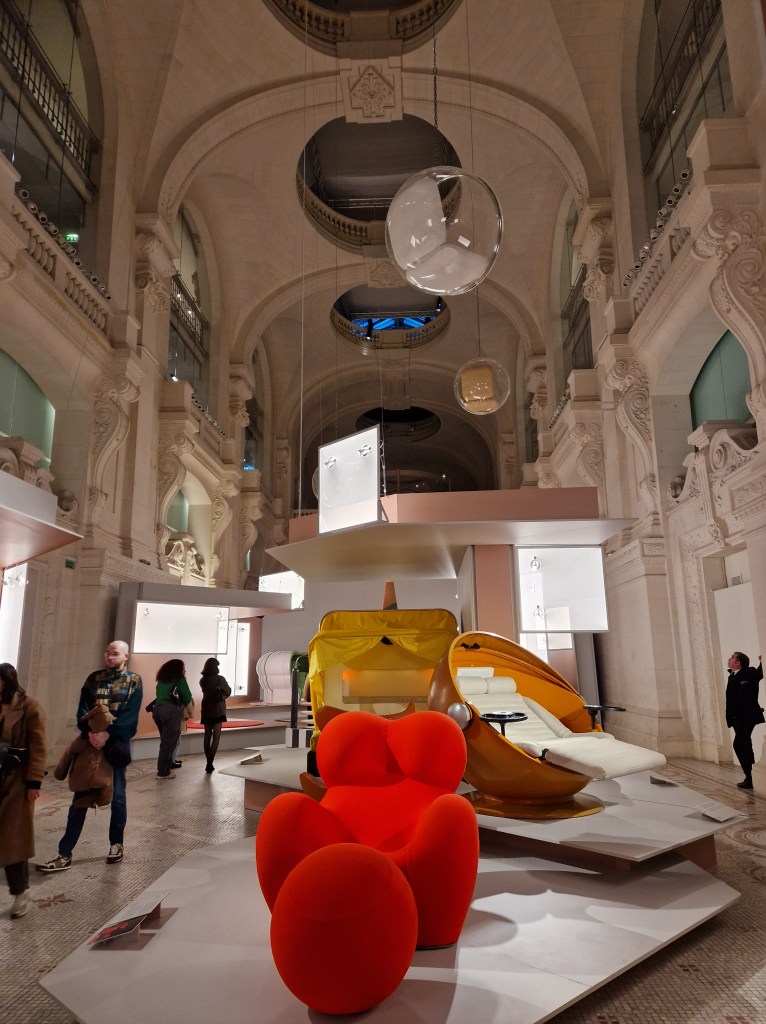
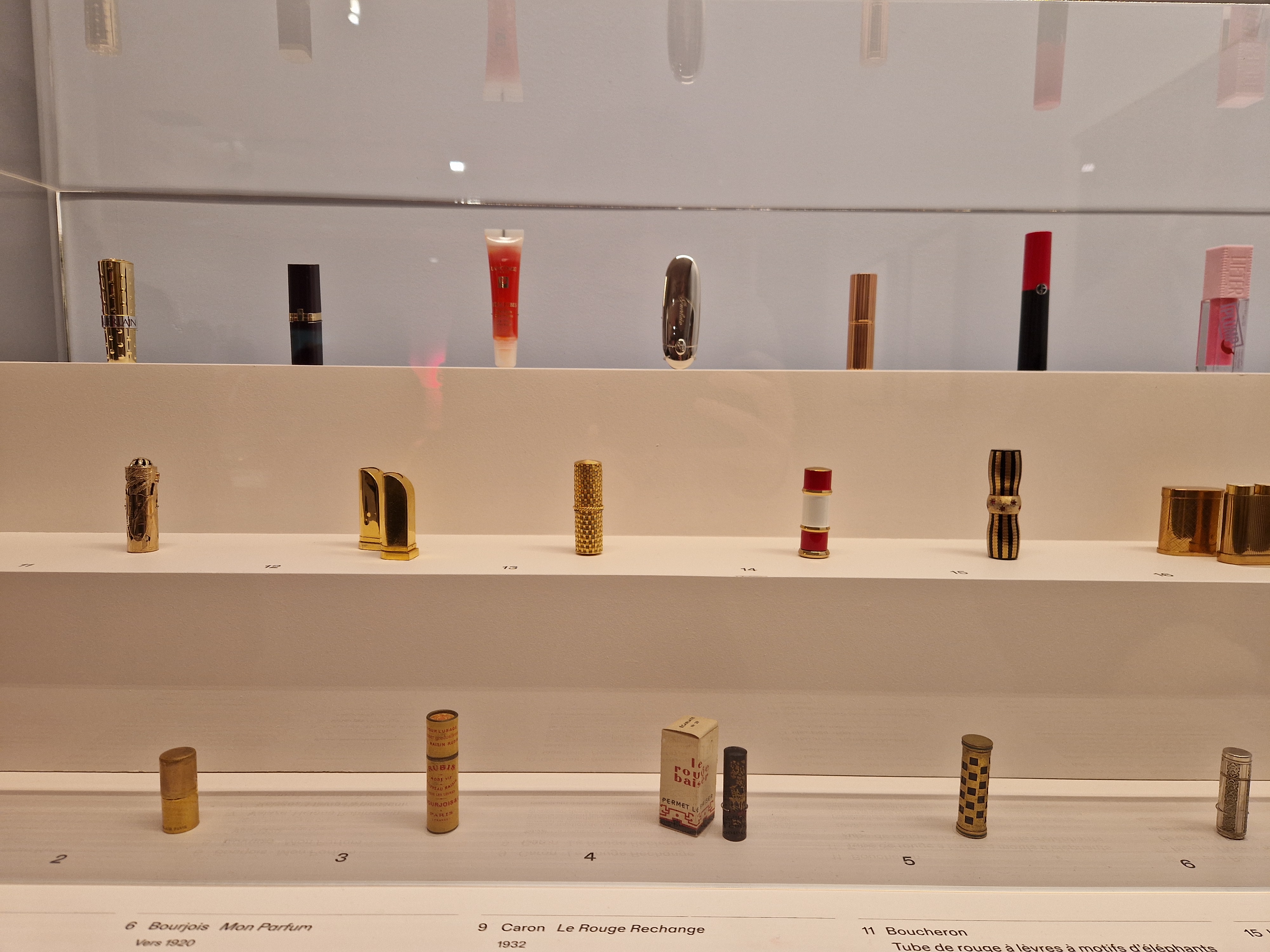
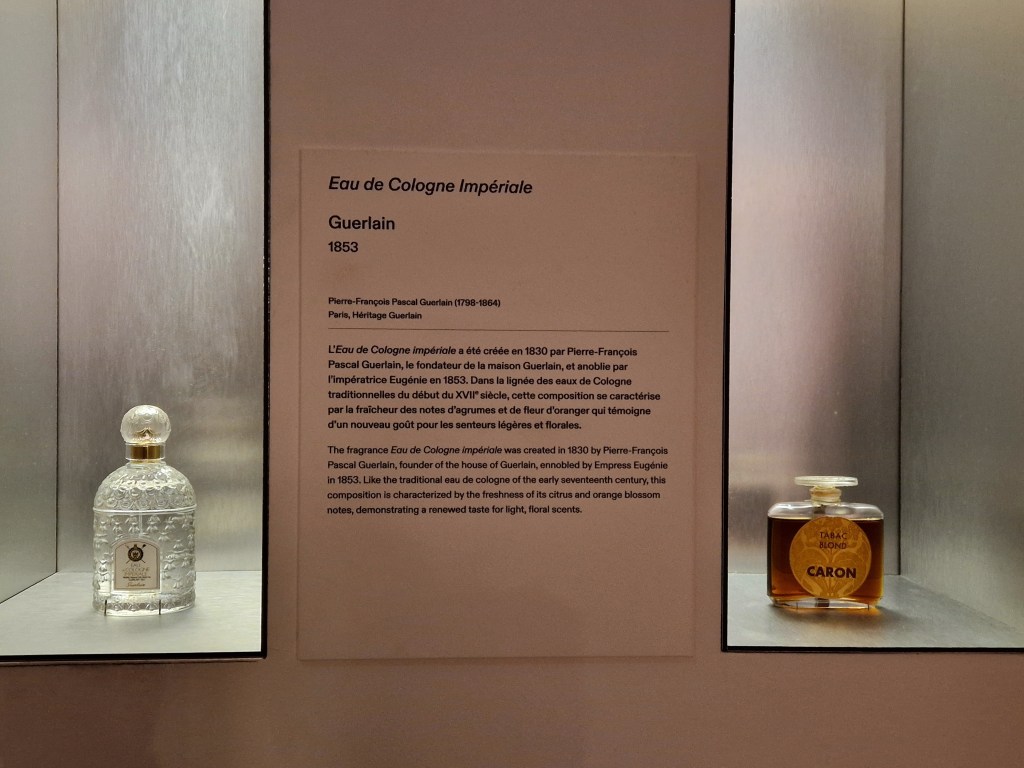
Divided into thematic sections, the exhibition guides visitors through a carefully designed scenography. Colors, wallpapers, and texts create immersive atmospheres that reflect different eras and topics. Themes of personal space and intimacy emerge throughout, illustrated by objects ranging from mirrors to smartphones, from elaborate 18th-century toilette tables to contemporary beauty cases, from the evolution of perfume bottles to the transformation of beds and sofas. One of the most engaging aspects is the direct comparison between different time periods, allowing visitors to observe how even the smallest details of everyday life have changed over time.

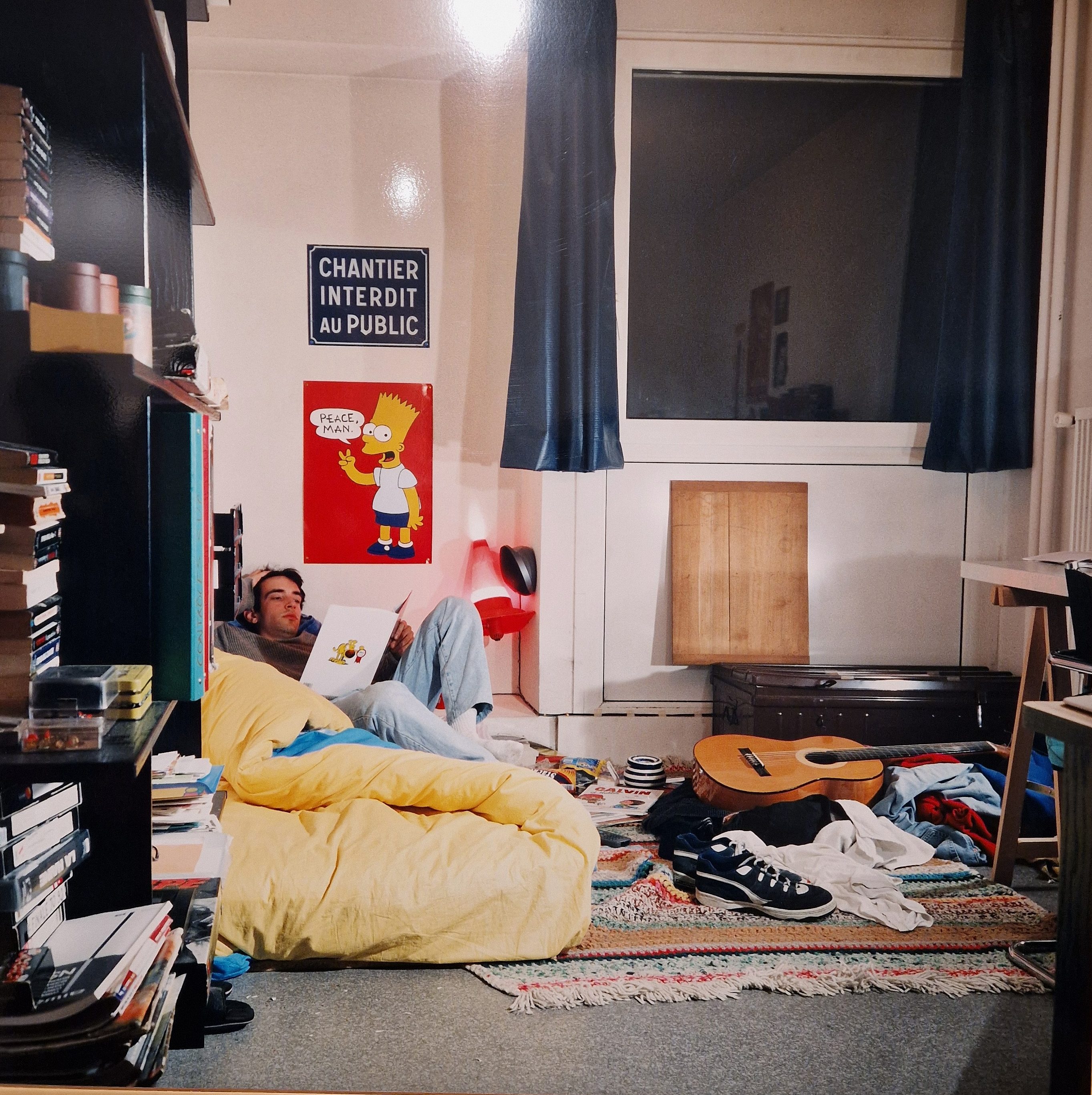
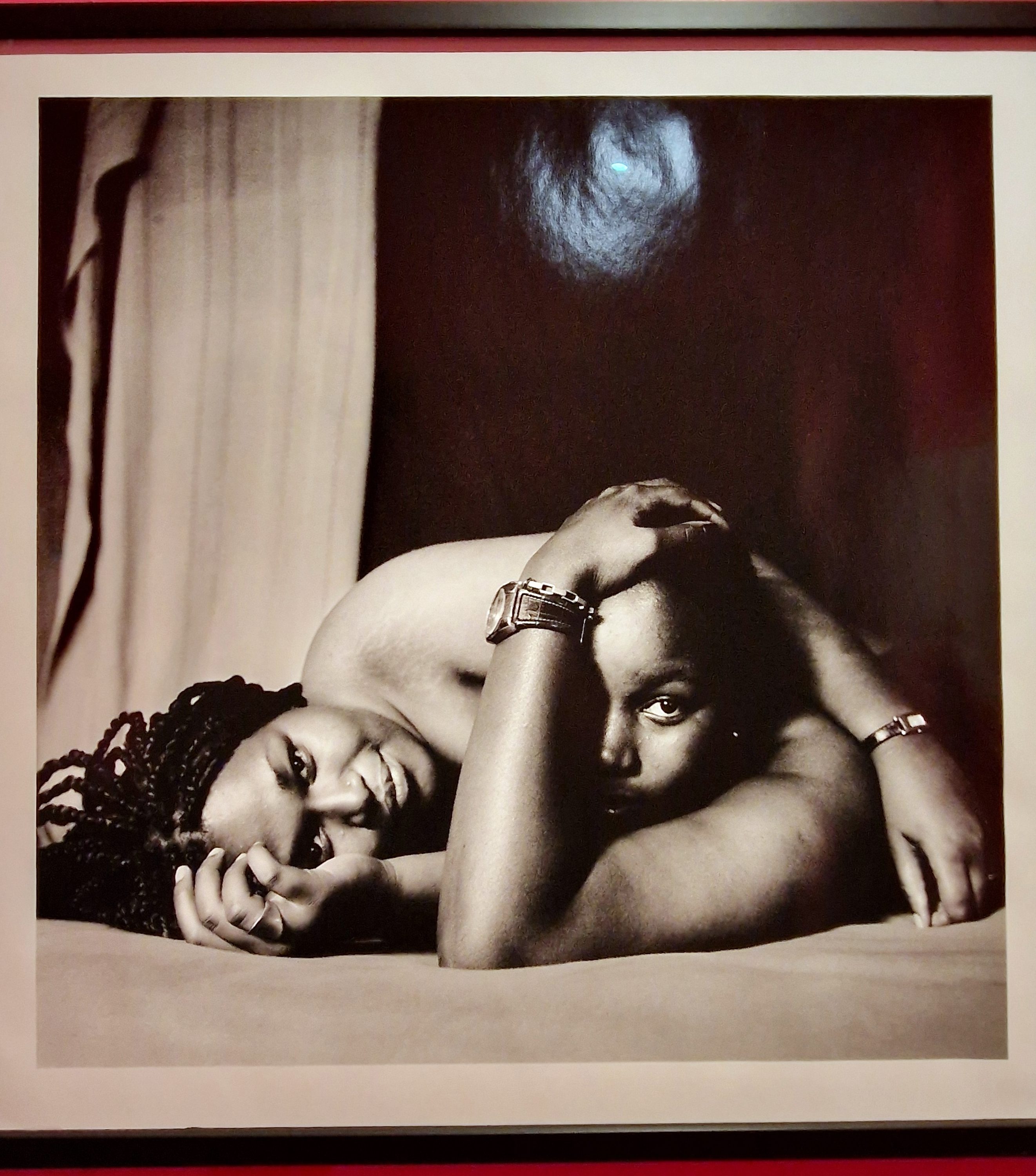
Historical anecdotes and archival materials enrich the experience, providing a deeper contextual understanding and reinforcing a historical perspective. The exhibition examines how the boundaries between private and public life have progressively blurred, especially in the contemporary era, where surveillance cameras and social media have eroded traditional notions of personal space and solitude.
Another interesting focus is the transformation of daily rituals associated with self-care and personal grooming. Archival footage illustrates how people bathed and maintained hygiene before the advent of modern bathrooms and running water. Through objects and displays, the exhibition traces how notions of modesty and propriety have shaped societal norms up to the present day. The evolution of women’s beauty rituals is particularly striking, revealing both radical shifts in design and an enduring pursuit of aesthetic refinement across centuries.
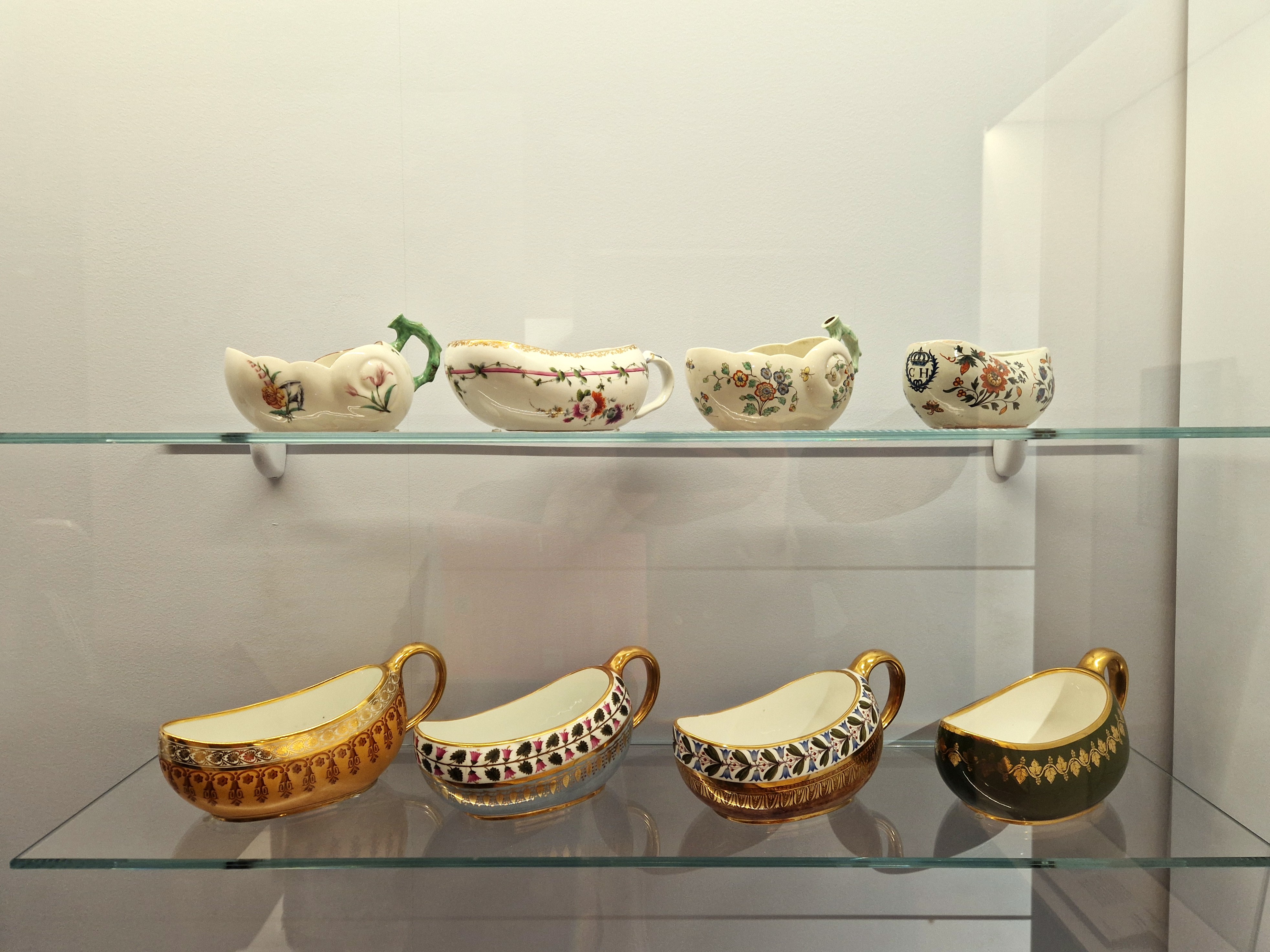
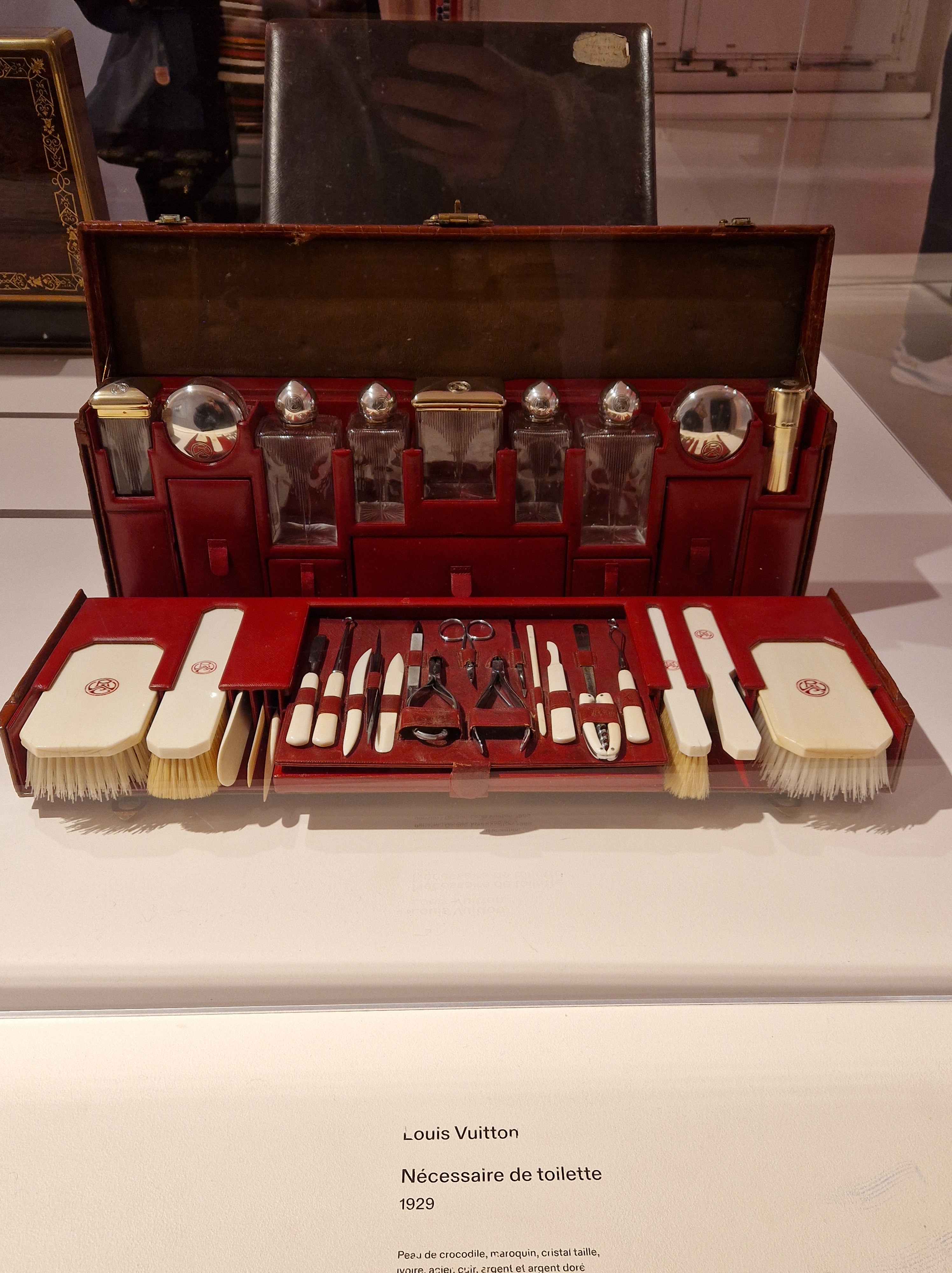
Visitors are engaged through various interactive elements: color-coded sections help delineate different themes, while sensory experiences enhance immersion, such as a corridor dedicated to the history of perfume that invites visitors to smell each scents. In the design-focused section, objects are positioned to turn around them and encourage closer inspection from multiple angles, highlighting their craftsmanship and form.

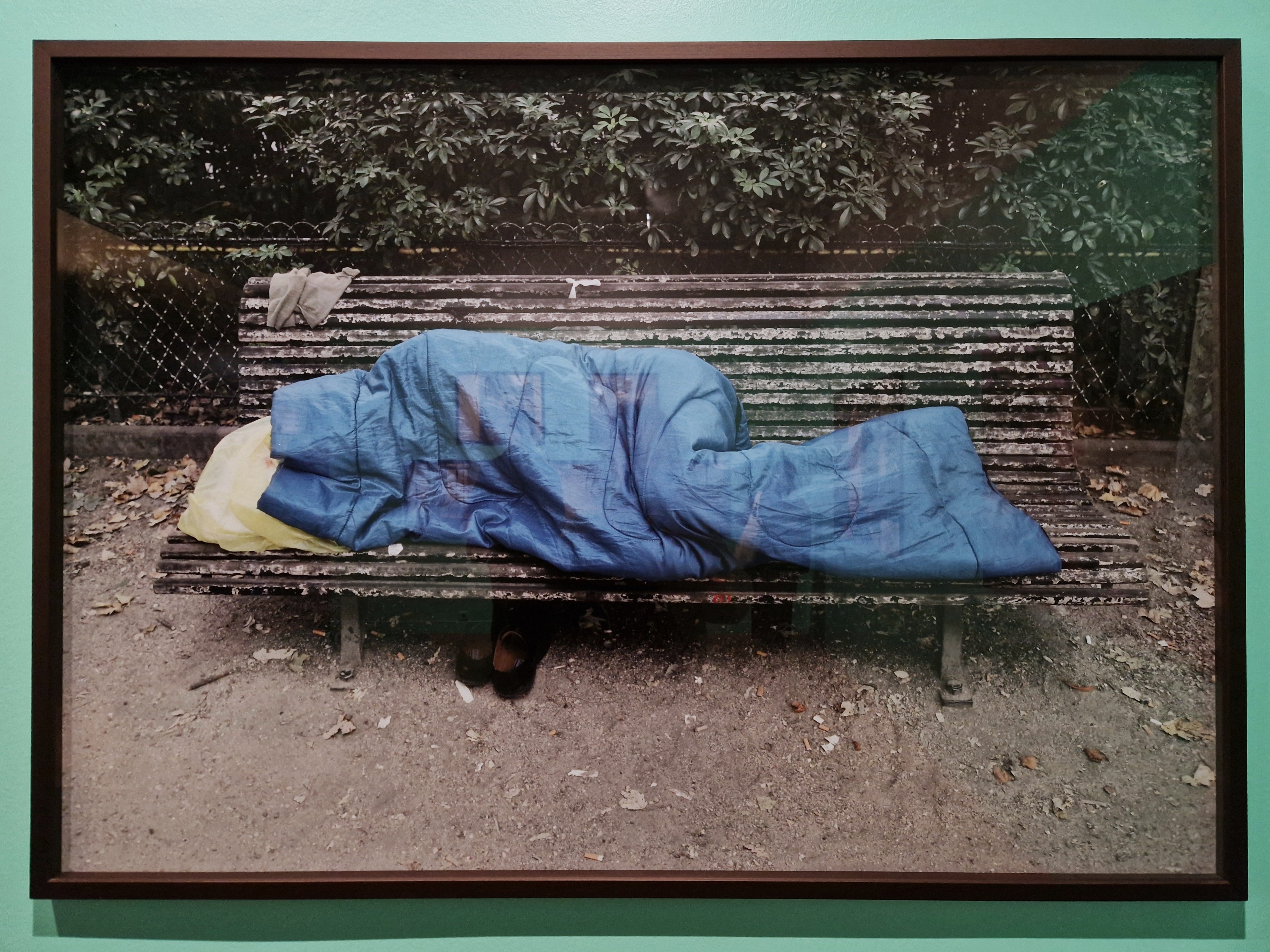
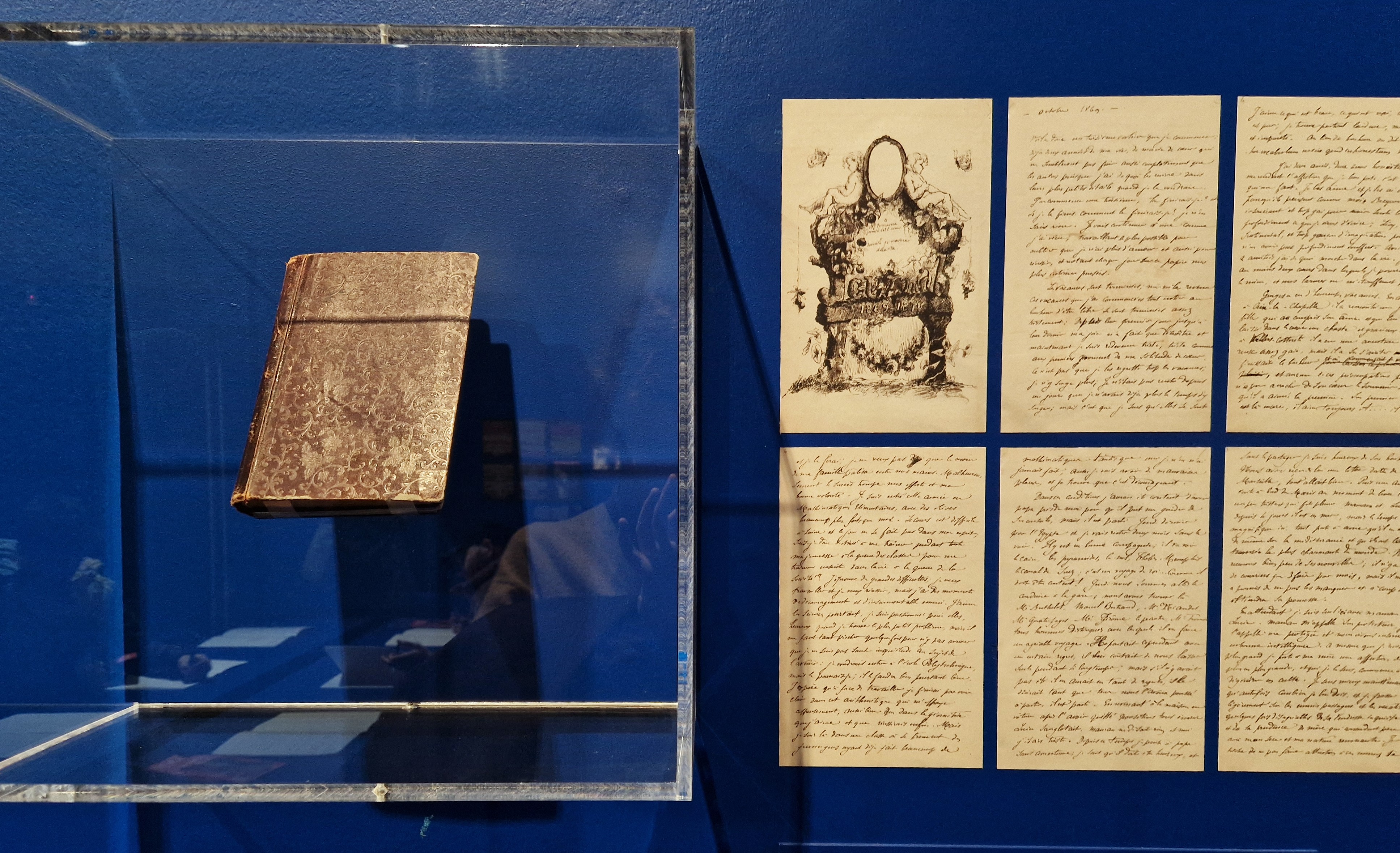
The exhibition’s concluding section adopts a more reflective and emotional tone, addressing pressing social concerns such as homelessness and the struggle to maintain personal space in precarious conditions. A final segment explores intimacy as a means of self-expression, emphasizing the significance of diaries and personal writing. Excerpts from 19th-century journals demonstrate how paper has long been a medium for capturing private thoughts, reinforcing the timeless human need for self-reflection and personal storytelling.
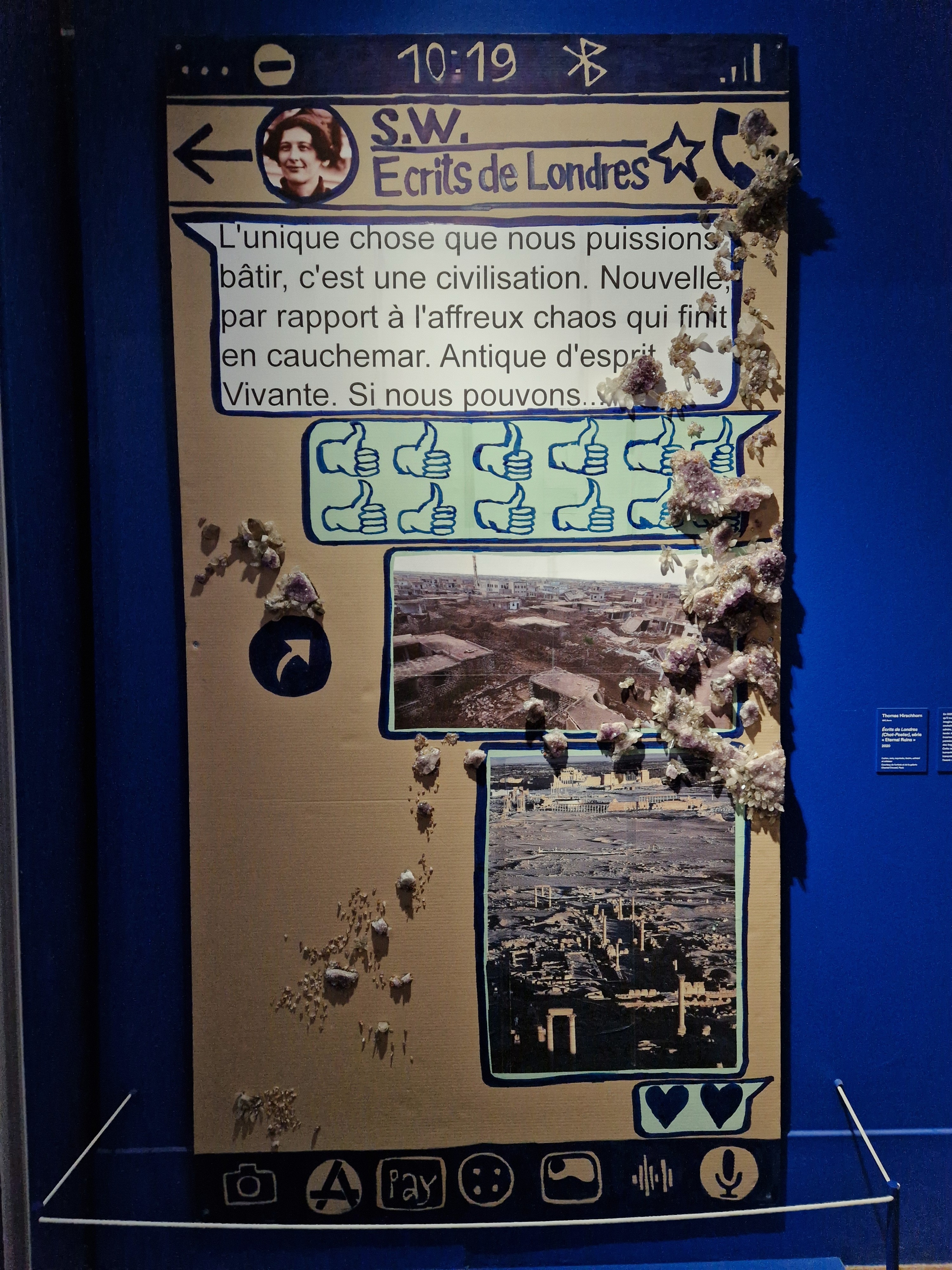
My personal highlights:
- Zanele Muholi, Apinda Mpako and Ayanda Magudulela Parktown, Johannesburg (2007)
- David Hockney, Two Boys Aged 23 or 24 (1966)
- Nan Goldin, Sans Titre (2001)
- Windows of the lipsticks
- Archizoom Associati, Canapé Safari (1968)
 MUSEmemoirs