Info:
- Dates:
- Curator: Simon Baker and Laurie Hurwitz
- Where: MEP
- Price: 13 euros / 8 reduced
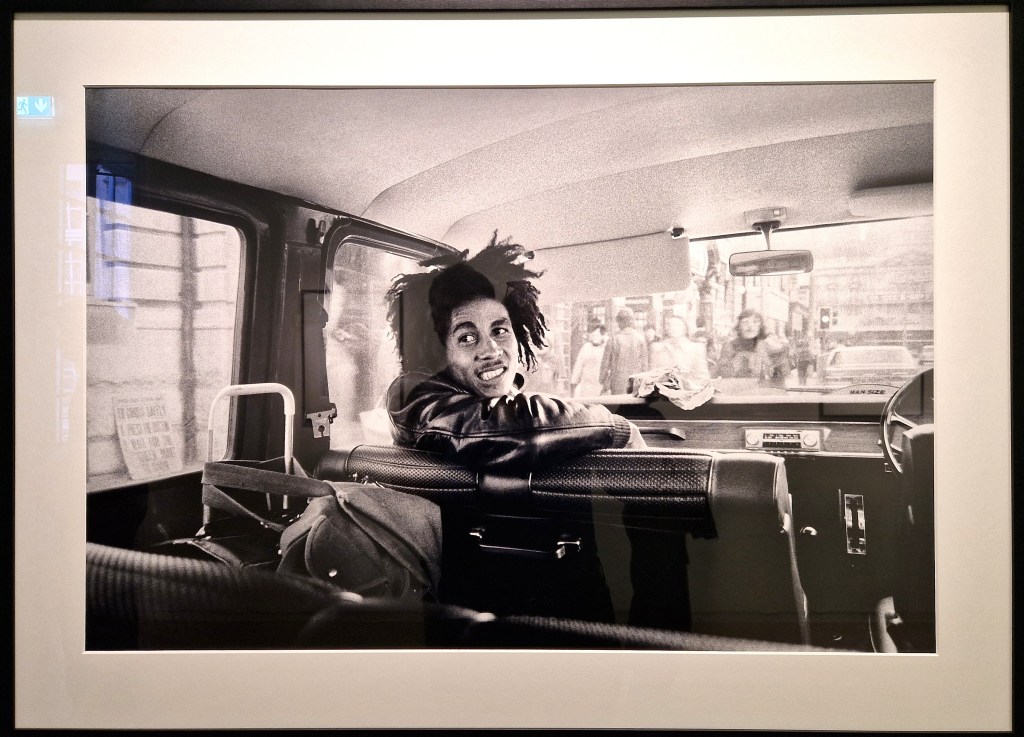
“I jumped in the back of the van. Bob just turned around and asked, ‘Are you ready, Dennis ?’ Bob asked. ‘Yeah, ready!’ I replied, clicking my camera”
-Dennis Morris
Dennis Morris, the British photographer known for capturing some of the most iconic figures of our time, is honored in this retrospective at the Maison Européenne de la Photographie. The exhibition traces his early beginnings in the northern districts of London, where he settled as part of the Caribbean immigration wave. His first subjects were the people around him—his community—resulting in images that today hold immense historical significance. But it was his encounter with Bob Marley that would change the course of his career, as well as the image of the reggae legend himself. The portraits Morris took of Marley remain some of the most widely reproduced, adorning everything from album covers to t-shirts and posters.
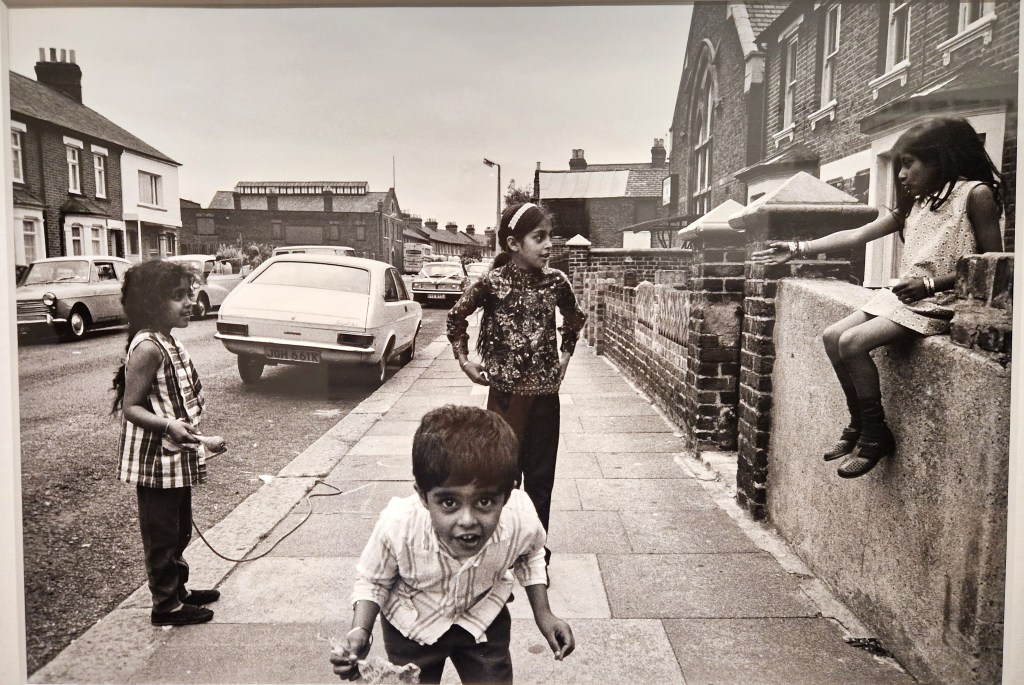
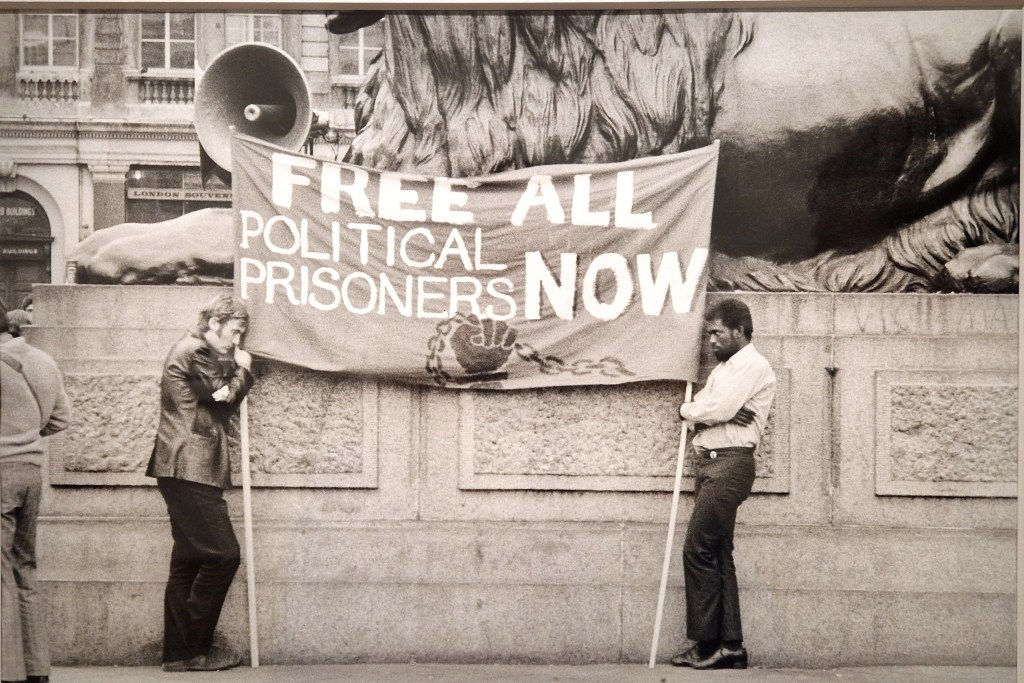
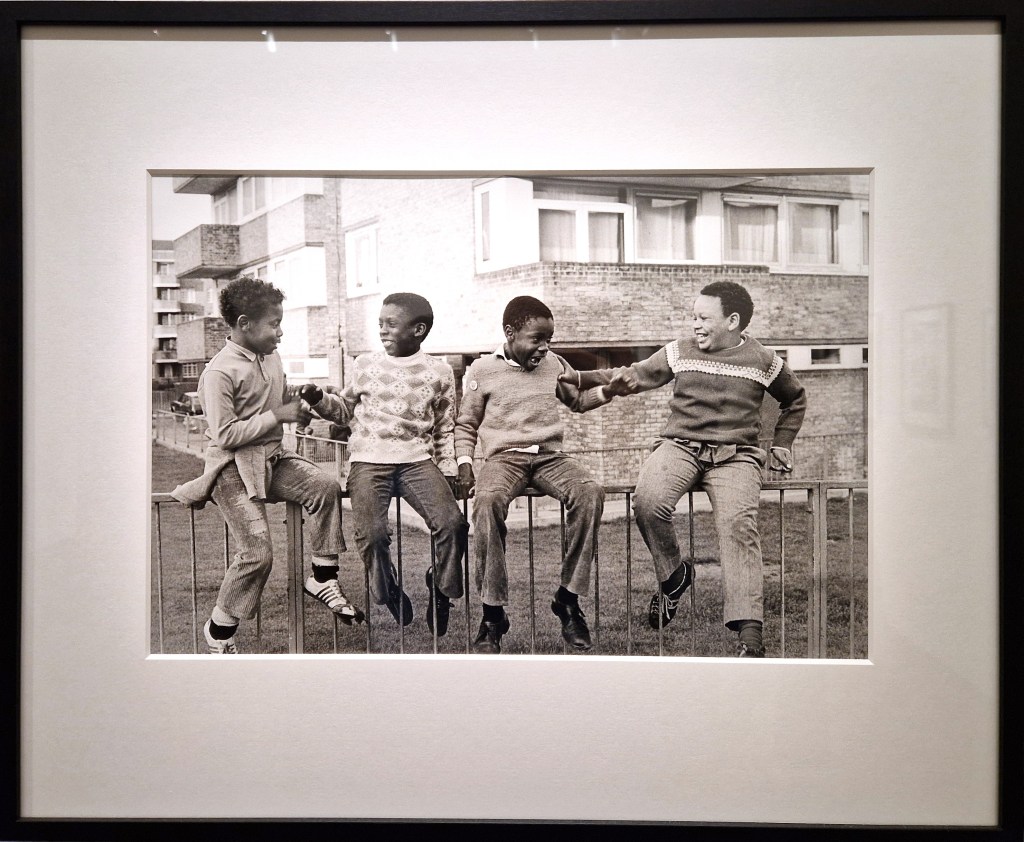
The exhibition opens with a documentary series depicting Hackney and its surrounding neighborhoods, offering a rare and intimate look at London’s Black British community in the 1970s. Morris captured moments both ordinary and powerful—people going about their daily lives, but also the challenges they faced in a society where they often remained on the margins. His photographs oscillate between militancy and warmth, shedding light on both the isolation and resilience of these communities. Even more remarkable is the fact that many of these images were taken while Morris was still a teenager, demonstrating an early and instinctive ability to document his surroundings with sensitivity and depth.
The turning point in the exhibition—and in Morris’s life—arrives in 1973 with his chance meeting with Bob Marley. Like something out of a film, the young Morris, a fan, learned of Marley’s upcoming London concert and was determined to meet him. At the time, Marley was just beginning to make a name for himself internationally. Morris waited outside the venue, camera in hand, until the singer finally appeared. They spoke, connected, and Morris asked to take a portrait. The next morning, Marley made an unexpected proposition: he invited Morris to join him and The Wailers on tour as their official photographer.
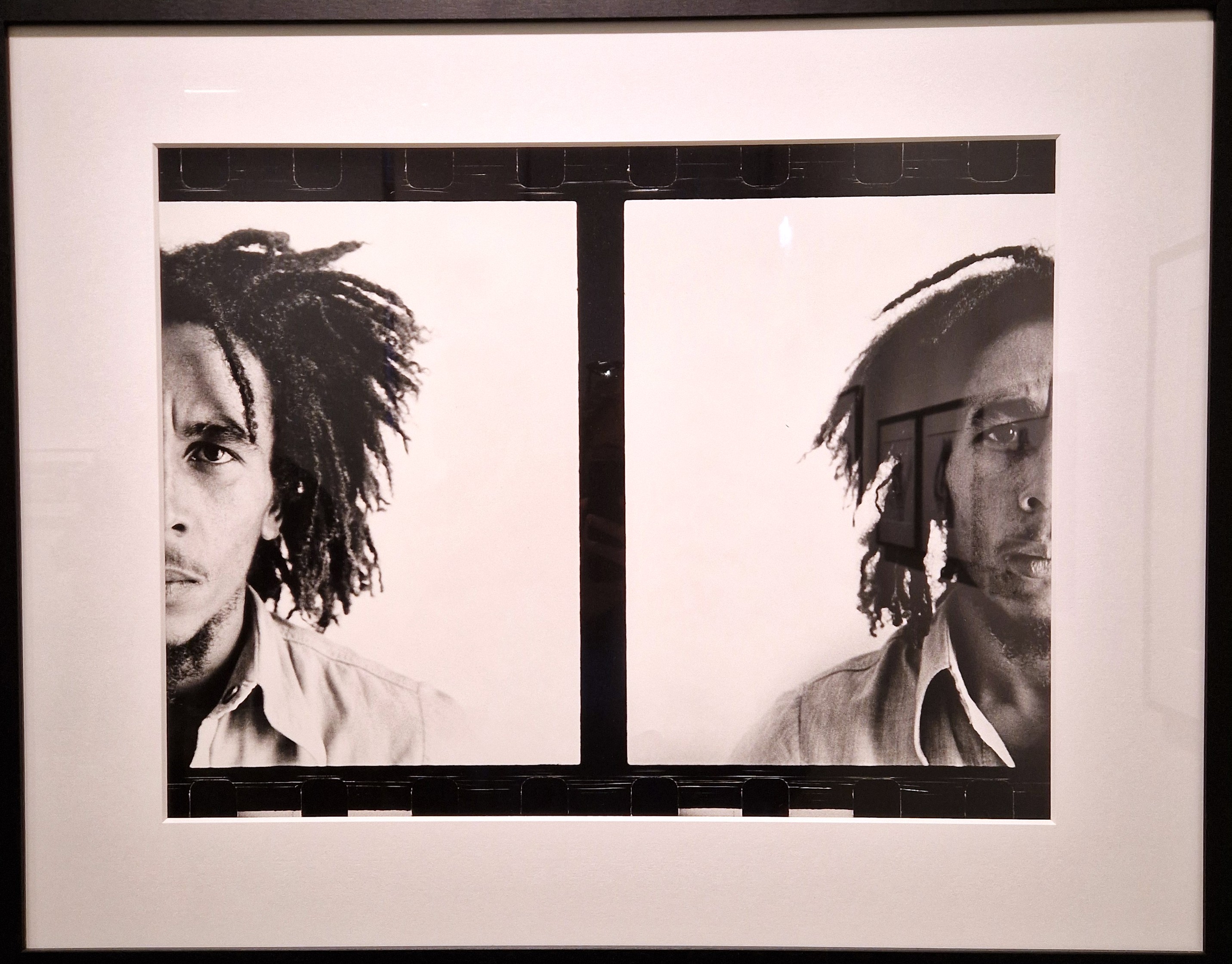
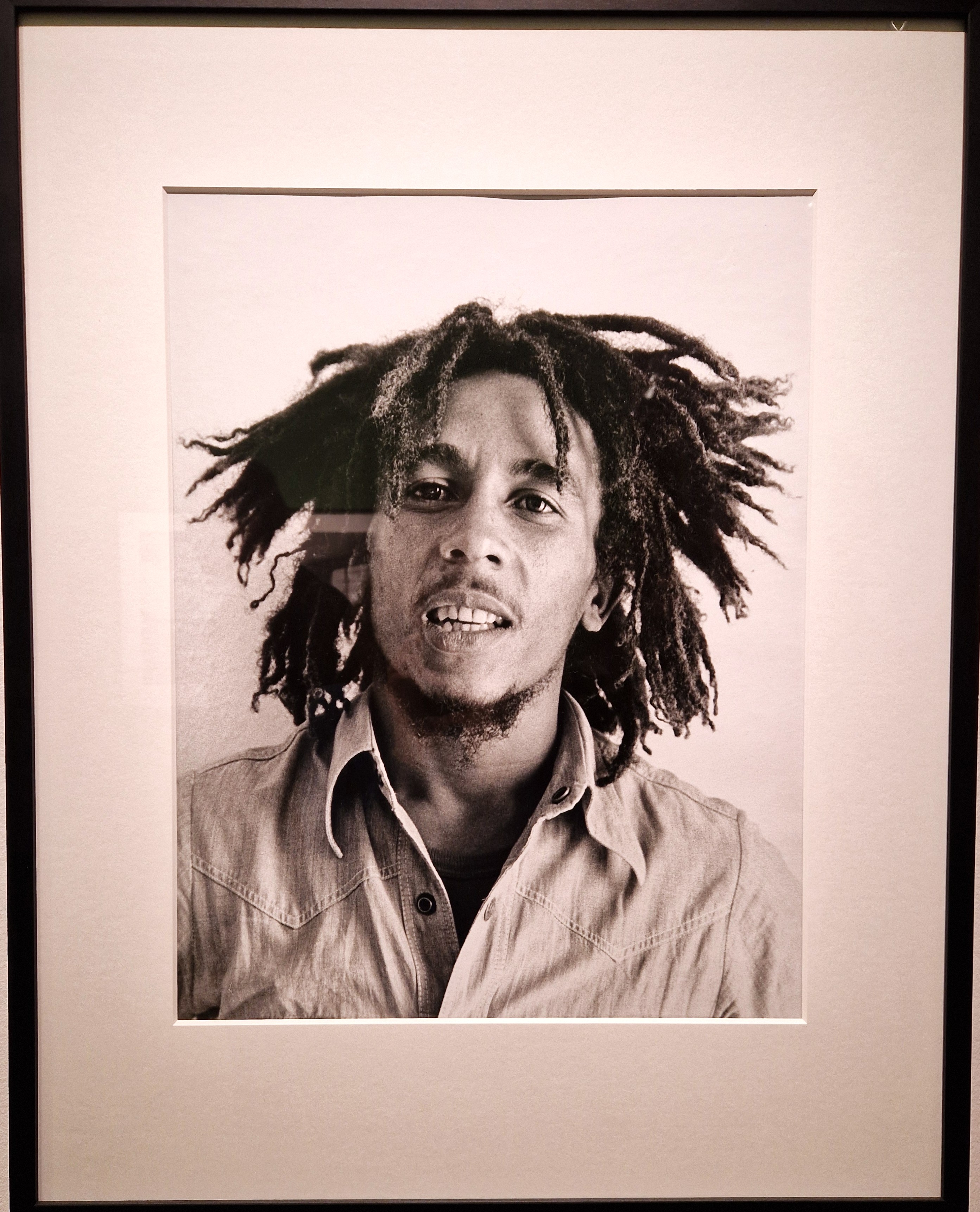
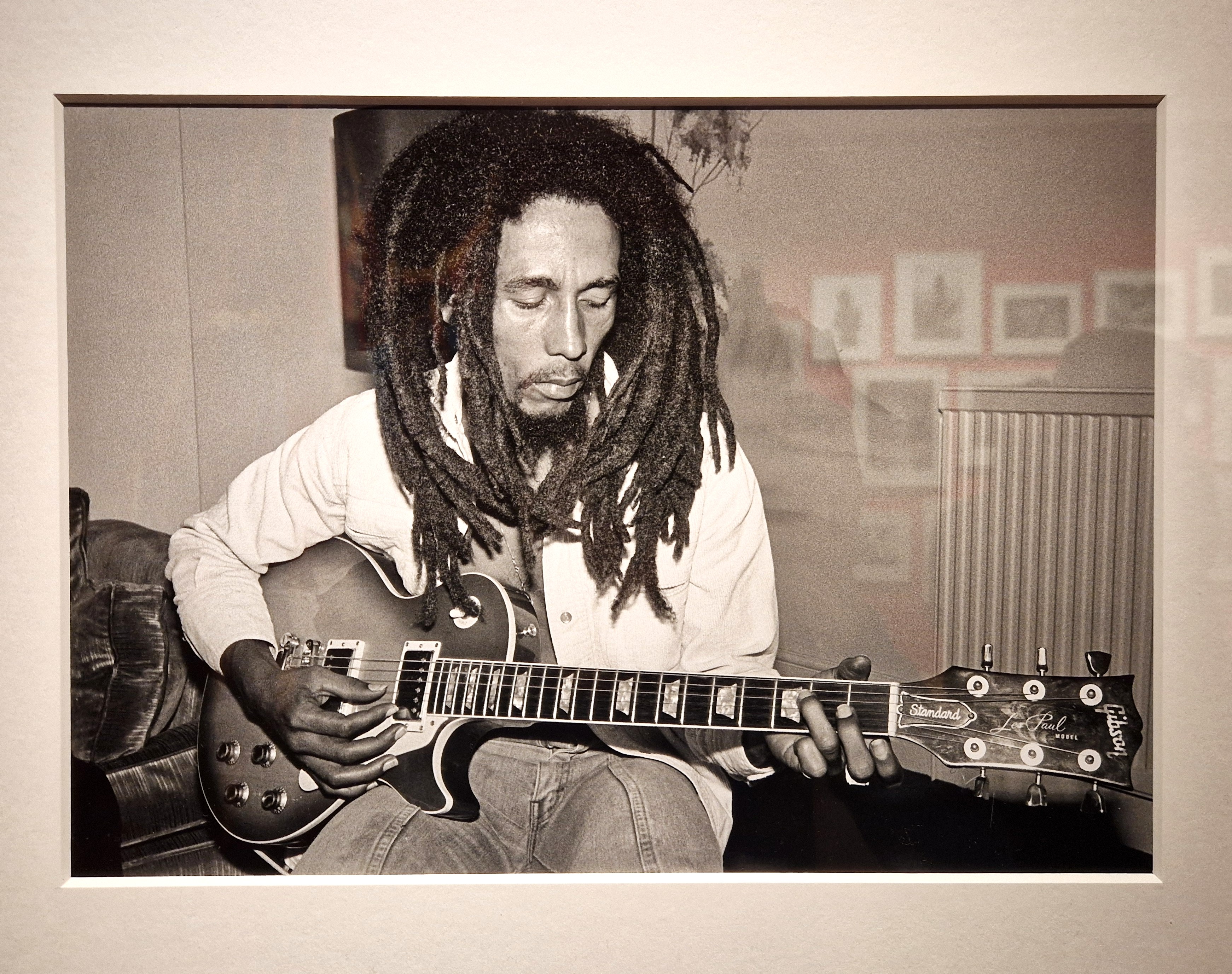
What followed was not just a working relationship but a deep friendship. This trust allowed Morris to capture Marley in moments of rare intimacy, revealing his true personality beyond the stage persona. Perhaps this is why Morris’s images of Marley feel so raw and full of life—they come from genuine connection. The two remained close until Marley’s passing in 1981. Over the years, Morris’s portraits of the reggae icon have been endlessly republished, often without his consent, appearing on magazine covers, bootleg merchandise, and official album artwork. These images shaped the public’s visual memory of Marley and continue to define his legacy today.
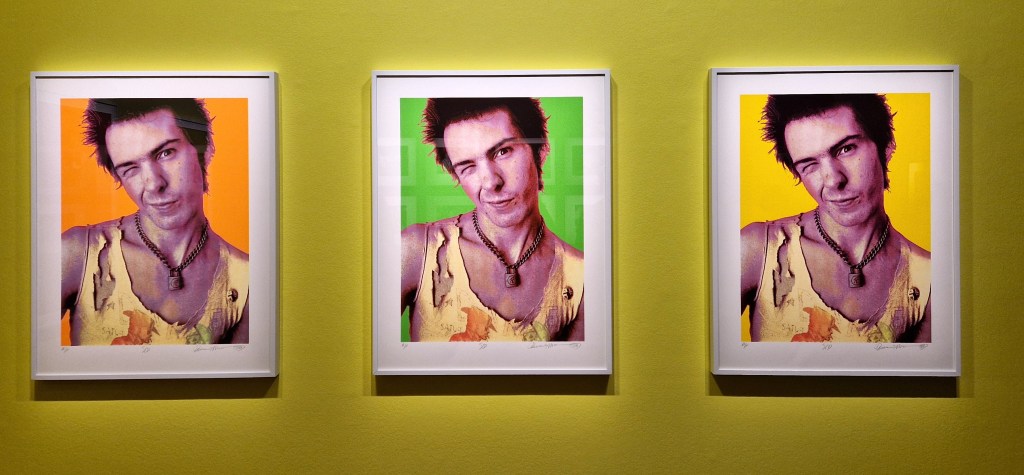
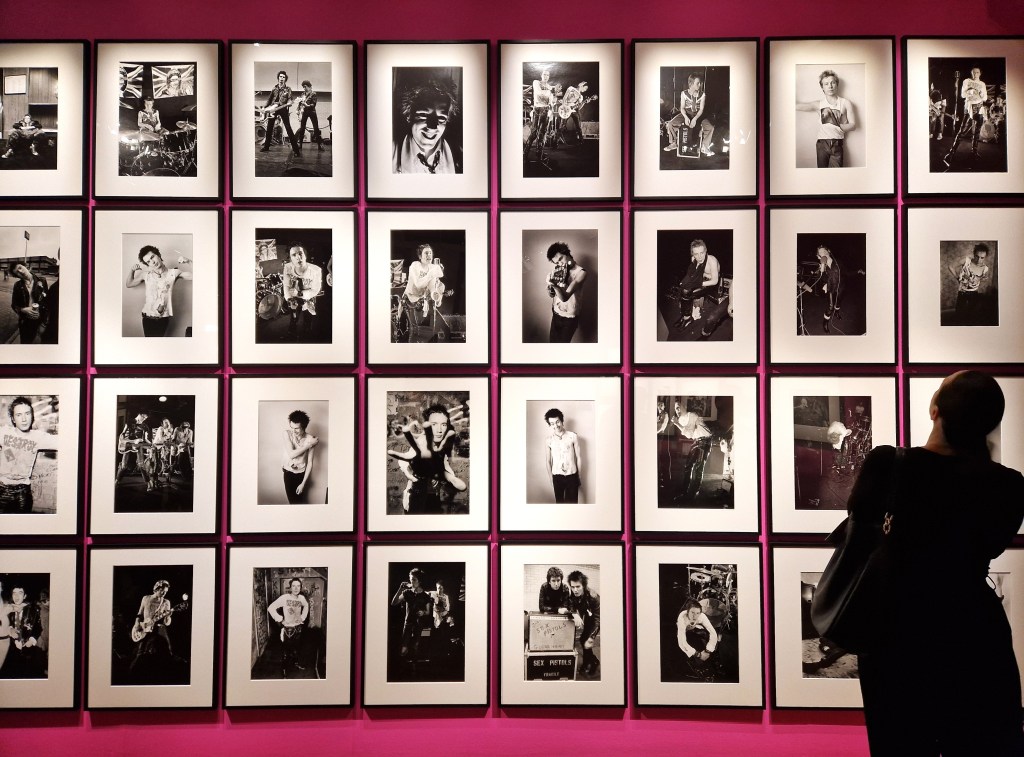
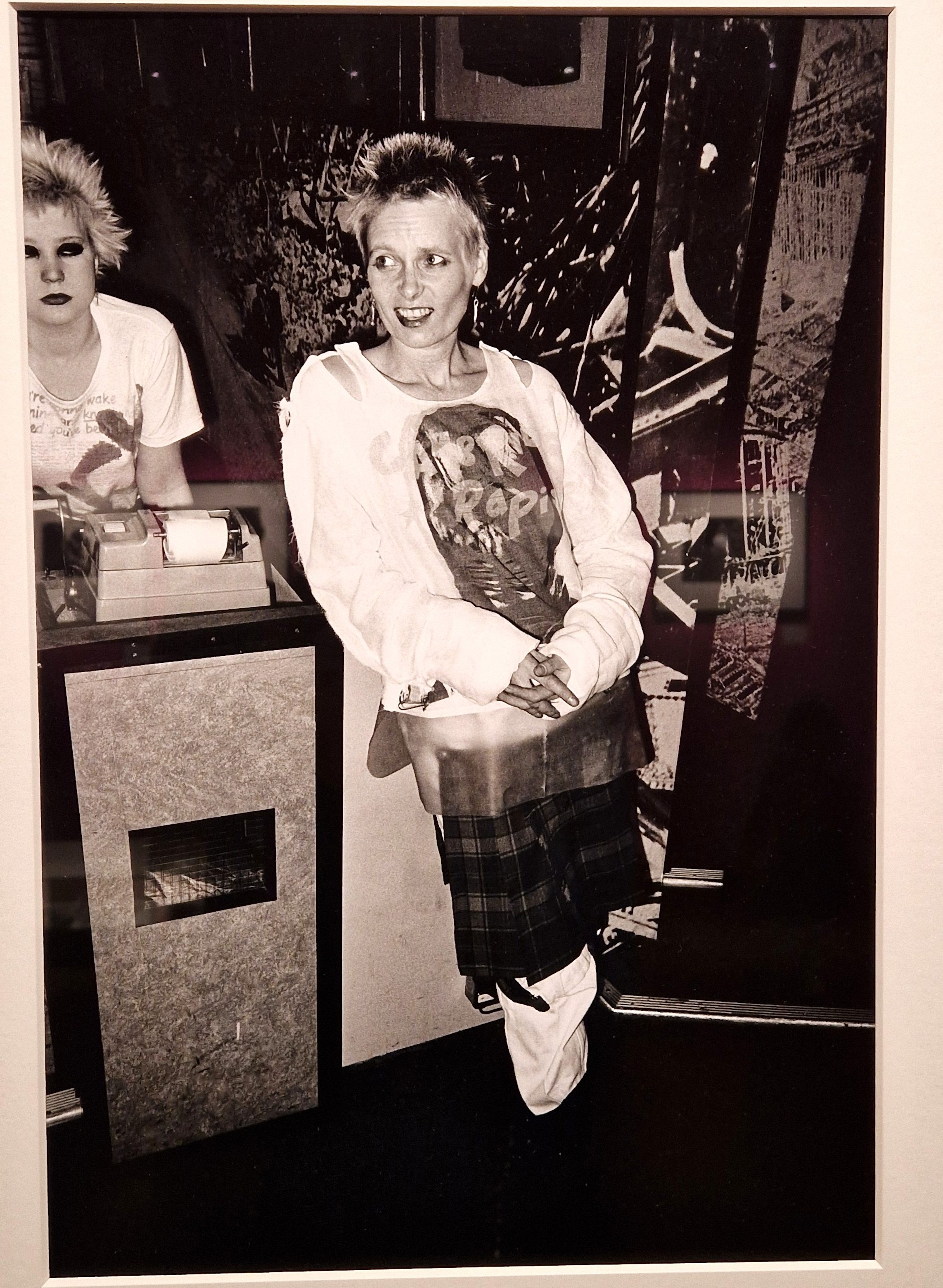
The second floor of the exhibition shifts to another groundbreaking moment in Morris’s career—his work with the punk scene. Thanks to his reputation from working with Marley, Morris quickly became a sought-after music photographer. The Sex Pistols soon approached him to shoot promotional portraits for their album. Once again, Morris formed a close bond with his subjects, capturing the raw energy of the punk movement from the inside. Among the most legendary images on display are those from the Pistols’ notorious Thames River cruise in 1977, staged as a rebellious counter-event to the Queen’s Silver Jubilee. Through his work with the Sex Pistols, Morris cemented his status as one of the most influential music photographers in Britain.

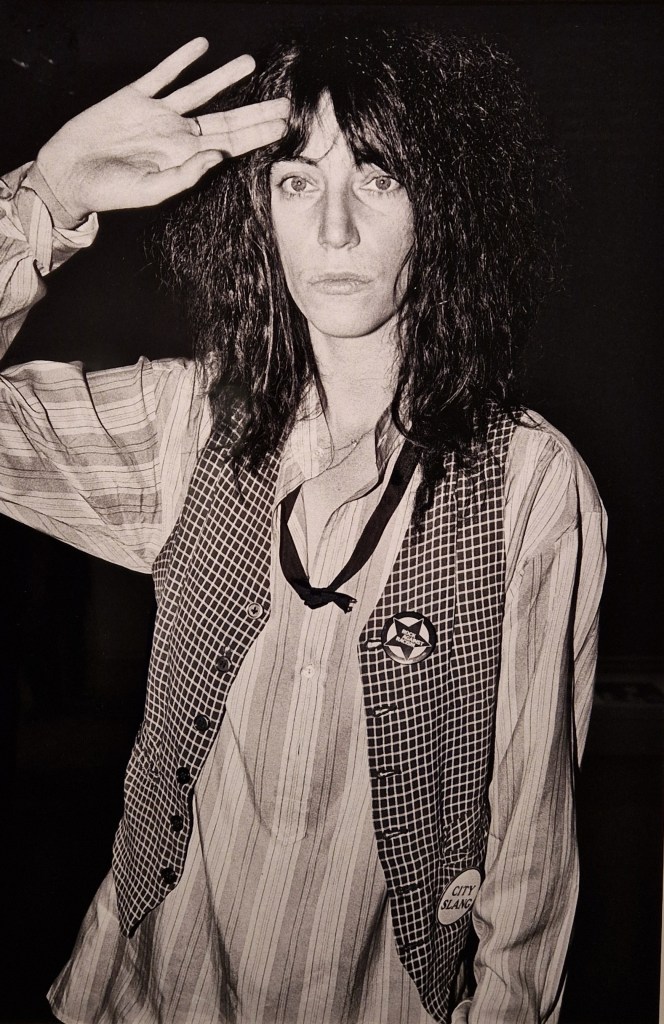
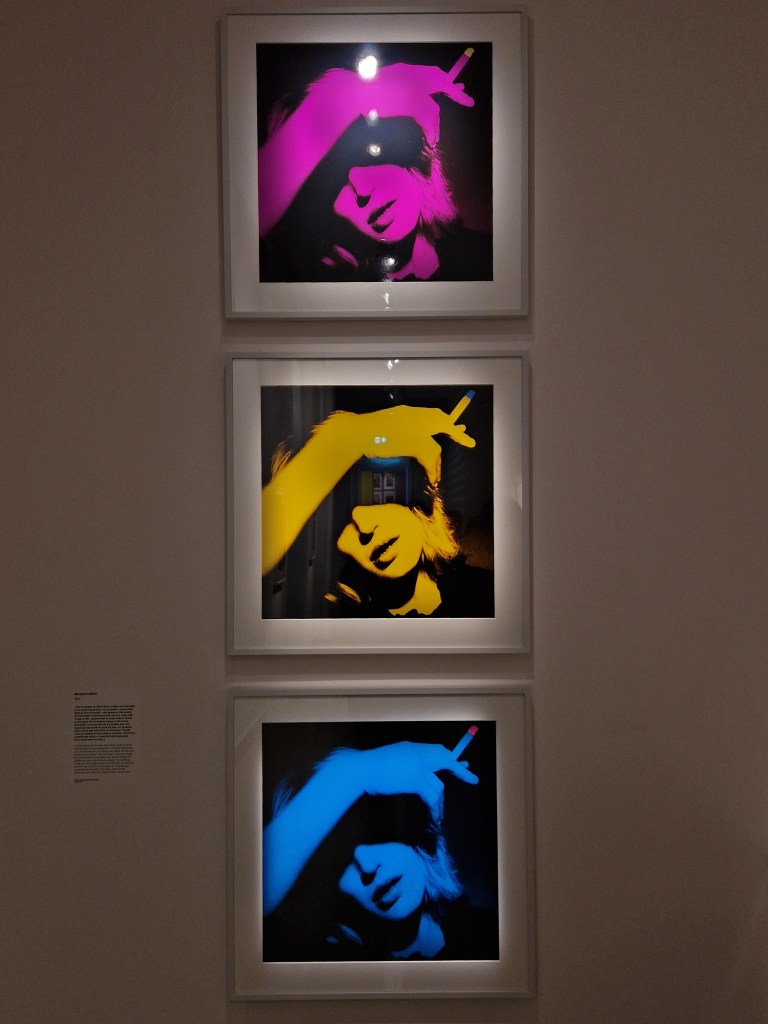
The exhibition concludes with a collection of portraits of other cultural icons, including Patti Smith and Radiohead, testifying to the breadth of Morris’s career. While much of the display follows a traditional format, the final room takes a more immersive approach. A giant stereo plays music from the artists featured in the exhibition, inviting visitors onto a dance floor surrounded by album covers, posters, and t-shirts with Morris’s most famous shots. It is a fitting tribute to a photographer whose work not only documented music history but became a part of it.
My personal highlights :
- Sid Vicious, Stockholm, Sweden, 1977
- Bob Marley’s Kings Road series, 1973
- Summer Holidays, Dalston, Hackney, London 1975
- Southall streets, 1976
 MUSEmemoirs