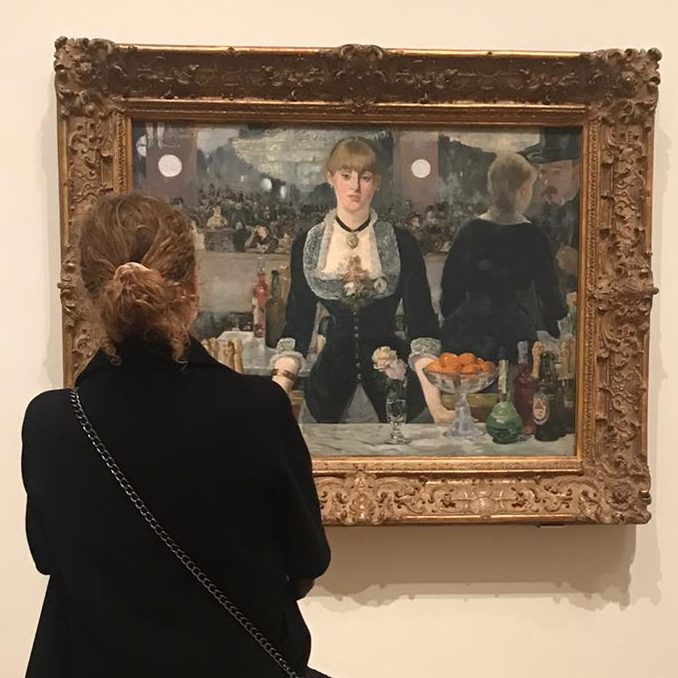

Info:
- Dates: 26.03.25 – 30.06.25
- Curator: Fondation Antoine de Galbert, Xavier Rey, Annalisa Rimmaudo
- Where: Centre Pompidou
- Price: 16 euros/ 13 euros reduced
“Énormément bizarre” (Enormously weird) couldn’t be a more fitting title for this exhibition, which presents the vast and extraordinary collection of Jean Chatelus (1939–2021). The phrase, borrowed from artist Wim Delvoye talking about this collection —himself featured in it—captures the spirit of a collection that defies categorization. The exhibition originates from a donation by the Fondation Antoine de Galbert, which received Chatelus’ legacy after his death and chose to gift the entire ensemble to the Centre Pompidou, fulfilling the collector’s wish to share his vision with the public. The collection includes 573 contemporary works—primarily sculptures, installations, and photographs—as well as 103 rare books.


What strikes the viewer immediately is the sense of overwhelming accumulation. In his Parisian apartments, Chatelus displayed his artworks without regard for chronology, style, or thematic coherence. The result was a true cabinet of curiosities of contemporary art and African sculptures, where objects hung from ceilings, clustered on floors, and covered every available surface. The exhibition reproduces this approach, creating a visual overload that encourages free associations and nonlinear viewing. The influence of surrealism is palpable—unsurprising, given Chatelus’ encounters with members of the movement after arriving in Paris.
Two of the exhibition areas—the living room and studio—have been reconstructed to replicate the exact dimensions of Chatelus’ apartment, allowing visitors to experience the density and intimacy of the original setting. The remaining spaces preserve the arrangement and spatial logic of the apartment as faithfully as possible, emphasizing the original randomness that defined his curatorial style.


The works on display are often provocative, revealing a collector unafraid to engage with difficult or taboo subjects. Sexuality, the human body, religion, and blasphemy recur throughout the show. Photographs of body-centered performance art—by artists such as Gina Pane or Hermann Nitsch—highlight a fascination with the limits of the body and the unsettling. Starting in the 1960s, Chatelus championed artists who tackled uncomfortable truths and rarely found institutional support at the time. In that sense, the Centre Pompidou’s challenge lies not only in showcasing these works, but also in maintaining their capacity to disturb and provoke reflection.
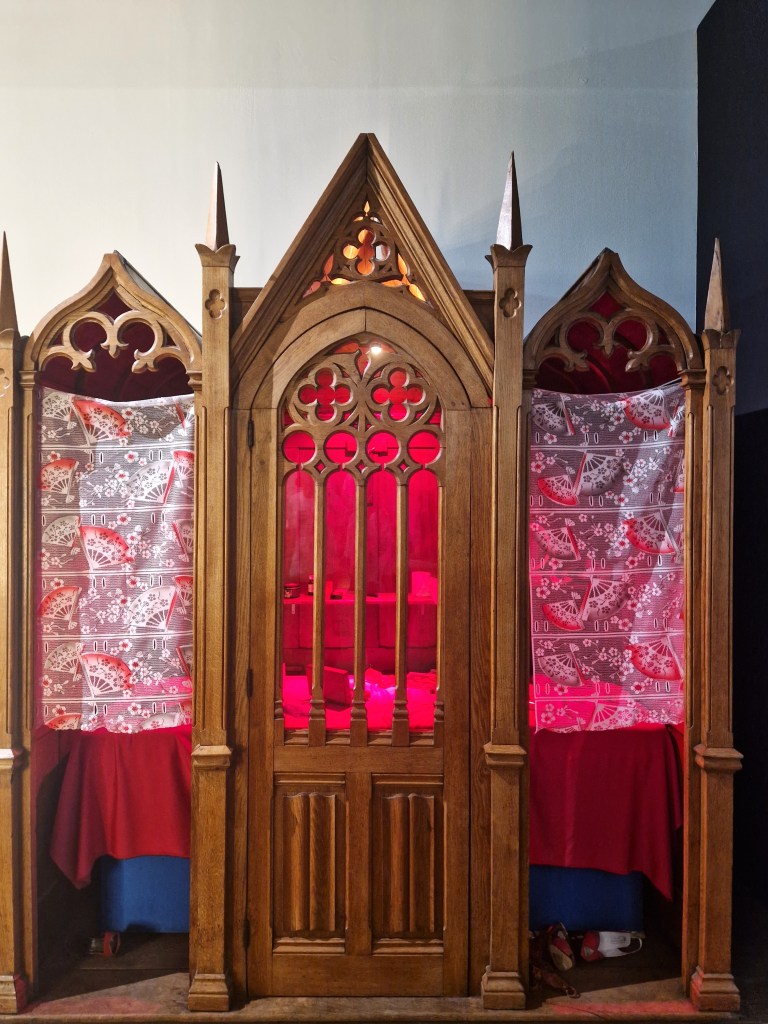
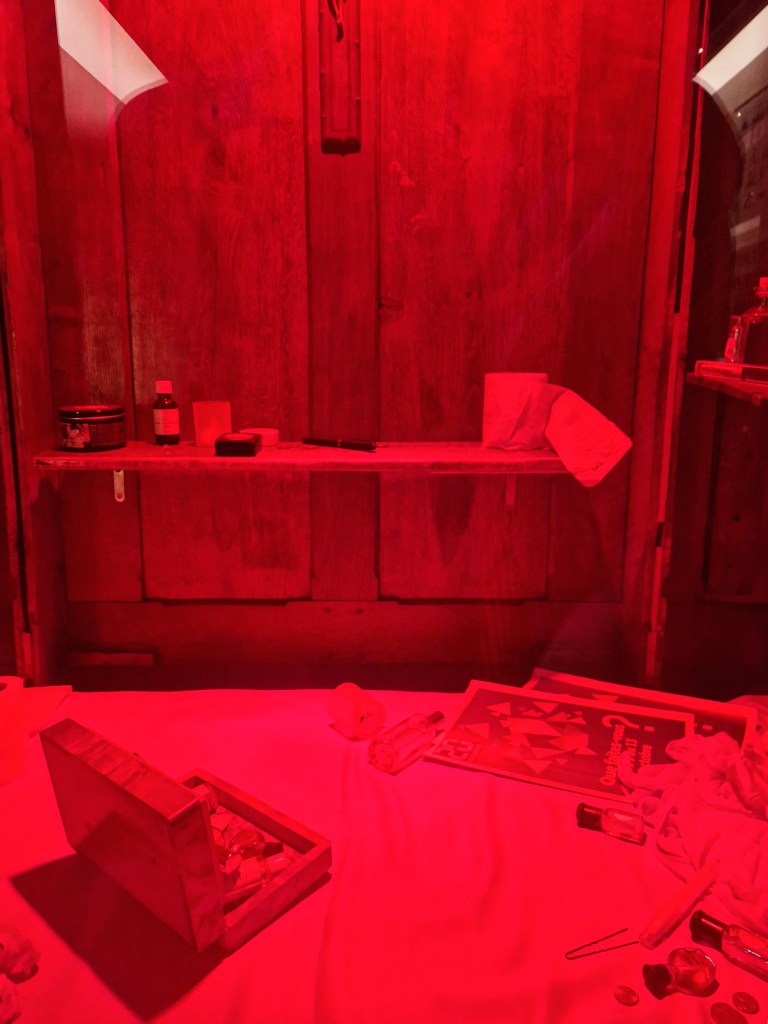
What makes this collection even more intriguing is how little we know about Jean Chatelus himself. He had no known family, and left behind few personal traces. It seems he preferred to let the artworks speak for him. He hosted intimate dinners in his home, where guests gathered around a small table surrounded by art of all kinds. Even in death, his anonymity persists—his apartment contained no documents or memorabilia from his past. Only the art remains, speaking volumes about a man who built a world of his own, and invited others to get lost in it.


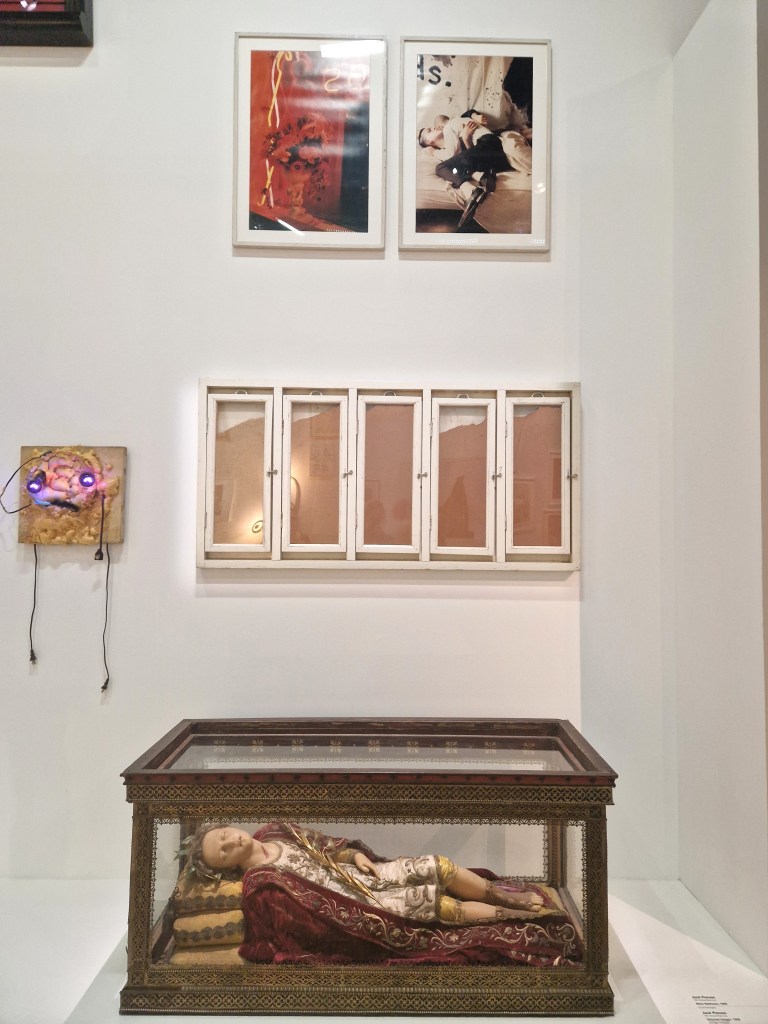
Dieter Roth, Gewürzkasten (1971),
Châsse de Sainte Philomène (vers 1860)
The exhibition concludes with a 40-minute documentary that weaves together archival footage of Jean Chatelus in his apartment with interviews from the exhibition’s curators and other professionals involved in unveiling and rediscovering the collection in his apartments after his death. This film significantly enriches the experience, offering a behind-the-scenes look at the collector’s private world. By situating the works within the context of Chatelus’ original domestic setting, the video gives deeper meaning to the objects on display and allows visitors to better understand the environment in which they were once lived with—rather than merely shown.
My personal highlights:
- Li Wei, Confessionnal, 2013
- Edward Kienholz & Nancy Reddin Kienholz, The Rhine Maidens, 1977
- Gina Pane, Action Transfert, 1973
- Elmgreen & Dragset, Paravent, 2009
 MUSEmemoirs