Nothing could have prepared us − Everything could have prepared us
Info:
- Dates: 13.06.25 – 22.09.25
- Curators: Florian Ebner, Olga Frydryszak-Rétat, Matthias Pfaller and Wolfgang Tillmans
- Where: Centre Pompidou – BPI
- Price: 17 euros / 14 euros reduced
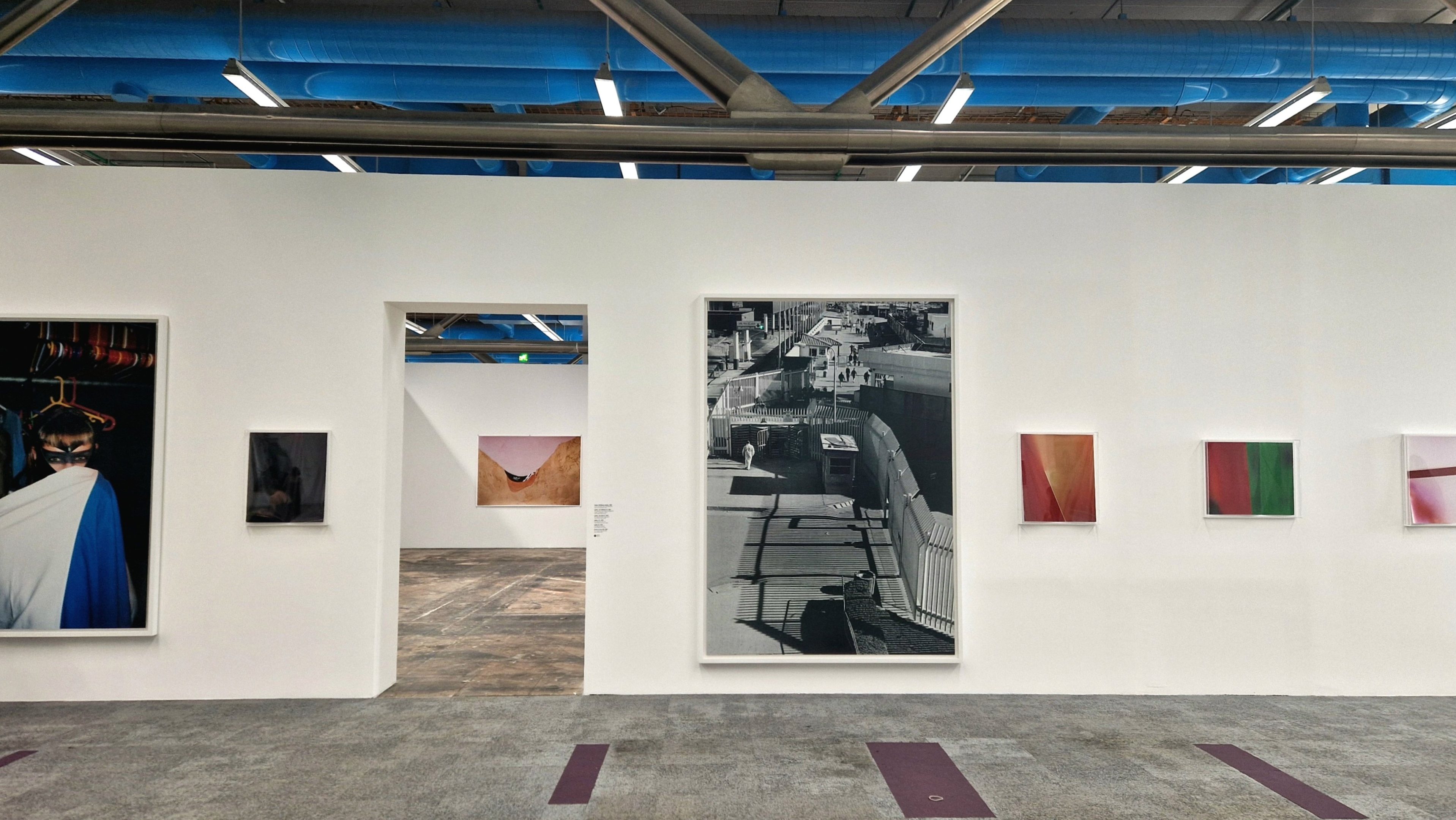
Invited by the Centre Pompidou with an absolut carte blanche to reinvent the emptied spaces of the BPI, the museum’s historic library, Wolfgang Tillmans delivers an exhibition unlike any other. From the moment the visitor enters, it becomes clear that this is not a conventional display: every element has been conceived to pay homage to the place itself while immersing us in the artist’s universe. It also carries a symbolic weight, marking the final exhibition before the museum’s five-year closure for renovation, a last farewell to a space deeply inscribed in collective memory.
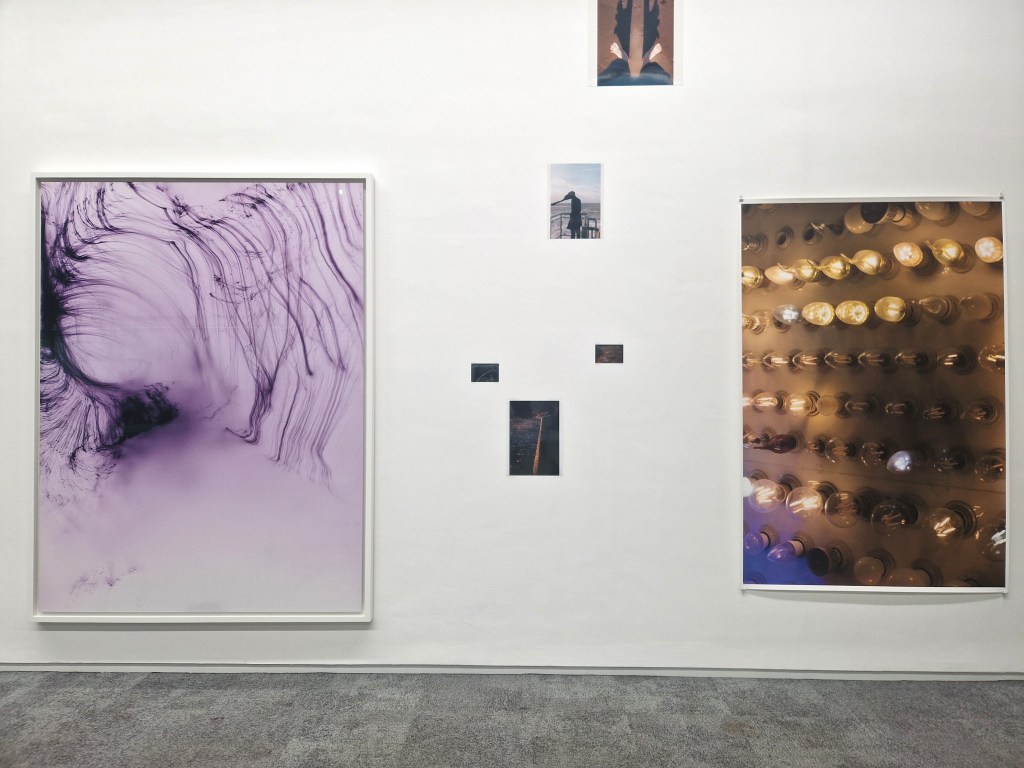

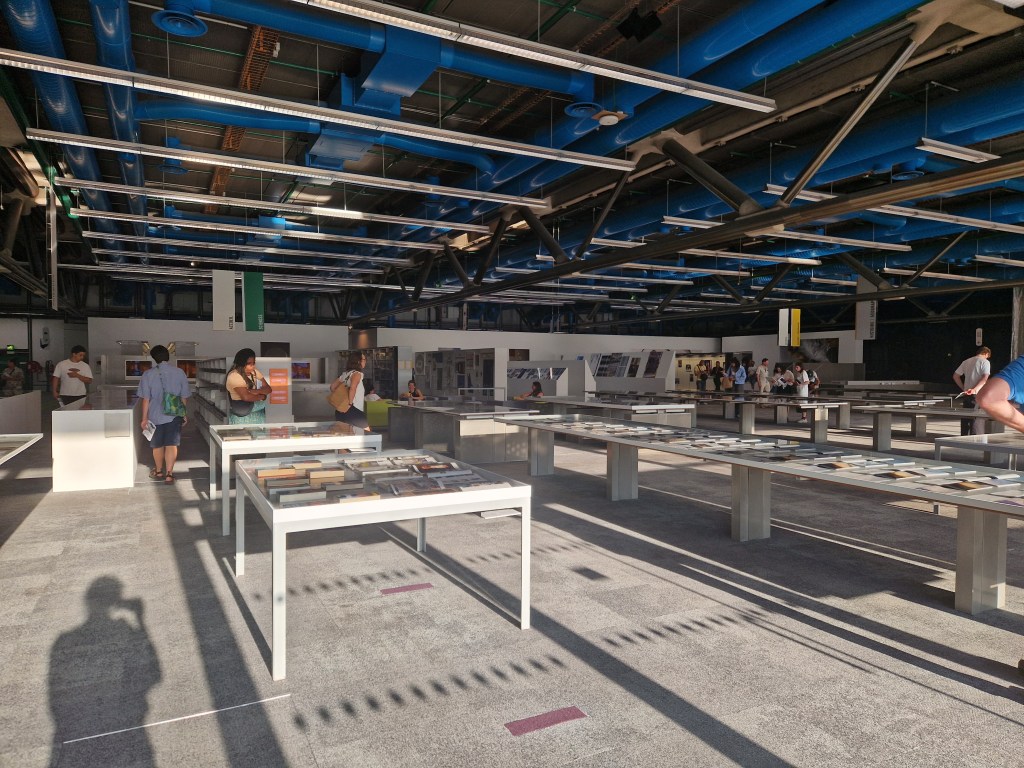
Walking through the vast, emptied library feels both unreal and unsettling, especially for the many students and researchers who once came here to read, study, and deepen their knowledge through the Pompidou’s extensive book collection. Now, every wall and surface has been reimagined by Tillmans, who surrounds the visitor through a series of thematic constellations. Spanning more than 35 years of practice, the exhibition moves fluidly across photography, installation, and video. Rooted in the documentation of the present, it also functions as an archive of recent history, tracing parallels between past and present with striking lucidity.
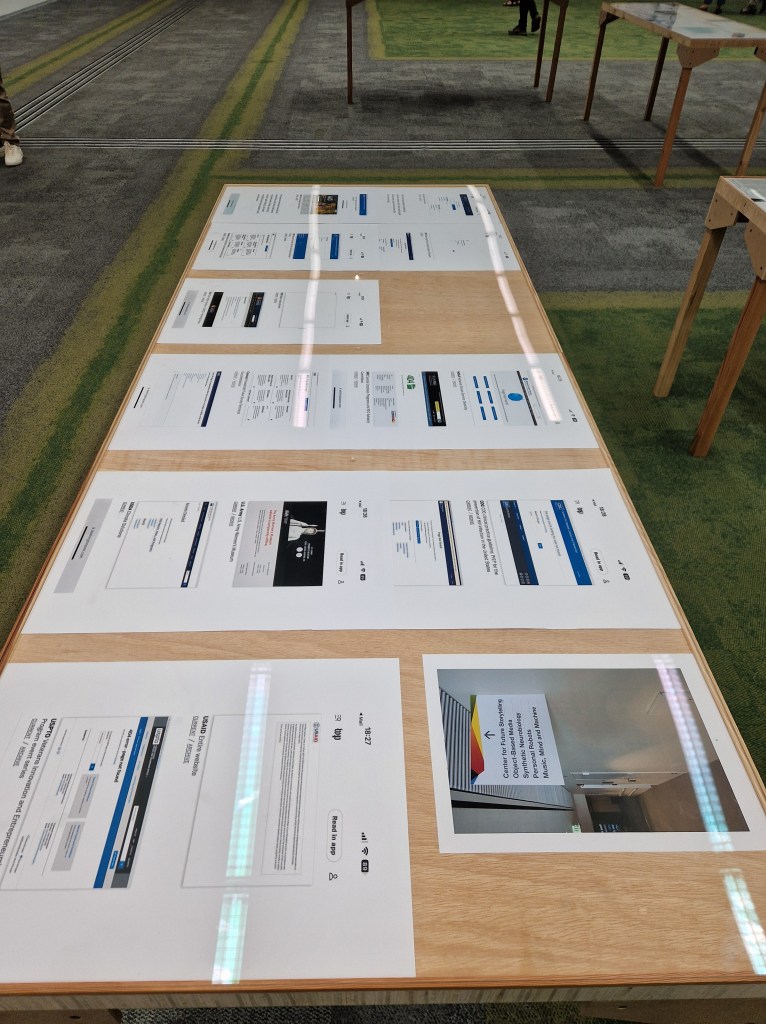
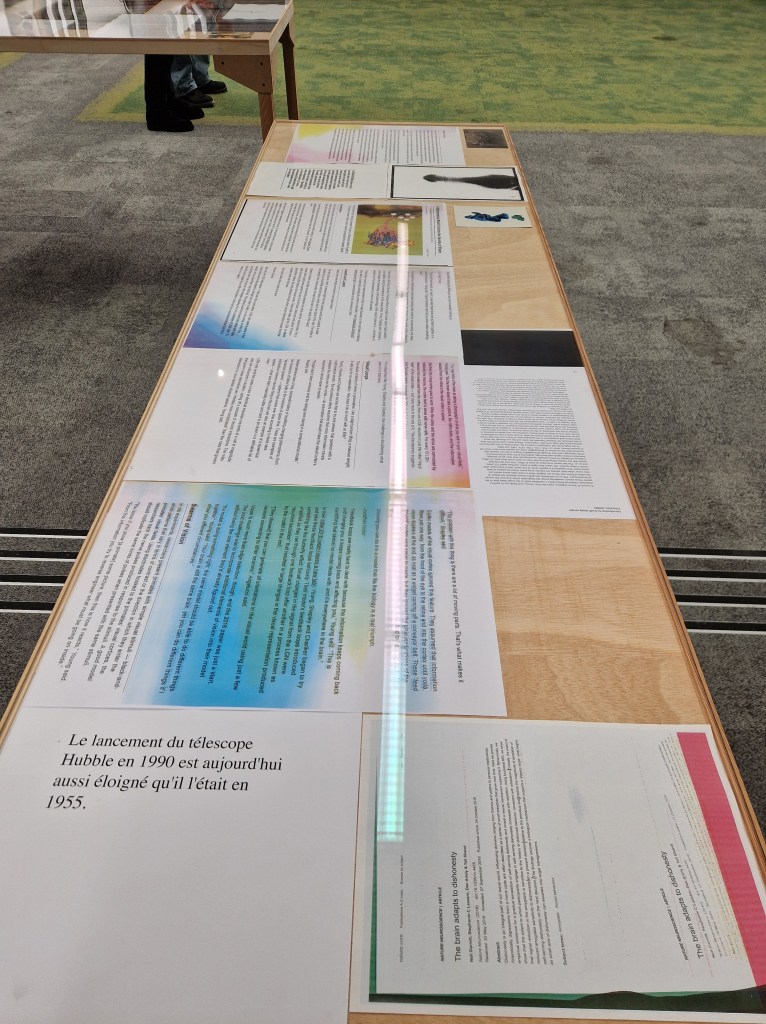

The exhibition unfolds in sections, beginning with History Now. Here, works from the late 1980s and early 1990s testify to a vanished world: global conflicts, intimate moments, and everyday scenes that capture both the specificity of time and the timelessness of human experience. At the heart of this section is the Truth Study Center, an ongoing project since 2005. Newspapers, photographs, graphs, screenshots, and texts spread across custom wooden tables, each proposing a different approach to knowledge. The ensemble underscores how perception of truth is malleable, subject to interpretation, and shaped by form as much as content.
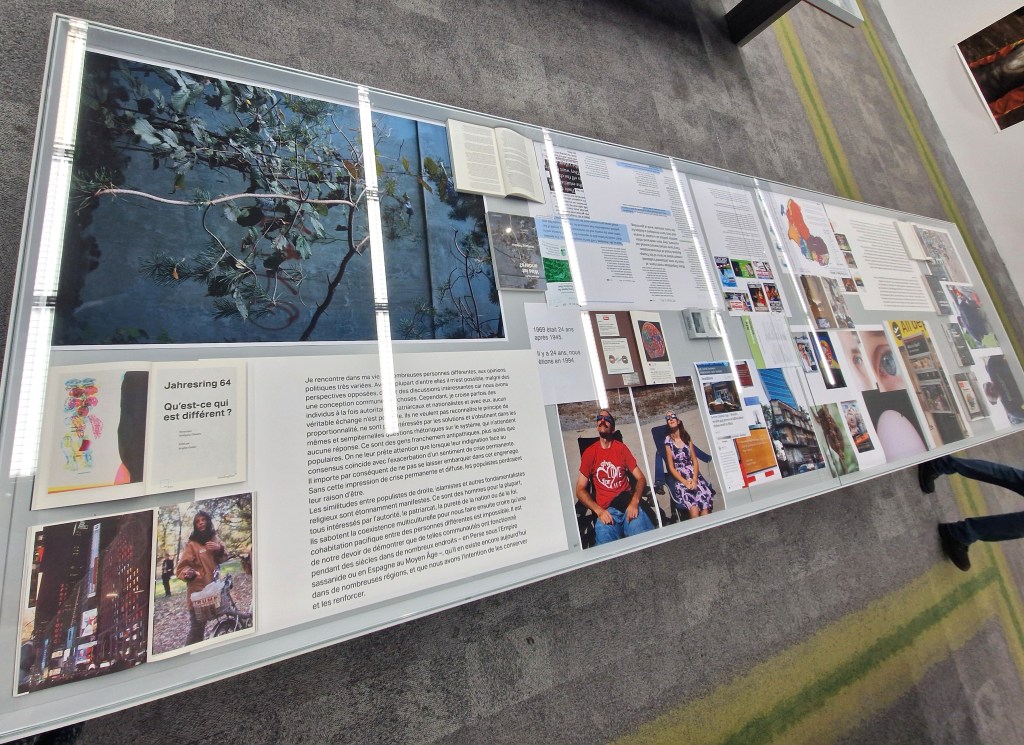

Another remarkable area is the one dedicated to reading tables. Tillmans chose several original tables to remain in situ, transforming them into vitrines for his personal archive: catalogues, books, collages, press clippings, and photographs. Arranged horizontally -an orientation the artist considers fundamental- these displays invite visitors into his process, revealing the artist’s career and artistic journey as well as his written practice and the importance given to archives.
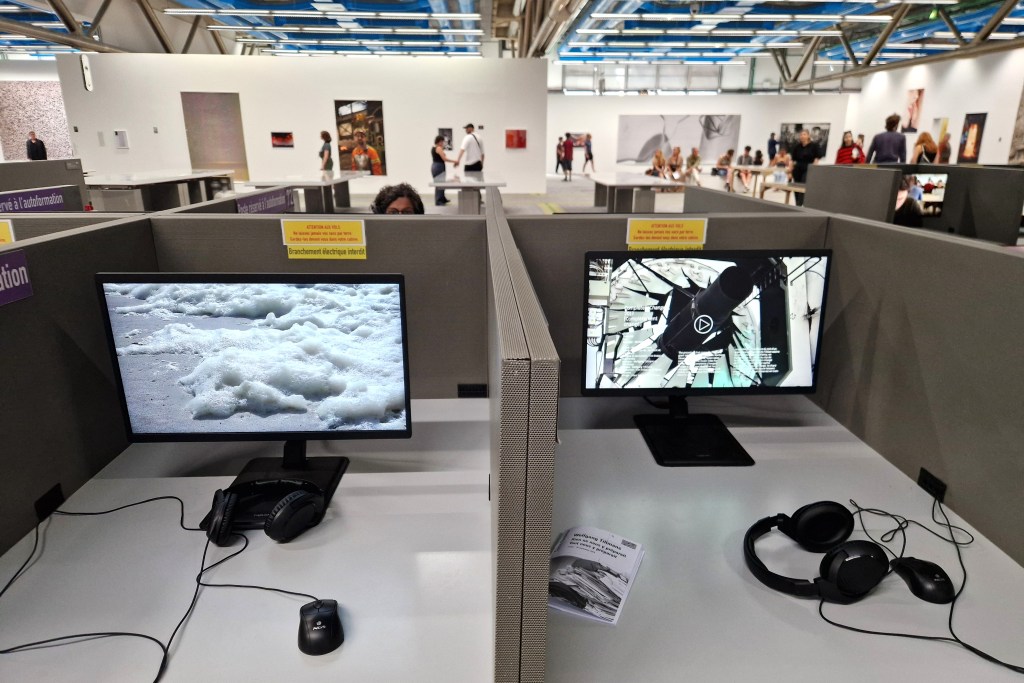
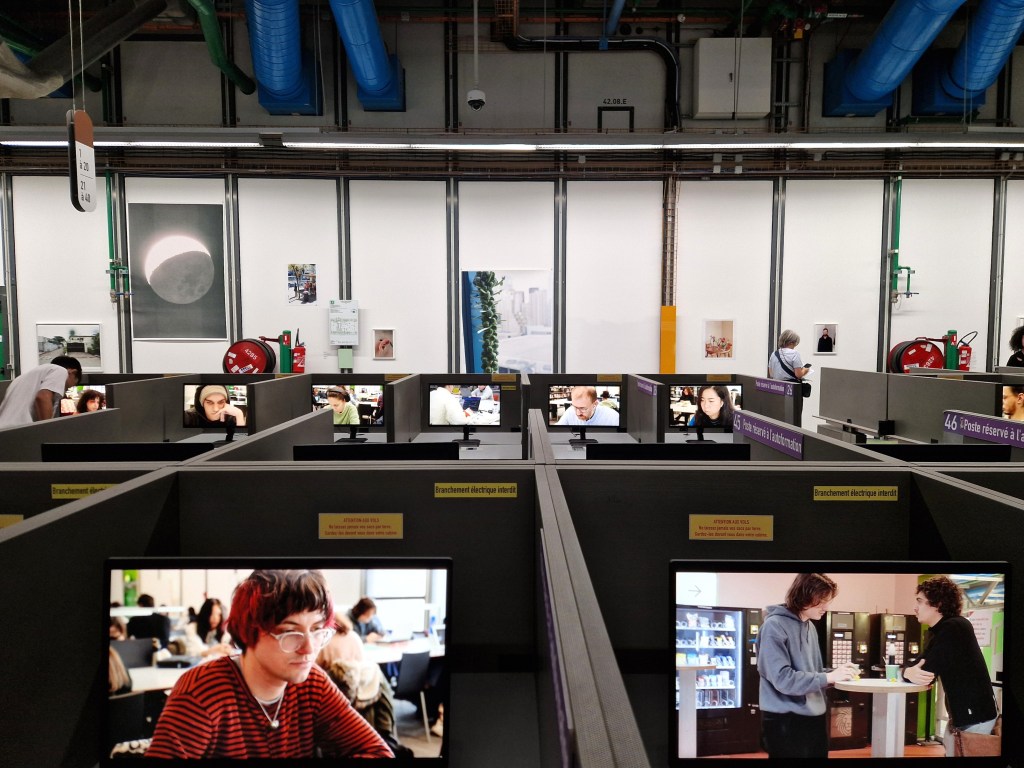
Beyond the strength of Tillmans’ imagery, what strikes of this exhibition is his sensitive reuse of the library’s existing infrastructure. Computers once dedicated to self-learning now serve as portals for visitors to explore his video works, giving the observer a full freedom of choice of which video to play, engaging any type of audience. Other screens, always in their original location, display videos of everyday life in the BPI before its closure: portraits of readers, sleepers, note-takers, and music-listeners, captured with consent during casual days, offering a poignant portrait of the community that once animated this space.
The far end of the library is the only area redesigned as a more traditional exhibition space, housing video and sound installations. Time Flows All Over (2025), created specifically for the Pompidou, interweaves new and archival footage, layered with soundtracks and the artist’s voice to create overlapping narratives. Comfortable chairs, sofas, and mats invite visitors to linger in contemplation. Nearby, Ceiling Scan (2025), a luminous installation, encourages viewers to look upward at the Pompidou’s iconic ceiling, its structure amplified by a choreography of lights, a subtle homage to the architecture itself.
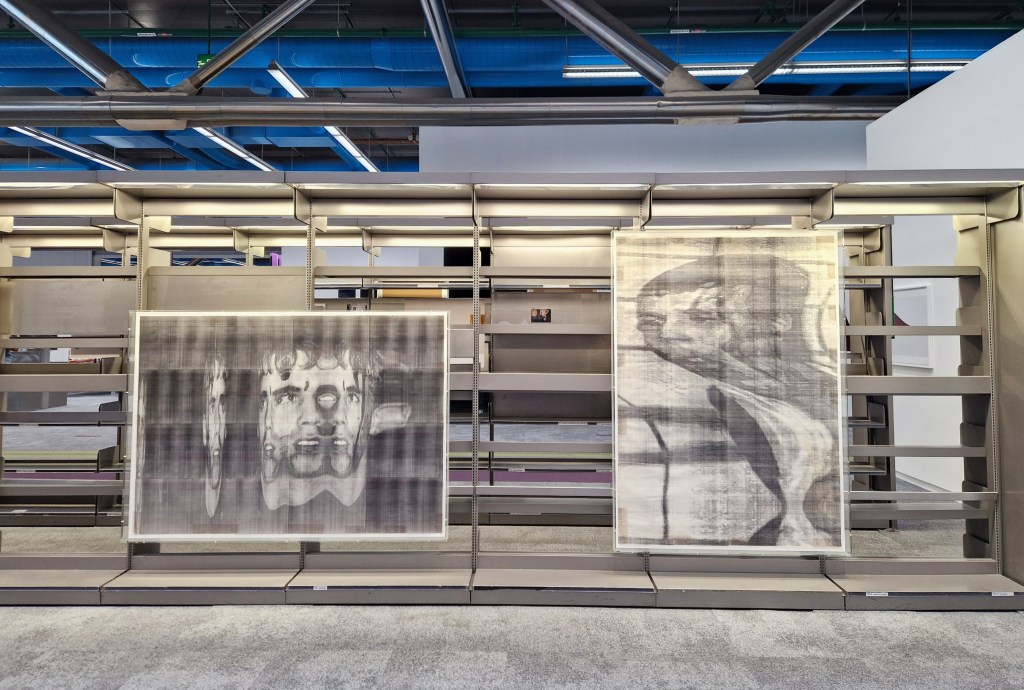

Even the library’s shelving and information desks remain, integrated into the exhibition either as supports for artworks or as scenographic elements. Some rooms have been preserved even in their original function: the photocopy room, for instance, still operates with active machines and template sheets left by the artist: visitors are invited to create their own multiples, producing a tangible, personal souvenir of the exhibition.

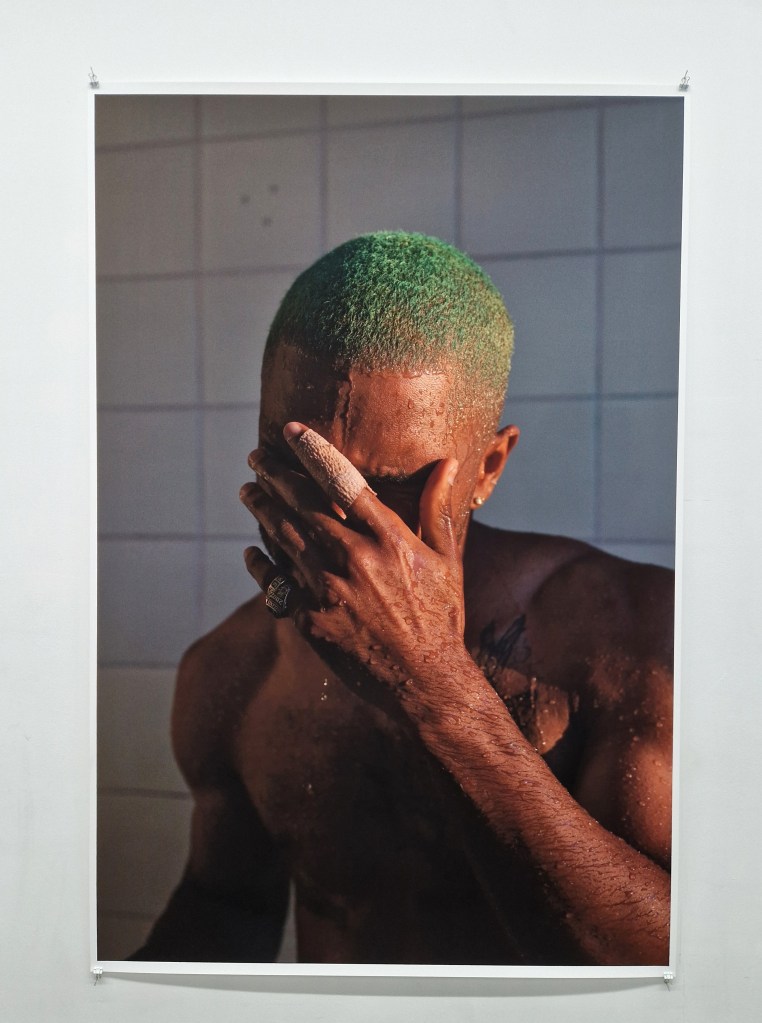

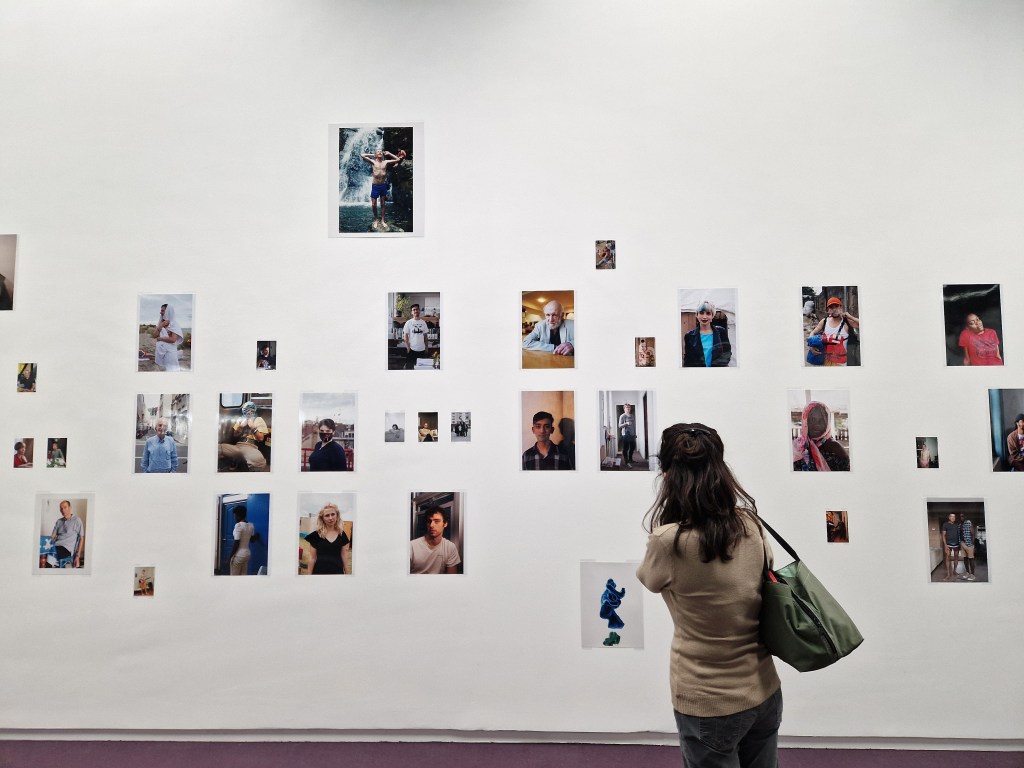
With this project, Tillmans transforms the BPI into both a memorial and a living artwork, intertwining architecture and his photographies, one of his most recognizable signatures. Beyond its aesthetic power, his work bears witness to a sharp observation of his time, addressing the cohesion and fragility of the European Union, the cycles of history, the construction of knowledge, and the complexities of a globalized society. Many of the works resonate with one’s personal experience, inviting viewers to locate themselves within these narratives. Expansive and multifaceted, the exhibition demands attention and time, rewarding visitors with an immersive journey through decades of artistic inquiry and commitment.
My personal highlights:
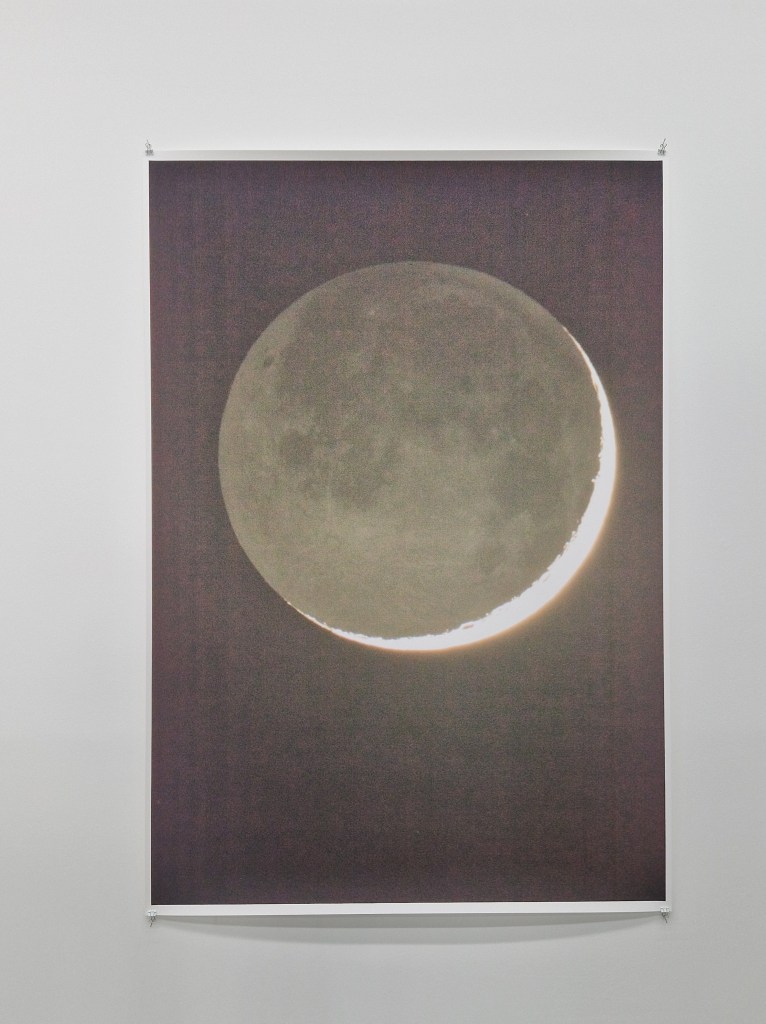
- Moon in Earthlight, 2015
- Frank, in the shower, 2015
- Truth Study Center, 2005 – ongoing
- Object Shelf, 2025
- BPI portraits, 2024
 MUSEmemoirs