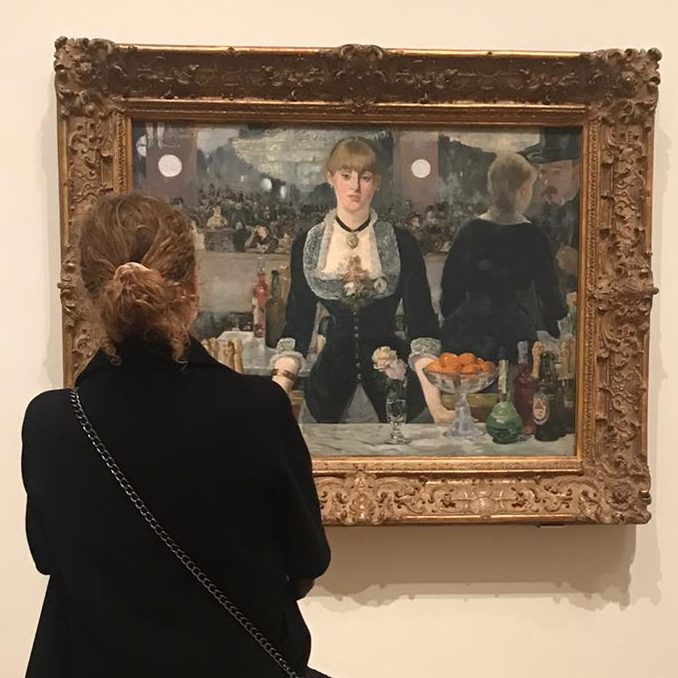
Info:
- Dates:
- Curator:
- Where: LE BAL
- Price:
This exhibition brings together the work of three women from different generations, each representing a distinct discipline. The central focus is undoubtedly on Donna Gottschalk, whose photographs occupy the main exhibition space at Le Bal. Her images, however, enter into dialogue throughout the show with the words of Hélène Giannecchini, whose texts guide visitors through the life and work of the photographer. It was precisely from their encounter, in 2023, that this exhibition was born: a collaboration that encouraged Gottschalk to open her archives, revealing fifty years of photographs that had long remained unseen. The third artist, Carla Williams, is presented on the lower floor of Le Bal. Though her section is more intimate, the quiet strength of her photographs perfectly suits the scale of the space.
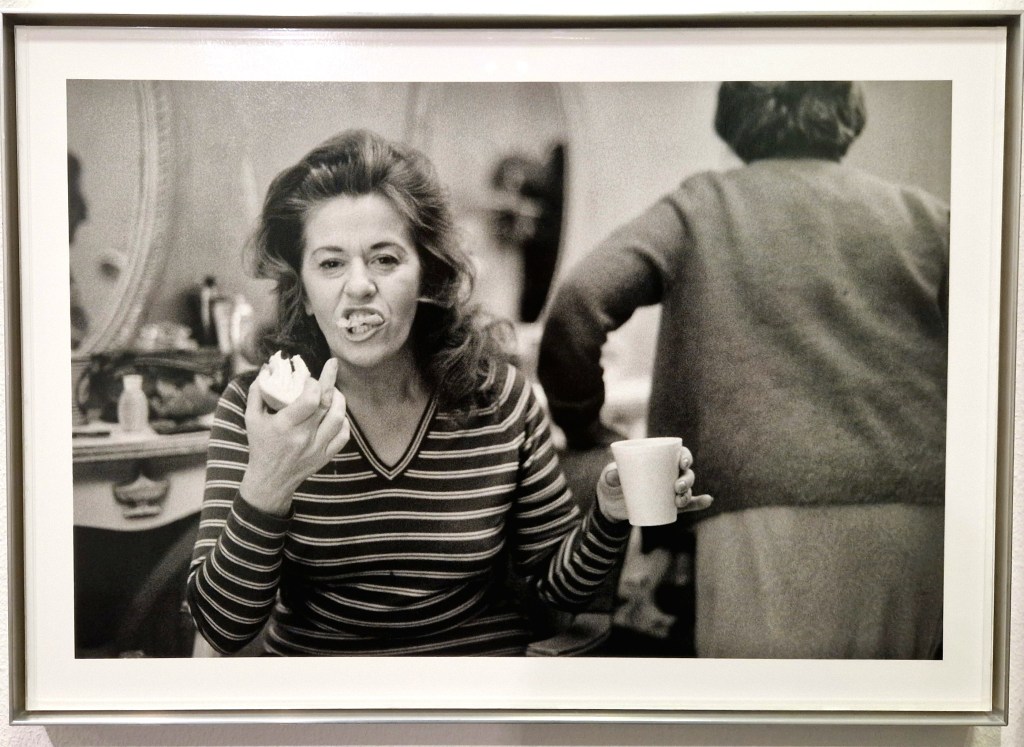
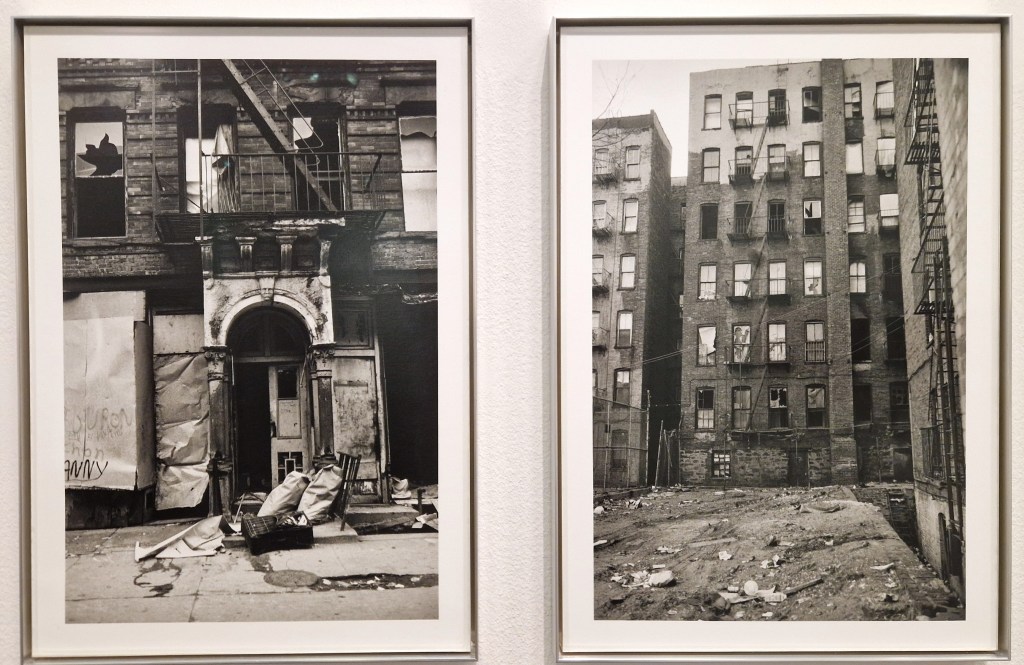
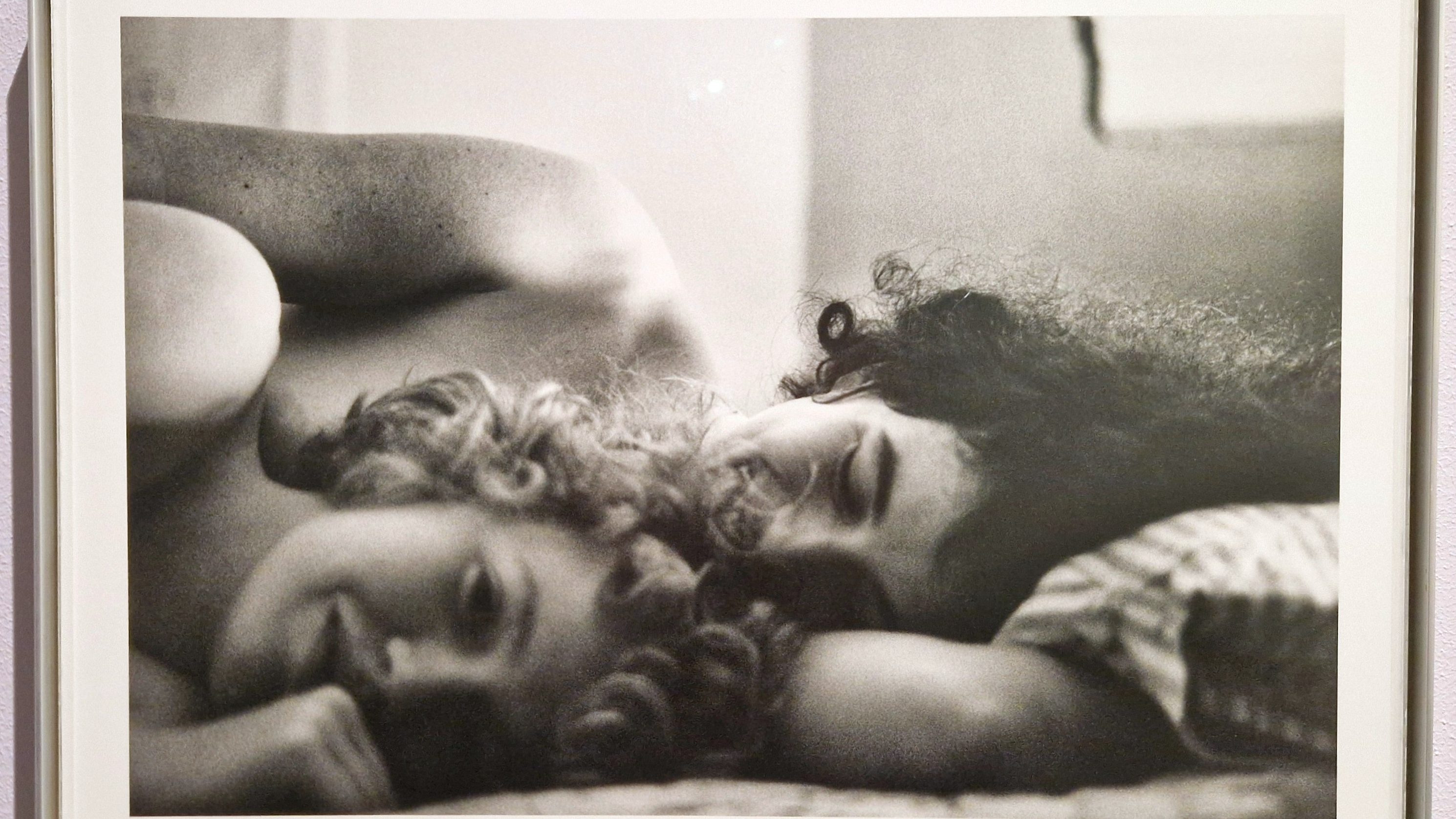
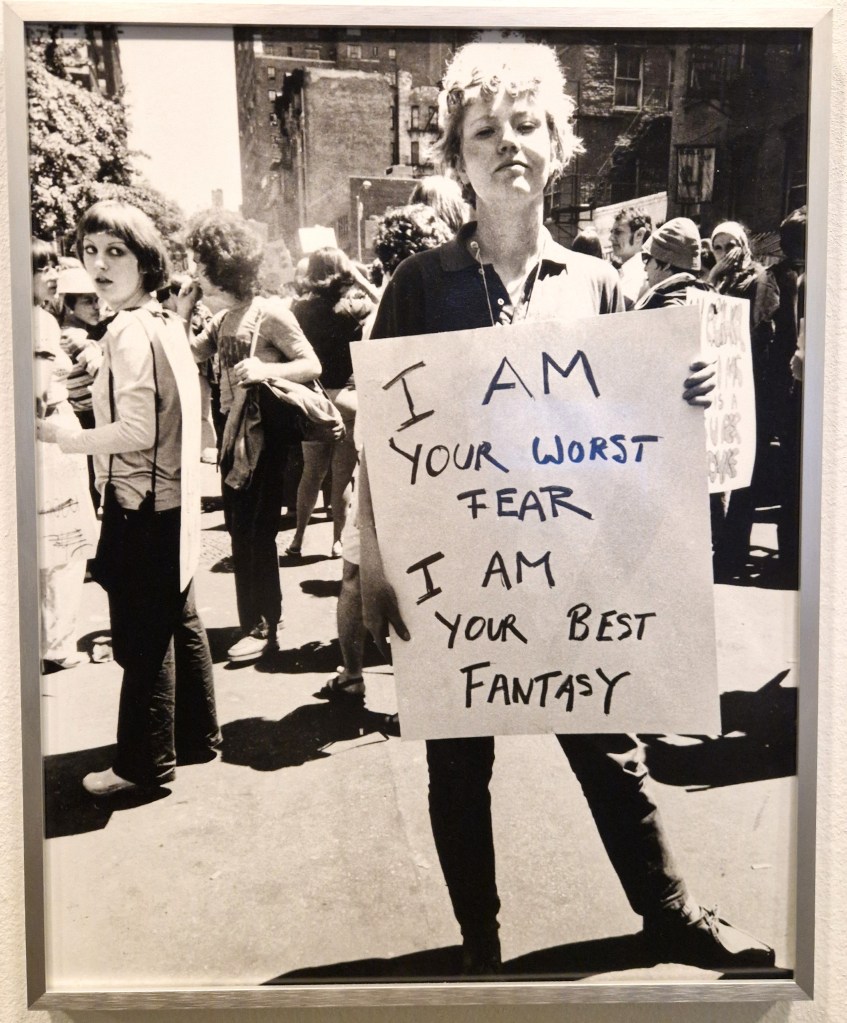
As soon as visitors enter the exhibition, they are immersed in the atmosphere of the 1960s. It was during this period that Donna Gottschalk (New York, 1949) began photographing her surroundings friends, lovers, moments of daily life, from an intimate and personal point of view that would become her signature style. Her work is deeply intertwined with the social upheavals of her time, particularly the early movements for civil rights. Gottschalk became an activist within the Gay Liberation Front, one of the first organizations to promote LGBTQ+ rights after years of repression by the police, at a time when homosexuality was still criminalized in the United States.
“They are barely twenty and stare at the camera with a defiant look. (…) Their youth is radiant, undeniable. Yet they never photograph themselves in the street. It would be too dangerous for this group of high school girls, so openly lesbian. (…) The movement for homosexual rights has not yet begun – it’s 1968, one year before the Stonewall riots.
In the meantime, they skip class and gather on the rooftops of their buildings, hiding or sneaking into underground bars at night. They lie to their families and invent spaces in which to be free; friendship becomes one of them.”-Hélène Giannecchini
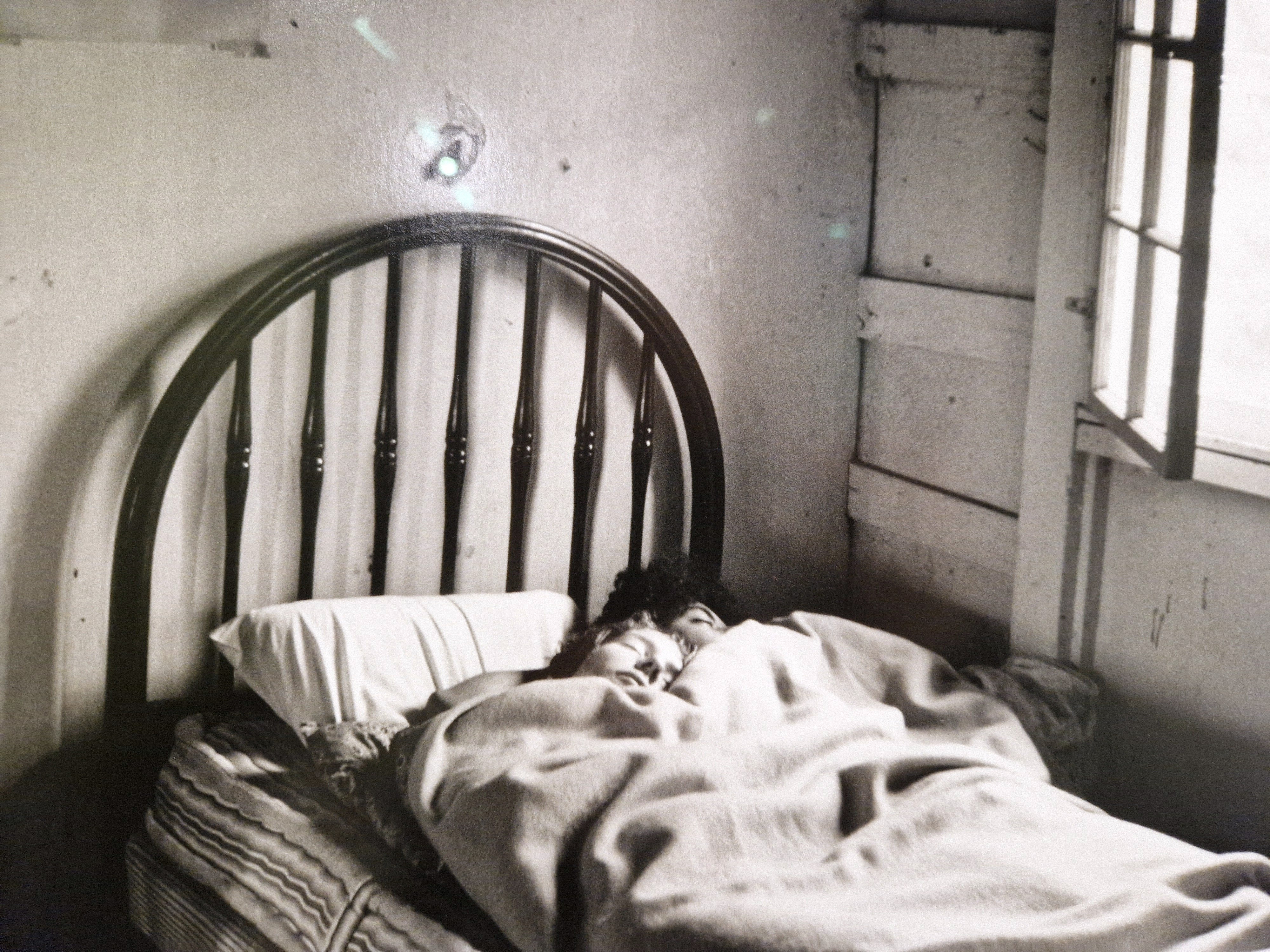
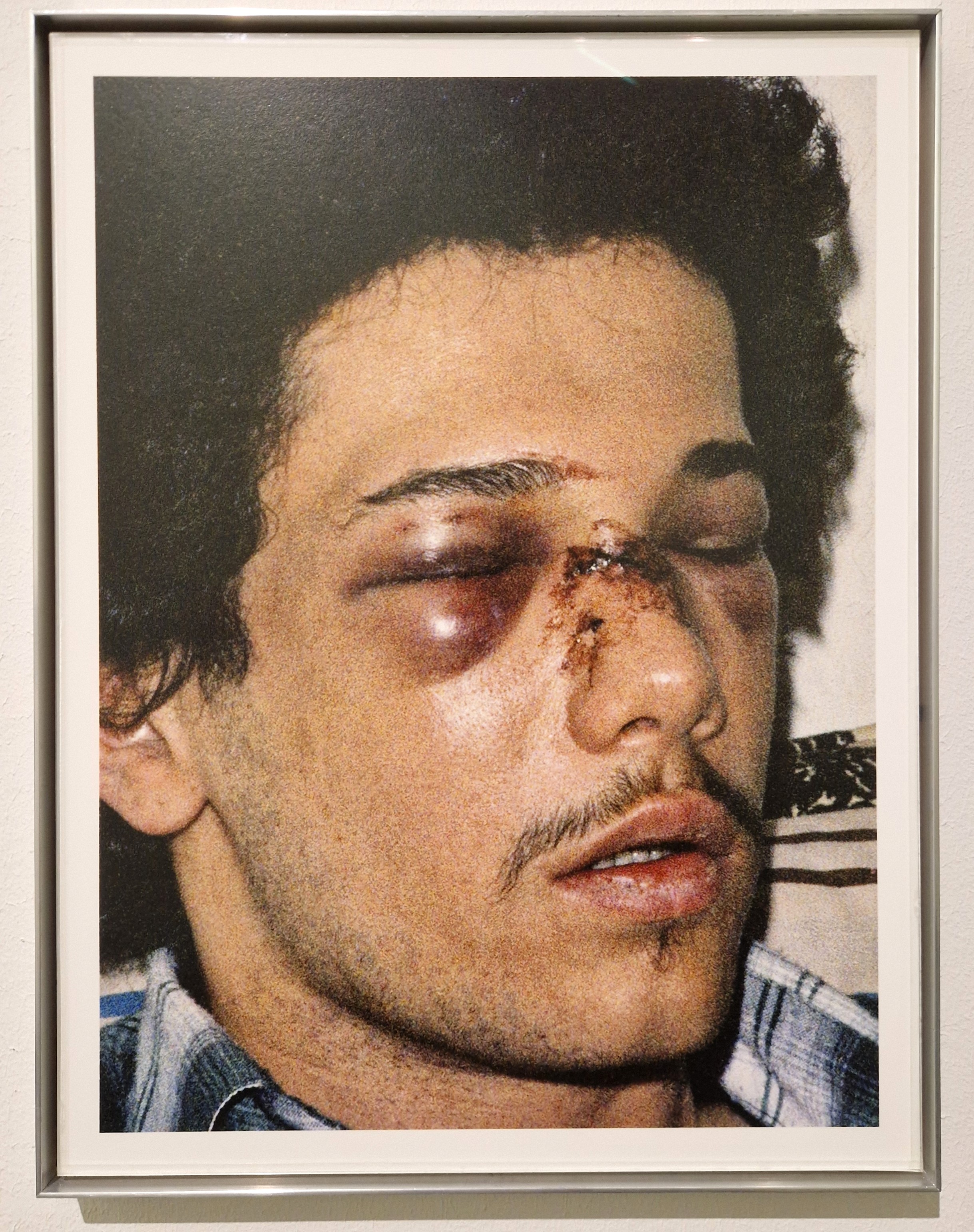
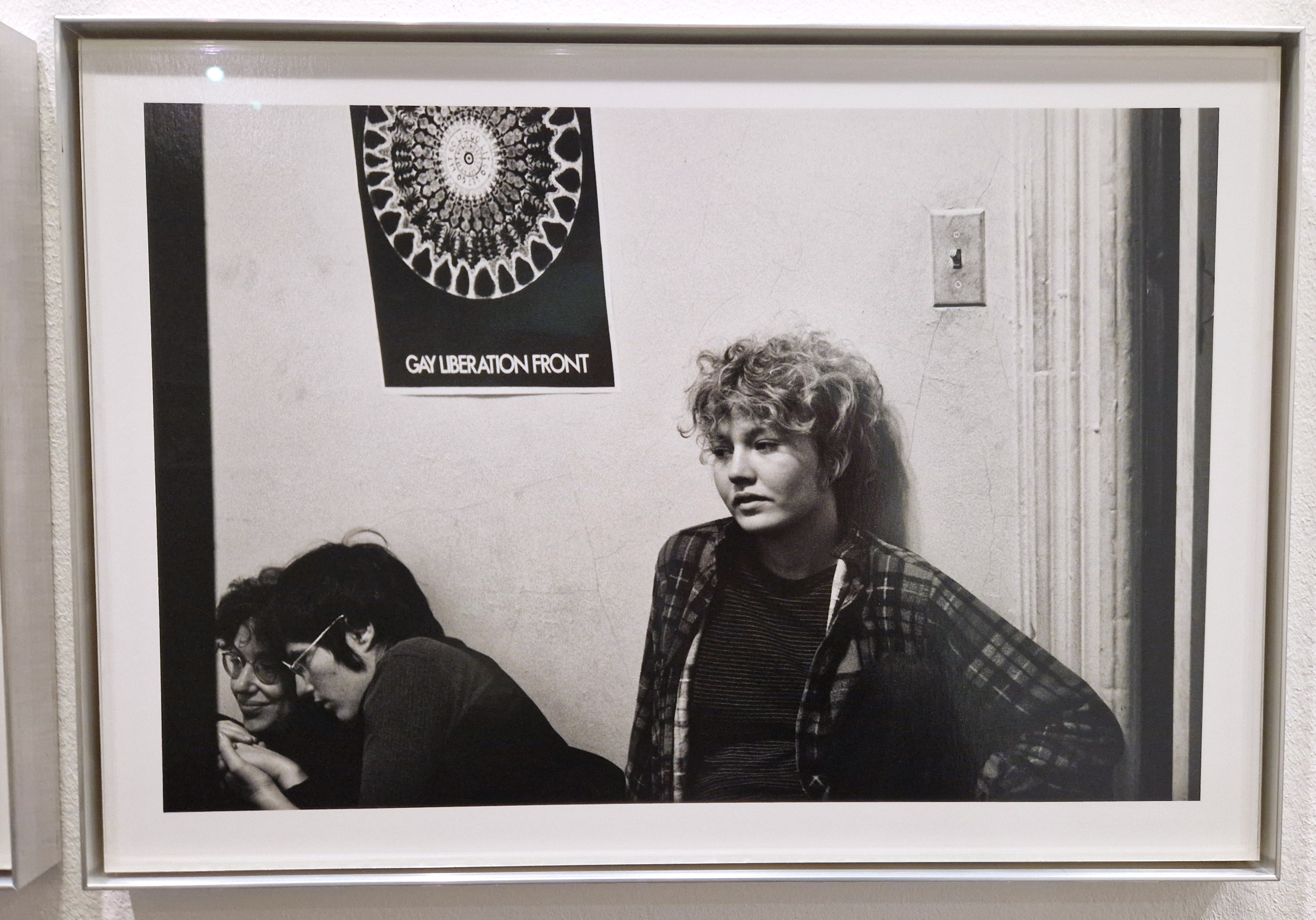
Through her writing, Hélène Giannecchini reconstructs those years like a narrative thread, her texts capturing both the atmosphere of the time and the emotional texture of the photographs. Having spent long hours with Gottschalk, she retraced the photographer’s memories and archives, uncovering the stories behind each image. Her words, displayed along the walls, accompany the visitor section by section, almost as if the photographs themselves had found their voice through her.
A writer and art theorist born in Paris in 1967, Giannecchini has dedicated her research to the images and stories missing from art history, particularly those related to queer communities and minority archives from the second half of the twentieth century. Her contribution to this exhibition resonates deeply with Gottschalk’s work, bridging the effort to recover forgotten histories with the photographer’s original act of documentation. Together, they highlight how photography can become a political gesture and a tool to preserve memories.
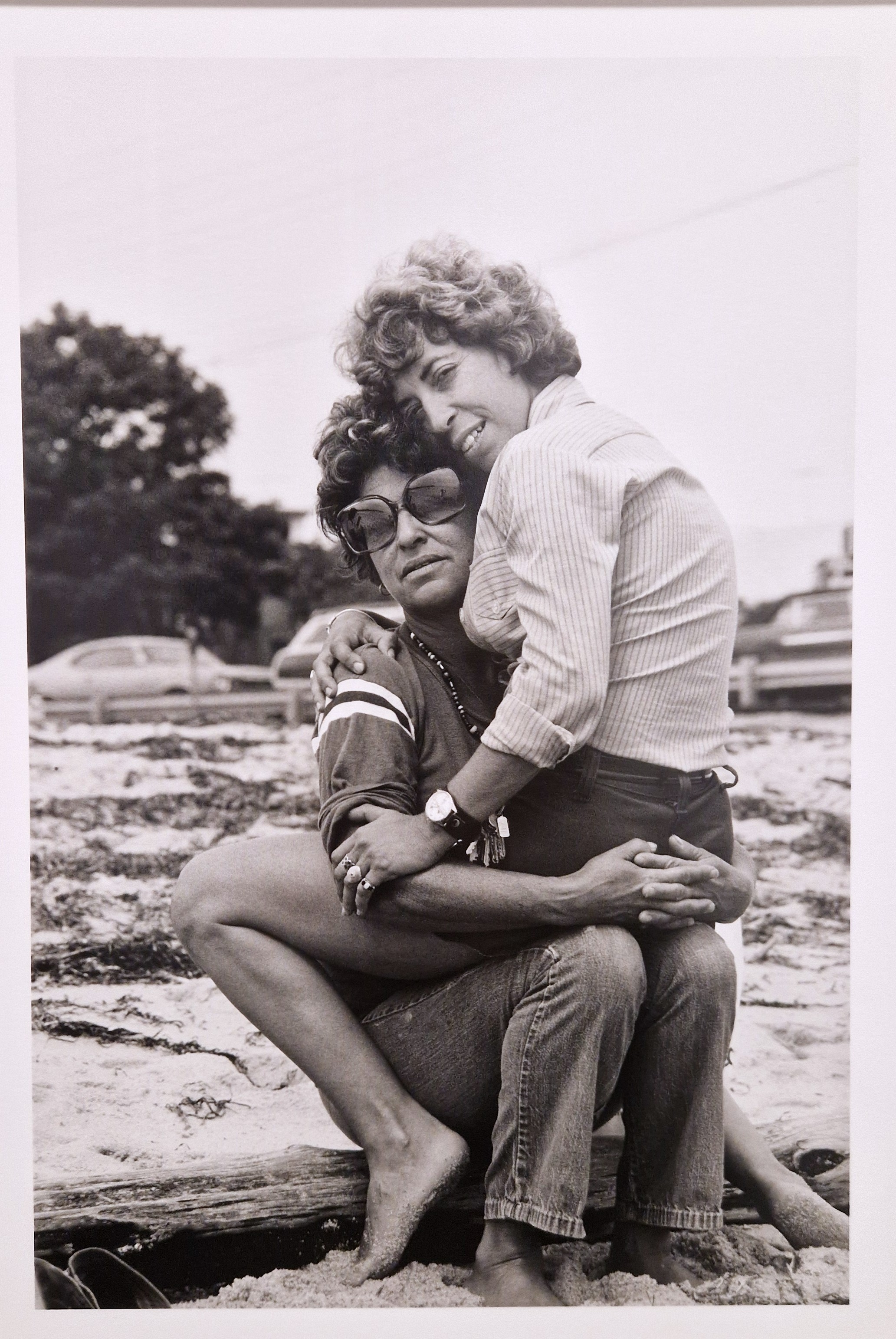
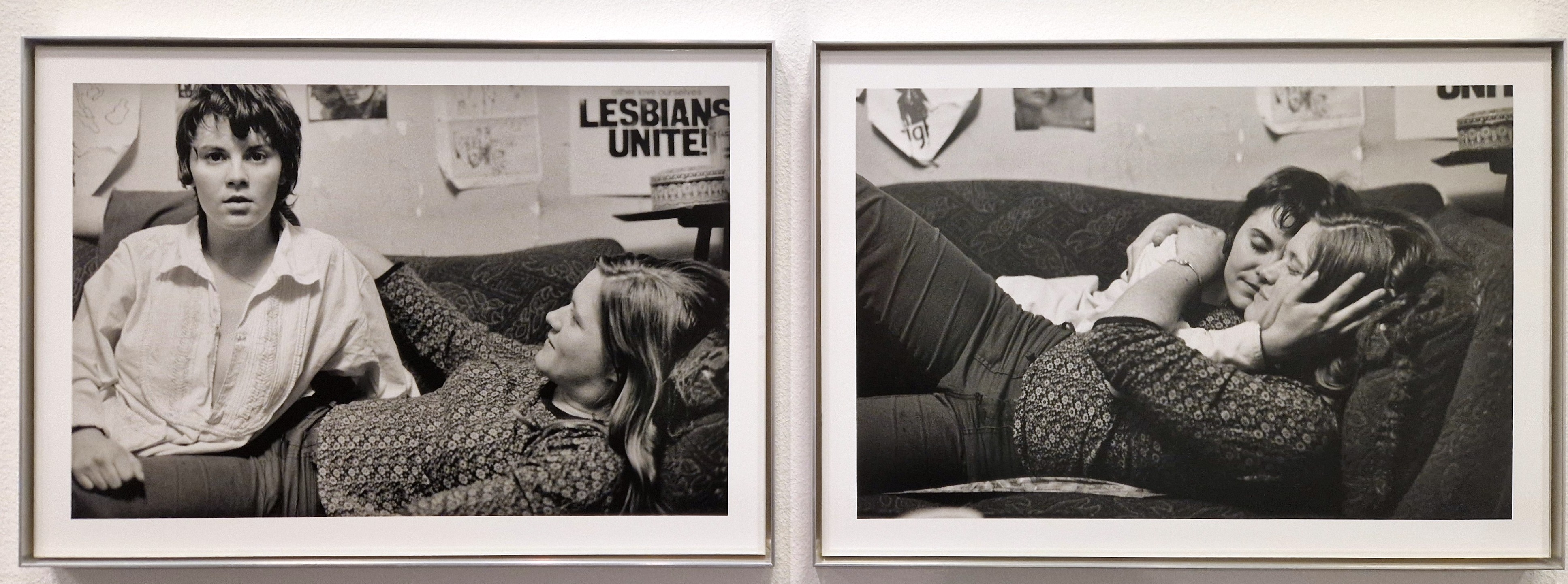
The exhibition traces Gottschalk’s journey from her years in New York to her move to Los Angeles – a city that, in the 1970s, offered greater freedom than the East Coast. Over time, her activism gave way to a more introspective practice, yet her photographs never lost their emotional intensity. Her subjects appear alive, caught in moments of affection, rest, or play, reflecting the closeness between photographer and sitter. The absence of manipulation in her work underlines the authenticity of these relationships.
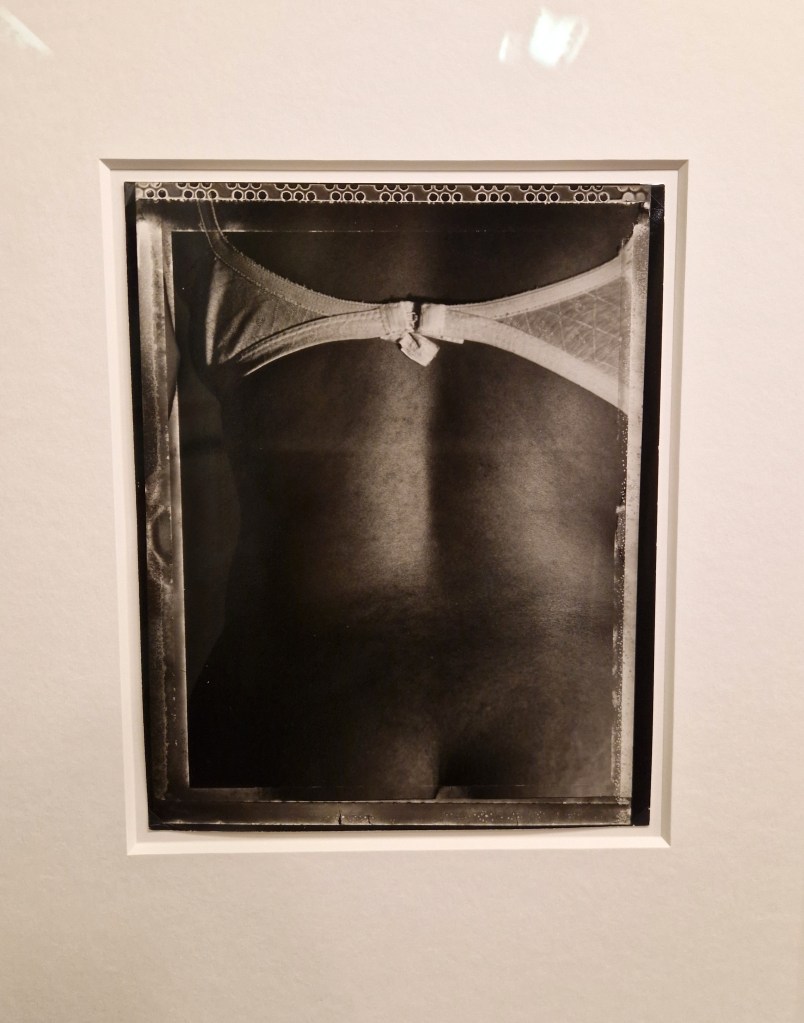
The latter part of the exhibition is devoted to Carla Williams, photographer and art historian. Her series Tender resonates with Gottschalk and Giannecchini’s shared desire to reclaim absent figures from art history. Williams’ research began when she was a student and became aware of the near absence of Black photographers, especially women. Her self-portraits, taken within the intimacy of her room, respond to that absence: by placing her own body before the lens, she reinterprets established photographic traditions, imbuing them with new meaning.
As a whole, the exhibition is a profound jump in the past and an act of reclamation. Through their respective practices, these three women succeed in giving voice to silenced stories and in forging connections between generations. Their works speak not only of past struggles but also of the ongoing need to recognize and preserve these histories, ensuring that they continue to resonate in our present.
My personal highlights:
- Marlene & Lynn, E.9th Street, New York, 1970
- Lesbian Unite Revolutionary Women’s Conference, Limerick, Pennsylvania, 1970
- Self-portrait with JEB, E.9th Street, New York, 1970
- Myla 11 years old, E. 9th Street, New York, 1968

