Info:
- Dates: 1.10.25 – 1.02.26
- Curator: Walter Guadagnini
- Where: CAMERA Torino
- Price: 13 euros/ 10 euros reduced
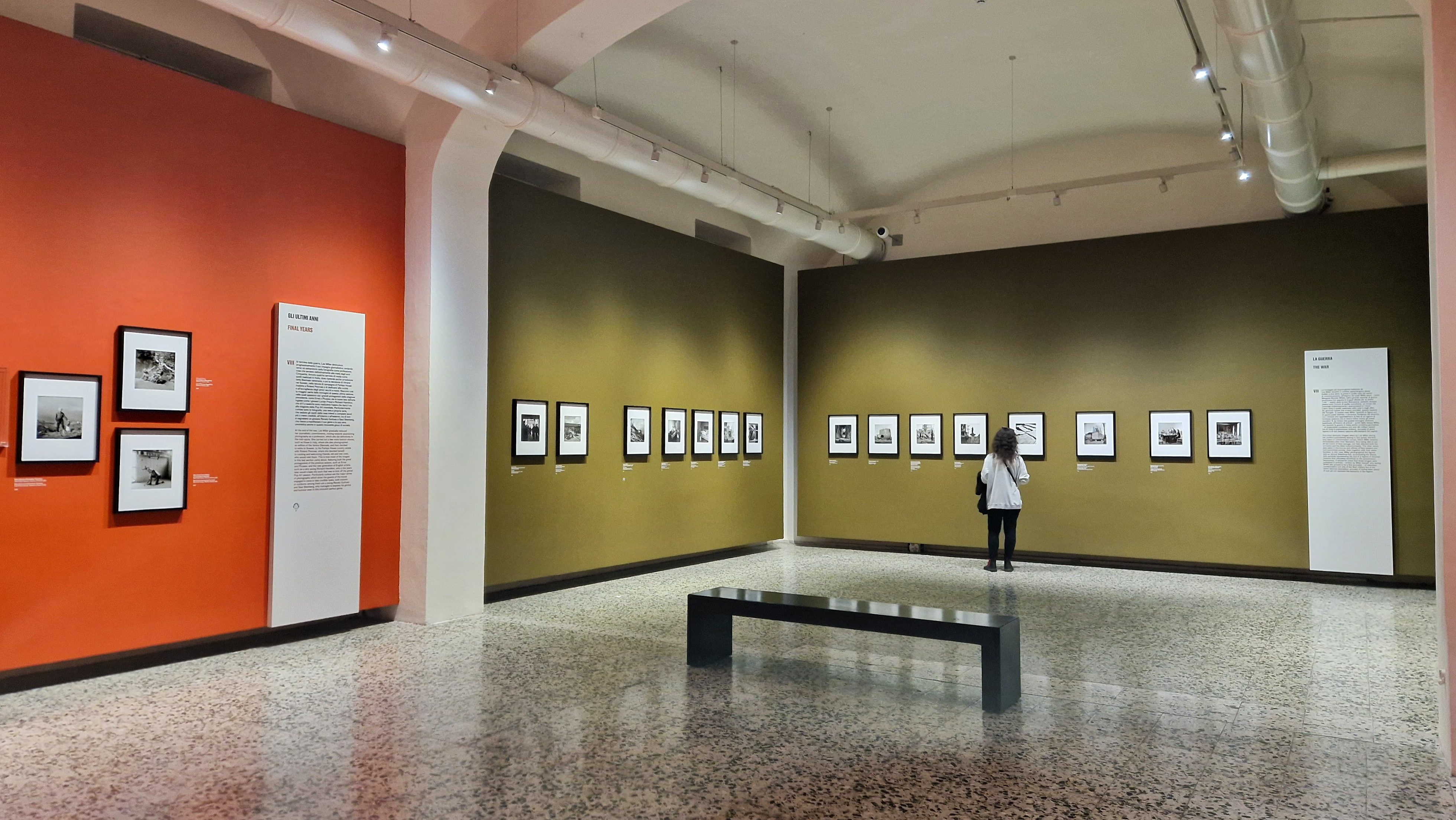
CAMERA presents a rich and encompassing exhibition dedicated to the renowned American photographer Lee Miller, focusing on her prolific and multifaceted career between the 1930s and 1950s. Through more than 150 photographs, visitors are invited to enter Miller’s world, marked by variety, experimentation, and a singular gaze that traverses fashion, surrealism, portraiture, and war reportage. The exhibition reveals the breadth of her artistic vision and positions her, without doubt, as one of the most significant female photographers of the all time.
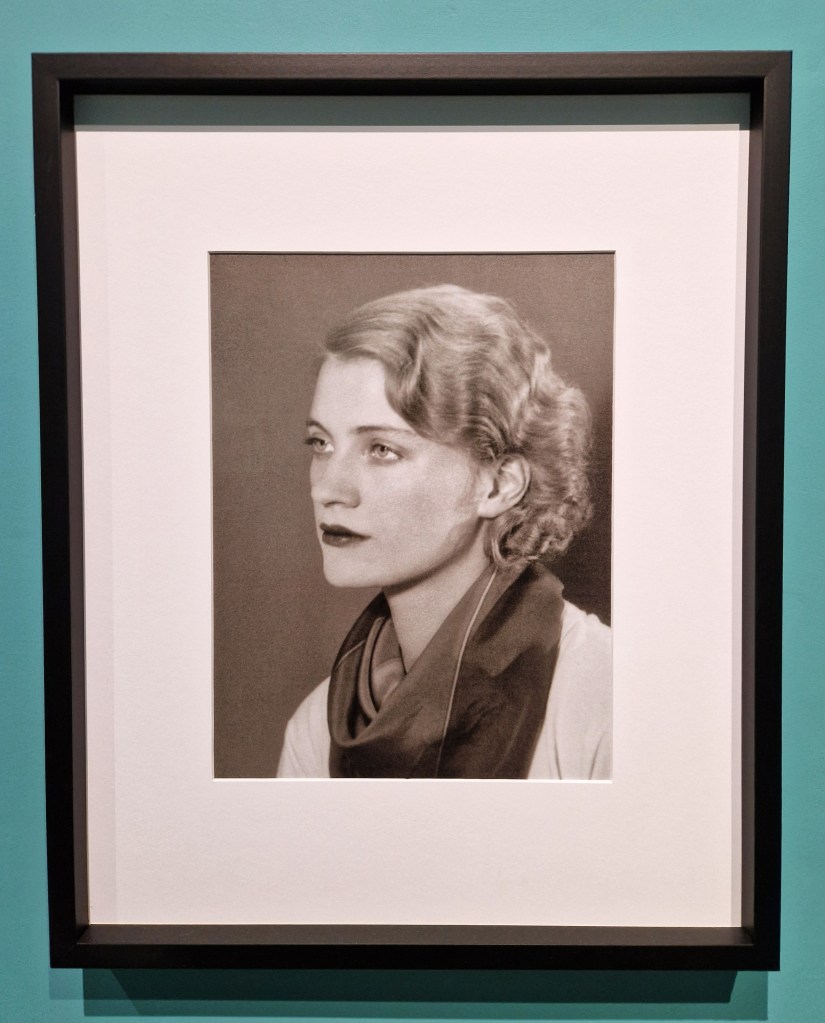
Born in the United States, Lee Miller moved to Paris at the end of the 1920s, a period when the French capital was the pulsating center of a burgeoning avant-garde art scene. Determined to become a photographer, she quickly approached Man Ray and joined the circle of Surrealists, integrating herself into this groundbreaking artistic movement. One of the opening rooms of the exhibition is dedicated to her experiments with surrealist techniques and themes – irony, artifice, and dreamlike composition – a language that remained central to her practice even in the other phases of her career.
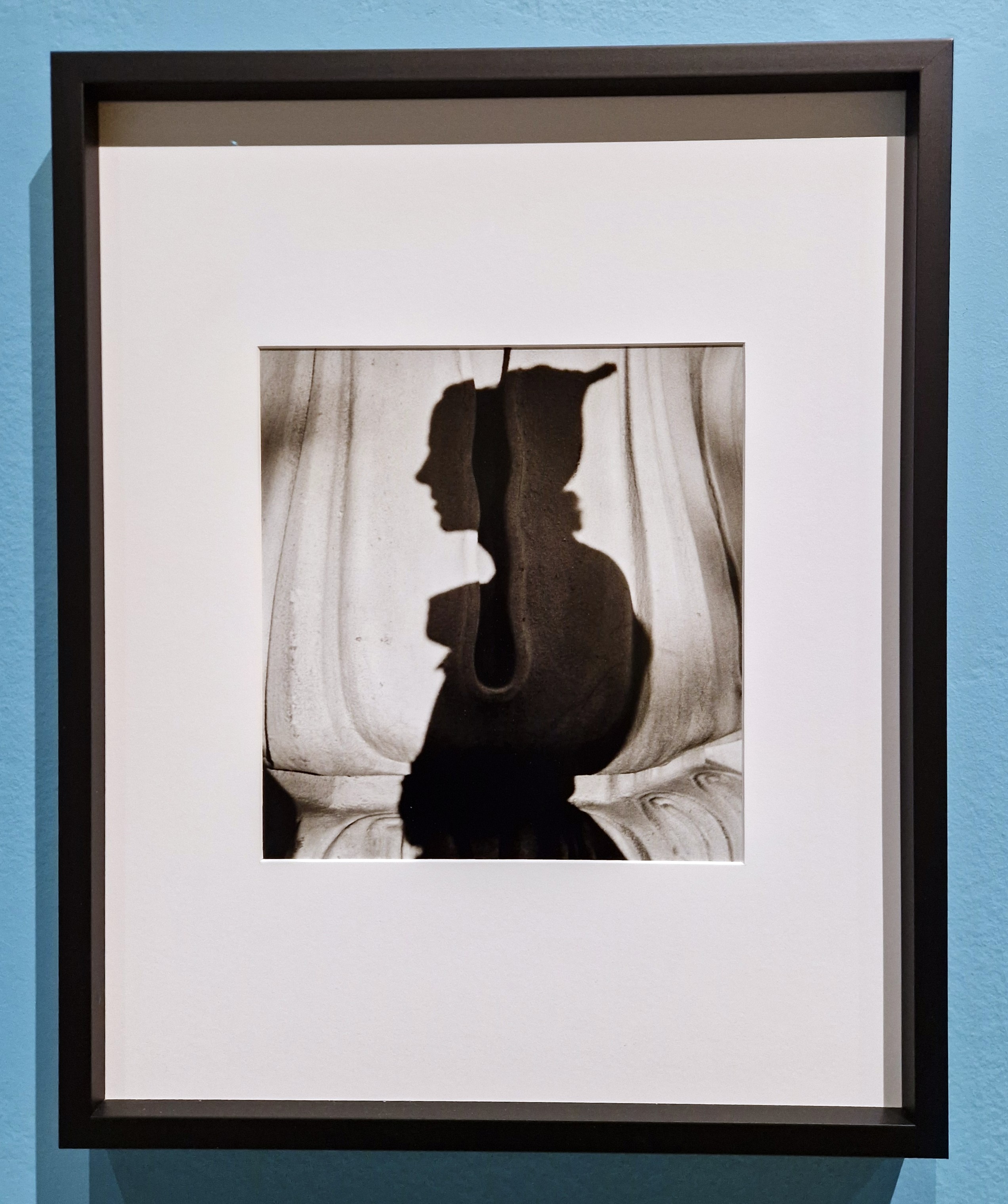
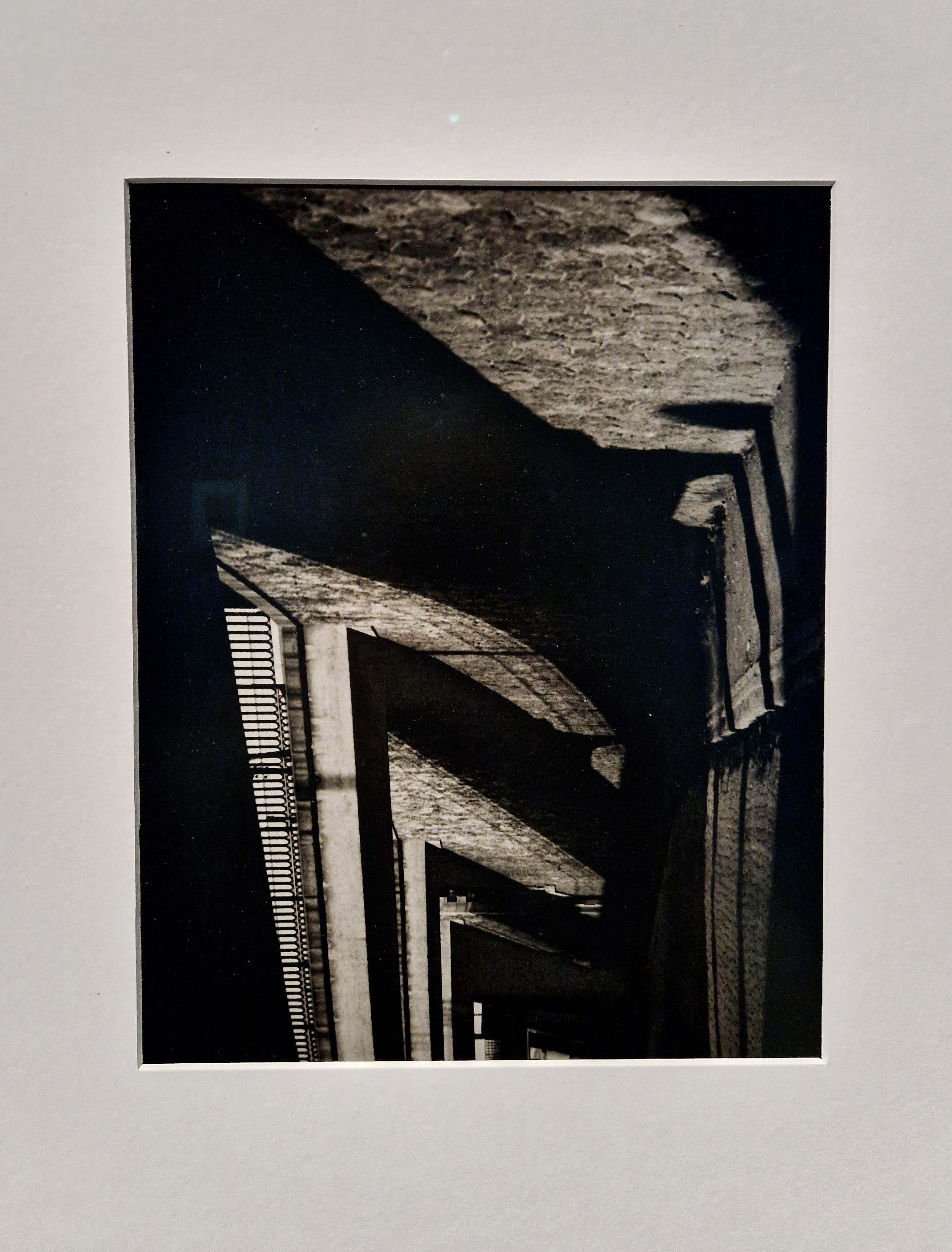
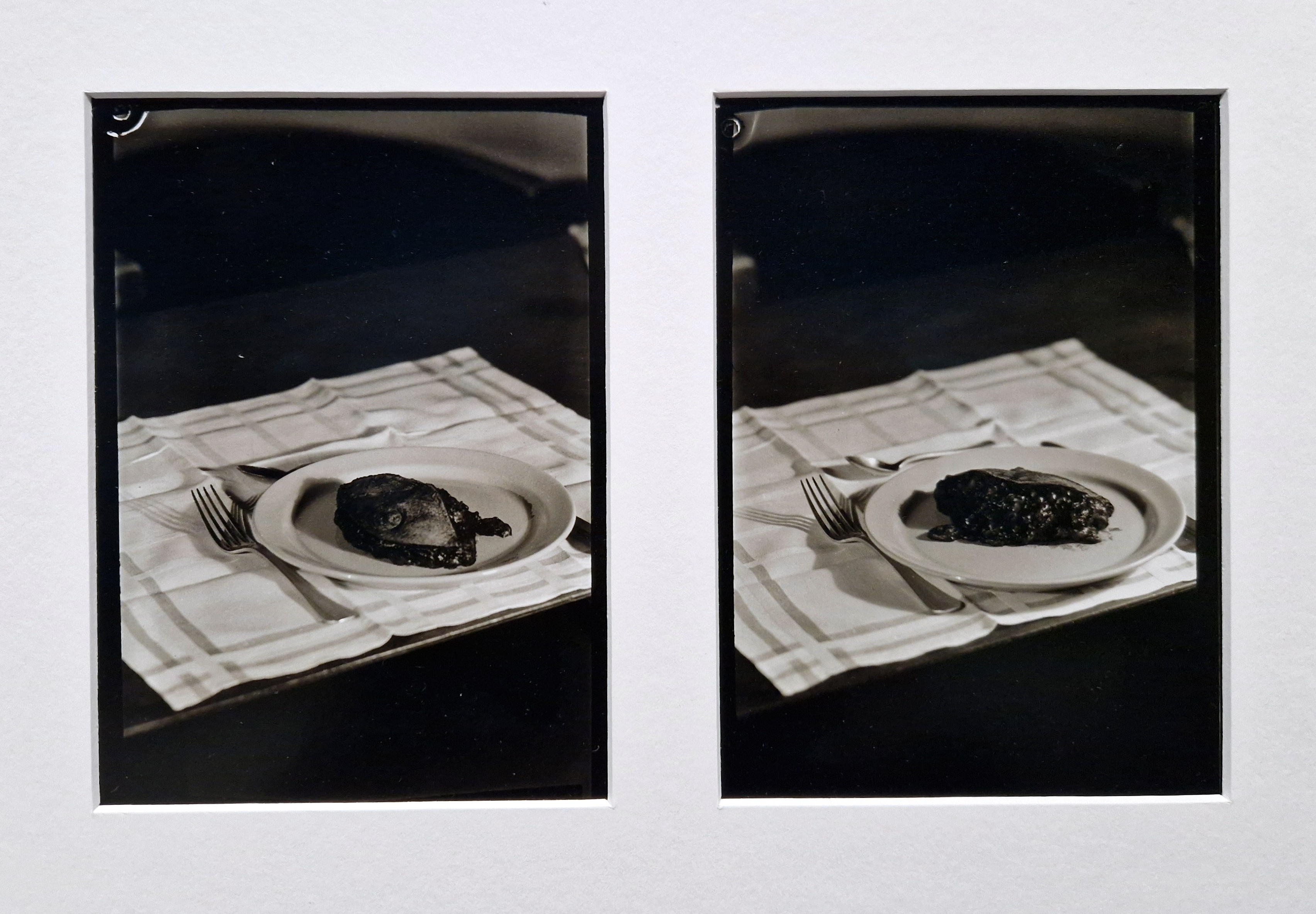
The display is chronological, tracing the trajectory of Miller’s life. From her Parisian years, the visitor is then transported to Egypt, where she lived for several years with her first husband. Many of the photographs from this period became milestones in her career and remain among her most celebrated images today. In 1937, Miller returned to Europe reuniting with the surrealist circle. Photographs of her friends, such as Paul and Nusch Éluard or Leonora Carrington, capture an atmosphere of freedom and companionship, revealing her spontaneous and liberated approach to life and to photography.
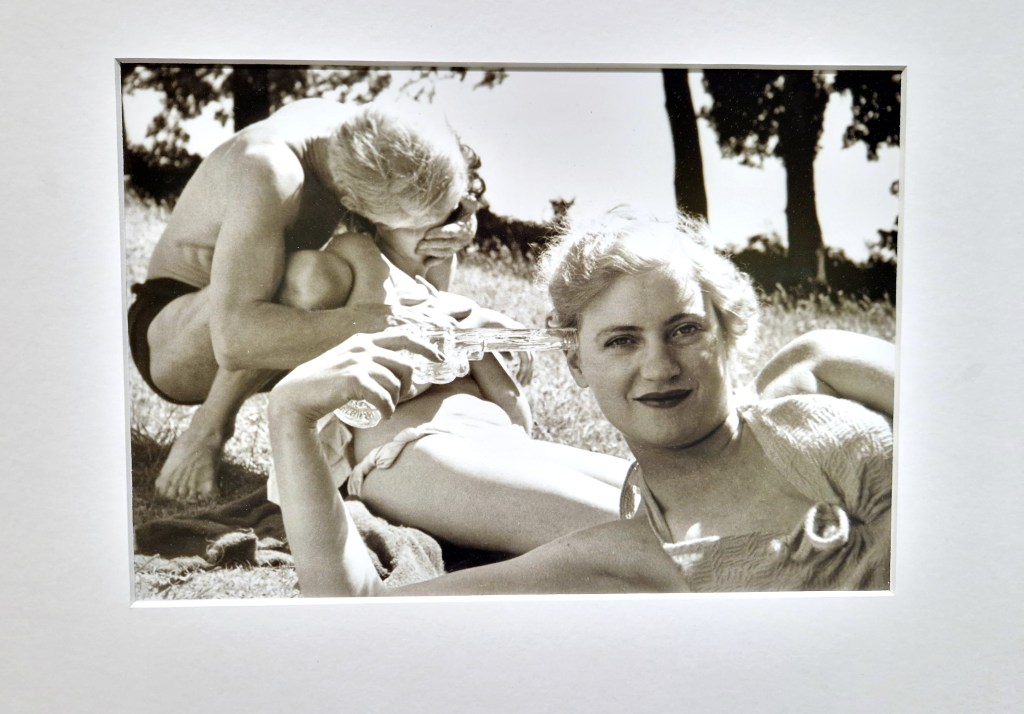
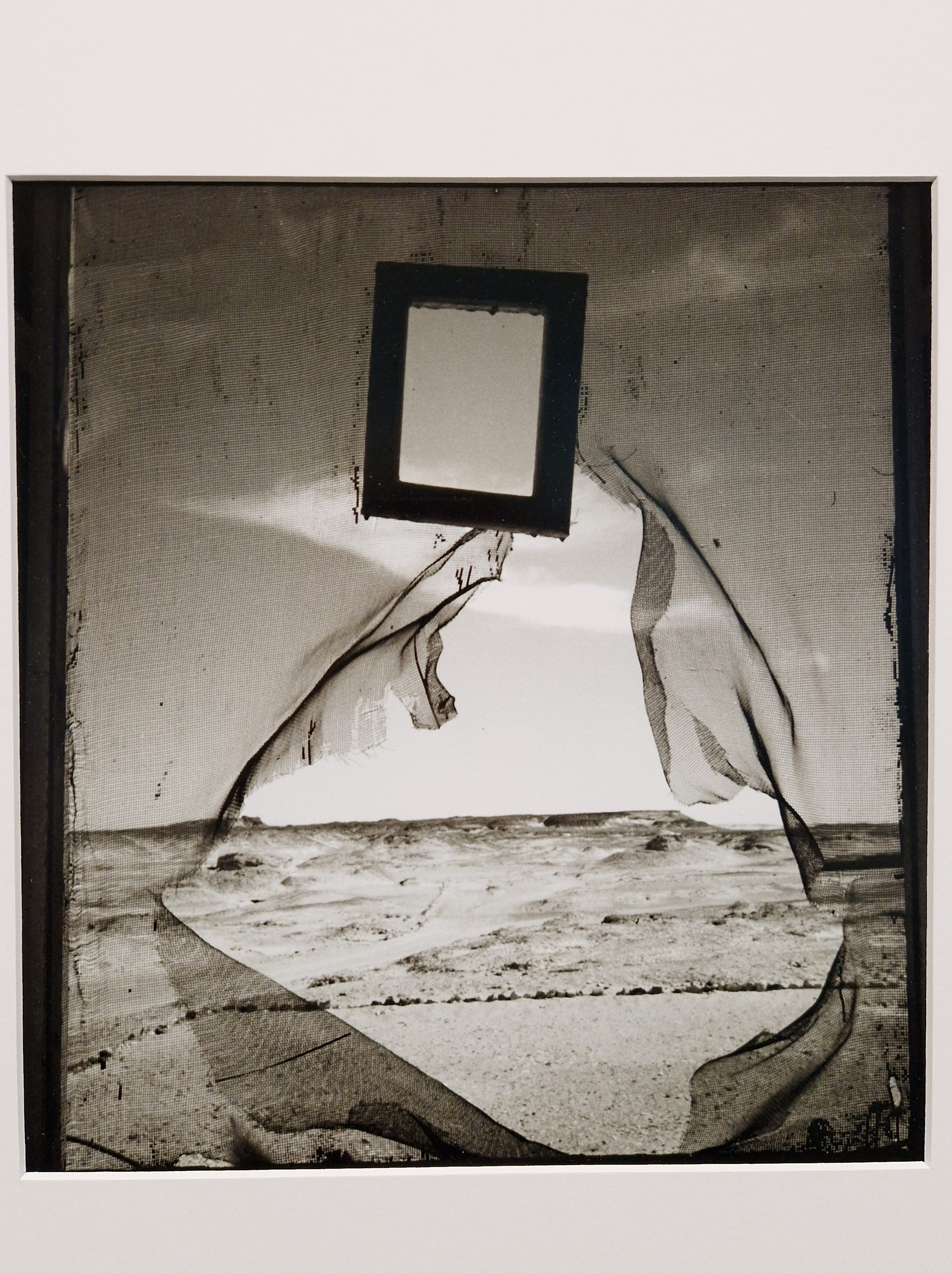
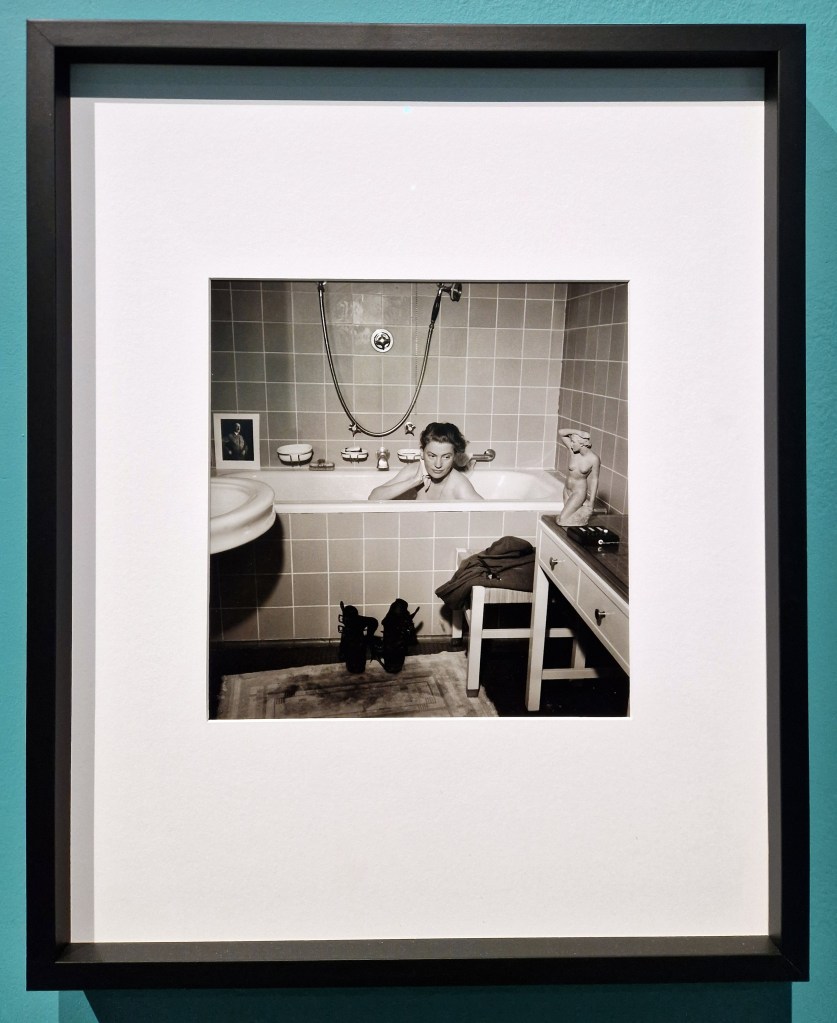
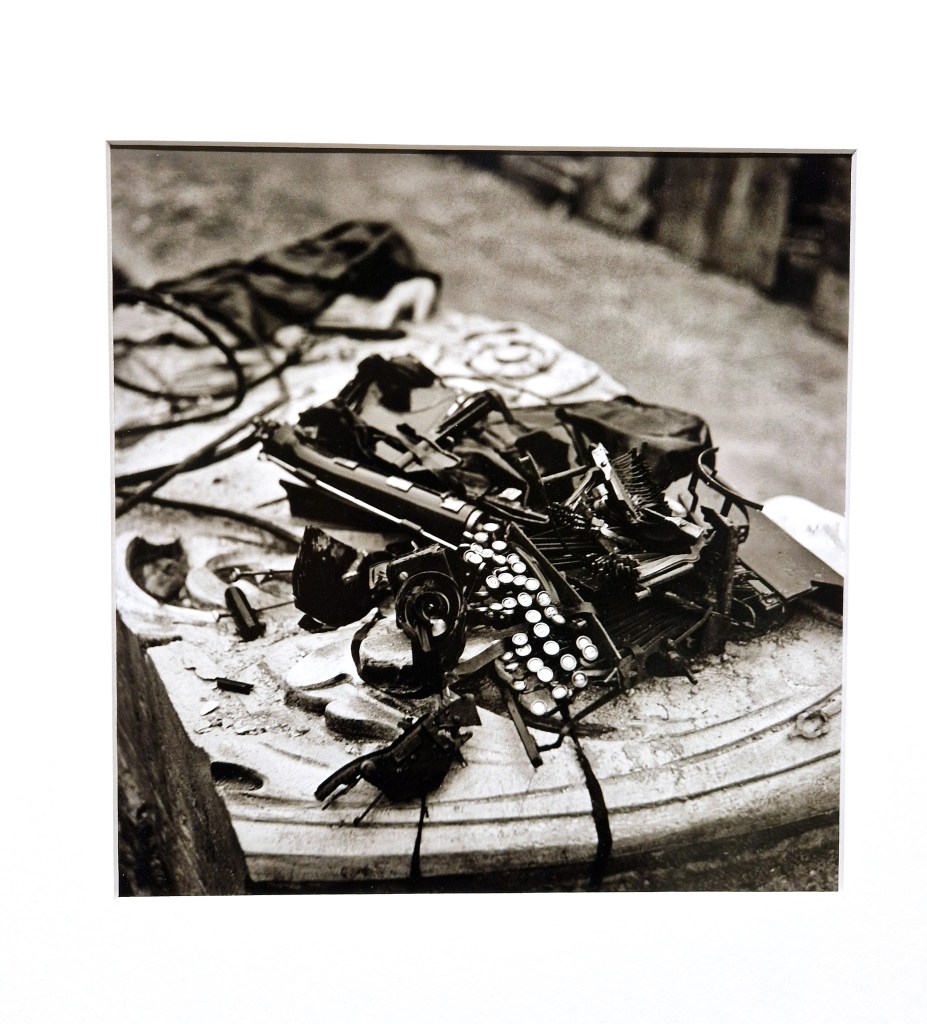
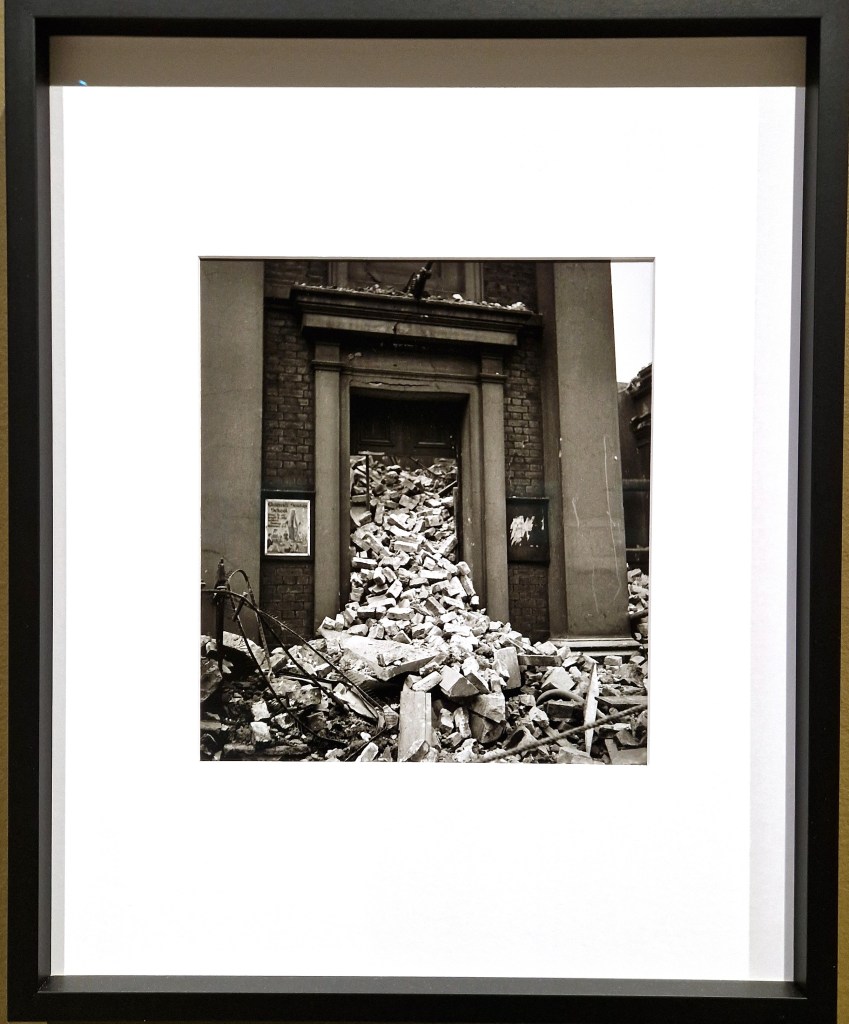
Miller is perhaps best known for her wartime reportage. When the Second World War broke out, she was living in the United Kingdom with her second husband, Roland Penrose. Working as a photojournalist for Vogue UK, she began documenting cities bombed by the Nazis. The uniqueness of her images lies in her framing and choice of subject: rather than depicting battle scenes or common war images, Miller translated the devastation of war through symbolic compositions. Her surrealist sensibility is particularly evident in this period, focusing on objects, fragments, and architectural details that, though witnesses to destruction, retain a haunting poetic quality.
In 1945, Miller produced some of her most powerful war photographs. As an accredited war correspondent for Vogue, she was among the first photographers to enter the liberated concentration camps following the Allied advance. These raw and unflinching images reveal the horror of what she encountered – survivors and corpses alike – rendered not with sensationalism, but with an unmediated honesty that transforms each photograph into a stark historical testimony. Her work from this period is perhaps the most moving of her career, functioning as both document and warning, a visual memory for the present and future.
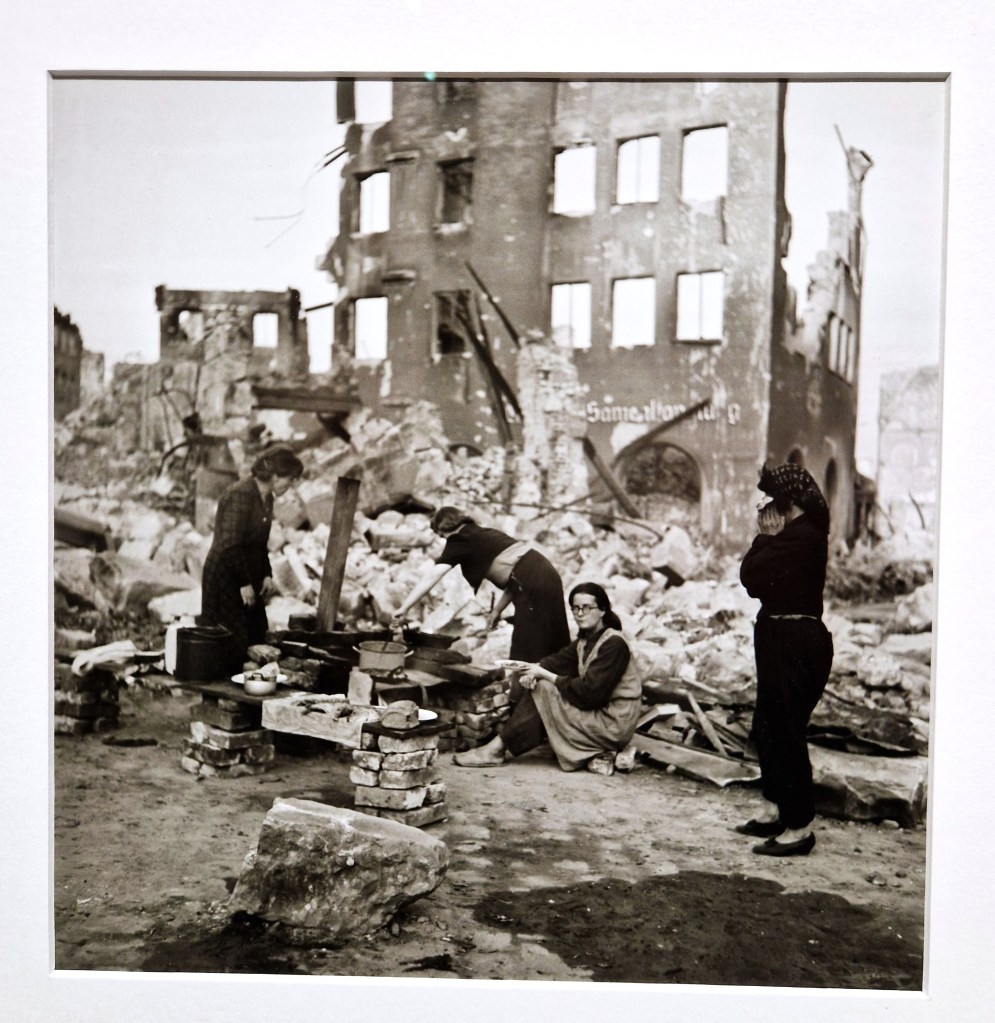
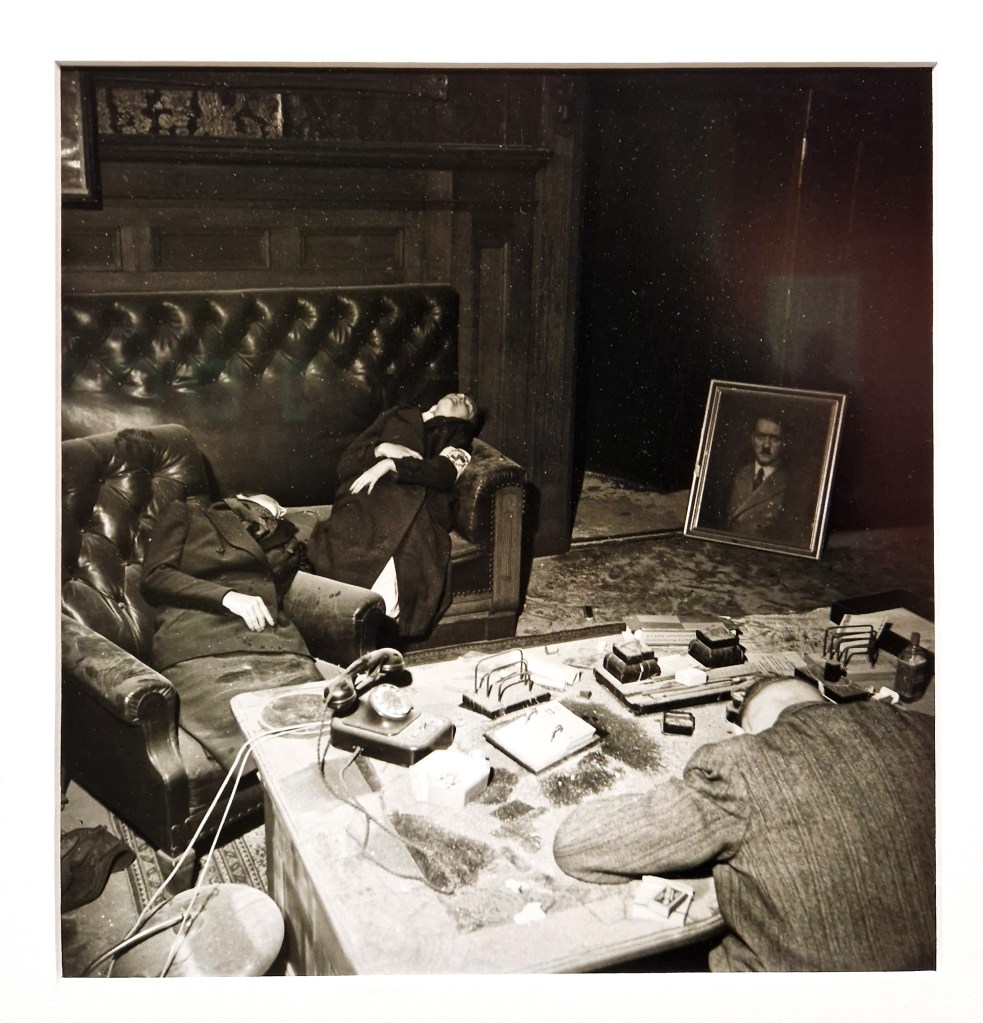
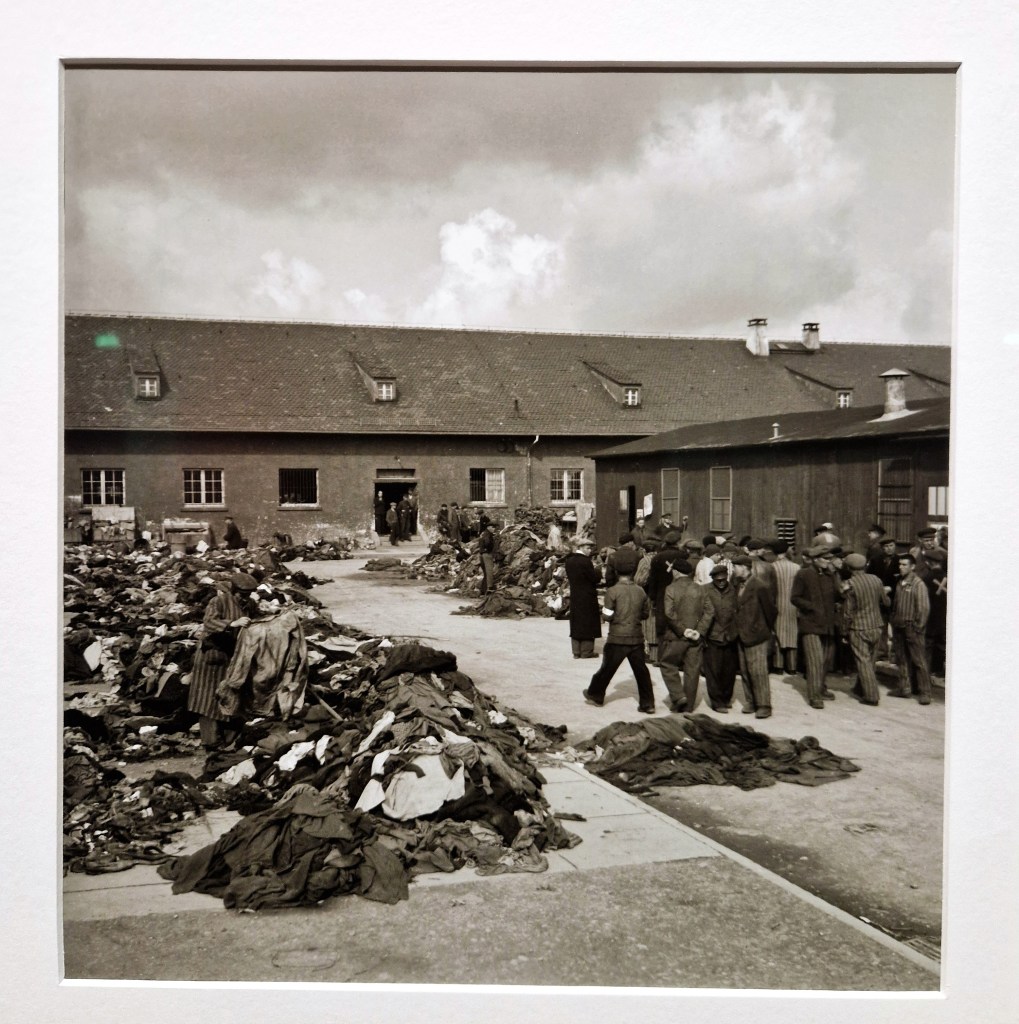
Another memorable and striking series focuses on the German generals who took their own lives just before the Liberation. Here, Miller’s surreal and theatrical language resurfaces: her compositions are so precise and immediate that they verge on the unreal, oscillating between photojournalism and staged vision. Throughout her time as a war correspondent, her images were often accompanied by her own texts in Vogue, revealing her dual talent as both photographer and journalist, testifying her lucid awareness of the historical moment she was witnessing.
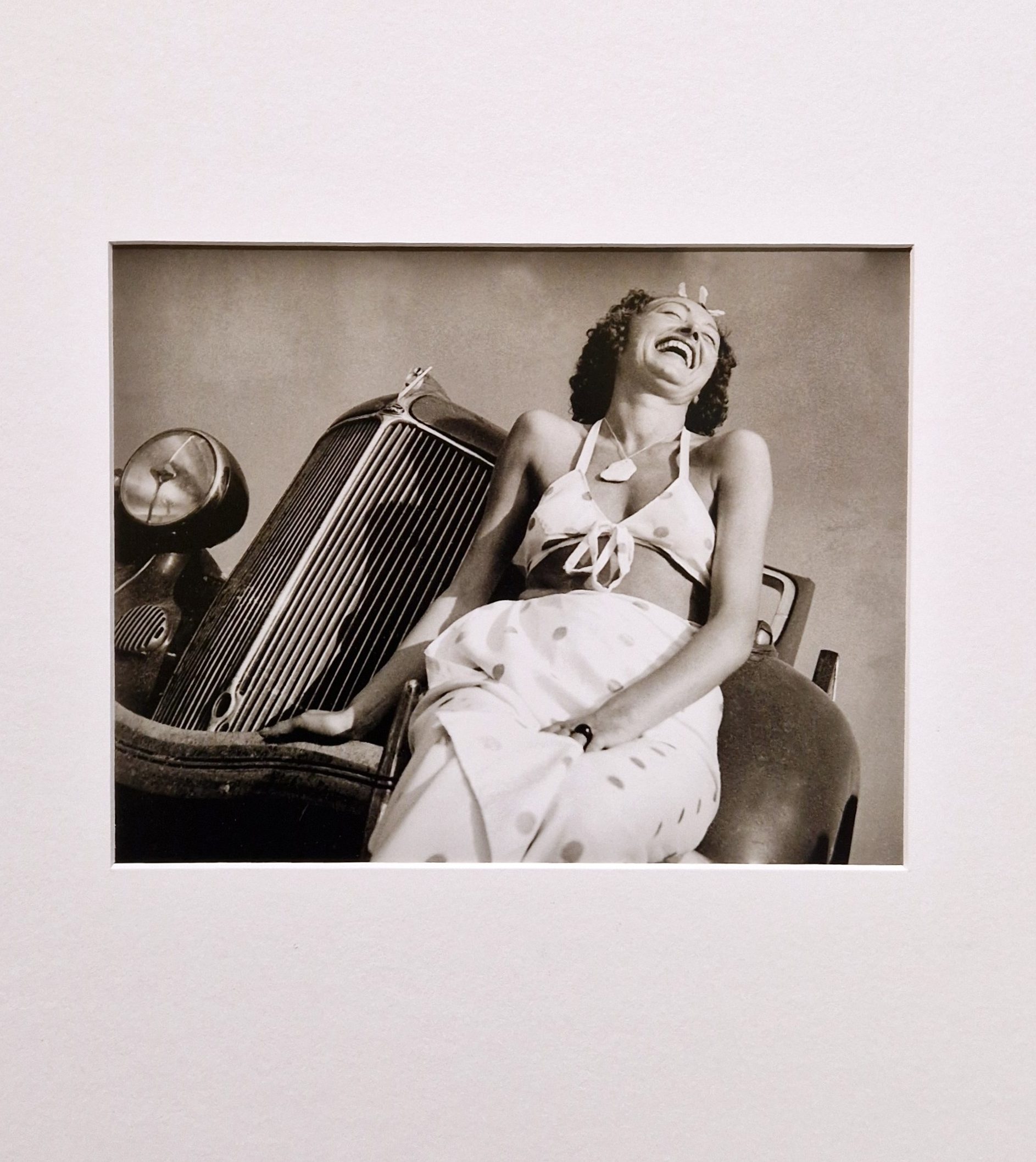
After the war, Miller gradually withdrew from photojournalism. By the mid-1950s, she retired to the English countryside with Roland Penrose. The final section of the exhibition is devoted to these later years, closing on a lighter and more intimate note. Surrounded by friends – many of them major artists of the time – she continued to photograph, creating playful and ironic portraits that reflect the humor and curiosity that had always defined her work.
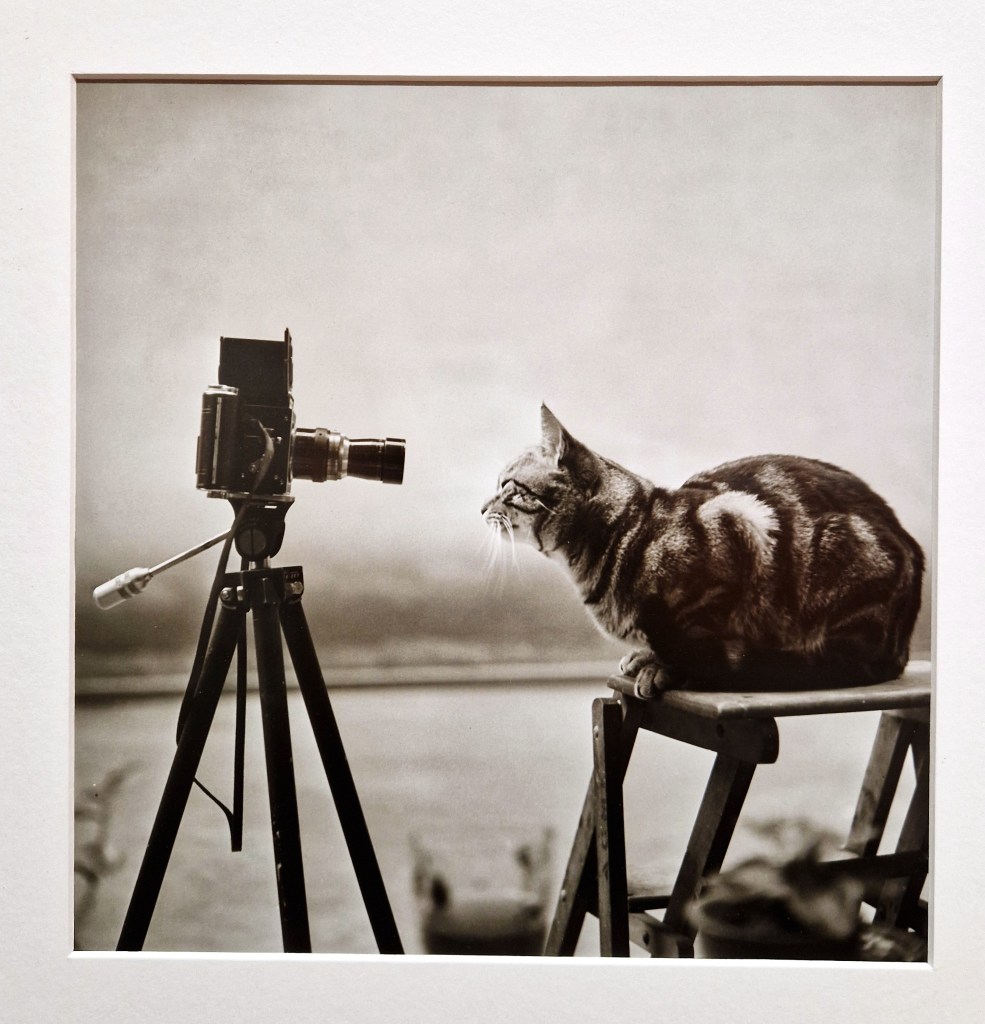
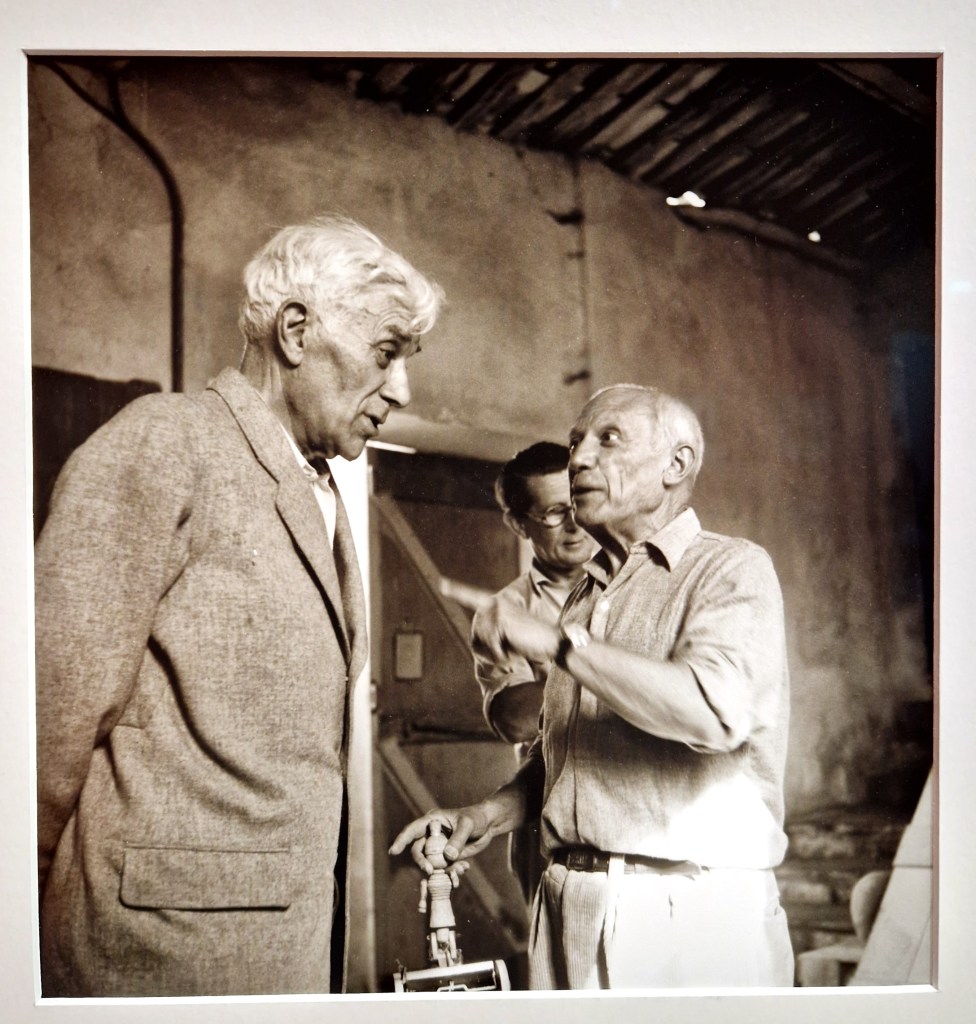
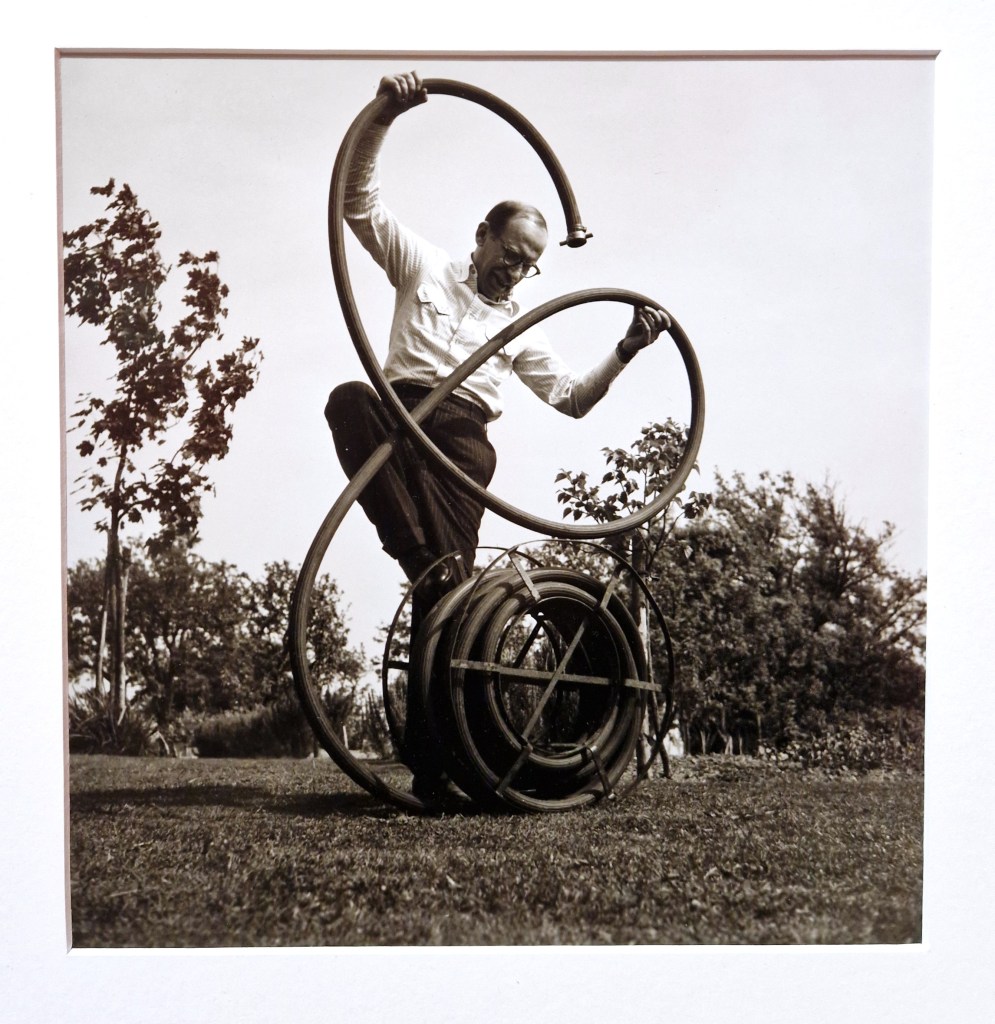
Through this exhibition, CAMERA offers a complete and sensitive portrait of an artist who navigated multiple identities: model, muse, surrealist, war correspondent, and storyteller.
My personal highlights:
- Homeless: Like the women of German-invaded countries, German women now cook in the ruins, 1945
- Suicided Deputy Burgermeister (Kurt Lisso), wife and daughter, Town Hall, Leipzig, Germany, 1945
- Roland Penrose, Lee Miller, Max Ernst and Leonora Carrington, Lambe Creek, England, 1937
- Remington Silent, London, 1940
- Model and Grandpa White, Farleys Farm, East Sussex, England, 1953
- Untitled (Nude back thought to be Noma Rathner), Paris, 1930
 MUSEmemoirs