Info:
- Dates: 26.06.25 – 4.01.26
- Curator: Sophie Duplaix
- Where: Grand Palais
- Price: 17 euros / 14 reduces
The collaboration between the Centre Pompidou and the Grand Palais brings together an ambitious and expansive exhibition devoted to three crucial figures of the 20th-century art world: Niki de Saint Phalle, Jean Tinguely and Pontus Hulten. Through this trio, the show traces not only the intertwined histories of two artists but also the decisive role played by a curator whose vision helped shape their trajectories and, more broadly, the institutional landscape of modern art.
The exhibition unfolds across a structure that is both chronological and thematic, allowing each protagonist to emerge distinctly while revealing the deep interconnections between their paths. It opens with the encounter between Pontus Hulten and Jean Tinguely. Hulten- who at the time still nurtured artistic ambitions – was captivated by Tinguely’s radical use of movement and mechanical structures. This meeting convinced him to fully embrace curating rather than pursue an artistic practice himself. A few years later, in 1956, Tinguely met Niki de Saint Phalle in Paris; from 1960 onward, the two became both artistic collaborators and partners in life. It was Tinguely who introduced Saint Phalle to Hulten, sealing a long-lasting triangulation of friendship, exchange and creative complicity.
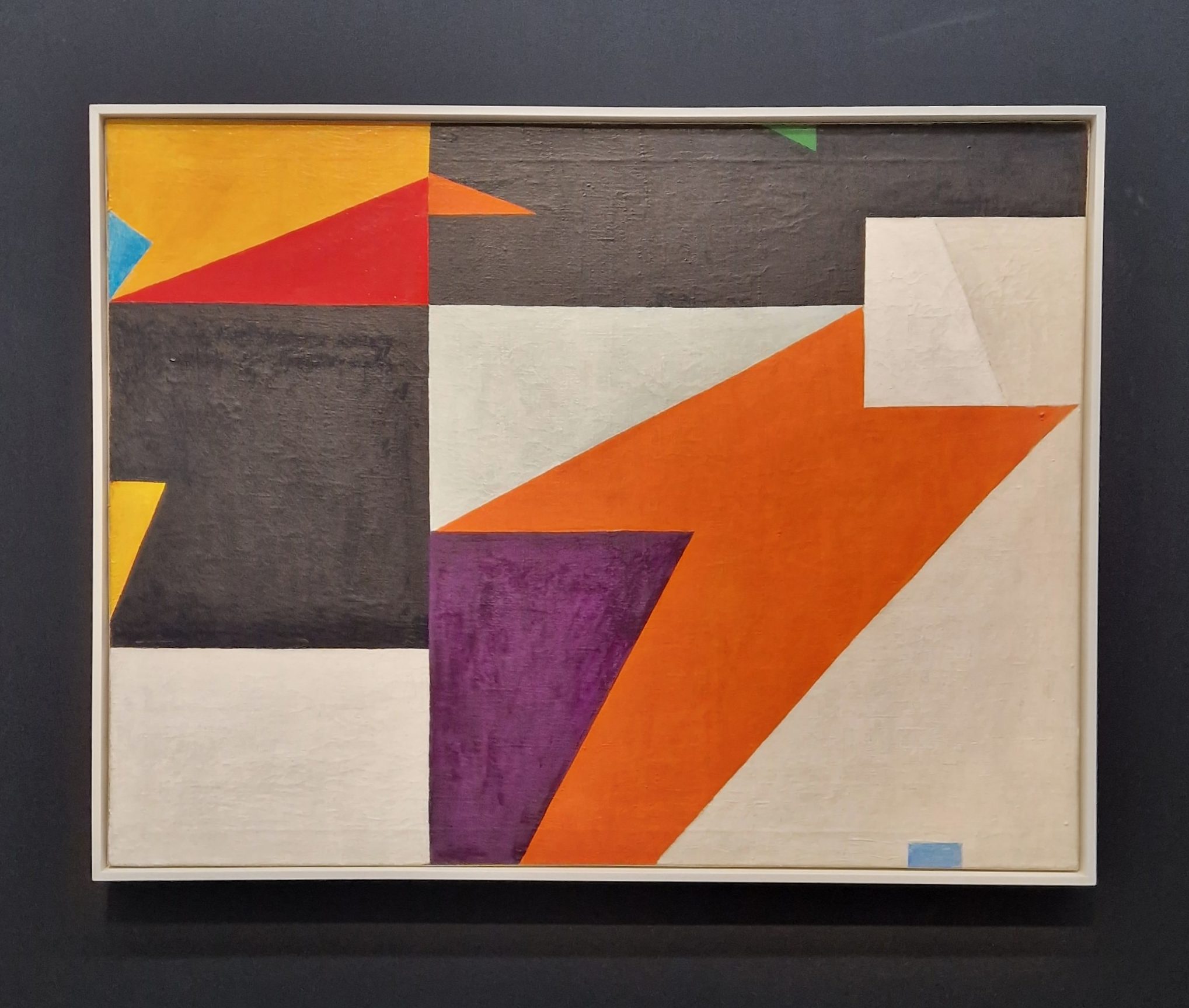

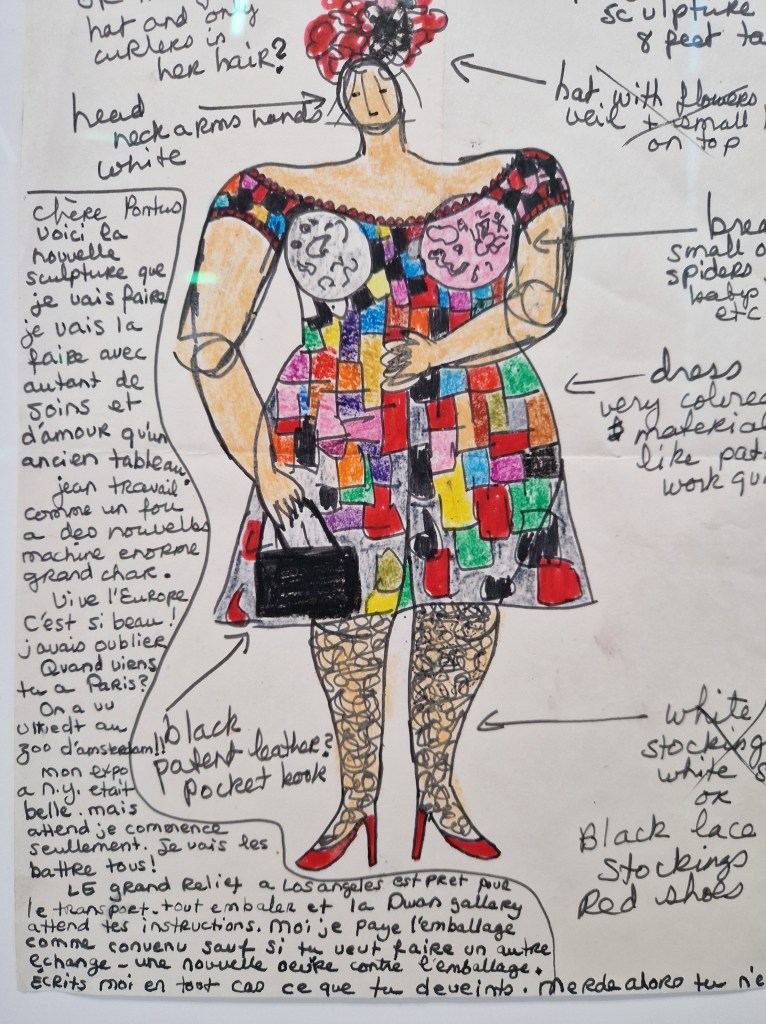
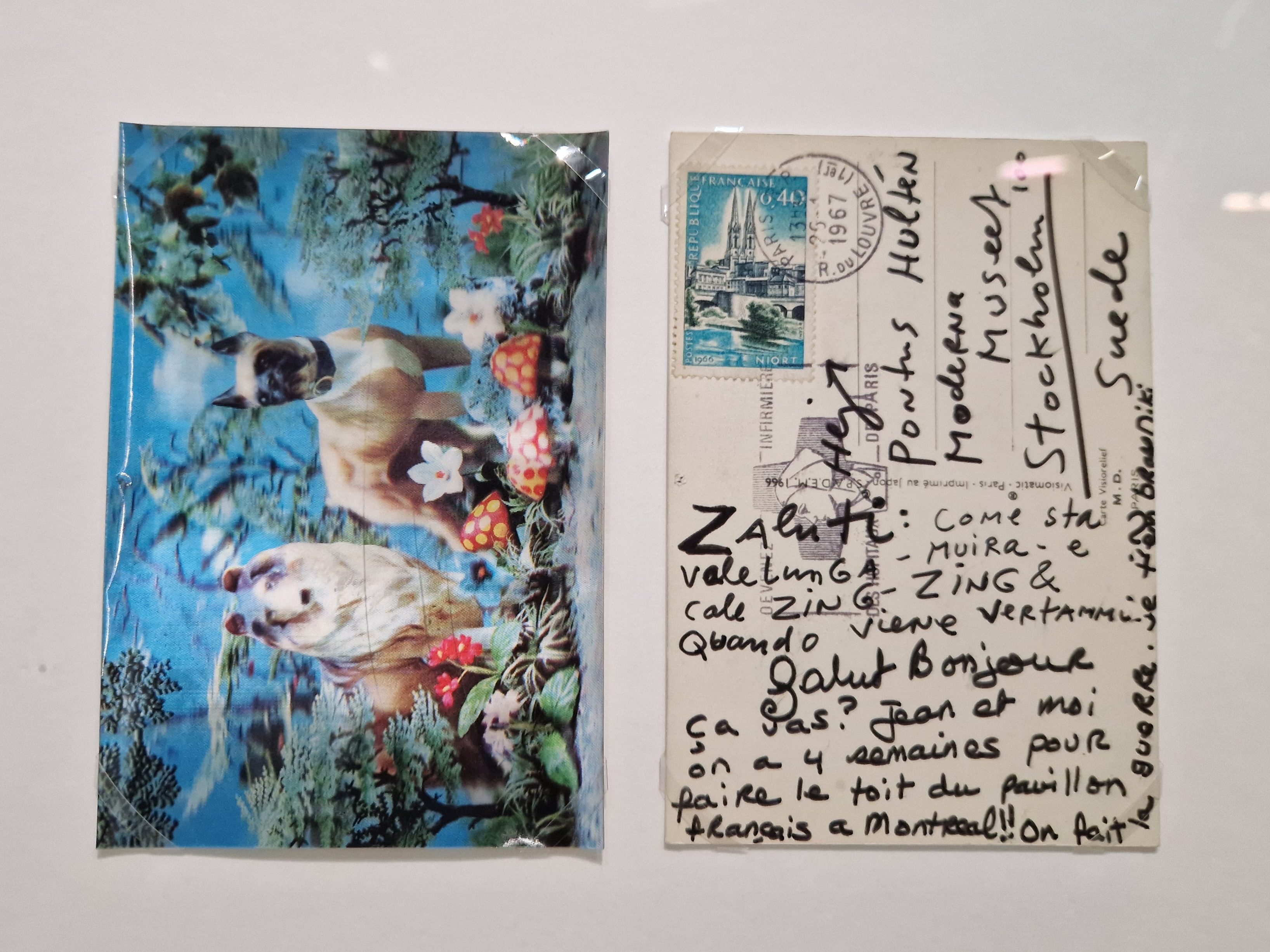
One of the most compelling aspects of the exhibition is its attention to Hulten’s curatorial career, an unusual but essential perspective, considering the extent to which his institutional work directly influenced the visibility of Tinguely and Saint Phalle. Appointed in the late 1950s to the Nationalmuseum in Stockholm, Hulten developed what would become the Moderna Museet. Bold and forward-looking, he enriched the collection with contemporary works and maintained a dense correspondence with both artists, many of whose letters and postcards are displayed here.
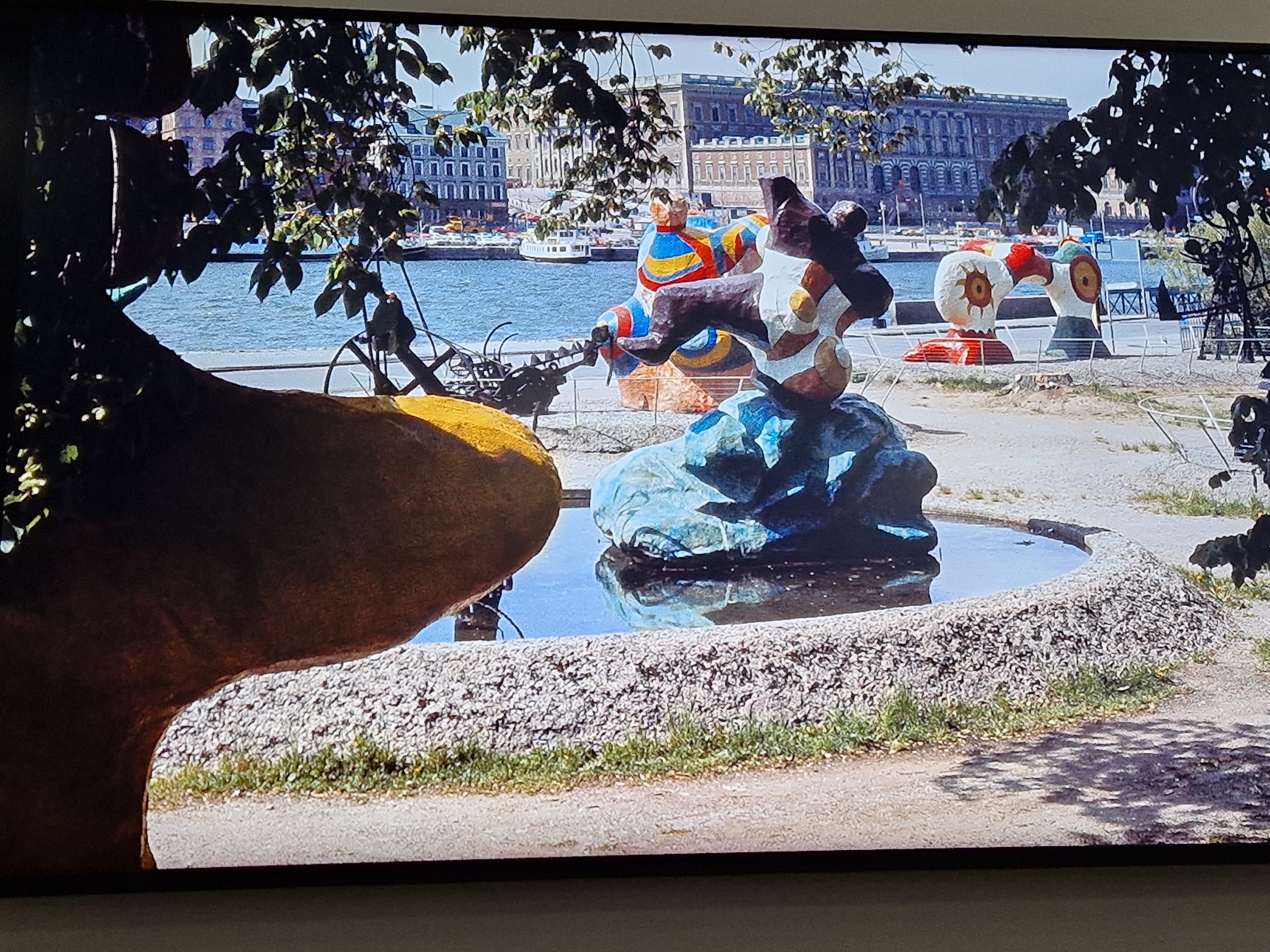
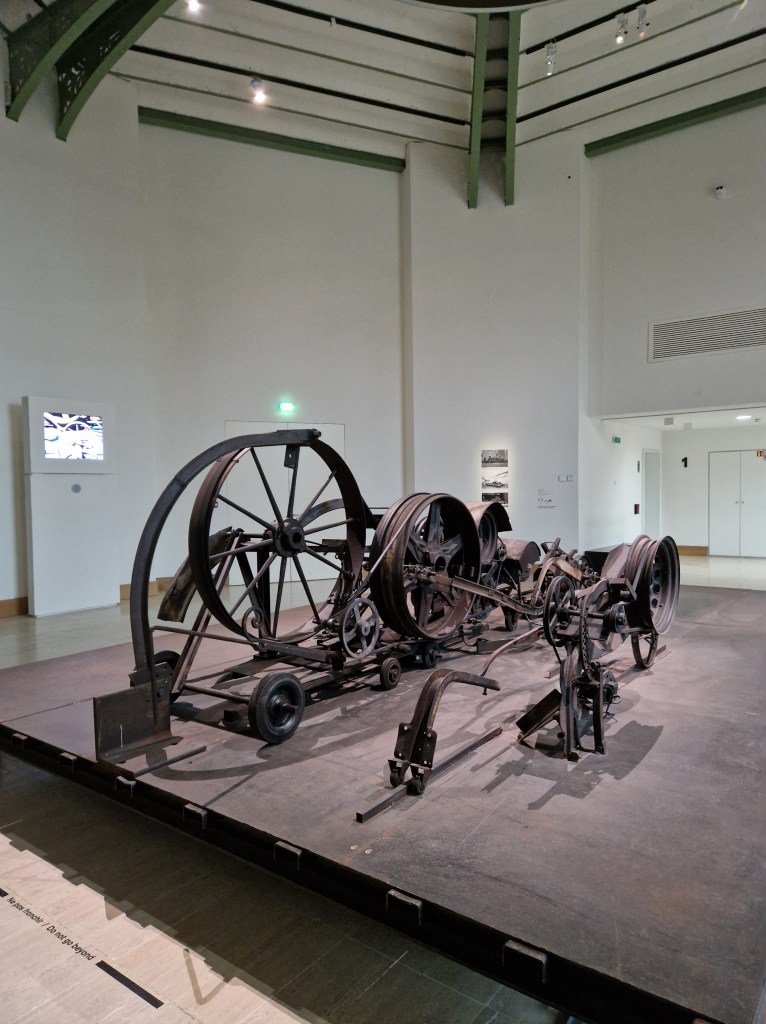
In 1961, Hulten conceived the exhibition Rörelse i konsten (Movement in Art) at the Moderna Museet, strongly inspired by Tinguely’s kinetic research. Tinguely’s works occupied a central place, several of which are revisited in the present exhibition. Significantly, Hulten also introduced Saint Phalle’s Tirs to the Scandinavian public during this show, staging performances where the artist executed her emblematic shooting actions.
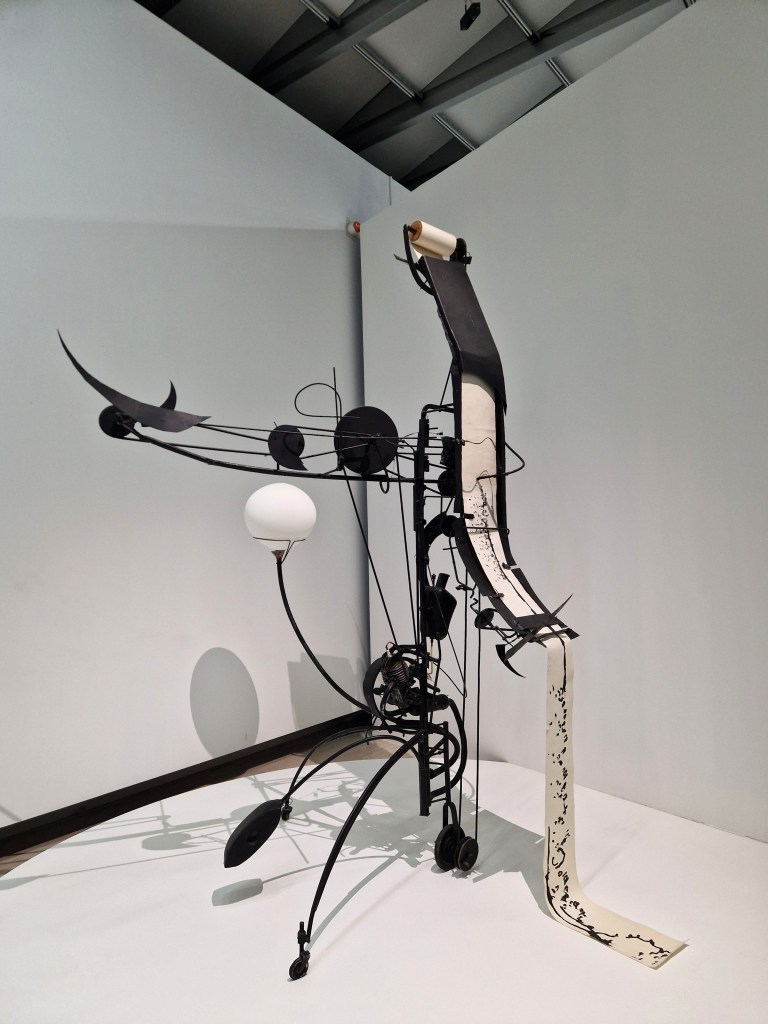
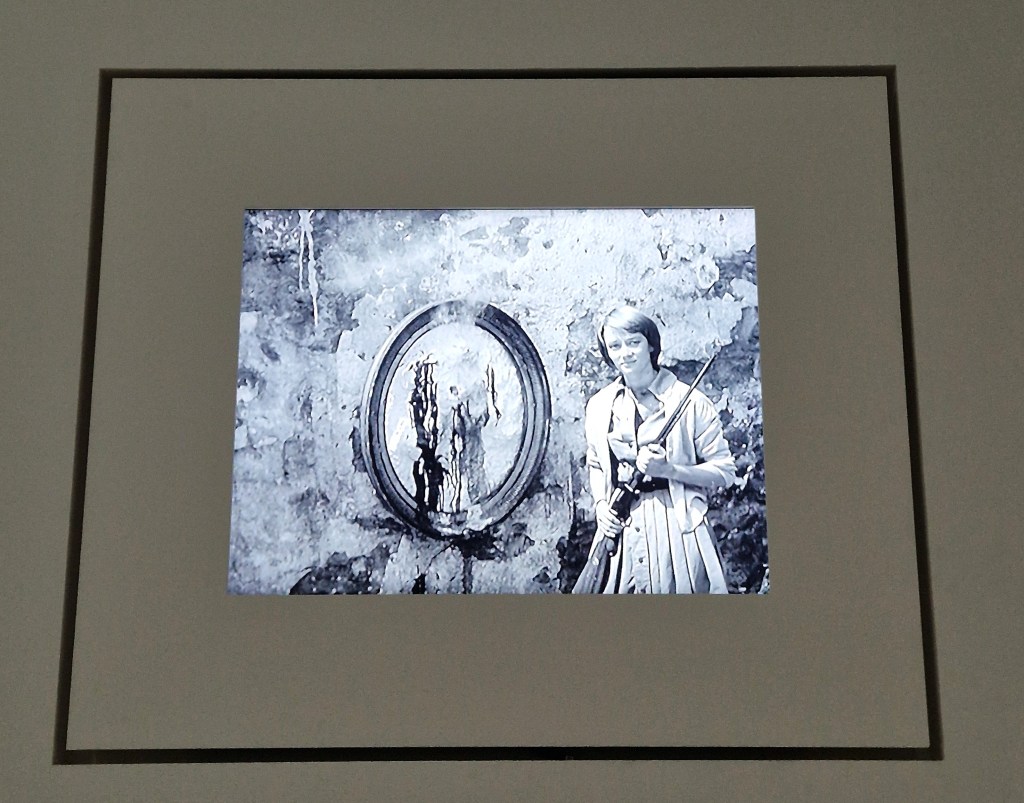
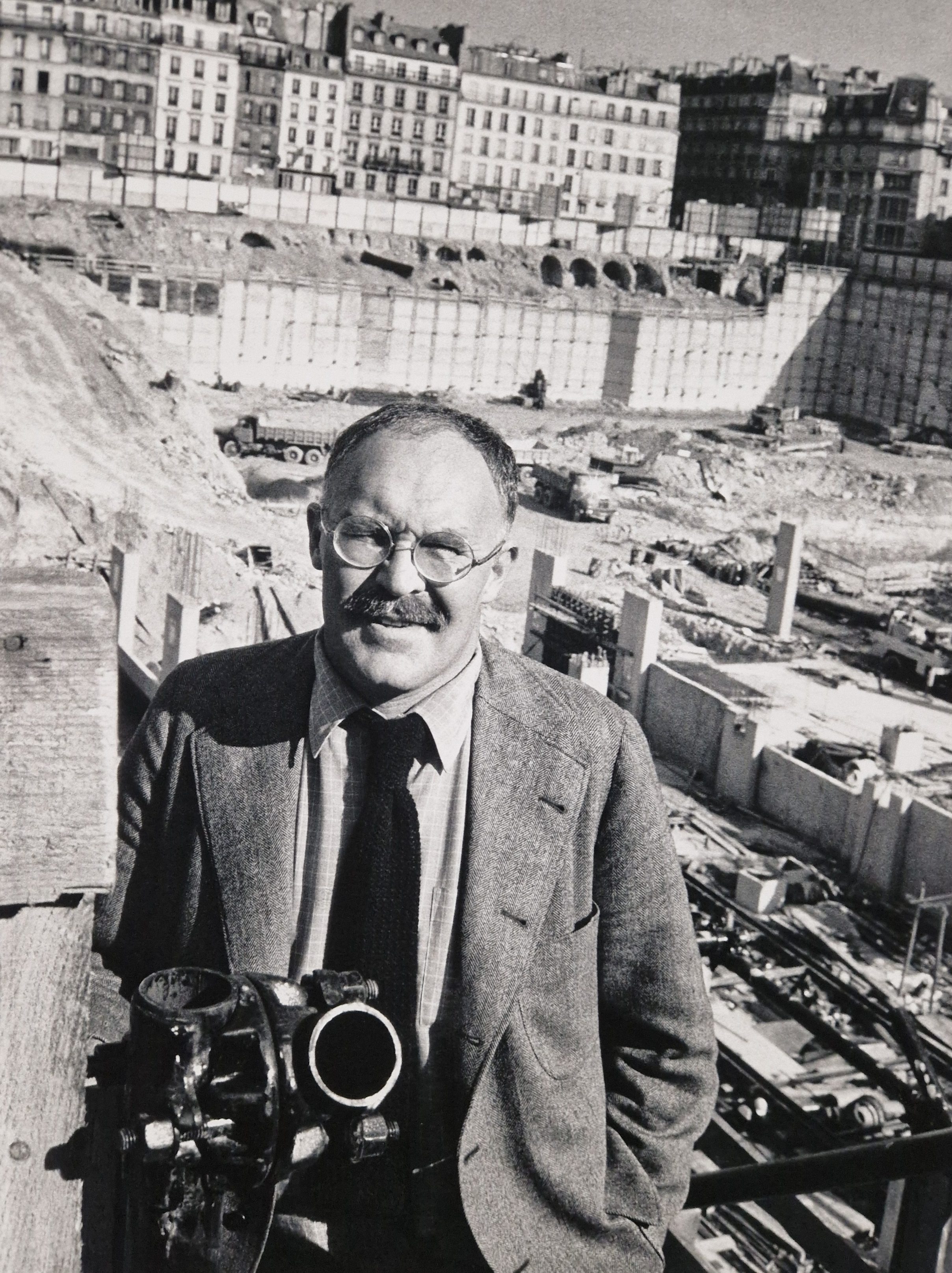
In 1973, Hulten was called to Paris for a prestigious mission: defining the identity of the newly created Centre Pompidou as its first director. Archival photographs and documents included in the exhibition recall this foundational moment for one of the world’s most influential museums of modern art. Hulten championed Saint Phalle and Tinguely within this institutional framework, valuing the openness, accessibility and experimental energy that characterised their work. A powerful example of this is Le Crocrodrome de Zig & Puce, presented in its project details in one of the final sections of the exhibition. This monumental installation, realised in 1977 in the Pompidou forum, was conceived collaboratively by Tinguely, Saint Phalle and Bernhard Luginbühl. Built publicly over several months under the eyes of visitors- and later destroyed just as openly – it embodies their belief in art as an evolving, shared and collective process.
In the remaining sections, Saint Phalle and Tinguely’s practices merge fluidly, reflecting their prolific and deeply collaborative dynamic. Archival videos, project films and documentation illuminate their shared vision of an inclusive, participatory and exuberant art, exemplified in monumental works such as Le Paradis fantastique or the iconic Hon, conceived for the 1966 exhibition at the Moderna Museet. Footage from the time reveals the public’s astonishment as they entered the installation through the “vagina” of a monumental Nana and discovered within a cinema, a gallery, an aquarium and other spaces, all conceived with joyful irreverence.
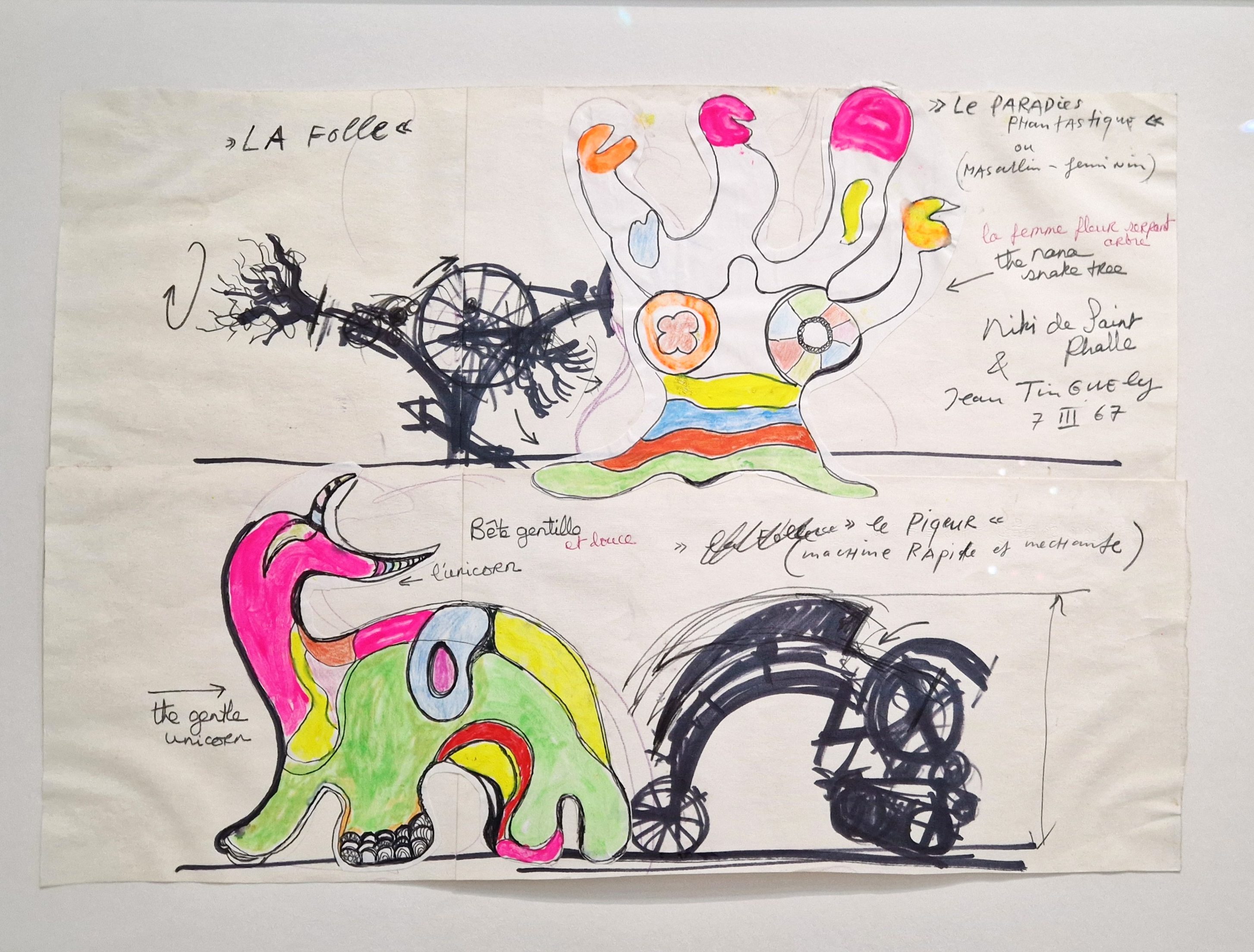
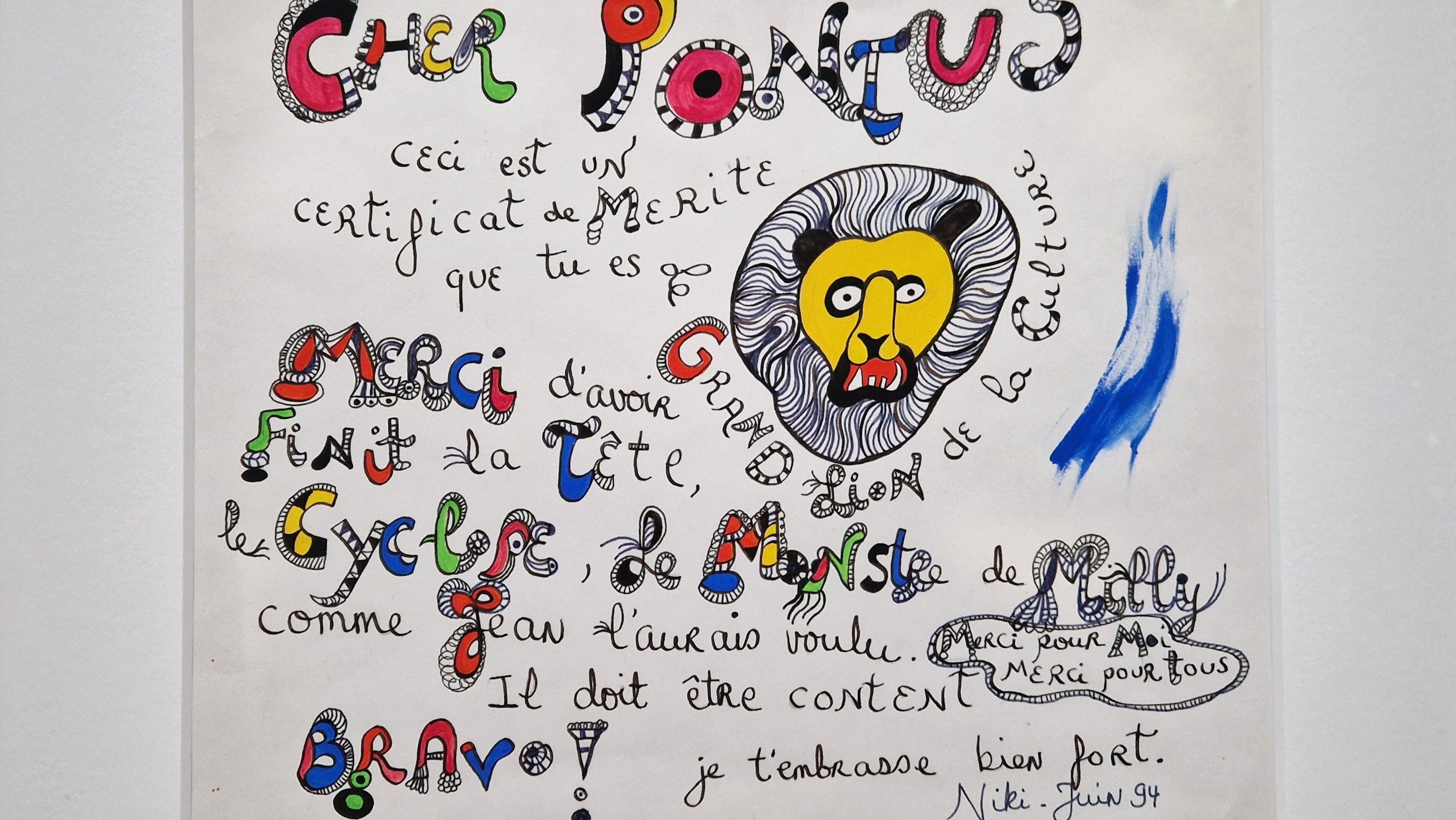
Their legacy continues through the monumental Cyclop in Milly-la-Forêt, a secretive construction to which Tinguely devoted decades of work. After his death, Saint Phalle completed the project following his wishes, with Hulten’s support. Unveiled in 1994, the Cyclop remains visitable today, a testament to their shared ambition and resilience. A thankful drawing-letter shows the gratitude of Niki towards Hulten after achieving this projet (cover photo).
The exhibition further reconstructs two historical monographic shows dedicated to each artist: Tinguely (Centre Pompidou, 1988–1989) and Niki de Saint Phalle (Centre Pompidou, 1980). Works originally displayed are re-activated here, enabling visitors to immerse themselves in the distinct visual universes of both artists.
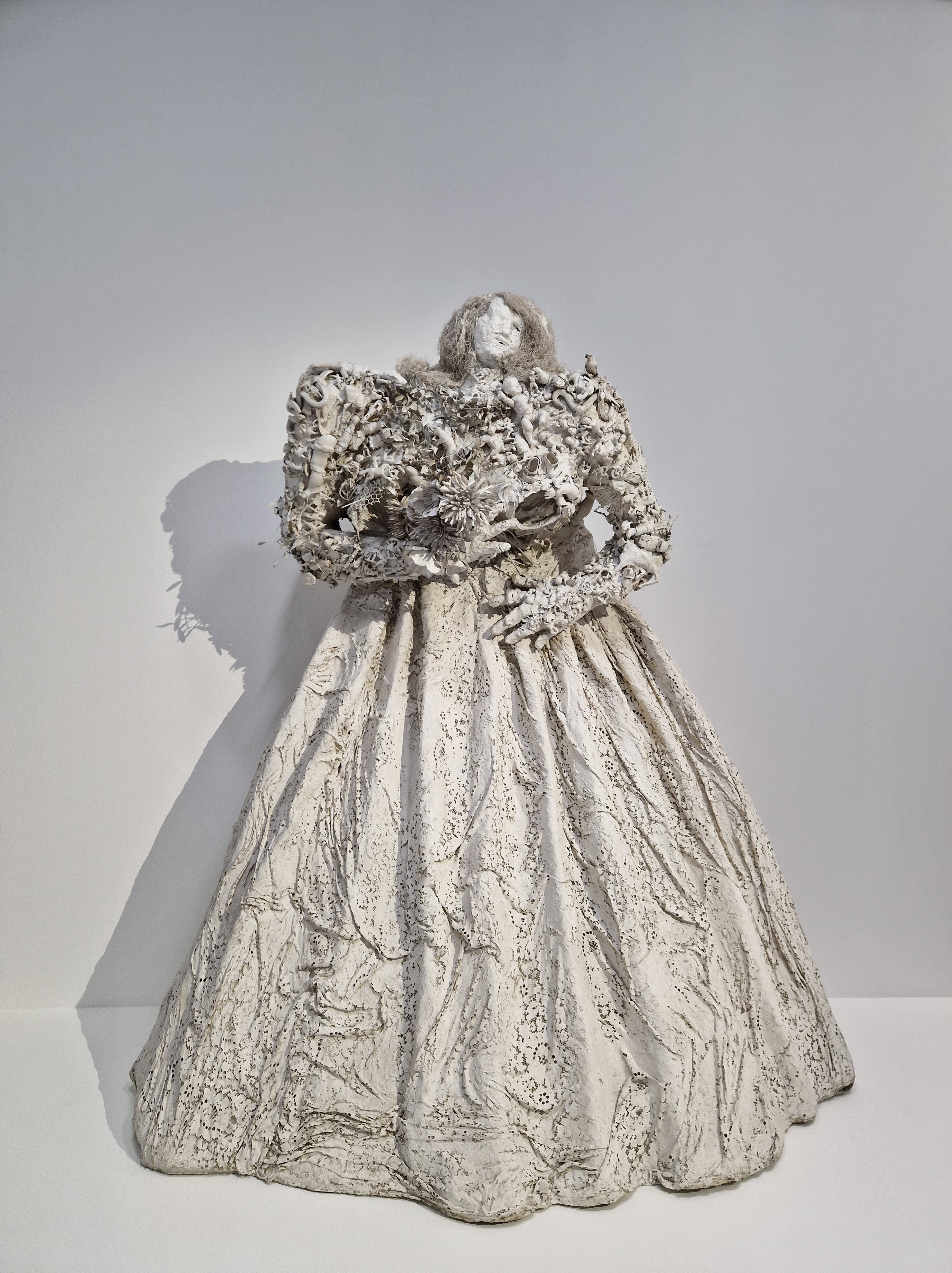
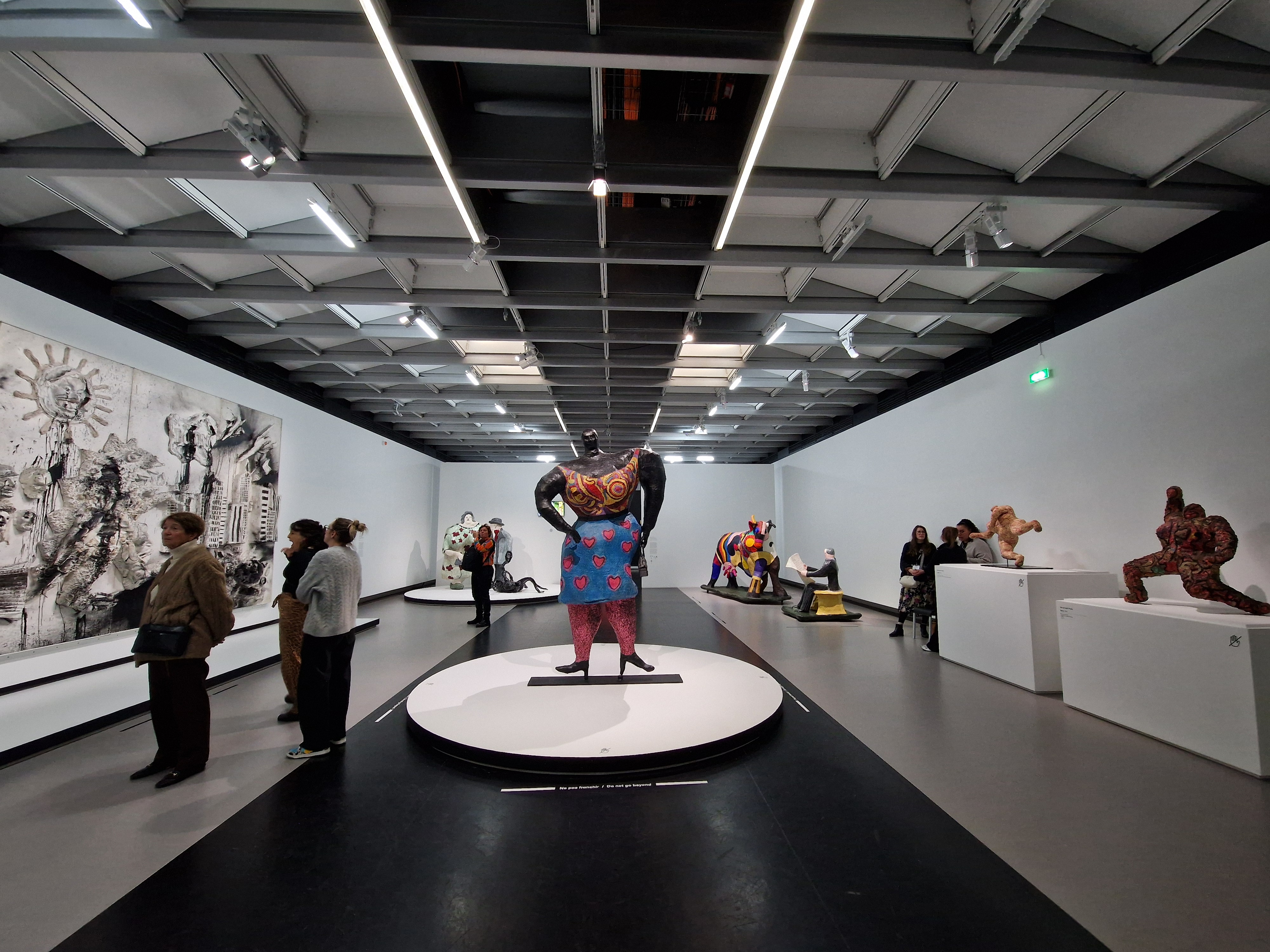
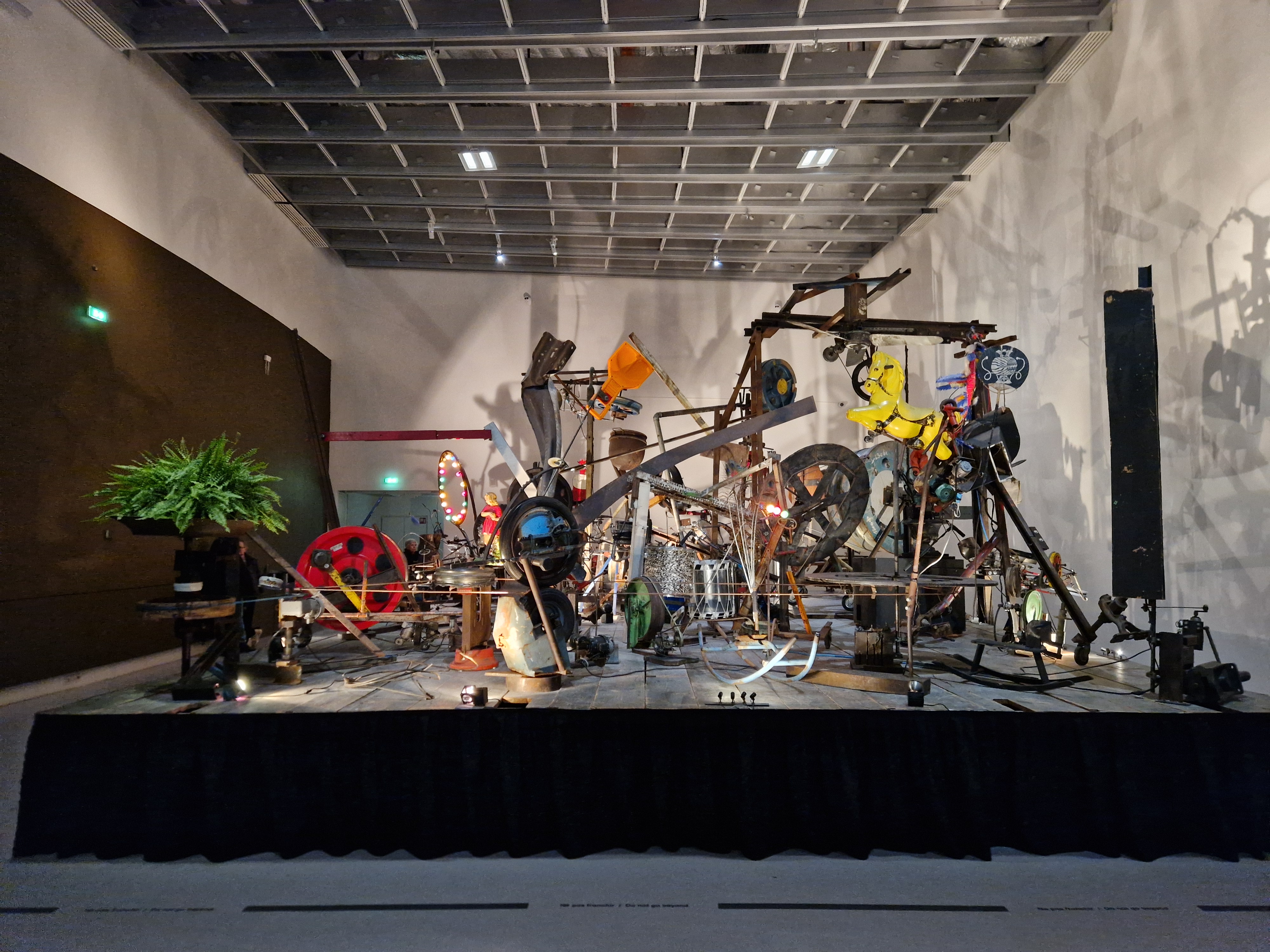
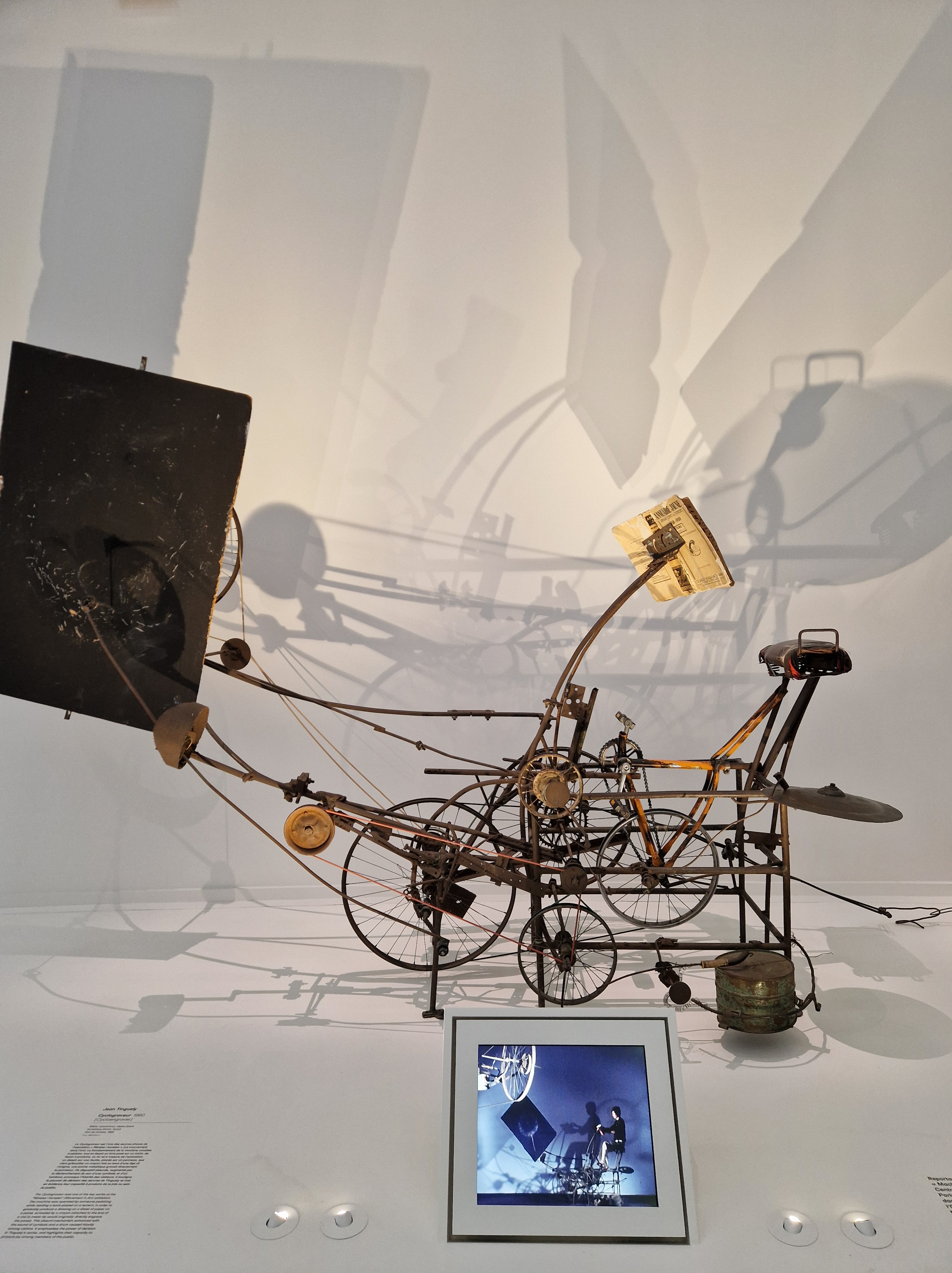
Ultimately, this exhibition succeeds in offering far more than a survey of three influential figures. It foregrounds an ecosystem of artistic and curatorial exchange, highlighting how friendship, trust and intellectual companionship can profoundly shape artistic legacies. The show underscores not only the inventiveness and audacity of Saint Phalle and Tinguely, but also the discreet yet decisive role of Hulten in enabling their art to resonate across institutions and generations.
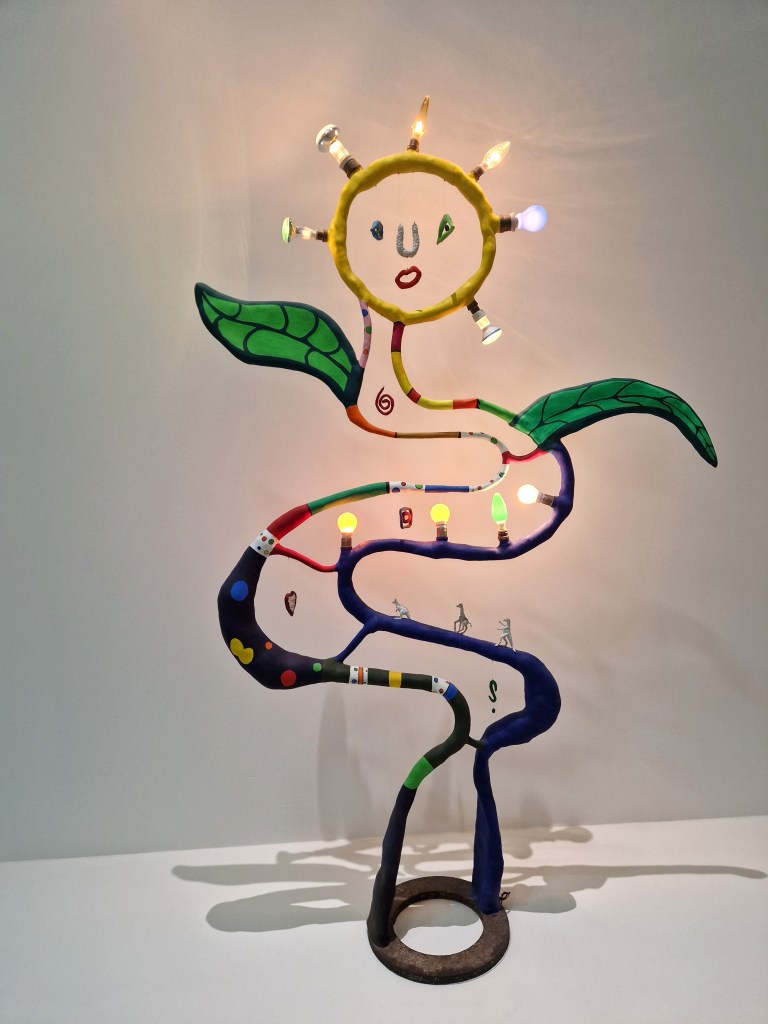
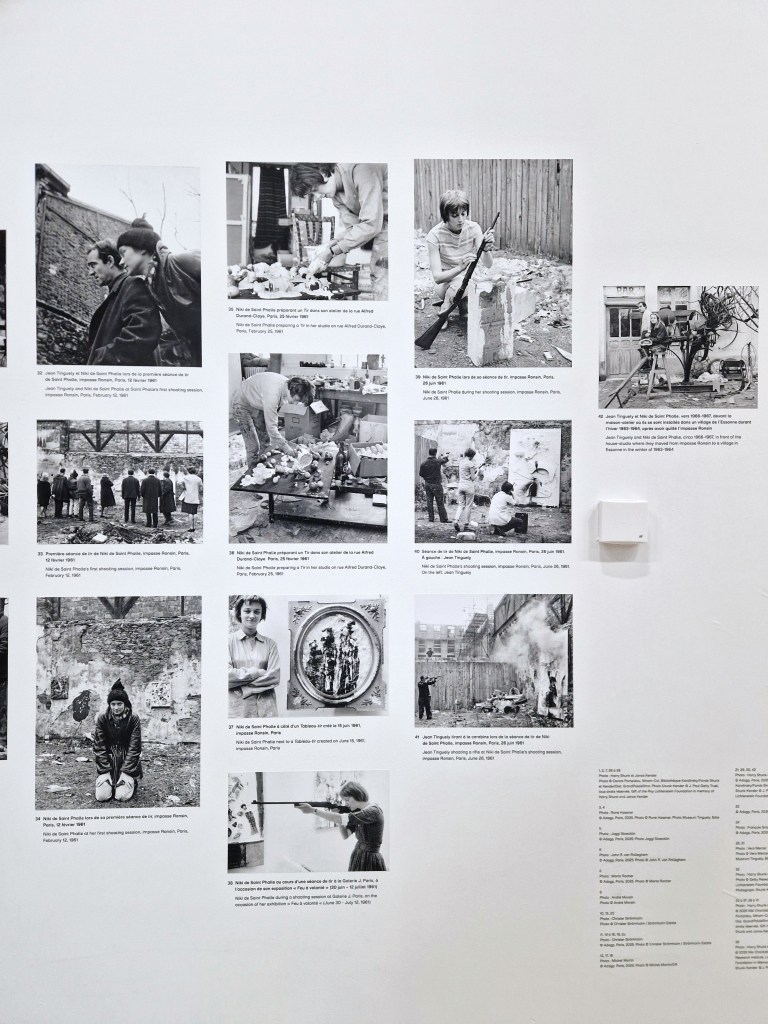
My personal highlights:
- Niki de Saint Phalle, Letter-drawing to Pontus Hulten, 1965
- Niki de Saint Phalle, Untitled (lamps), 1980 ca.
- Jean Tinguely, Hell, a small beginning, 1984
- Niki de Saint Phalle, Black Rosy, 1965
- Jean Tinguely, Meta-Matic n^1, 1959
 MUSEmemoirs