Info:
- Dates: 17.10.25 – 8.02.26
- Curator: Annick Lemoine & Sixtine de Saint-Léger
- Where: Petit Palais
- Price: free
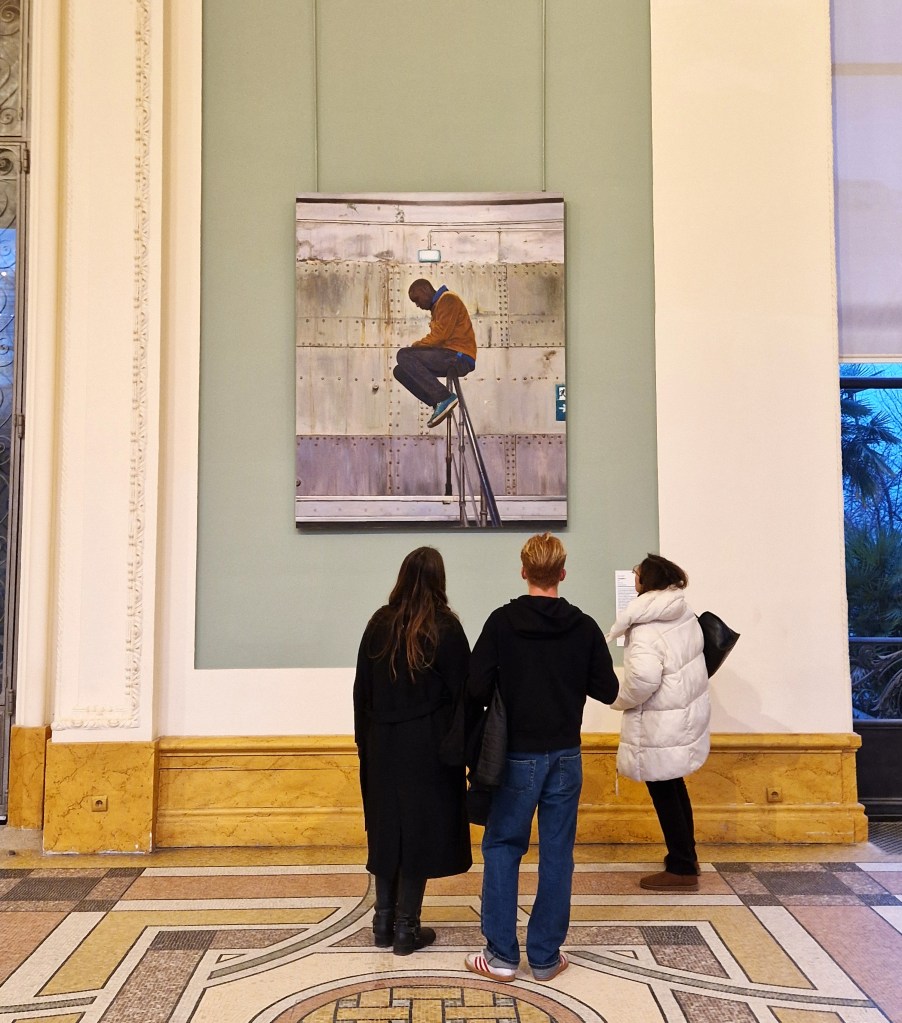
As part of its annual invitation that fosters dialogue between modern and contemporary art, the Petit Palais has invited Bilal Hamdad this year, an Algerian artist whose visibility has been steadily growing over recent years. His works are discreetly inserted among the masterpieces of the museum’s permanent collection, creating an intriguing and sometimes unexpected dialogue with artists such as Courbet, Pelléz, or Benjamin-Constant.
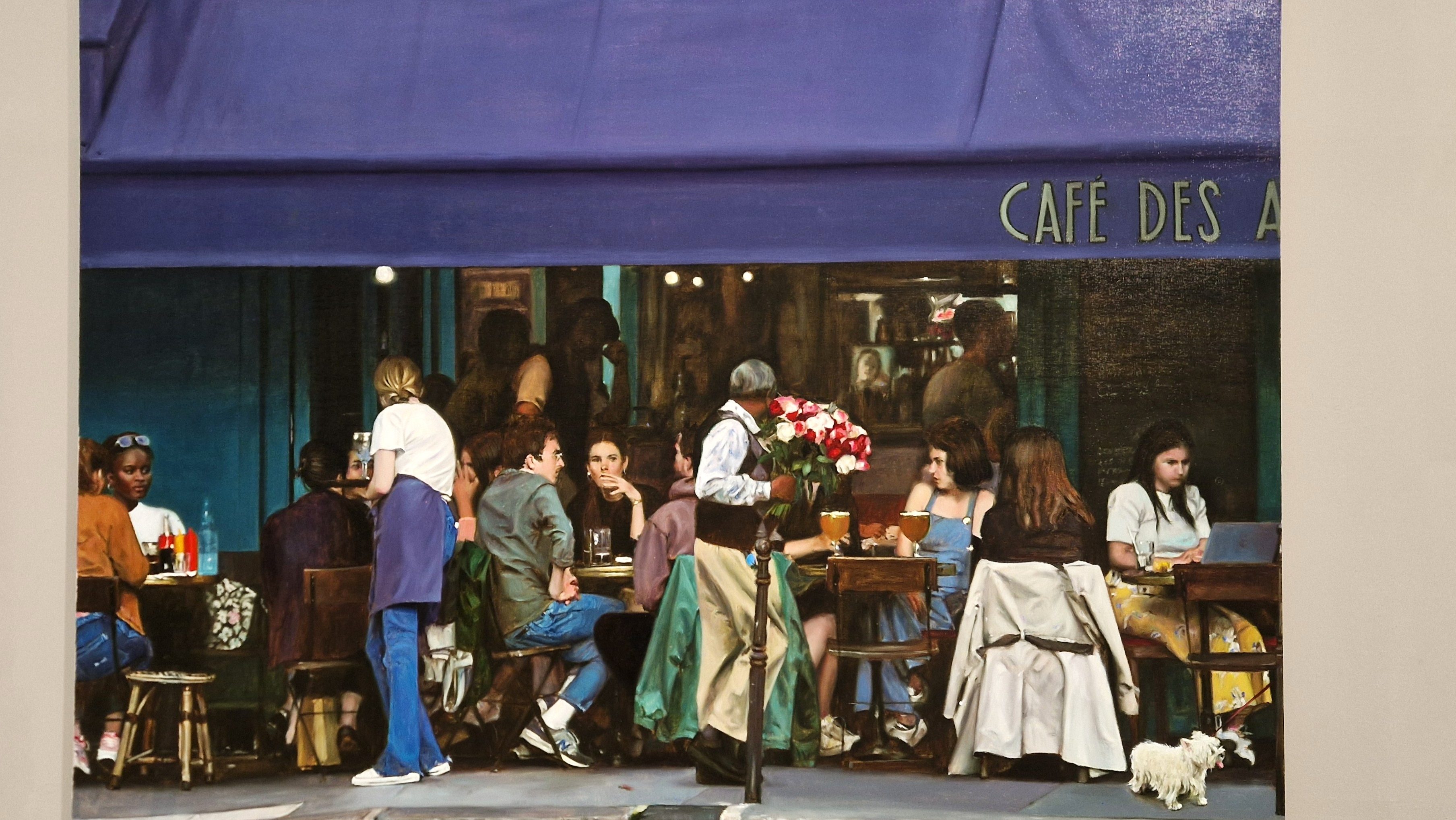
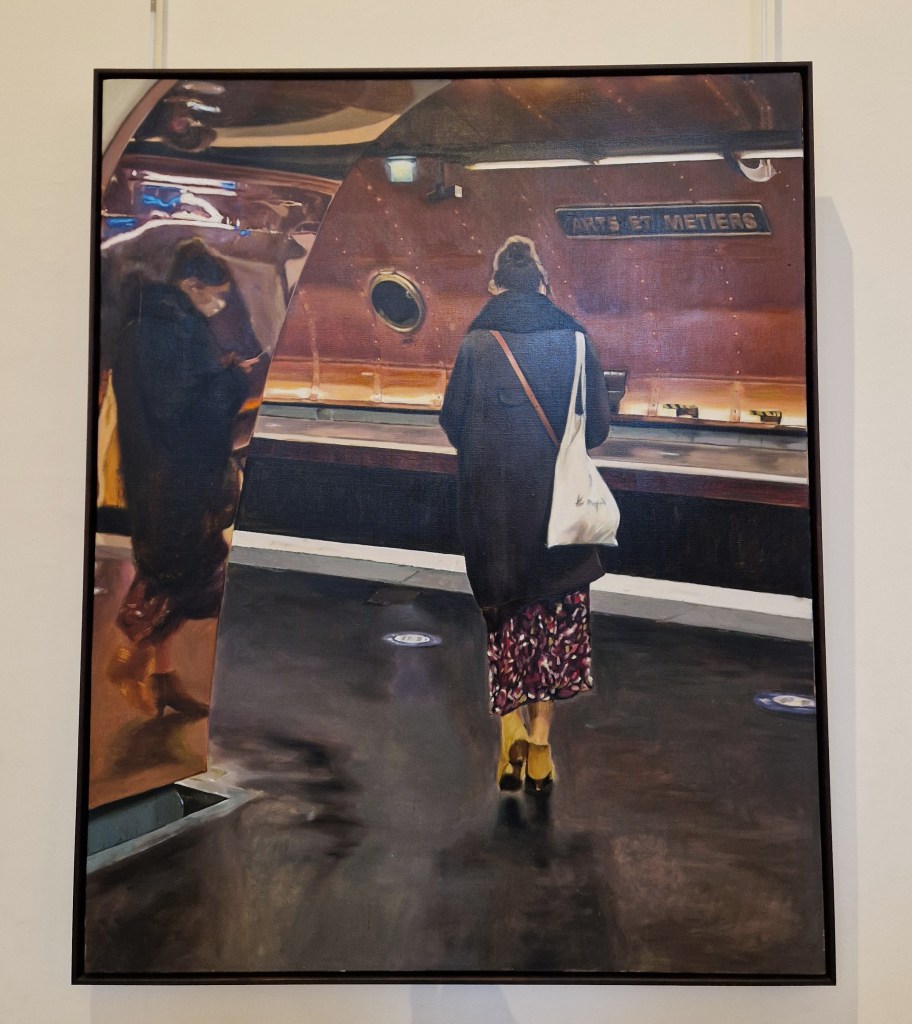
Born in Algeria in 1987, Bilal Hamdad moved to France to study at the École des Beaux-Arts de Paris. He is known for his hyperrealistic painting practice, in which the viewer’s eye often hesitates between photography and painting. His representations of Parisian urban life – dynamic, immersive, and finely detailed – have become emblematic of his work, capturing fleeting moments of the city with striking precision. This exhibition marks the artist’s first major solo presentation within an institutional context.
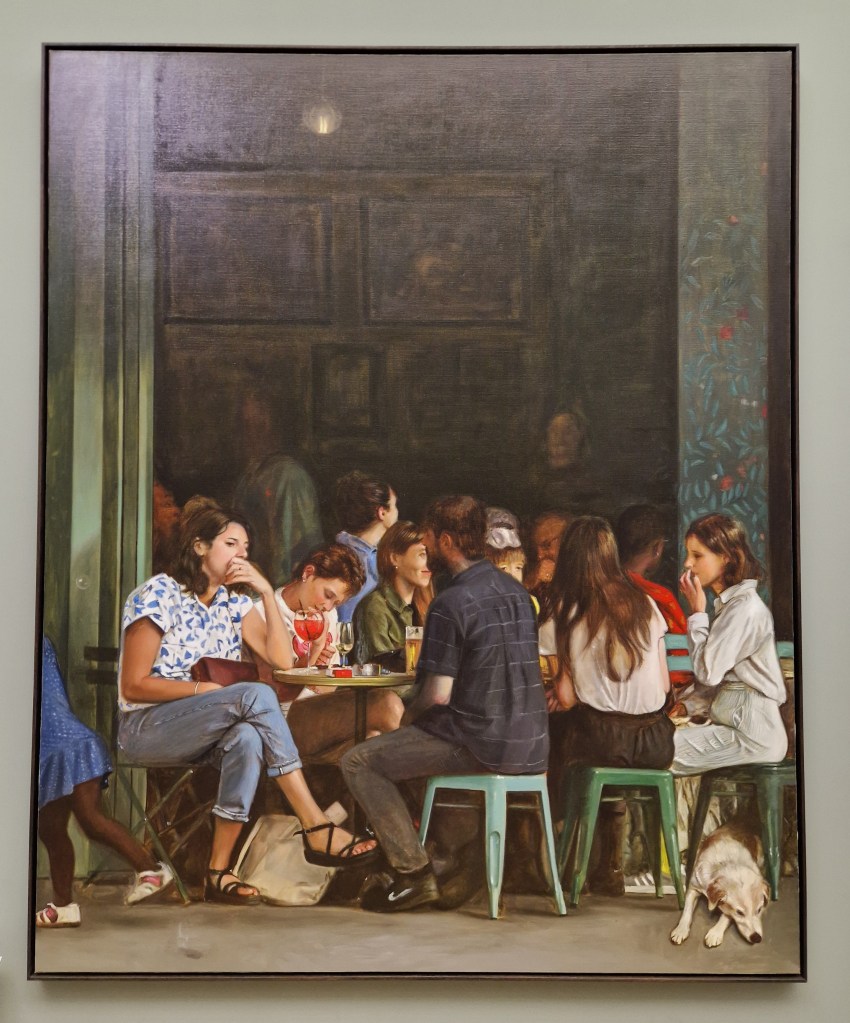
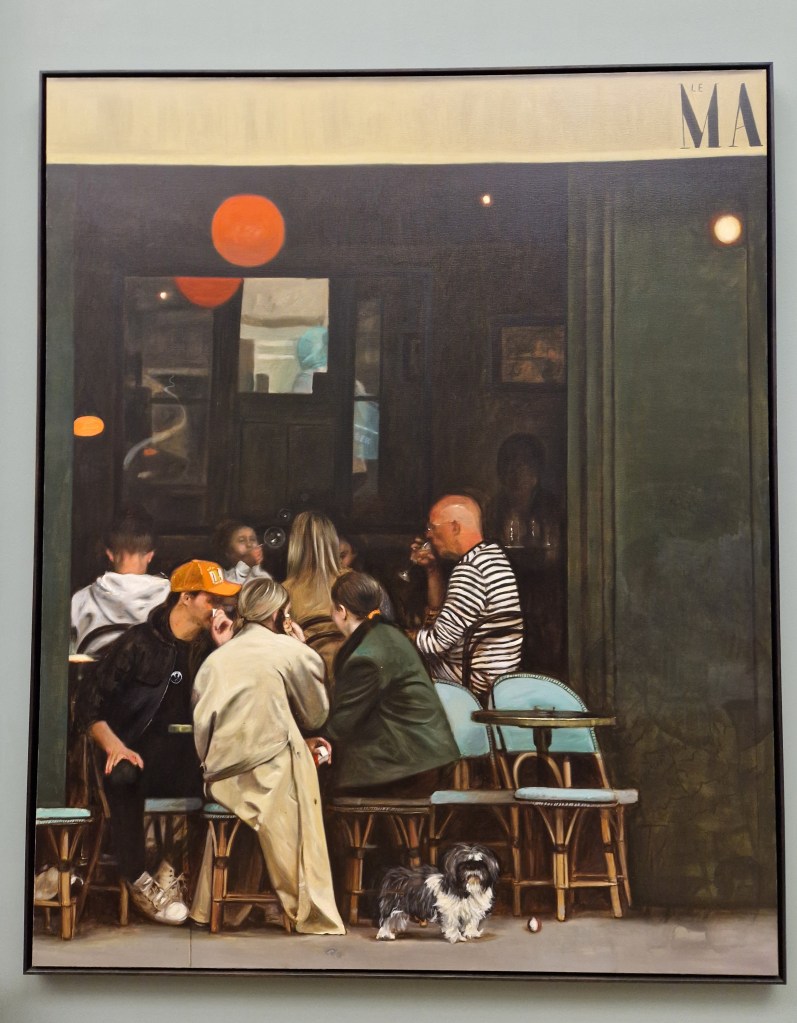
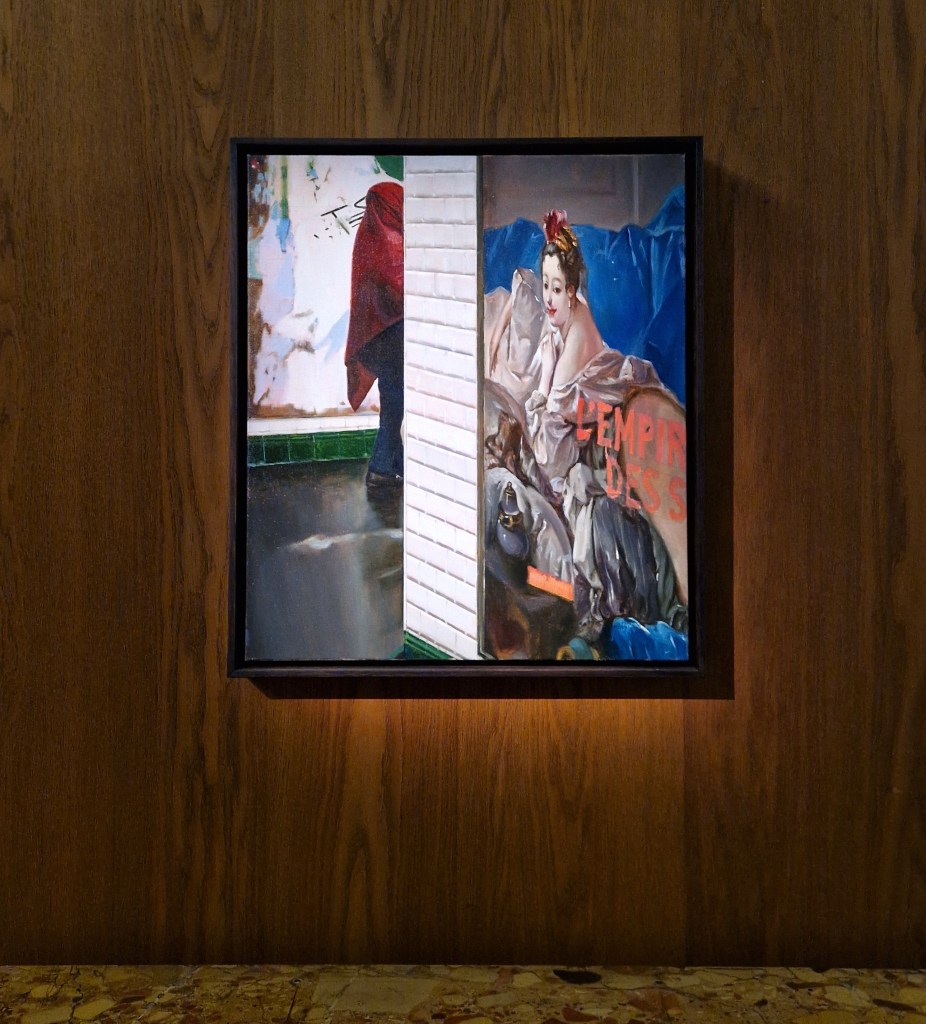
Bar interiors, metro station entrances, everyday scenes frozen in time: these motifs recur throughout Hamdad’s paintings. Yet beyond their apparent immediacy lies a deep engagement with art history. His references draw extensively from the Old Masters, such as Rubens, Caravaggio, Velázquez, whom he has studied closely. This lineage becomes visible not only in compositional choices and lighting effects but is also explicitly highlighted in the exhibition’s wall labels, which place Hamdad’s works alongside reproductions of their historical sources.
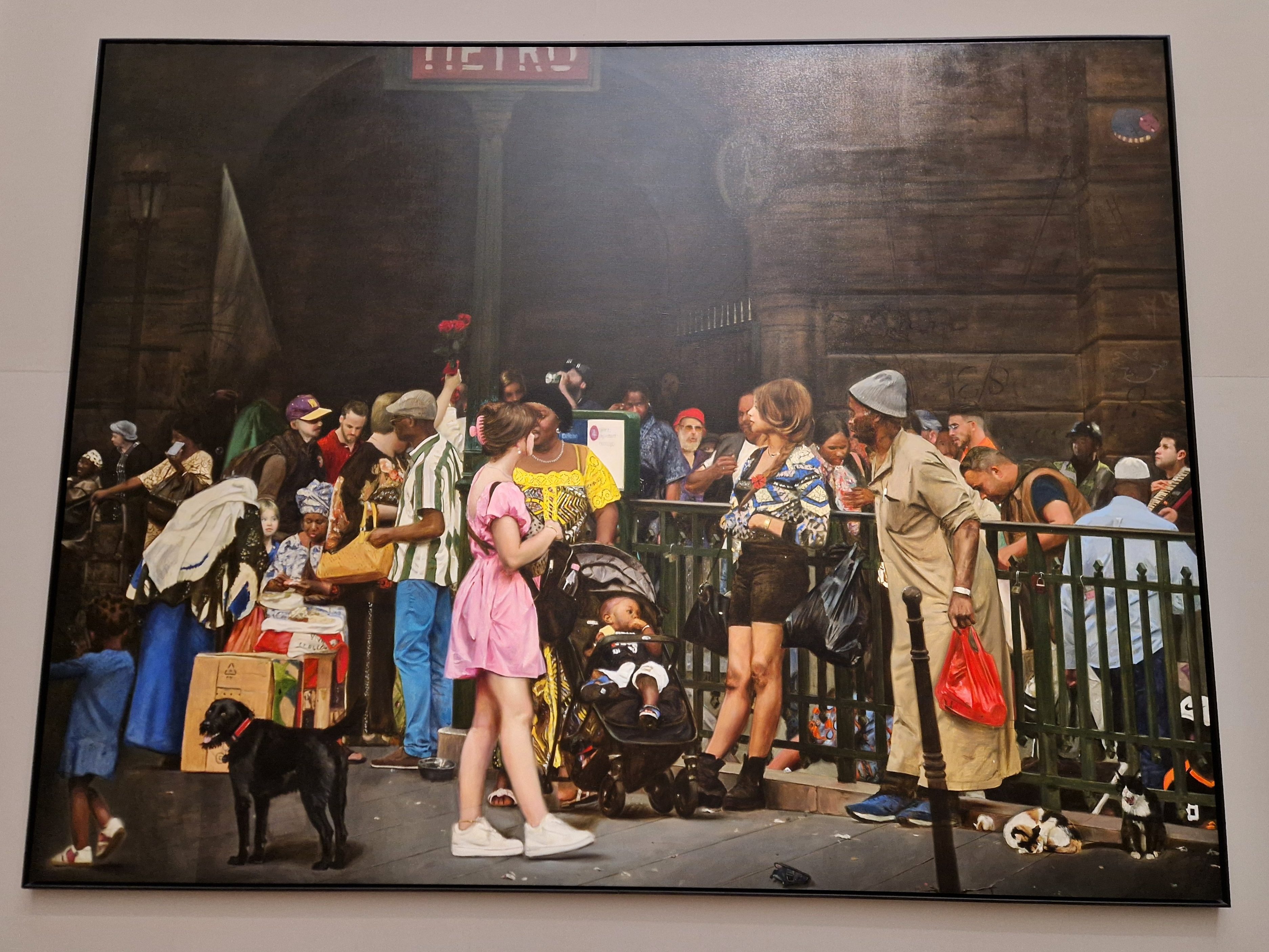
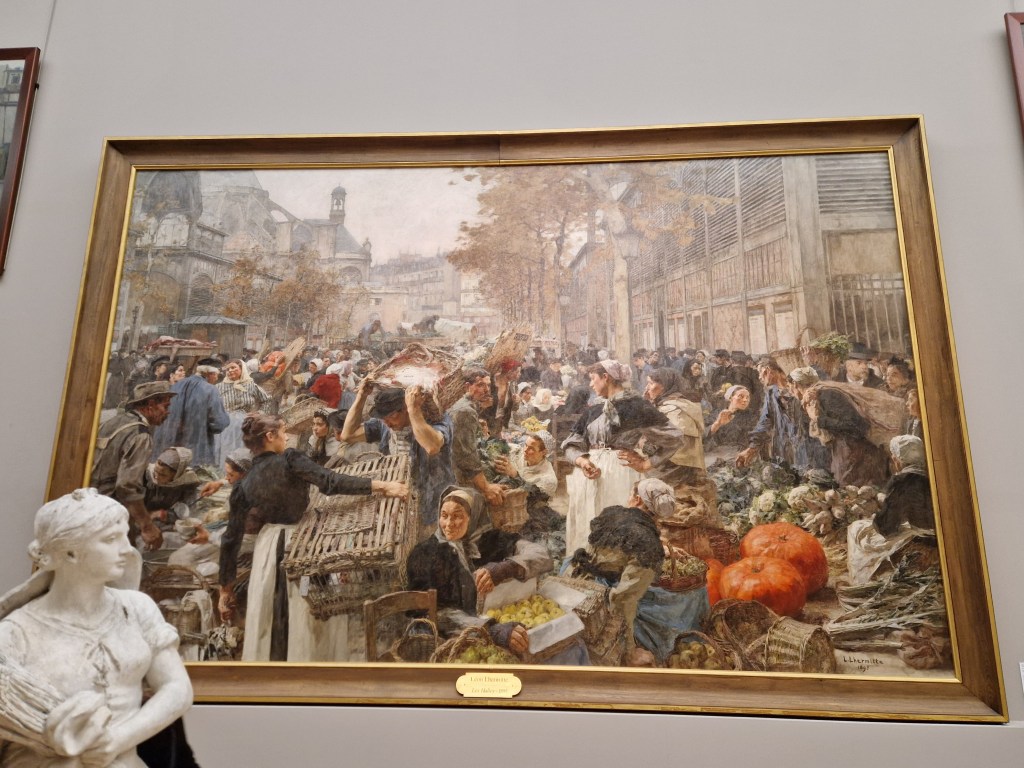
What makes this exhibition particularly compelling is its absence of a dedicated exhibition space. As per the spirit of this annual initiative, Hamdad’s works are dispersed throughout the Petit Palais, encouraging visitors to wander through the permanent collection and encounter his paintings unexpectedly. This curatorial choice generates a genuine dialogue between past and present, most clearly illustrated by Paname, a large-scale work commissioned specifically for the exhibition. Depicting a crowded Parisian street scene (“Paname” being a colloquial term for Paris), the painting was inspired by Léon Lhermitte’s Les Halles (1895), displayed in the same room. Lhermitte’s monumental canvas portrays the bustling market that once occupied what is now the Les Halles commercial centre, creating a striking parallel between two eras of urban life.
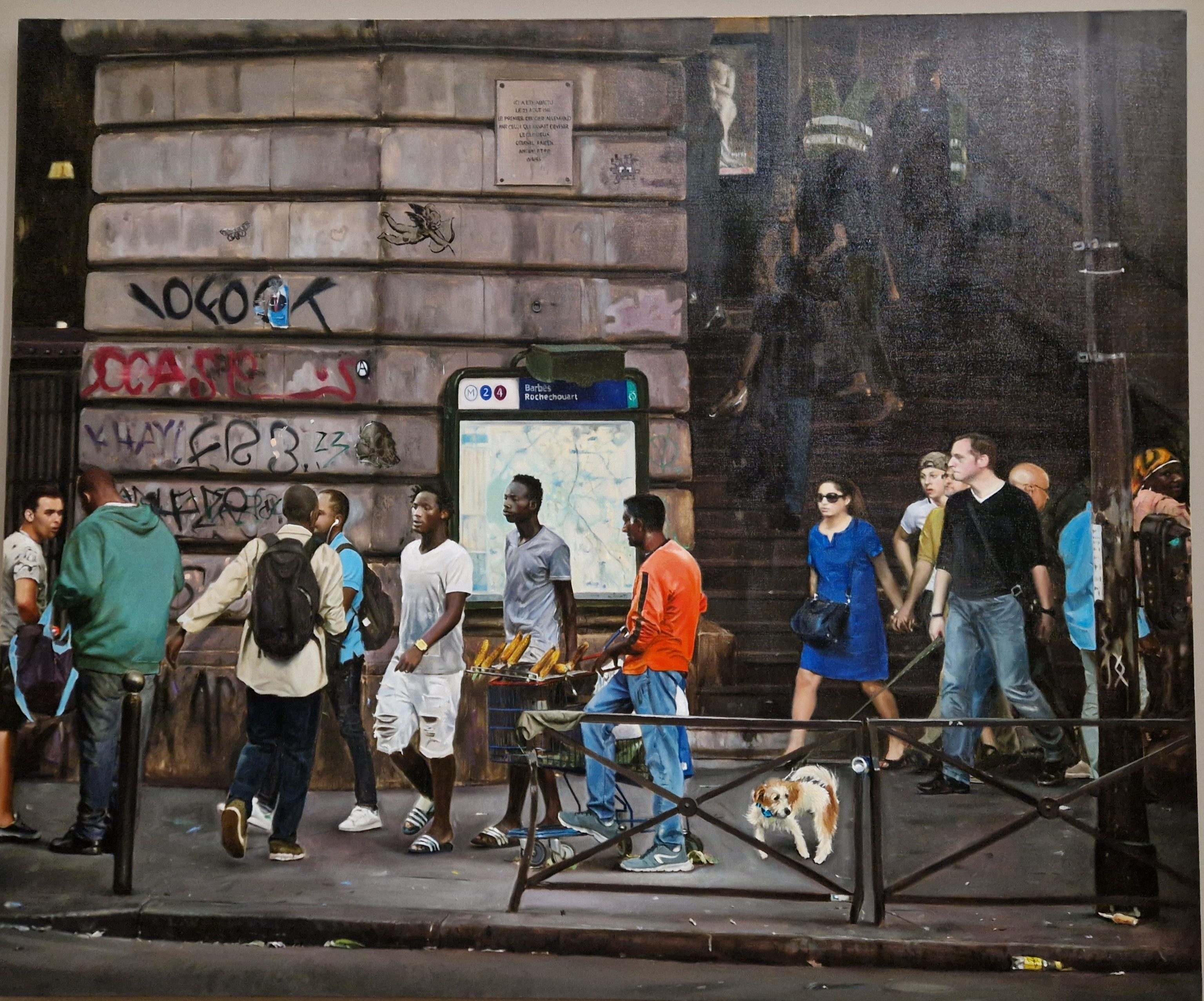
To construct these immersive scenes, Hamdad walks the streets of Paris, capturing moments from everyday life through photography. Back in his studio, he reconstructs these environments, translating them into paintings with remarkable attention to detail. Large formats enhance the immersive effect, while meticulous work on lighting, particularly reflections, reinforces the sense of realism and presence.
This initiative by the Petit Palais proves particularly effective and could serve as a model for other major public institutions. By placing contemporary works within historical collections, it broadens audiences, encourages new readings of permanent displays, and highlights both continuity and evolution in art history. It also offers valuable institutional visibility to emerging generations of artists, situating their practices within a broader historical framework.
My personal highlights:
- Reflets, 2024
- Café des Anges, 2022
- Rive droite, 2021
- L’horizon, 2023
 MUSEmemoirs