Info:
- Dates: 17.10.25 – 2.03.26
- Curators: Dieter Schwarz & Nicholas Serota
- Where: Fondation Louis Vuitton
- Price: 16 euros/ 10 euros reduced
The Fondation Louis Vuitton dedicates its spaces to one of the most ambitious exhibitions ever organised around the German painter Gerhard Richter, widely regarded as one of the most influential artists of our time. The exhibition spans more than six decades of artistic production, an impressive body of work, especially considering that the artist, now aged 94, has only recently slowed his activity. Structured in chronological sections that broadly correspond to decades, the exhibition highlights both the evolution of his practice and the diversity of his artistic concerns throughout his career.
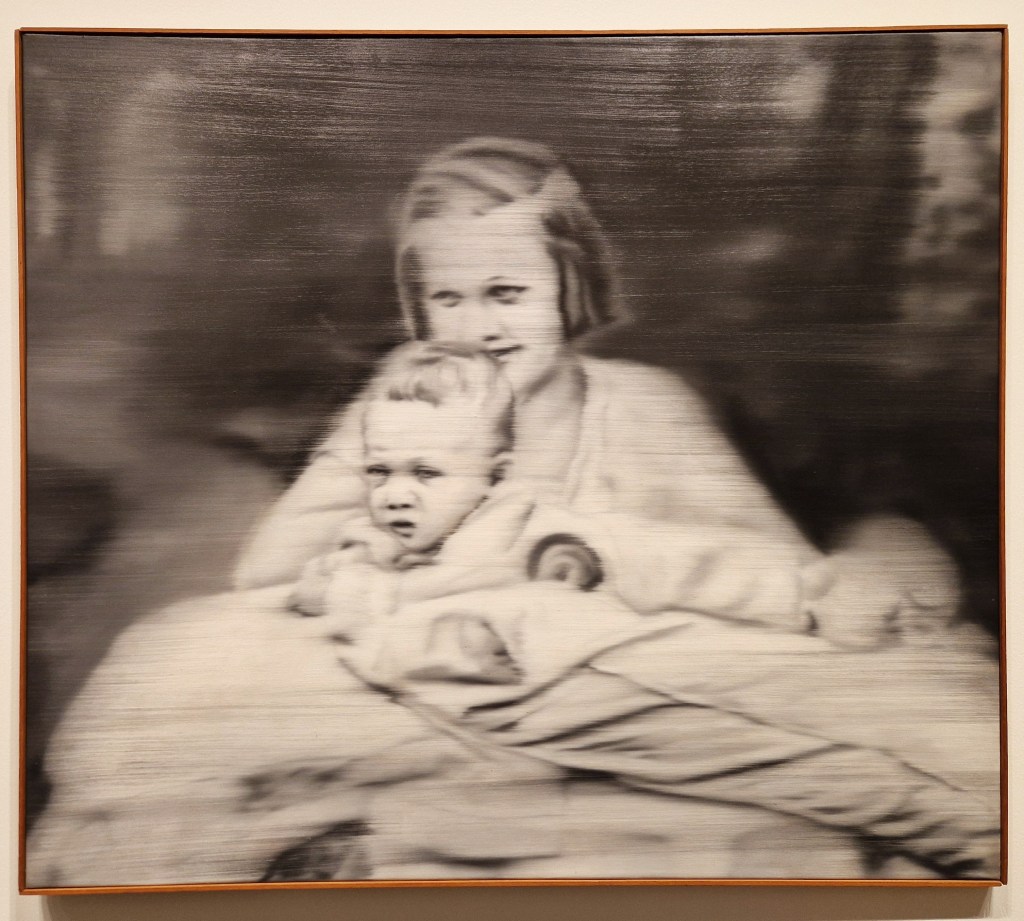
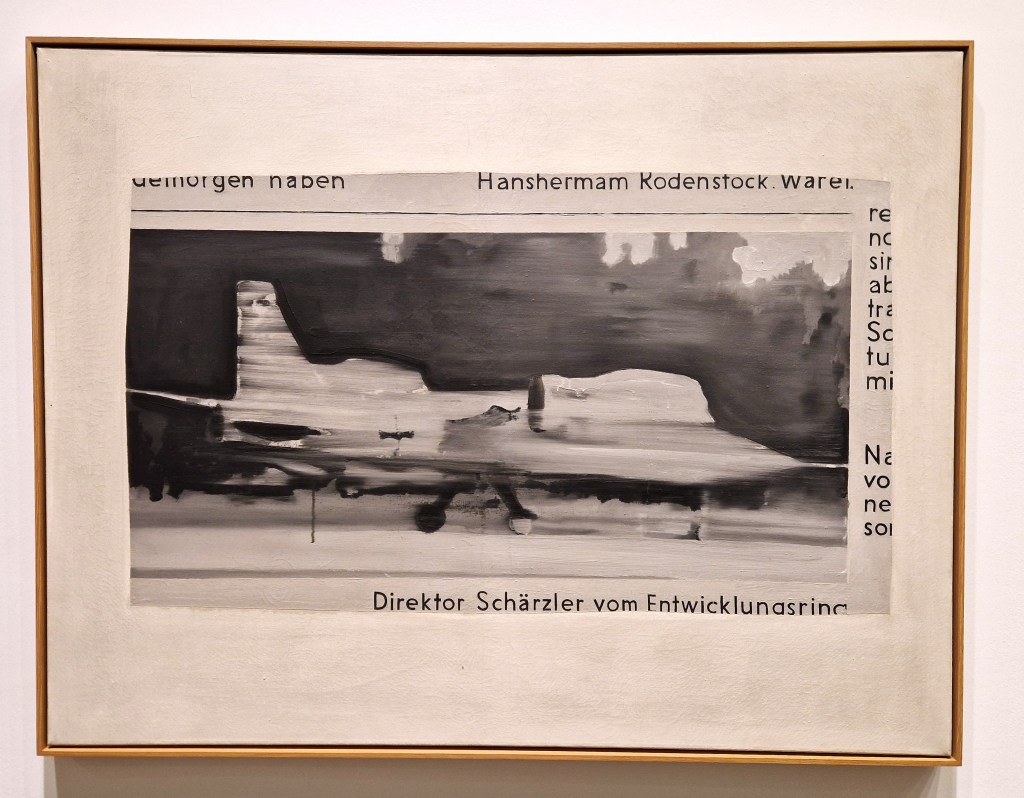
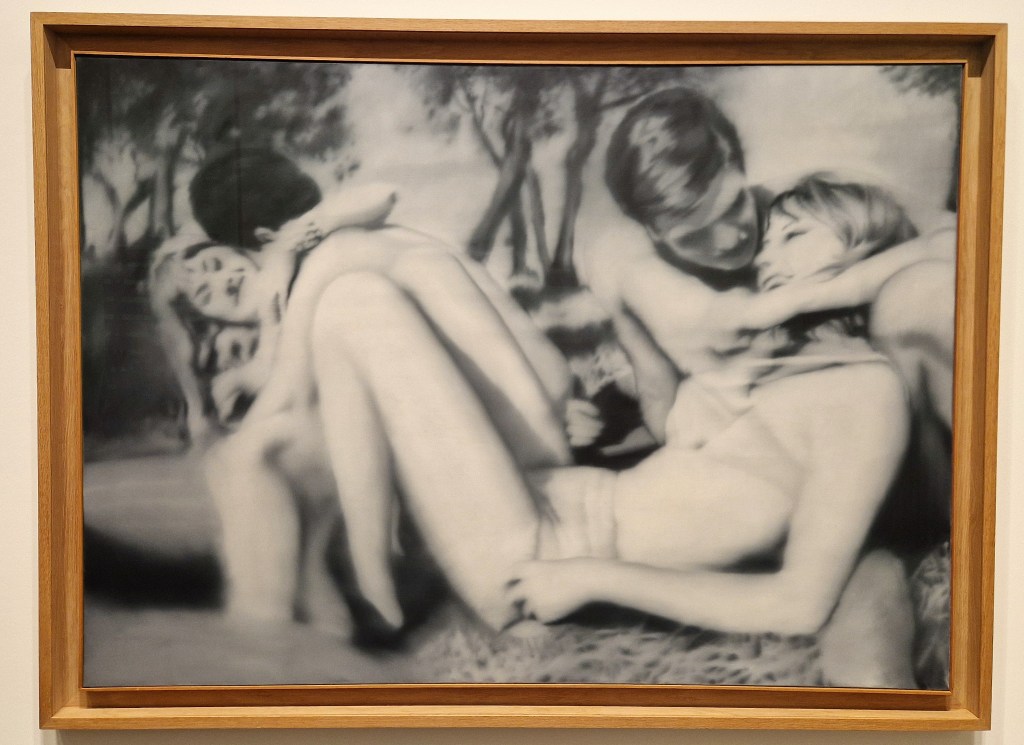
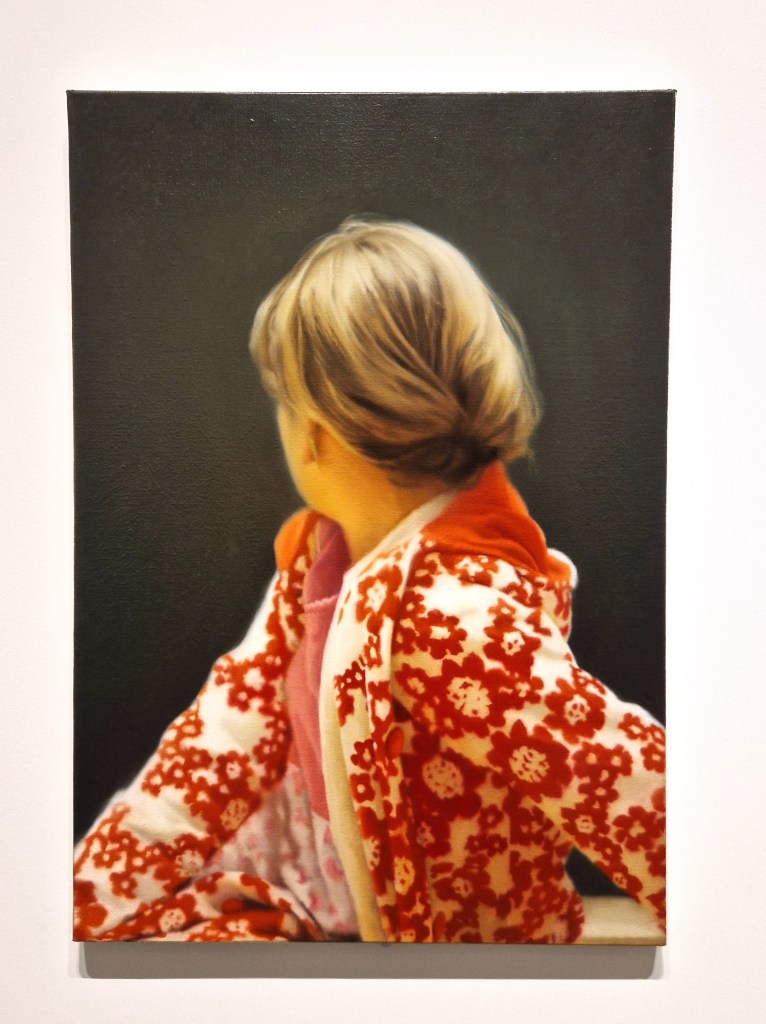
Gerhard Richter was born in 1932 in Dresden. After the war, he trained in painting in East Germany, initially working within the mural tradition influenced by Soviet socialist realism. In 1961, he and his first wife, Ema, decided to move to West Germany, settling in Düsseldorf, where Richter enrolled at the prestigious Kunstakademie. This period marked a decisive turning point: he began painting from photographs, and subsequently destroyed all works produced before 1962. Images drawn from newspapers, magazines, or personal archives brought from Dresden became the basis of his canvases. His figurative style soon became recognisable: images that resemble photographs, characterised by a distinctive blur, softening contours and giving them the appearance of historical or archival memories.
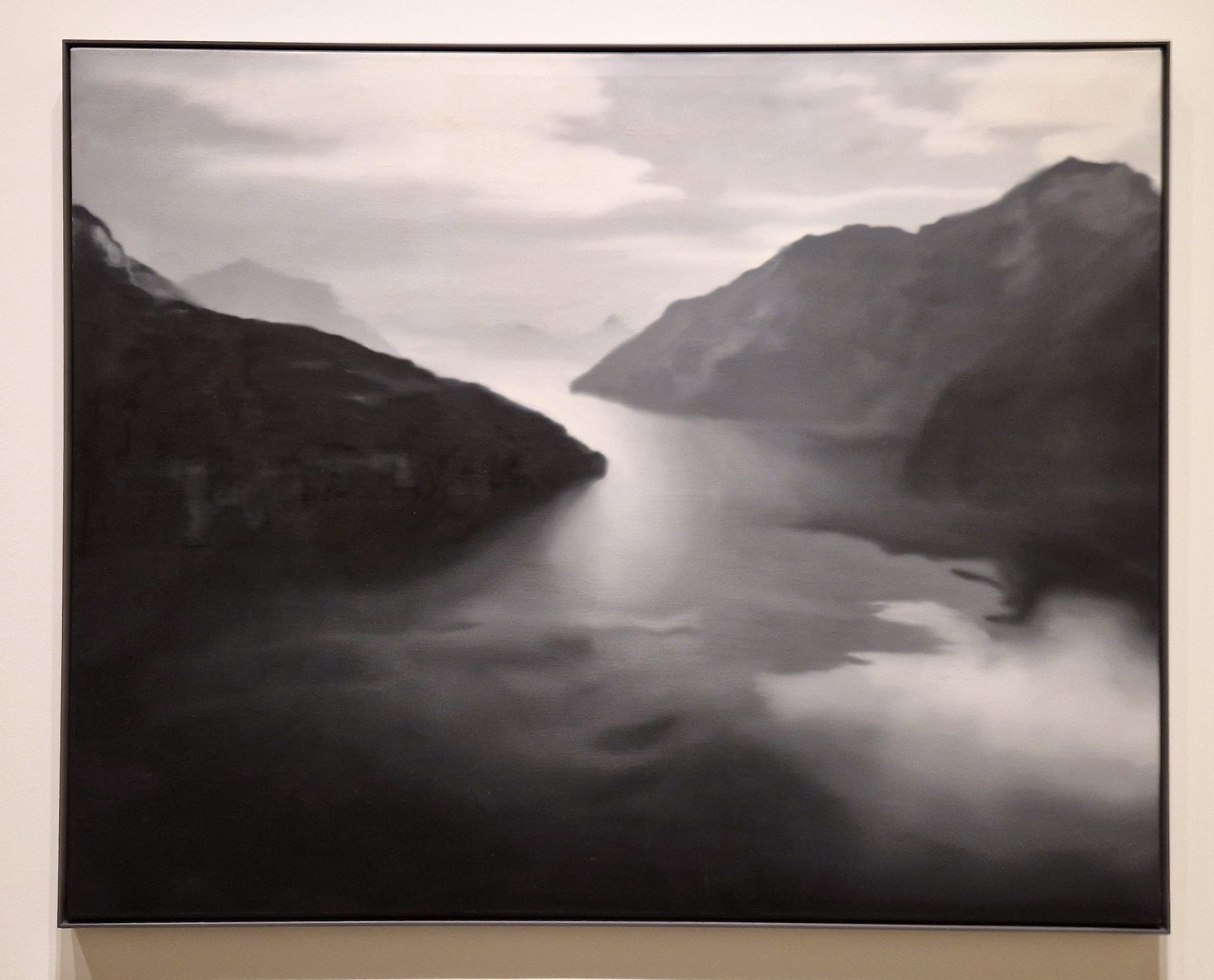
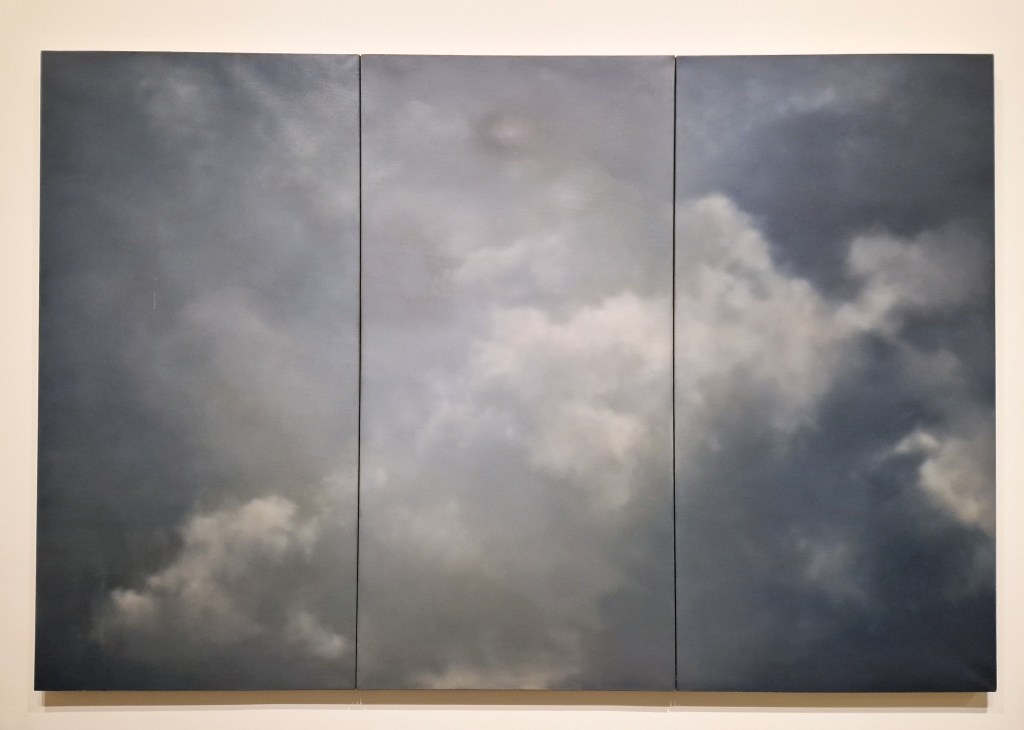
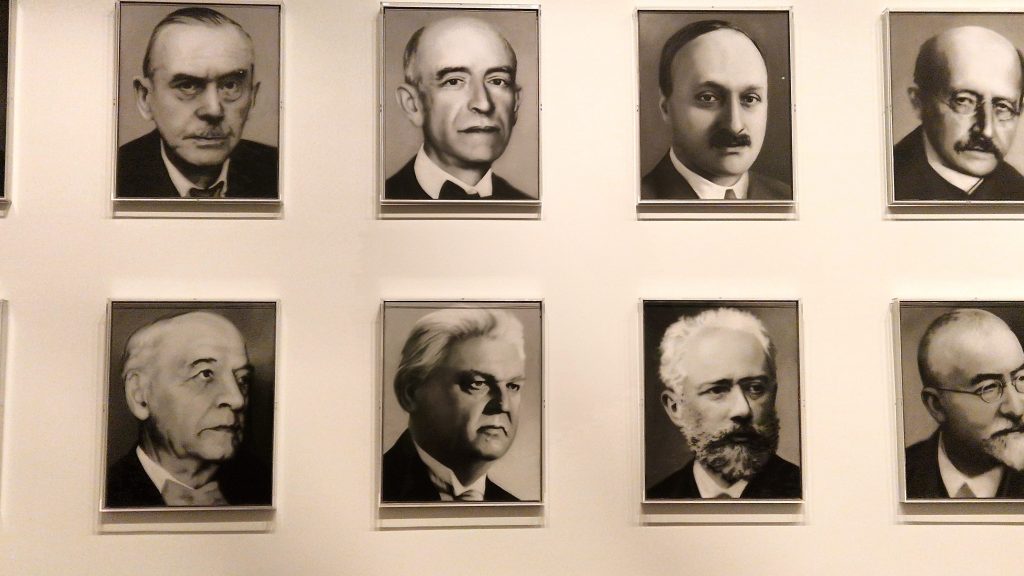
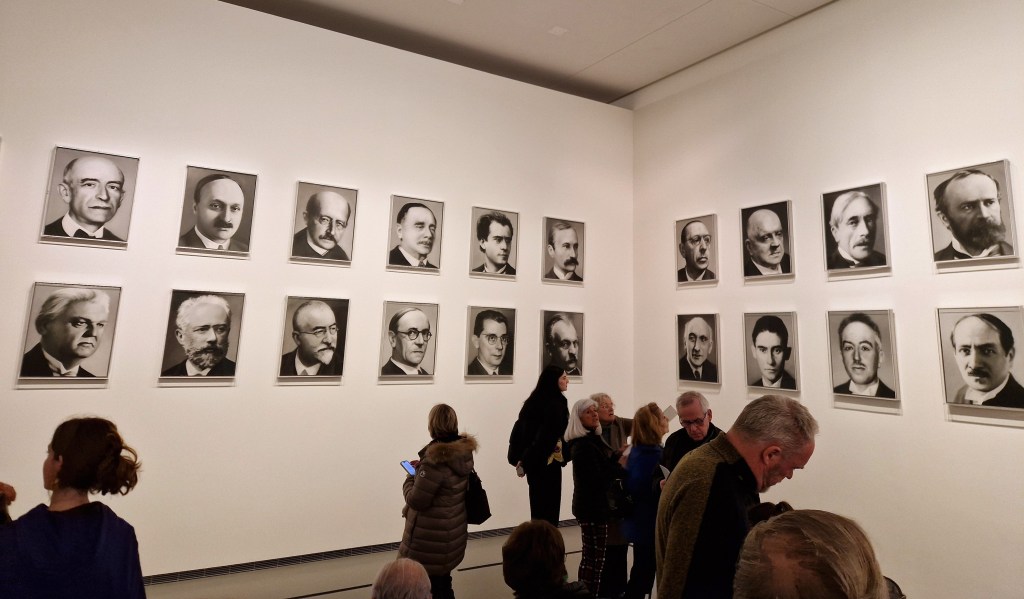
However, Richter never confined himself to figurative painting. In the 1970s, he began exploring colour, perception, and optical effects through his inpaintings, which are well represented in the exhibition. His growing international recognition was confirmed by his invitation to represent Germany at the Venice Biennale in 1972. For this occasion, he conceived the cycle 48 Portraits, depicting male figures from fields such as science, literature, and music taken from international encyclopedias. Executed with extreme realism and neutrality, the portraits deliberately avoid emotional expression. The series is presented at the Fondation Louis Vuitton in its entirety, as it was originally shown in Venice.
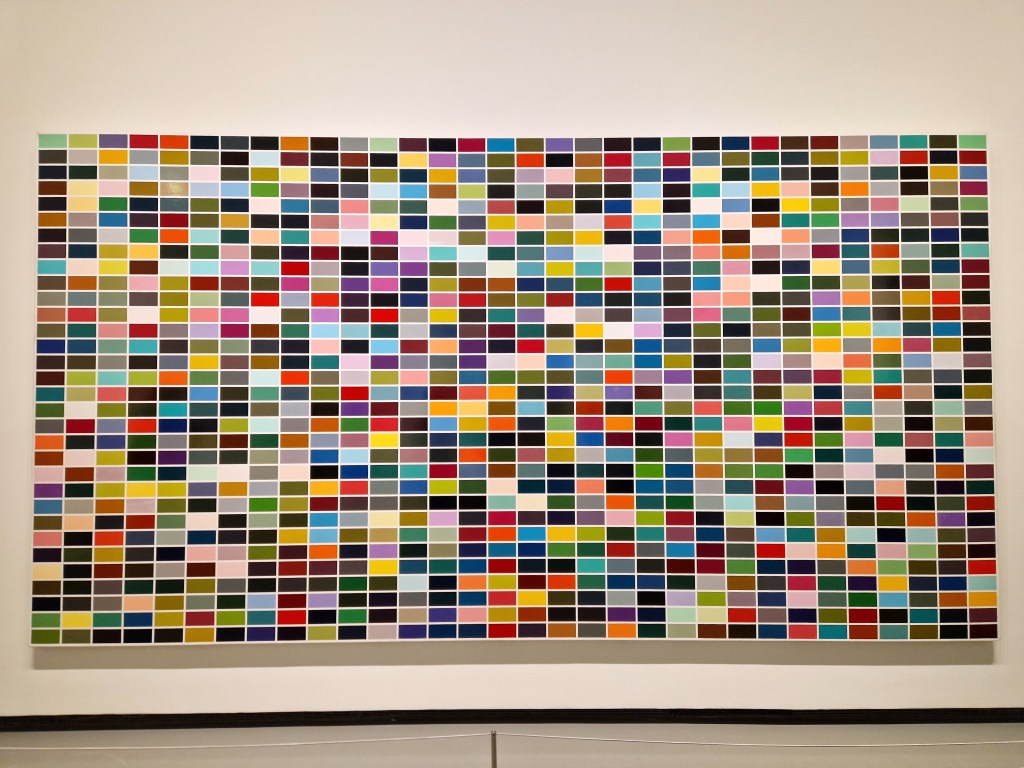
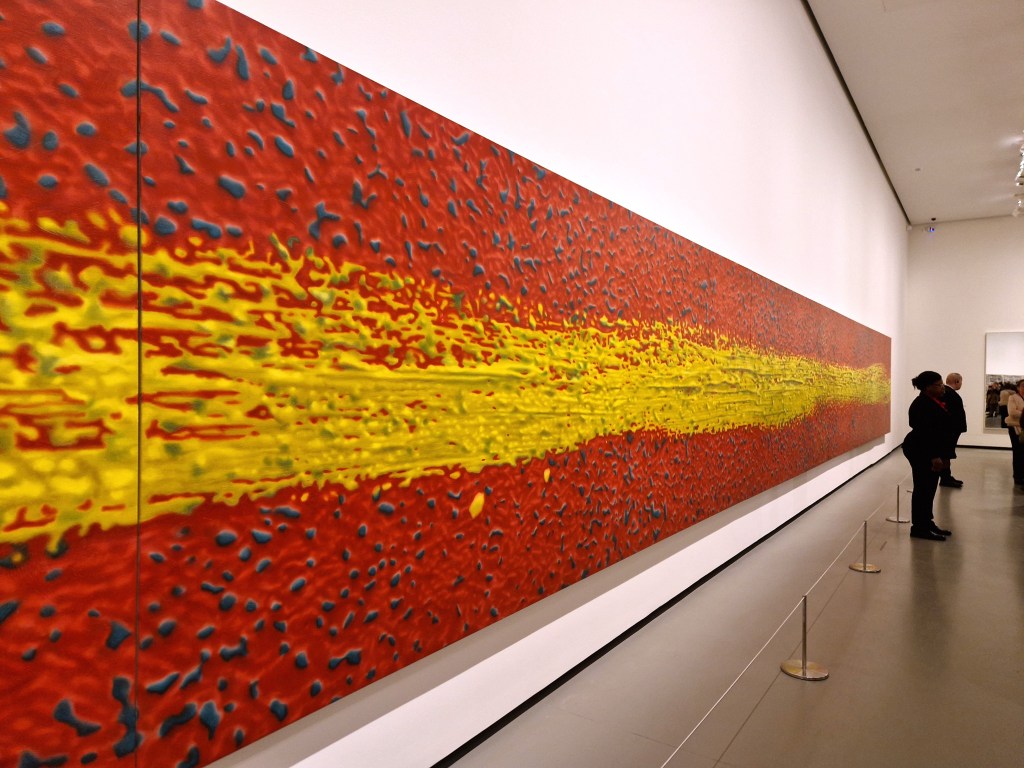
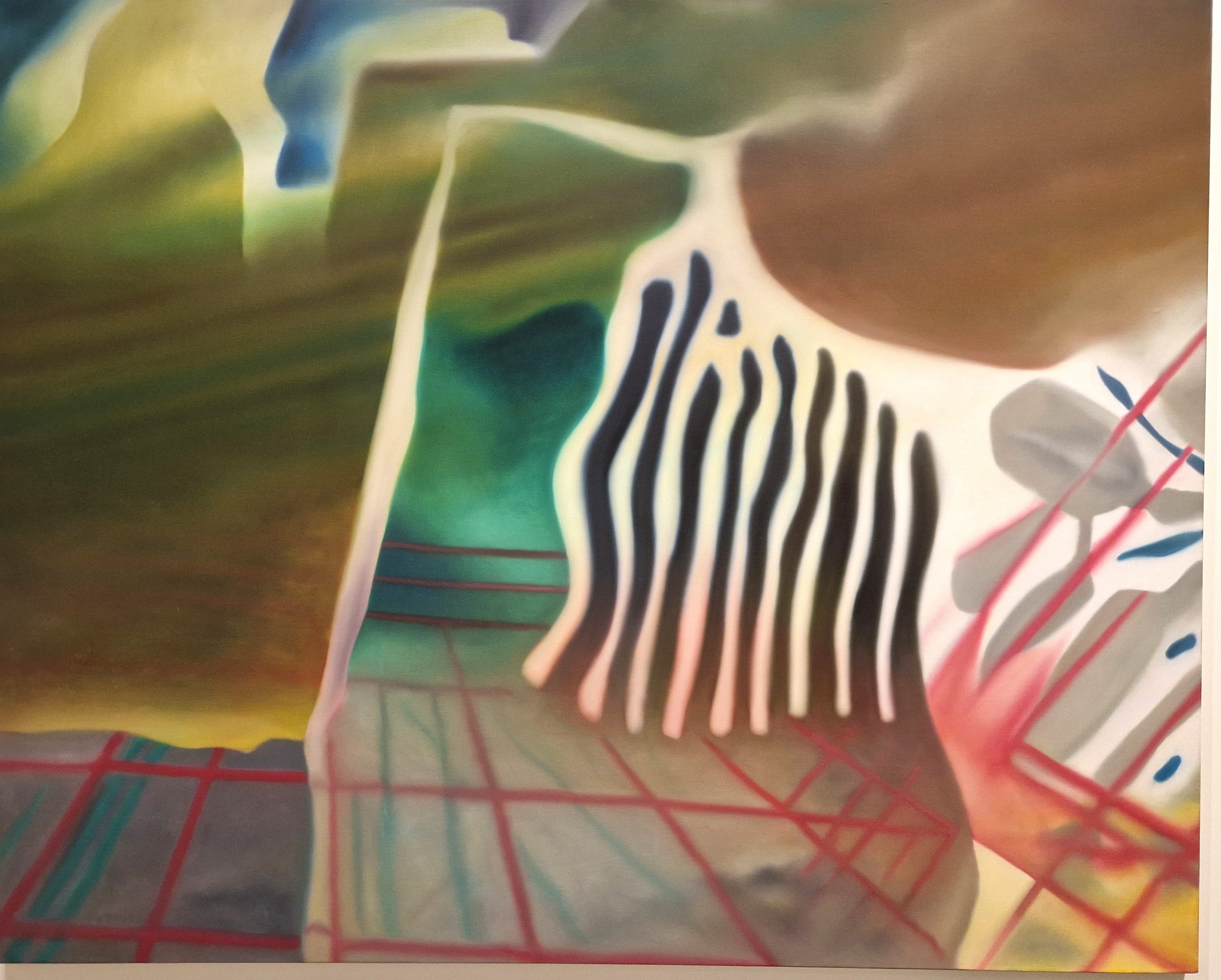
A substantial part of the exhibition is also devoted to Richter’s engagement with abstraction, which became central to his practice in the 1980s. These works, often monumental in scale, absorb the viewer into dense chromatic surfaces. The exhibition reveals two complementary approaches within his abstraction: one carefully structured, composed of grids of colour that appear neutral and silent; the other more gestural and chaotic, where expressive movements of paint dominate the surface.
Despite this deep engagement with abstraction, Richter never abandoned figuration. His paintings explore virtually every traditional genre: still life, landscape, portrait, always produced in the studio yet rooted in observation and memory. Historical events also became important subjects. One room focuses on the series 18. Oktober 1977, which reflects on recent German history through the deaths of members of the Red Army Faction in prison; officially ruled suicides, though widely debated at the time. Painted eleven years after the events, the works still provoked controversy. Other paintings demonstrate Richter’s attention to collective trauma, including reflections on the September 11 attacks and the Holocaust, notably through the Birkenau series.
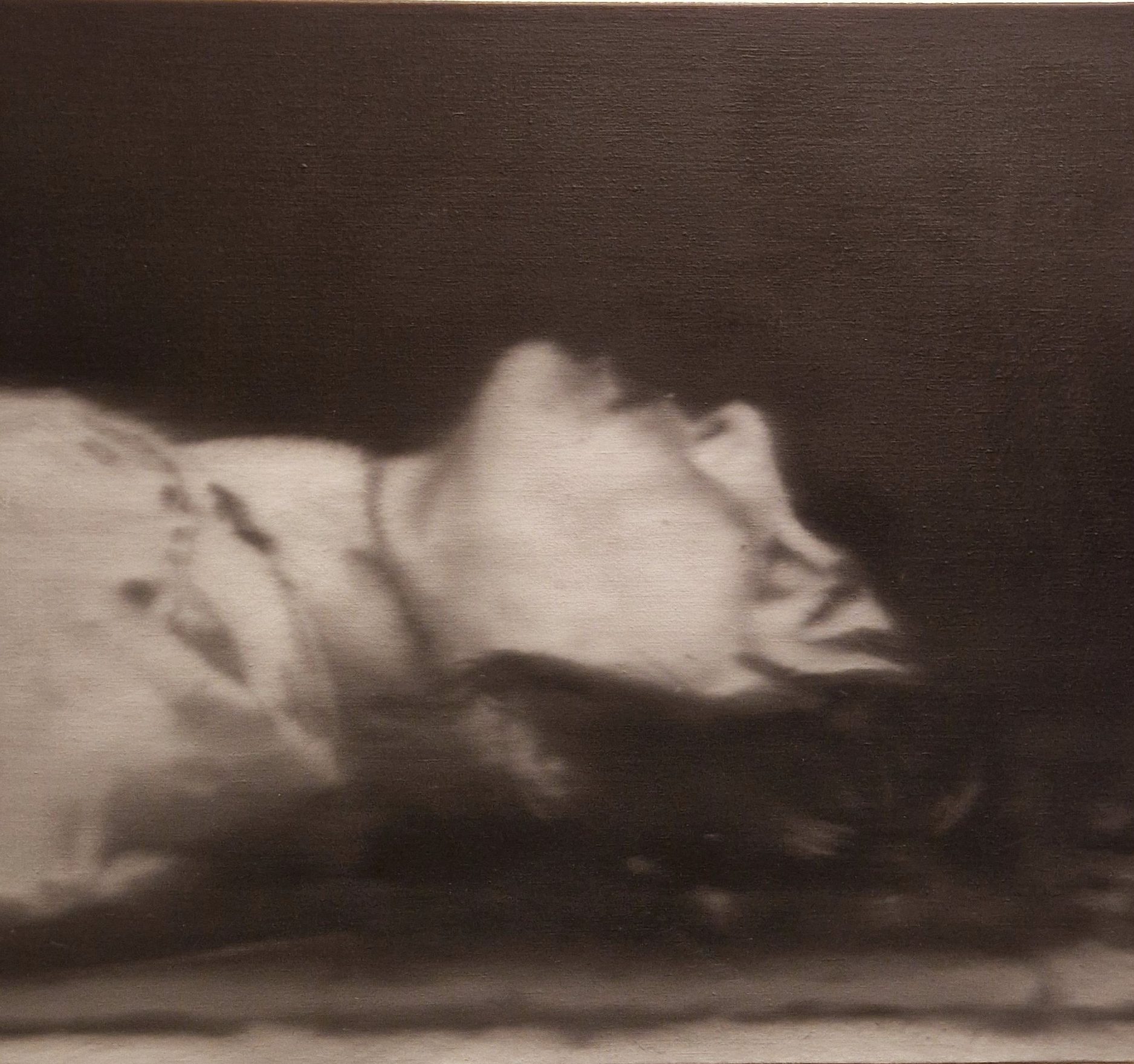
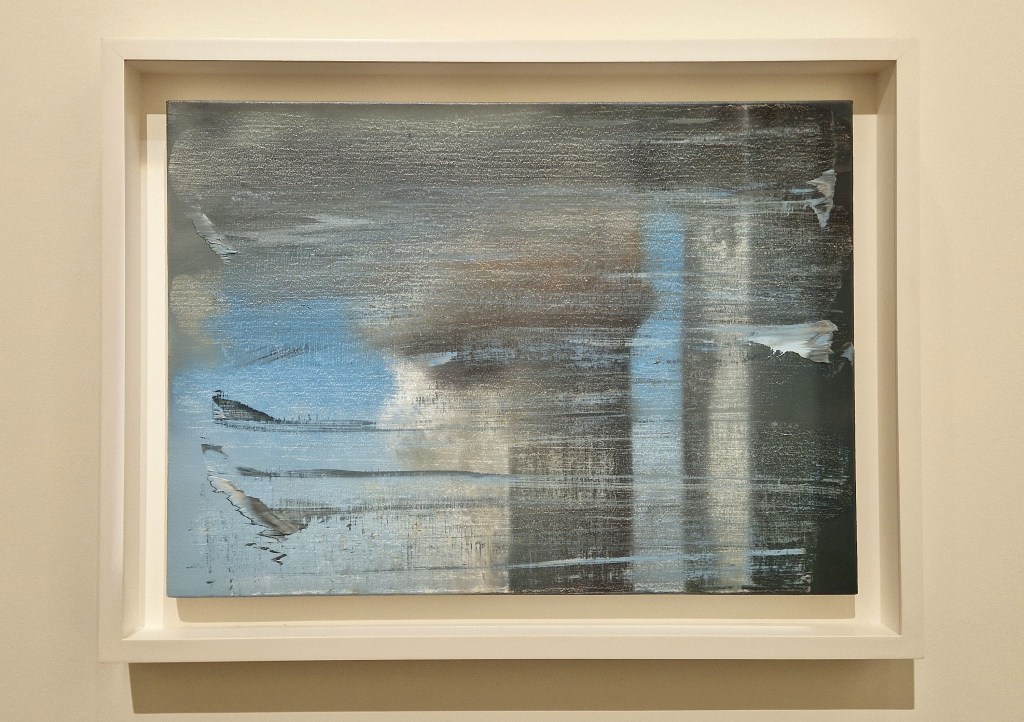
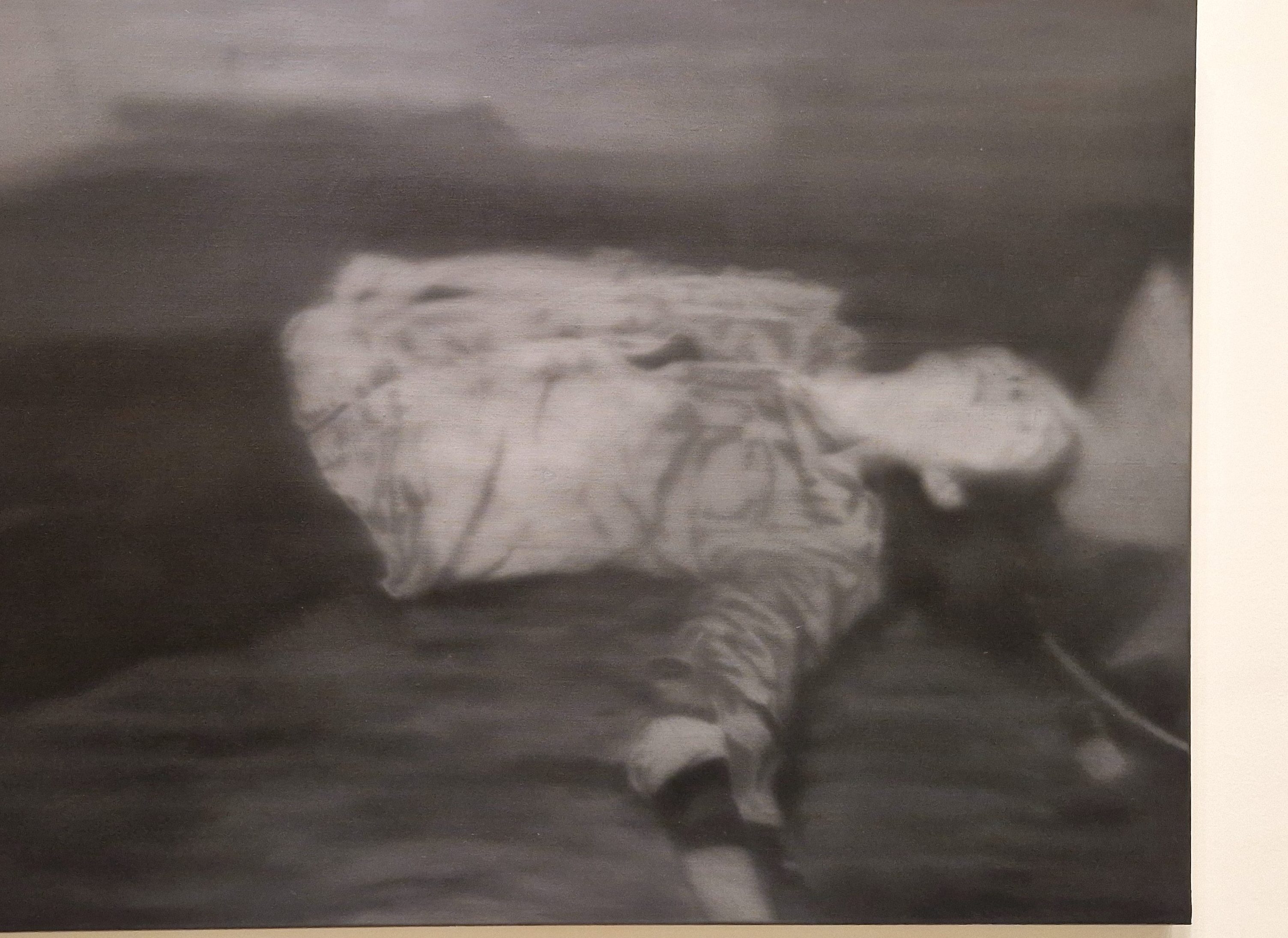
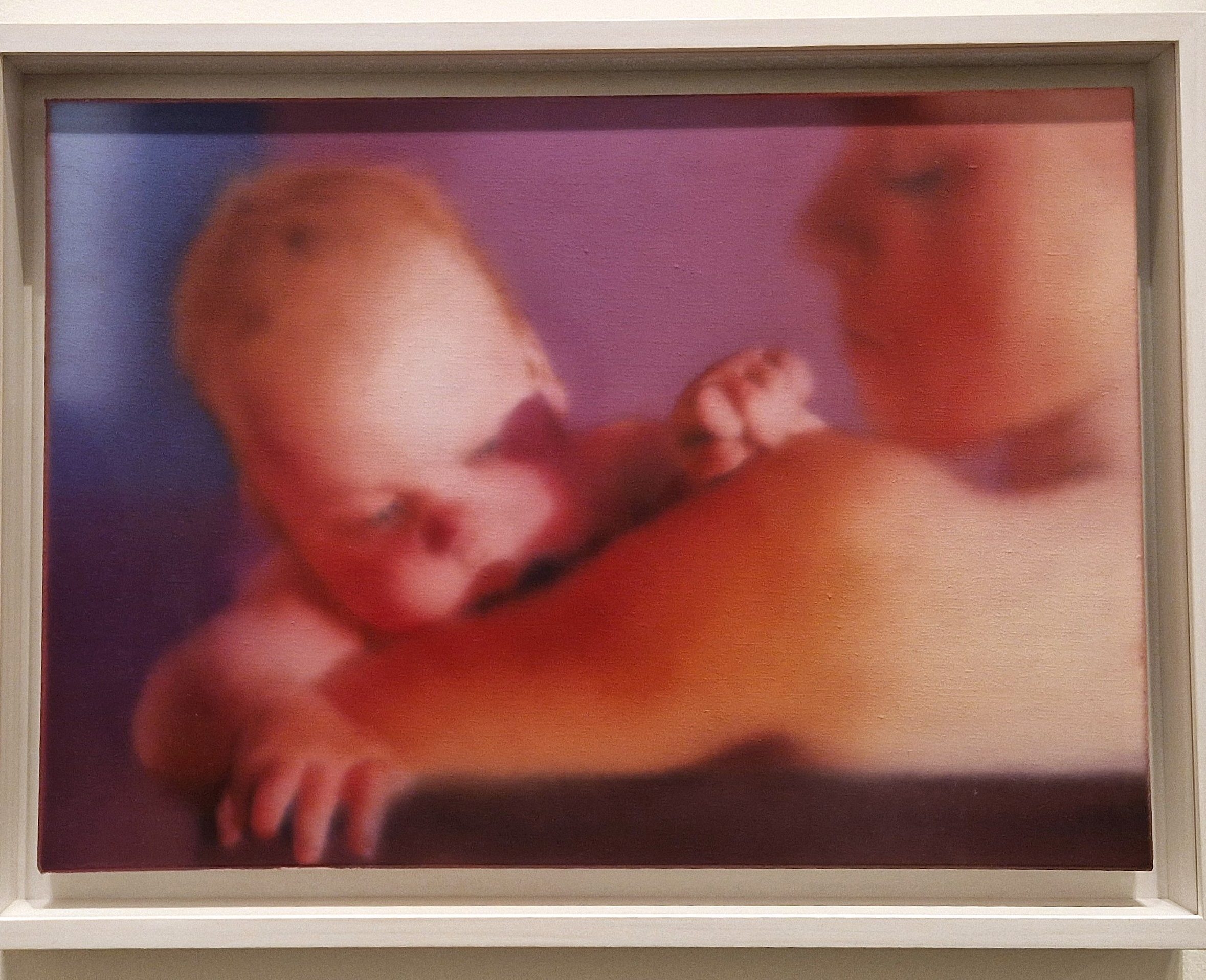
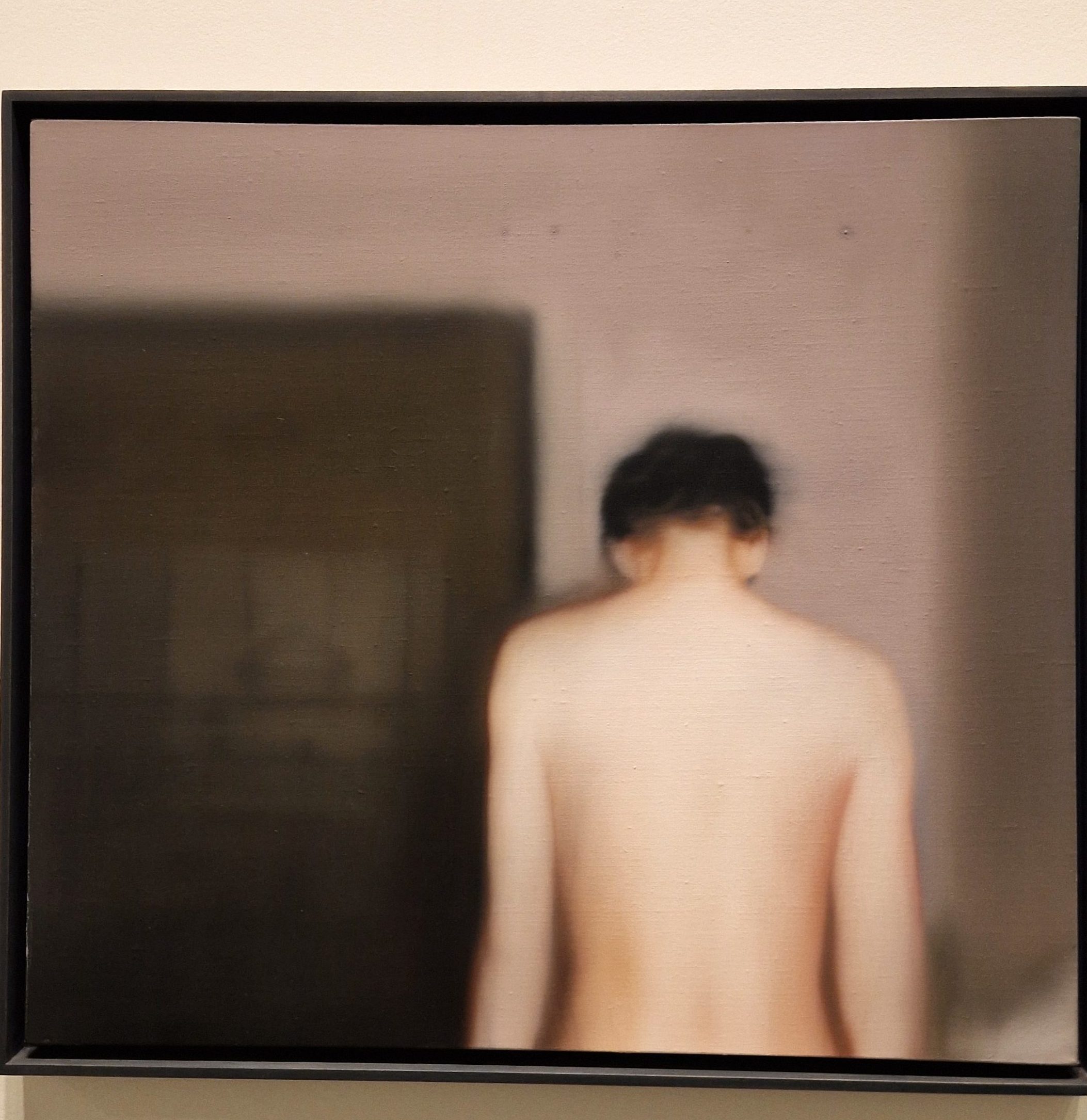
Alongside these sombre themes, Richter continued to depict his family and close environment, often rendered in his characteristic blurred technique – achieved by dragging a brush across the still-wet surface – which creates images that are at once realistic, melancholic, and intimate. One of the most striking examples presented in the exhibition is S. mit Kind, a series portraying his third wife, Sabine Moritz, and their newborn son, offering a renewed perspective on the theme of motherhood. The family later settled in Cologne, where Richter still lives and works. In 2002, he received the prestigious commission to design a glass window for Cologne Cathedral.
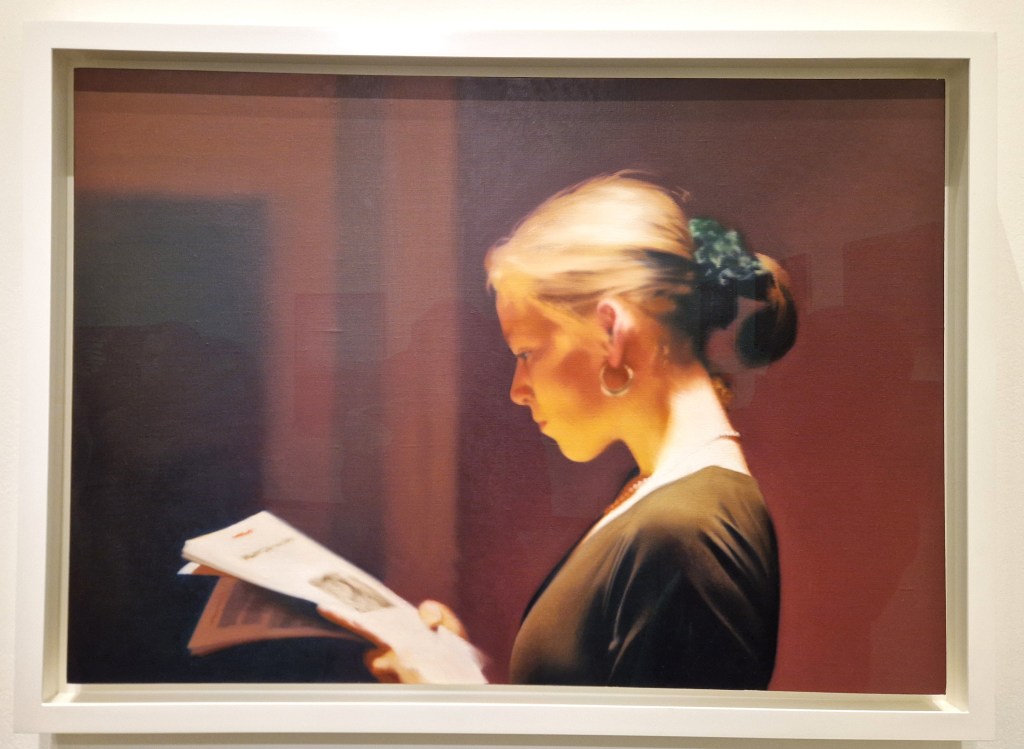
The exhibition also gives significant attention to Richter’s drawing practice, often less widely known. For the artist, drawing represents a freer and more immediate mode of expression, to which he has increasingly devoted himself in recent years. The final room presents a series of recent works exploring the possibilities of the medium (frottage, coloured inks, ruler and compass constructions) while leaving space for the unconscious movement of the hand.
This retrospective offers deserved recognition to an artist who, despite defining himself as a “classical painter,” has profoundly shaped the history of contemporary painting. His mastery of colour, tonal nuance, and brushwork established a visual language that is immediately identifiable. At the same time, the exhibition pays homage to the breadth of genres he explored, from intimate family portraits to unsettling reinterpretations of historical imagery, revealing a practice that constantly oscillates between personal memory and collective history.
My personal highlights:
- Clouds (Blue), 1970
- S. mit Kind, 1995
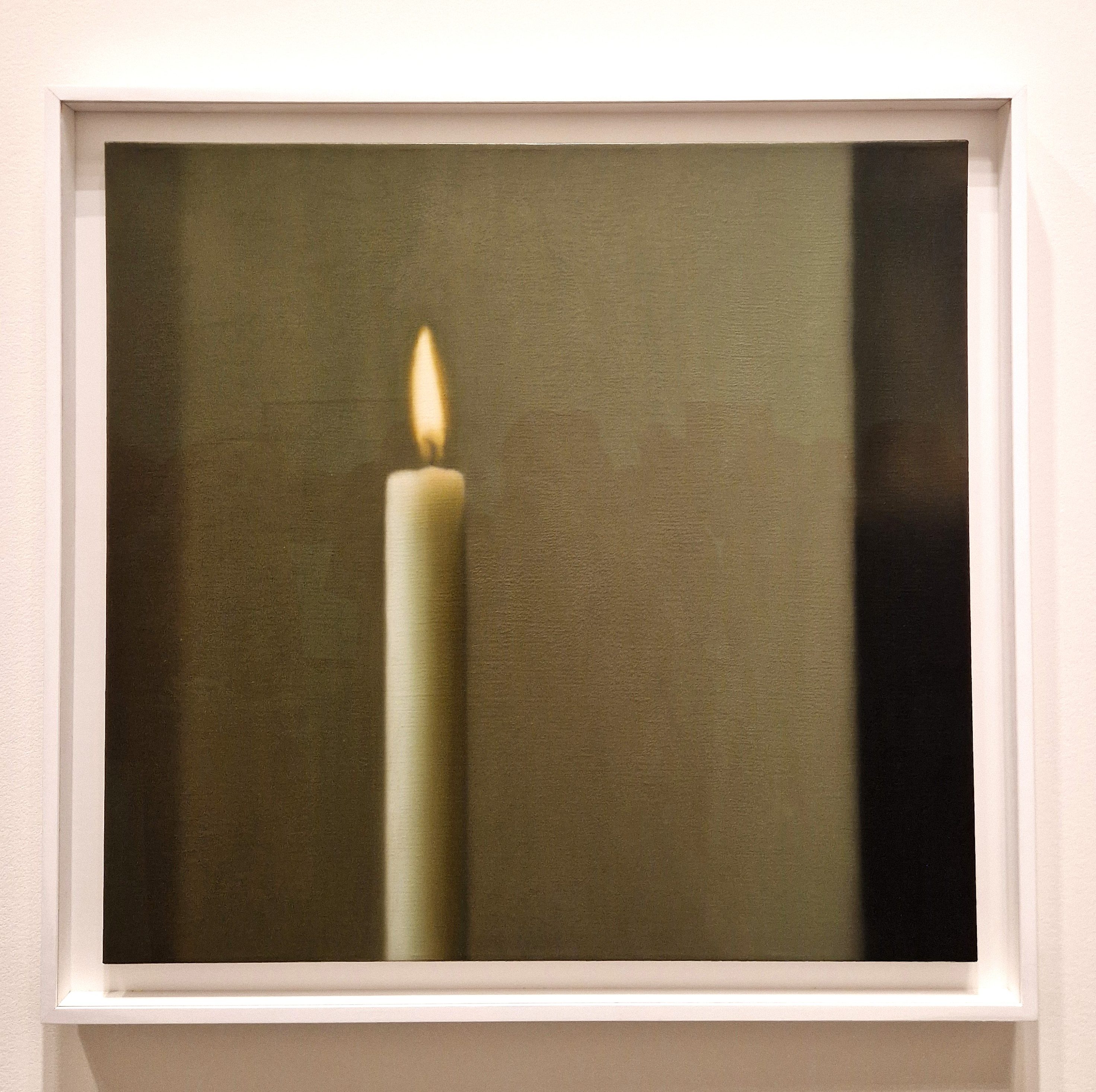
- Kerze (candel), 1982
- I.G., 1993
- Seascape (Cloudy), 1969
 MUSEmemoirs