Info:
- Dates: 30.01.26 – 24.05.26
- Curator: Quentin Bajac, with the support of Martin Parr and Clémentine de la Féronnière
- Where: Jeu de Paume
- Price: 14 euros/ 7,50 euros reduced
No photographer has captured the discomfort and excesses of contemporary society quite like Martin Parr. Presented by the Jeu de Paume, this retrospective was conceived several years ago in close collaboration with the artist himself, who actively contributed to its development. Following his passing in December 2025, shortly before the exhibition opened, the project’s significance has inevitably deepened, becoming a tribute to one of the most influential photographers of our time. Though not vast in scale, the exhibition brings together a wide range of Parr’s series, spanning from the 1970s to the present day, with vivid and provocative images captured across the globe.
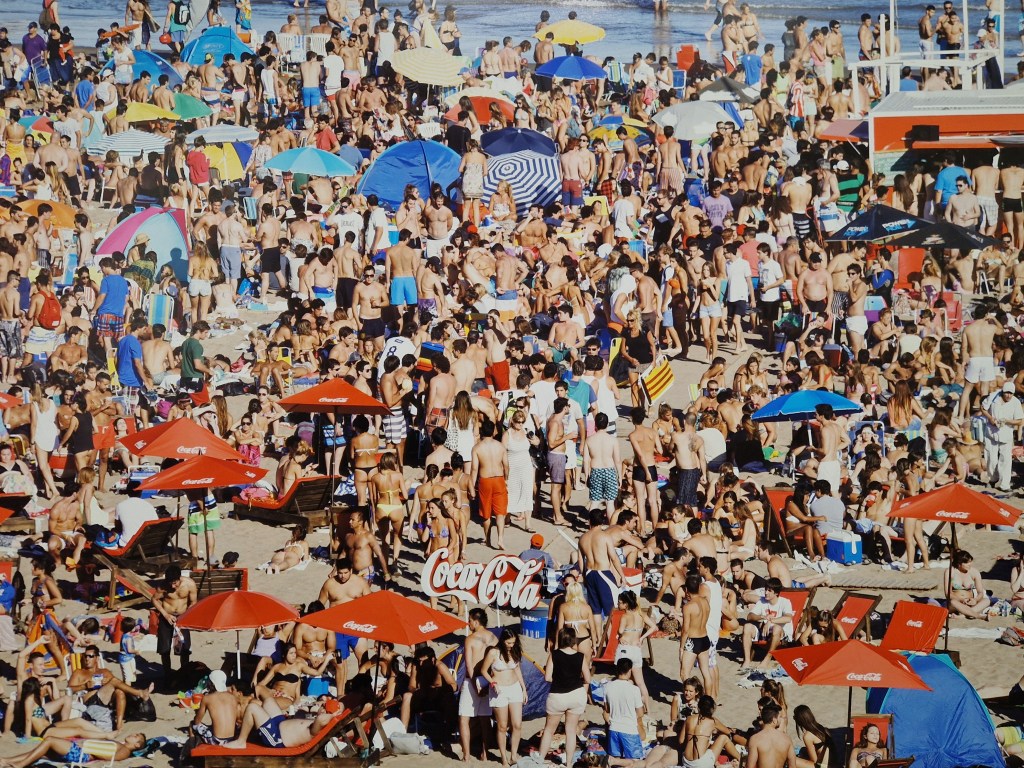
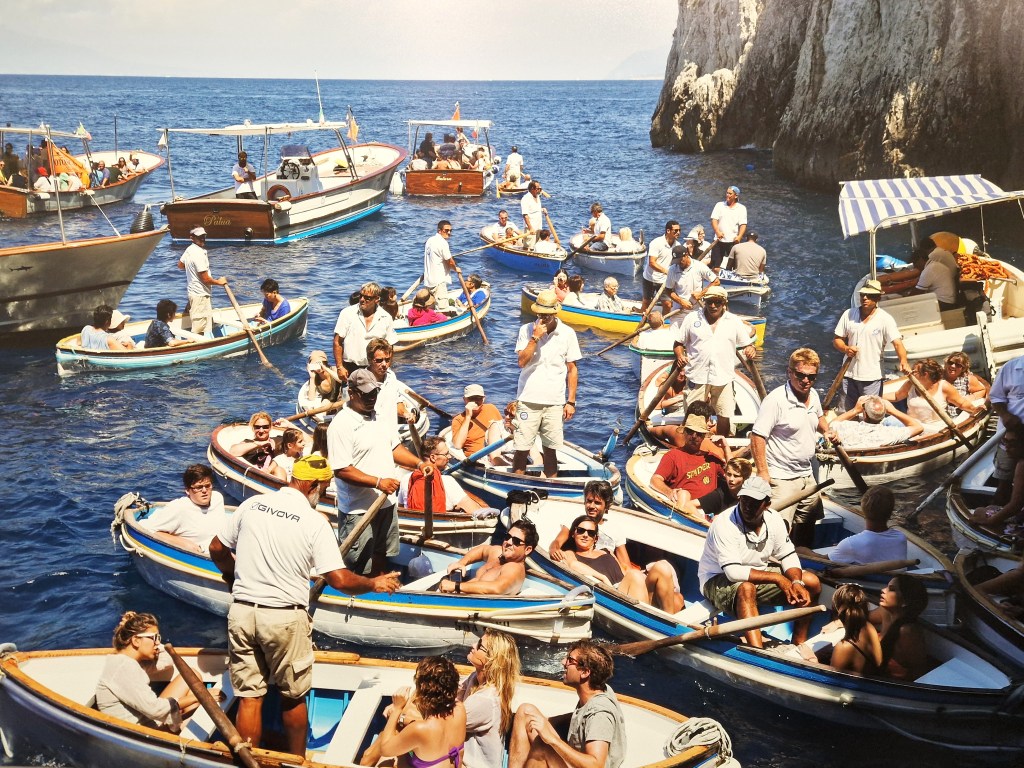
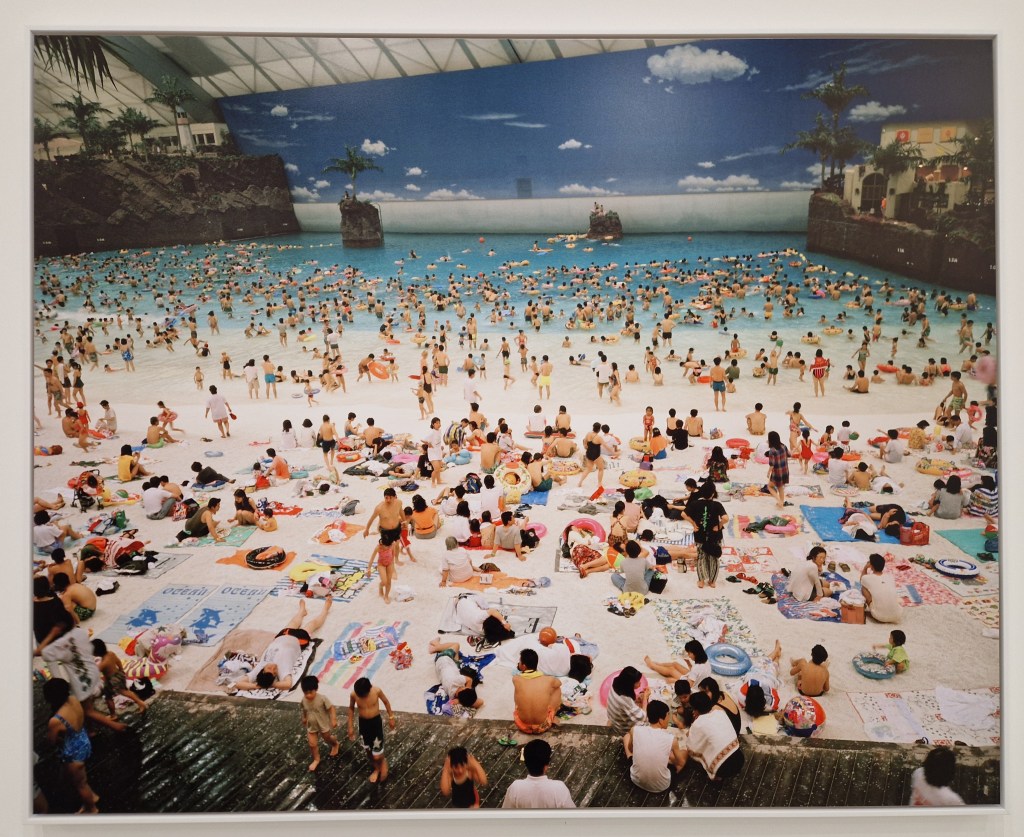
Structured into thematic sections, the exhibition is immediately accessible. From the very first room, dedicated to the beach, Parr’s work asserts its impact. Here, the beach is not approached as a natural landscape, but rather as a human one, defined by overcrowding and the behaviours it generates. From England to artificial beaches in Japan, Parr maintains a certain distance from his subjects, while at the same time allowing the viewer to fully project themselves into the scene – almost feeling the noise, the heat, and the intensity of summer on the skin. These crowded environments evoke the effects of overtourism, now more visible than ever, and as we move through the images, it becomes clear that such dynamics transcend geographical boundaries.
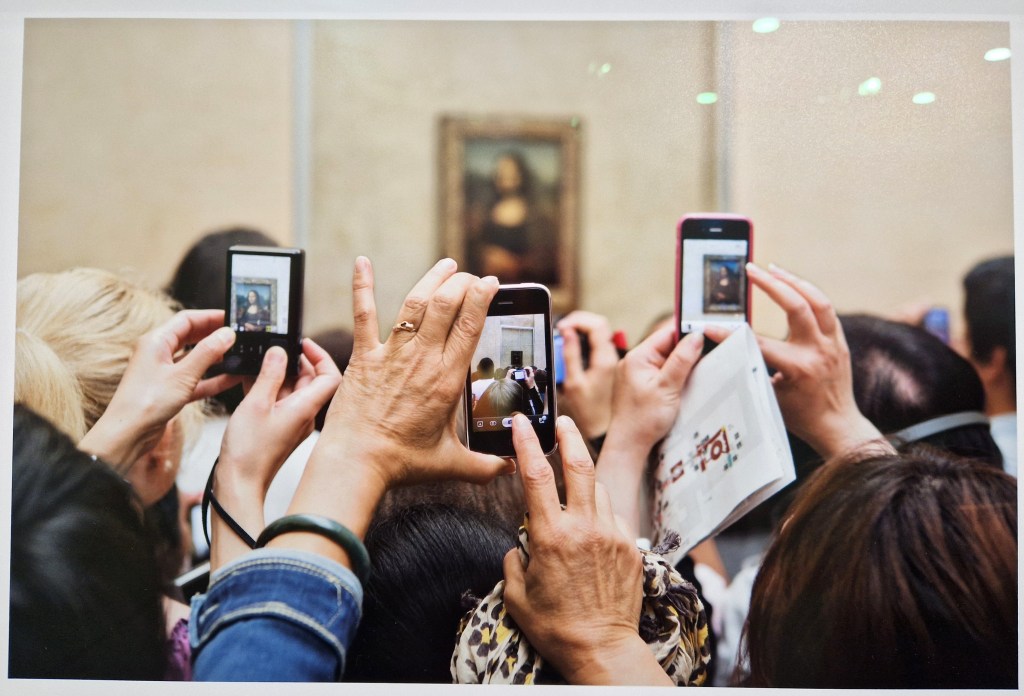
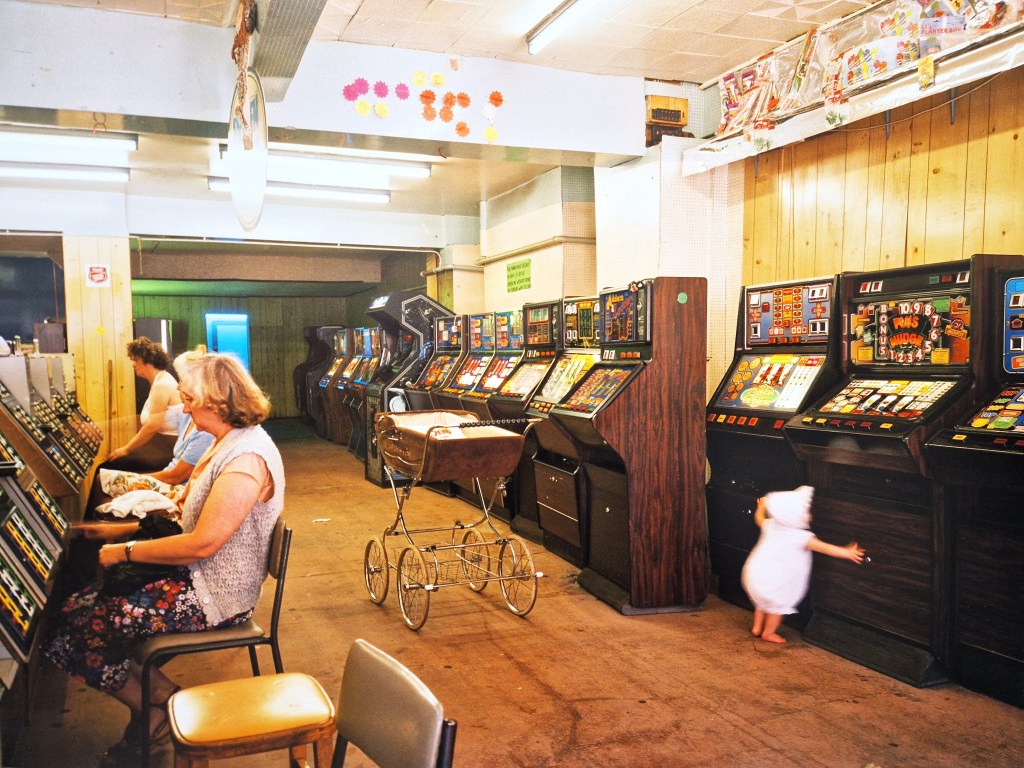
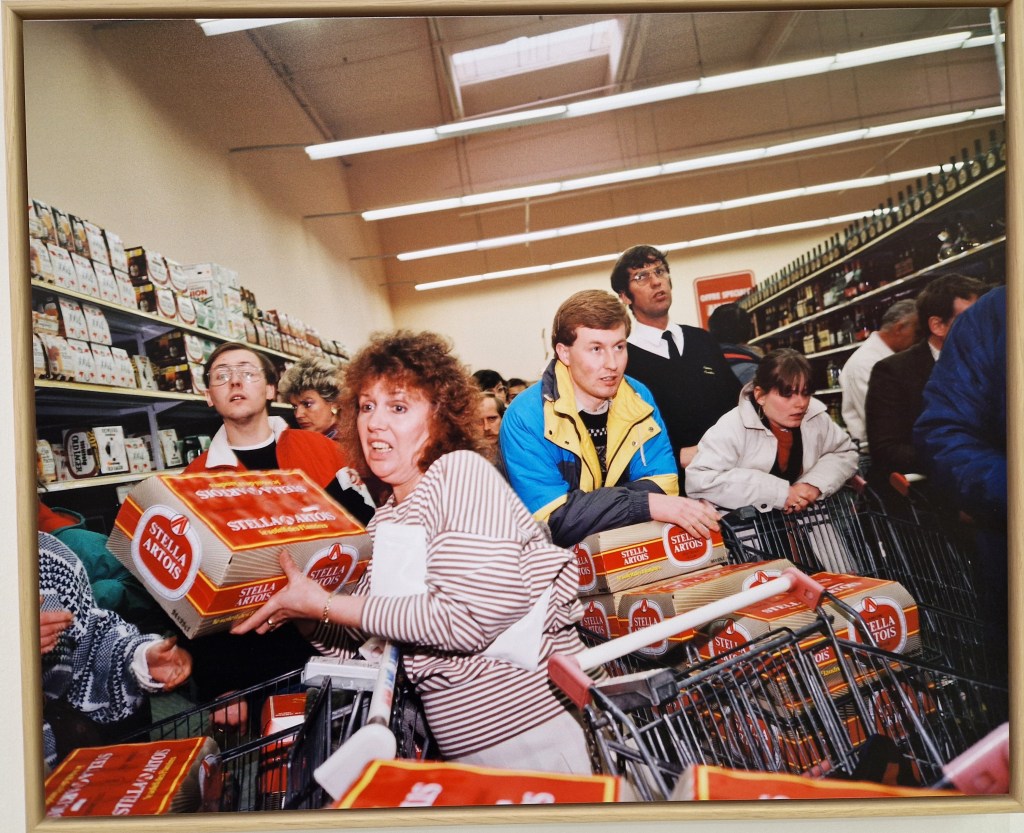
What makes this exhibition particularly compelling is its non-chronological, thematic approach, which highlights the coherence between different bodies of work and reflects the breadth of Parr’s interests. For over fifty years, the British photographer has consistently focused on the human condition – unfiltered, unembellished, and at times in its most raw and instinctive form. Some images provoke discomfort, others invite laughter; some generate empathy, while others confront us with scenes so familiar that they feel almost personal. Despite the highly recognisable nature of Parr’s visual language- marked by saturated colours, strong contrasts, and an attention to detail – his images and subjects retain an undeniable sense of authenticity.
As the exhibition unfolds, its critical dimension becomes increasingly evident. Parr’s gaze carries a provocative, often satirical undertone, subtly addressing consumer society and its excesses. Without ever adopting an overtly militant stance, his photographs convey a powerful critique that often speaks louder than words. Since the 1980s, Parr has been among the first to document and expose the rise of consumerism and the proliferation of goods, producing images that are both direct and unsettling, yet undeniably thought-provoking.
« I create entertainment that contains a serious message, if one chooses to read it—but I am not trying to convince anyone; I simply show what people already think they know »
-Martin Parr, 2021
He has also documented moments that now appear almost historical, such as the opening of the first McDonald’s in Russia, in 1991, a powerful symbol of globalisation and Americanisation. On that occasion, Parr photographed the long queues of people waiting to access this new icon of Western culture, later recalling in his blog Moscow Calling (2007): “I still remember, with almost disbelief, the excitement and thrill of the diners.”
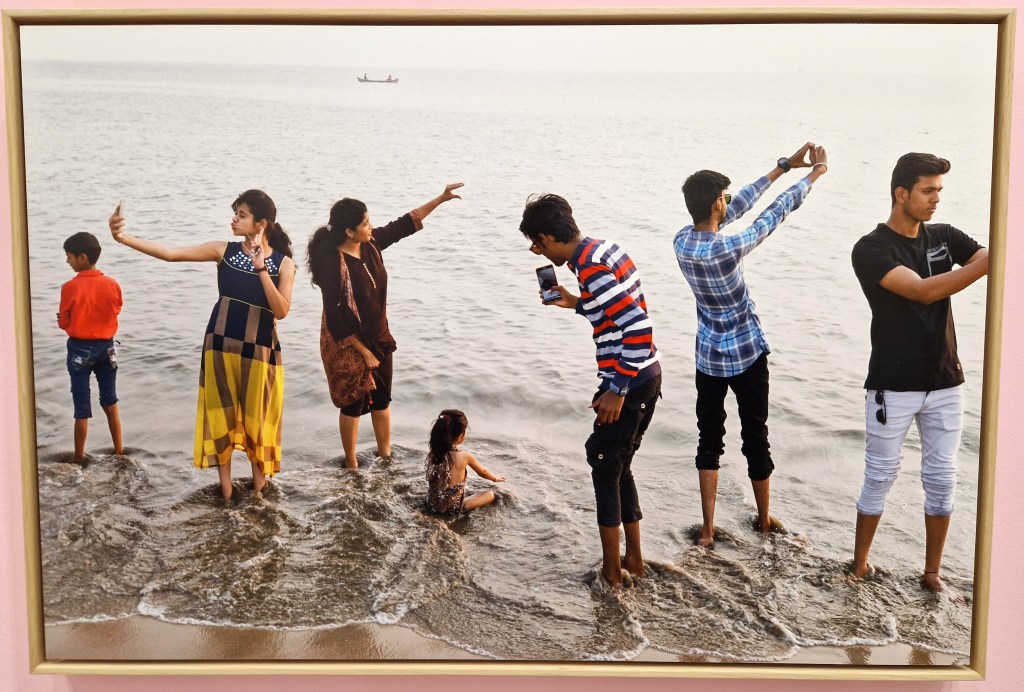
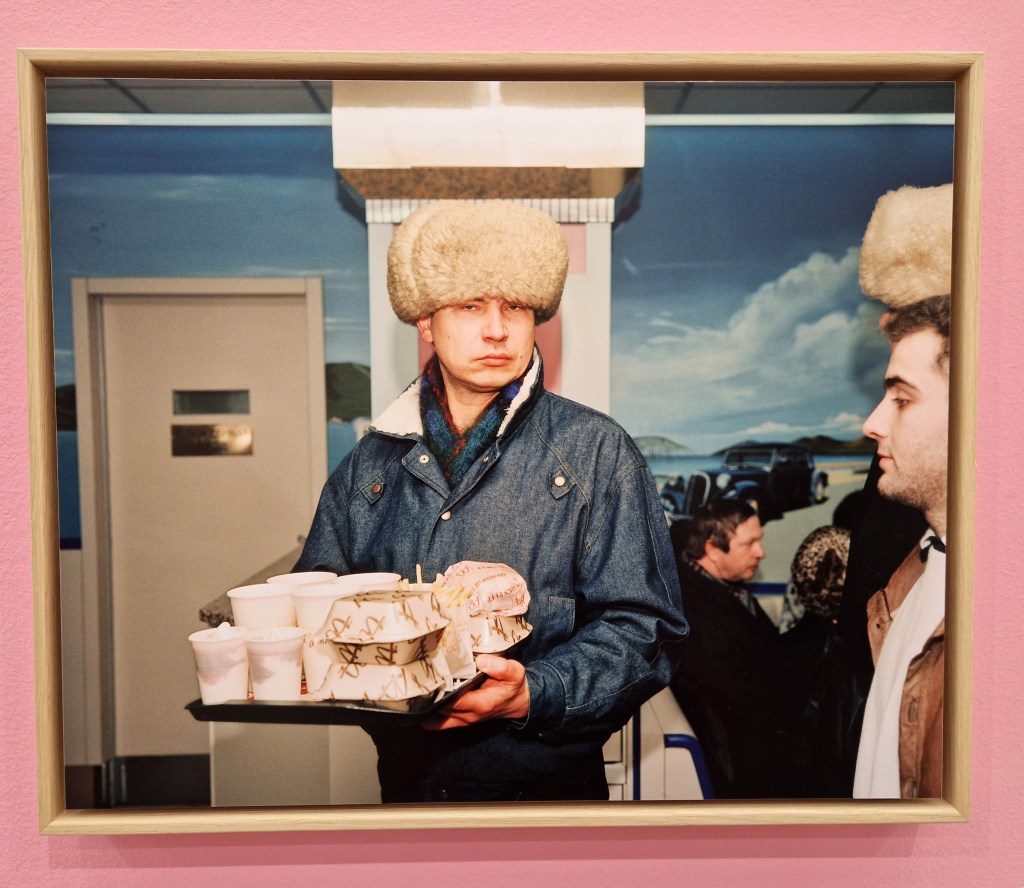
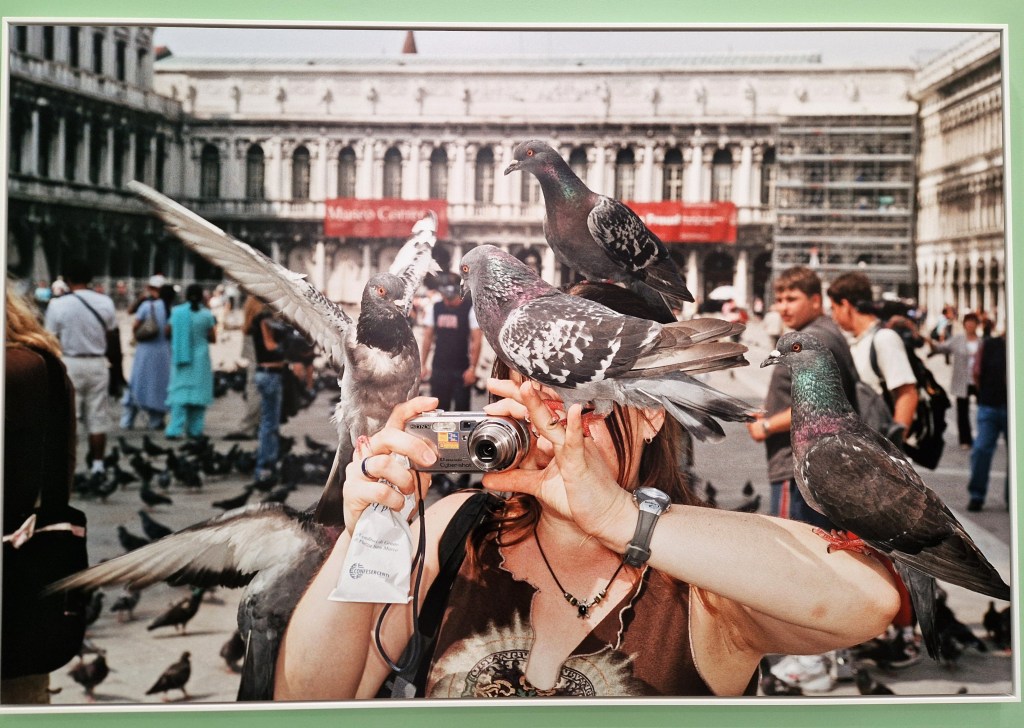
Many of Parr’s images are infused with humour, such as those depicting pets treated like humans or everyday behaviours that appear both banal and absurd; at the same time, others reveal a deeper, more unsettling critique. This is particularly evident in his reflections on overtourism and environmental crisis, as well as in the final section of the exhibition, which explores our relationship with technology. Each era, Parr suggests, is defined by its objects, from cars to computers, from early devices to smartphones. Through his lens, these tools become indicators of human behaviour, often revealing forms of dependency and the central role they now occupy in our lives.
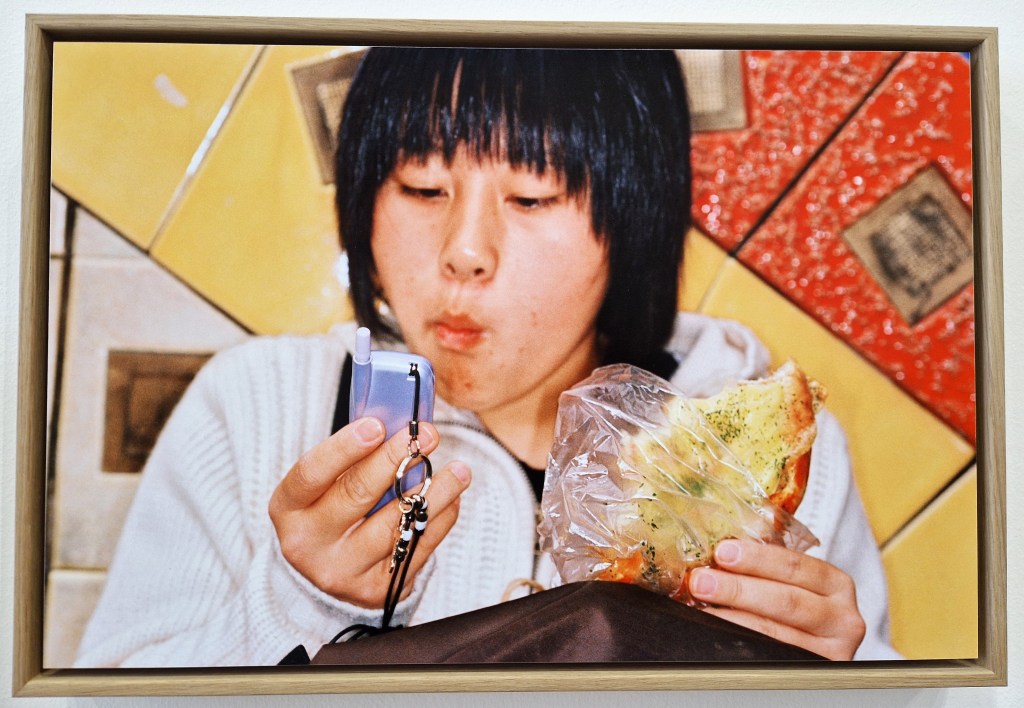
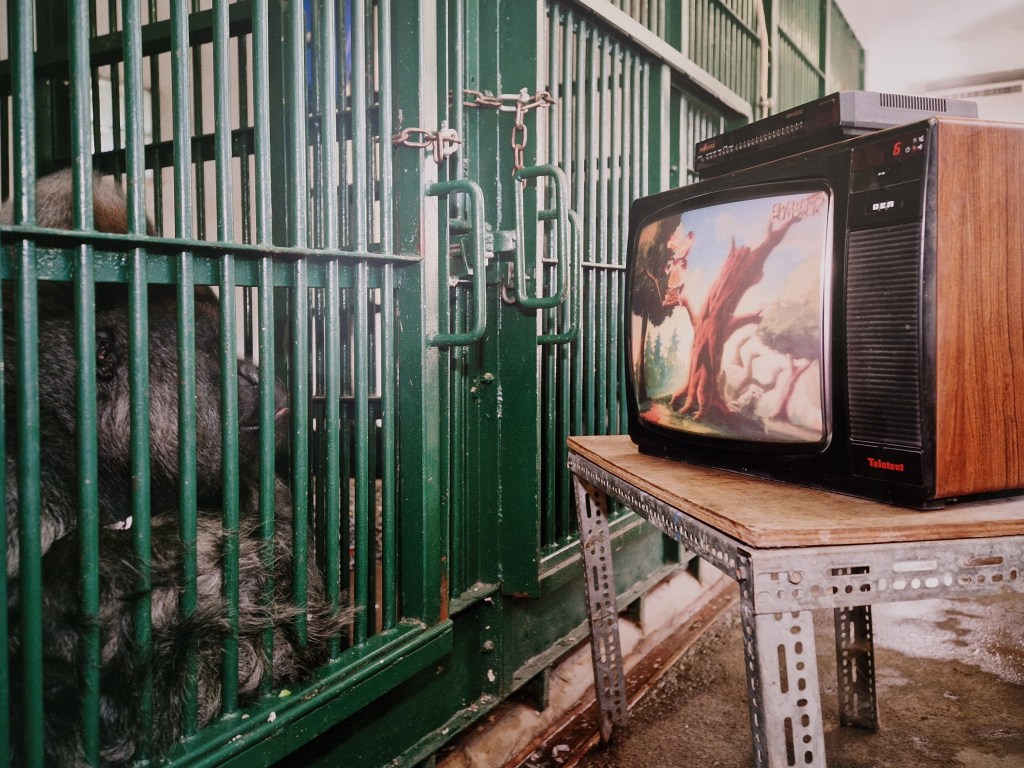
The exhibition, clearly structured into five sections and modest in scale, remains highly accessible. Selected images are accompanied by excerpts from Parr’s own writings, further enriching the viewer’s understanding. For decades, his photographs have documented the contradictions, excesses, and absurdities of contemporary life. Yet this critical perspective is always balanced by a distinctive sense of humour and an exceptional narrative ability. Parr’s images are deeply evocative of their time, allowing us not only to understand their context, but also to momentarily adopt the photographer’s gaze.
With his recent passing, Martin Parr leaves behind a profound and lasting influence on the history of photography and visual culture.
My personal highlights:
- Seagaia Ocean Dome, Miyazaki, Japan (1996)
- Longleat Safari Park series
- New Brighton, UK (1983)
- Dublin, Ireland (1986)
 MUSEmemoirs