Info:
- Dates: 14.03.26 – 23.08.26
- Curator: Christopher Rothko and Elena Geuna
- Where: Palazzo Strozzi
- Price: 16 euros / 13 euros reduced
The Palazzo Strozzi pays tribute to Mark Rothko with a major retrospective dedicated to one of the most influential figures of 20th-century art. Among the most comprehensive exhibitions ever presented in Italy on the artist, the show retraces Rothko’s practice from his early figurative period to his iconic multiform paintings, while also emphasising the impact of Italian masters and his formative encounters with Florence during his youth.
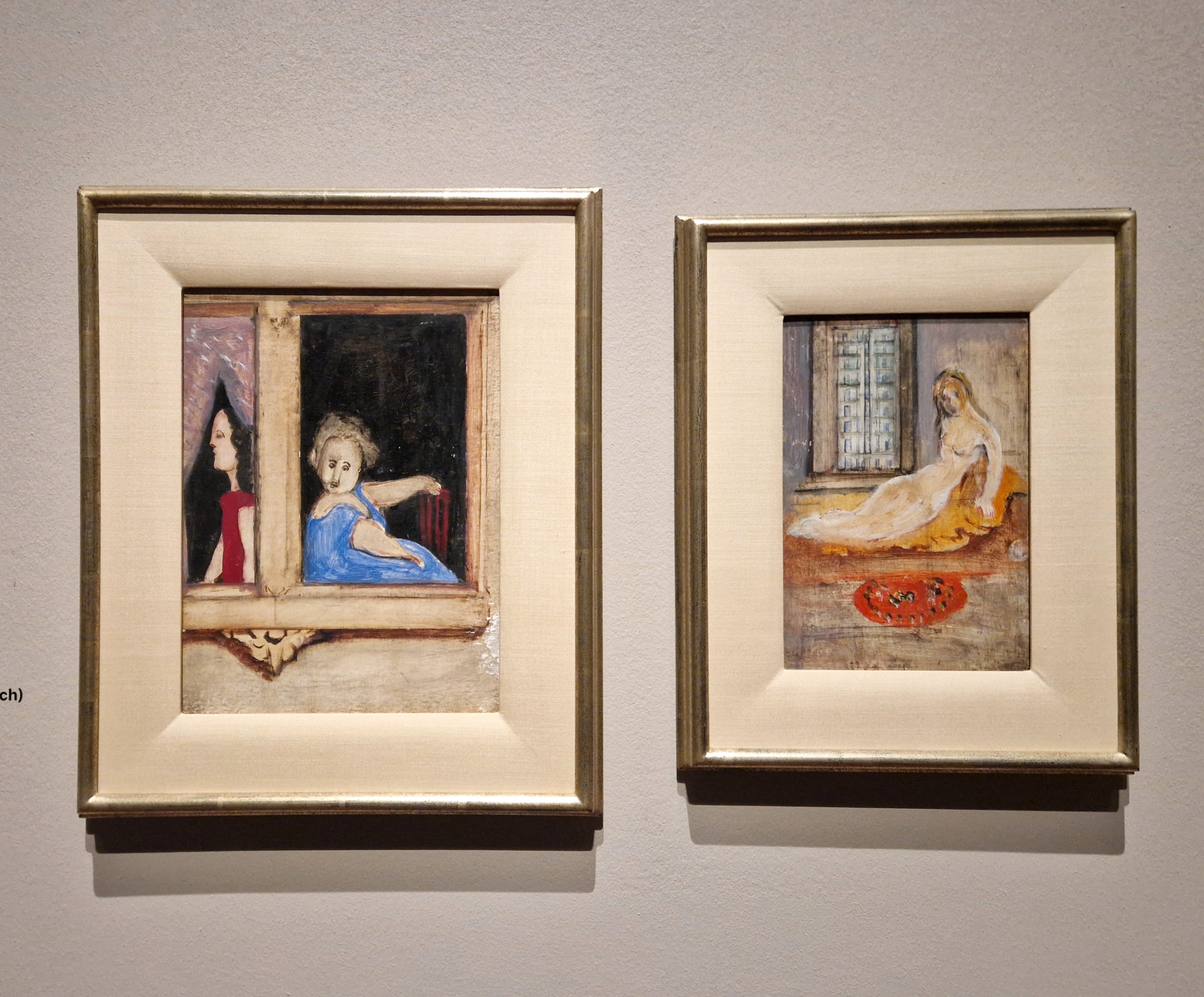
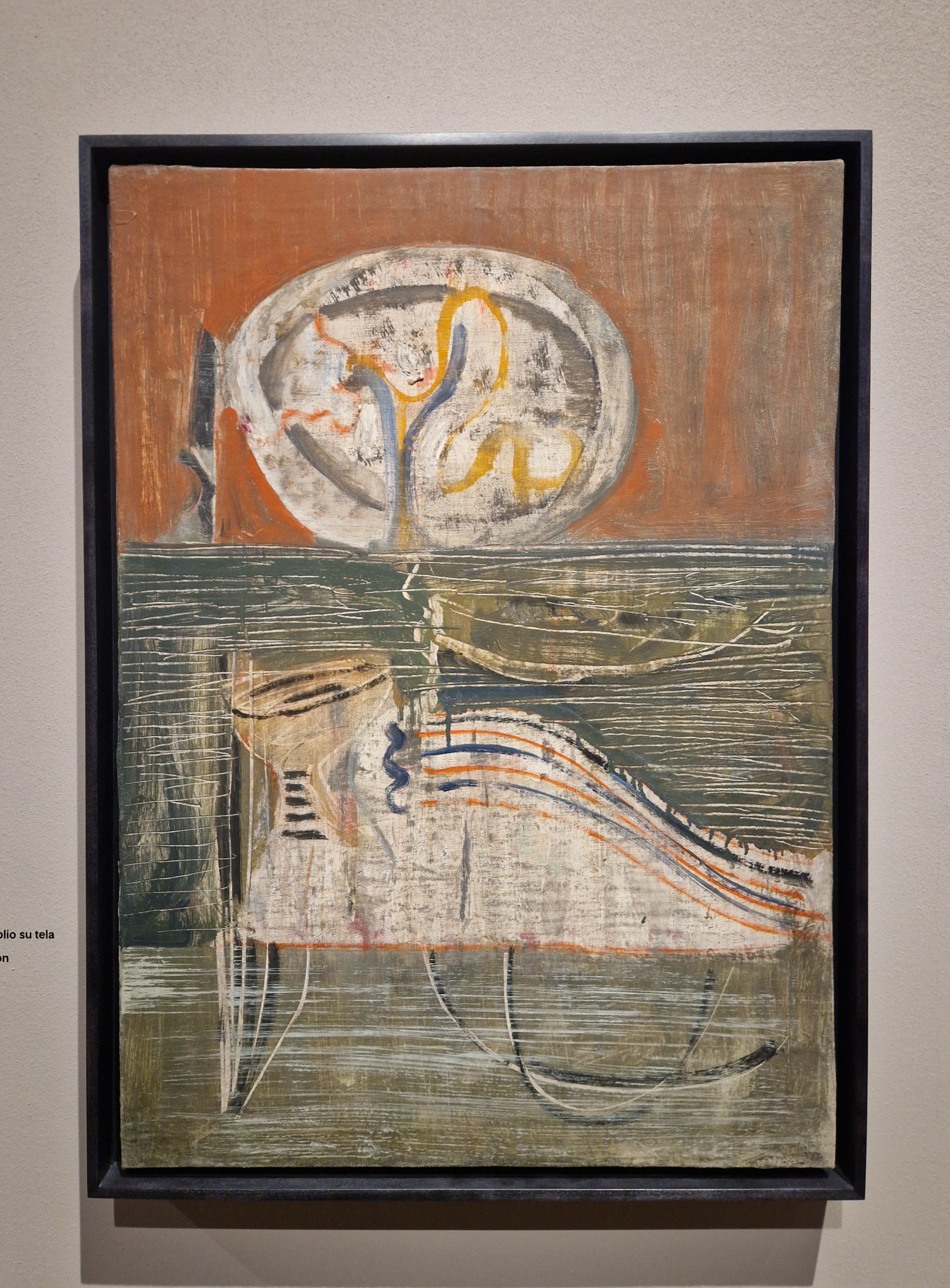
The exhibition unfolds chronologically, opening with figurative works produced during his years at Yale University, followed by paintings from the 1930s, which already reveal his growing interest in spatial division and geometric structuring. As the parcours progresses, it introduces the multiforms developed in the mid-1940s: here, figuration dissolves entirely, giving way to floating fields of colour and form. These silent, evocative compositions would become the defining language of Rothko’s mature practice.
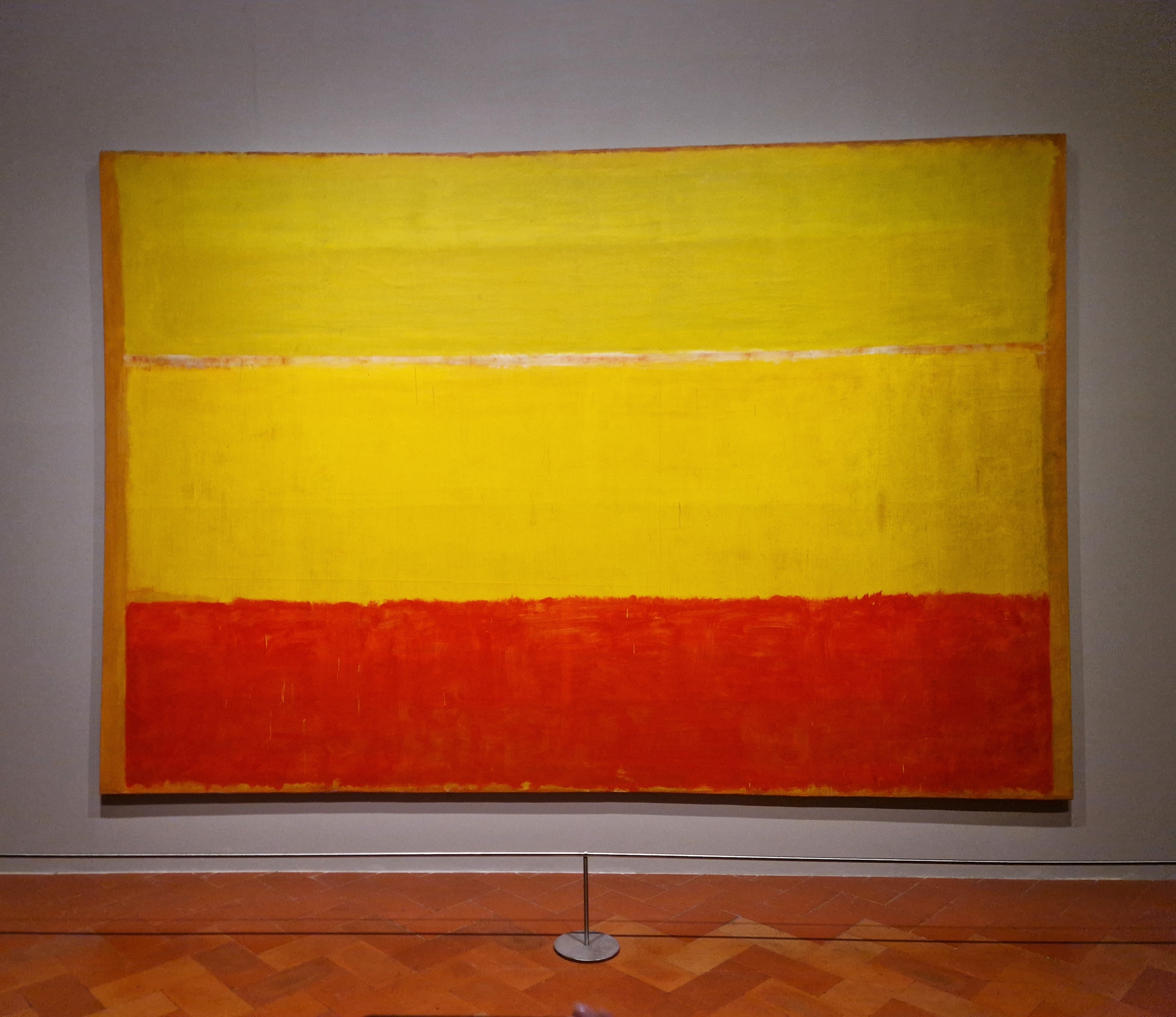
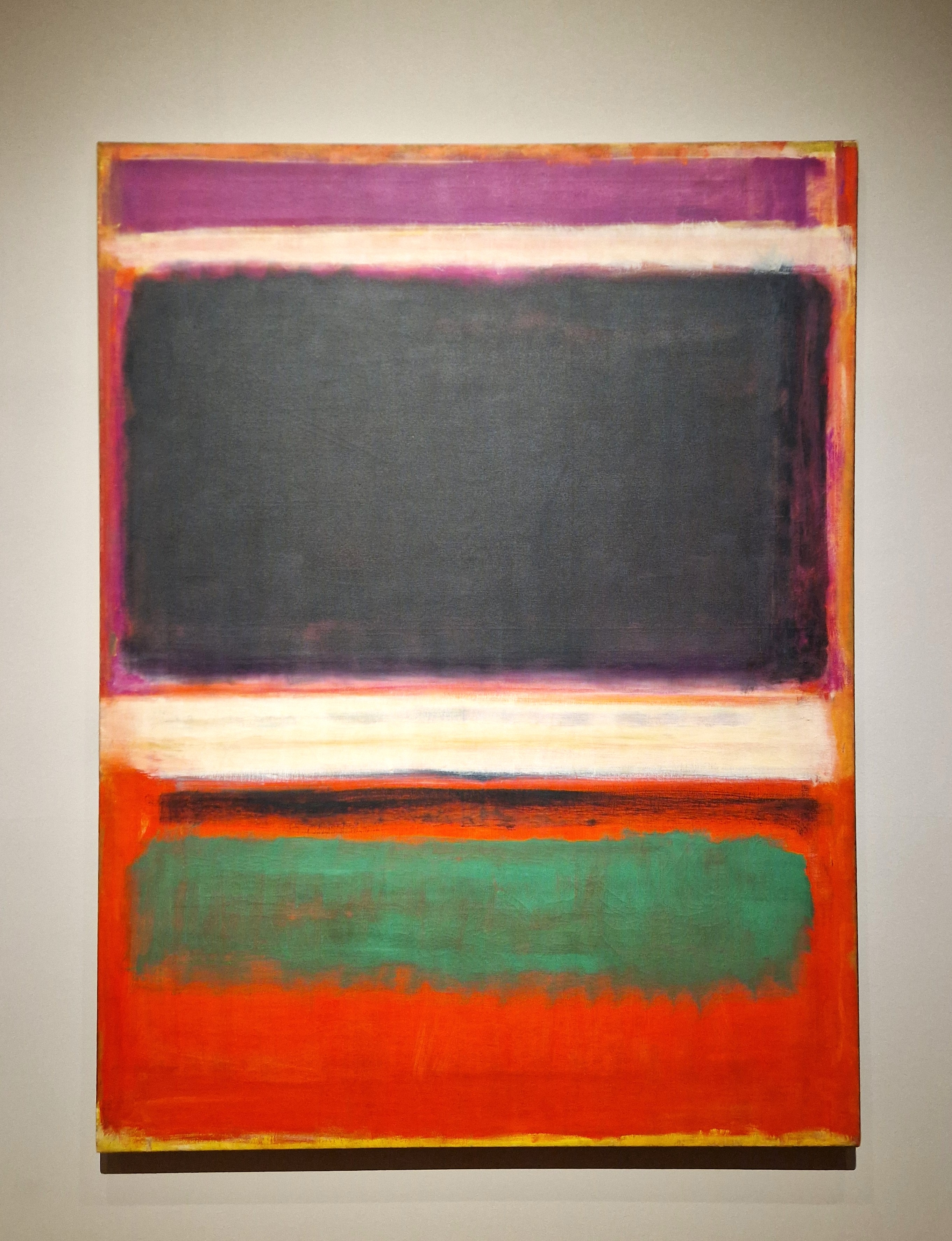
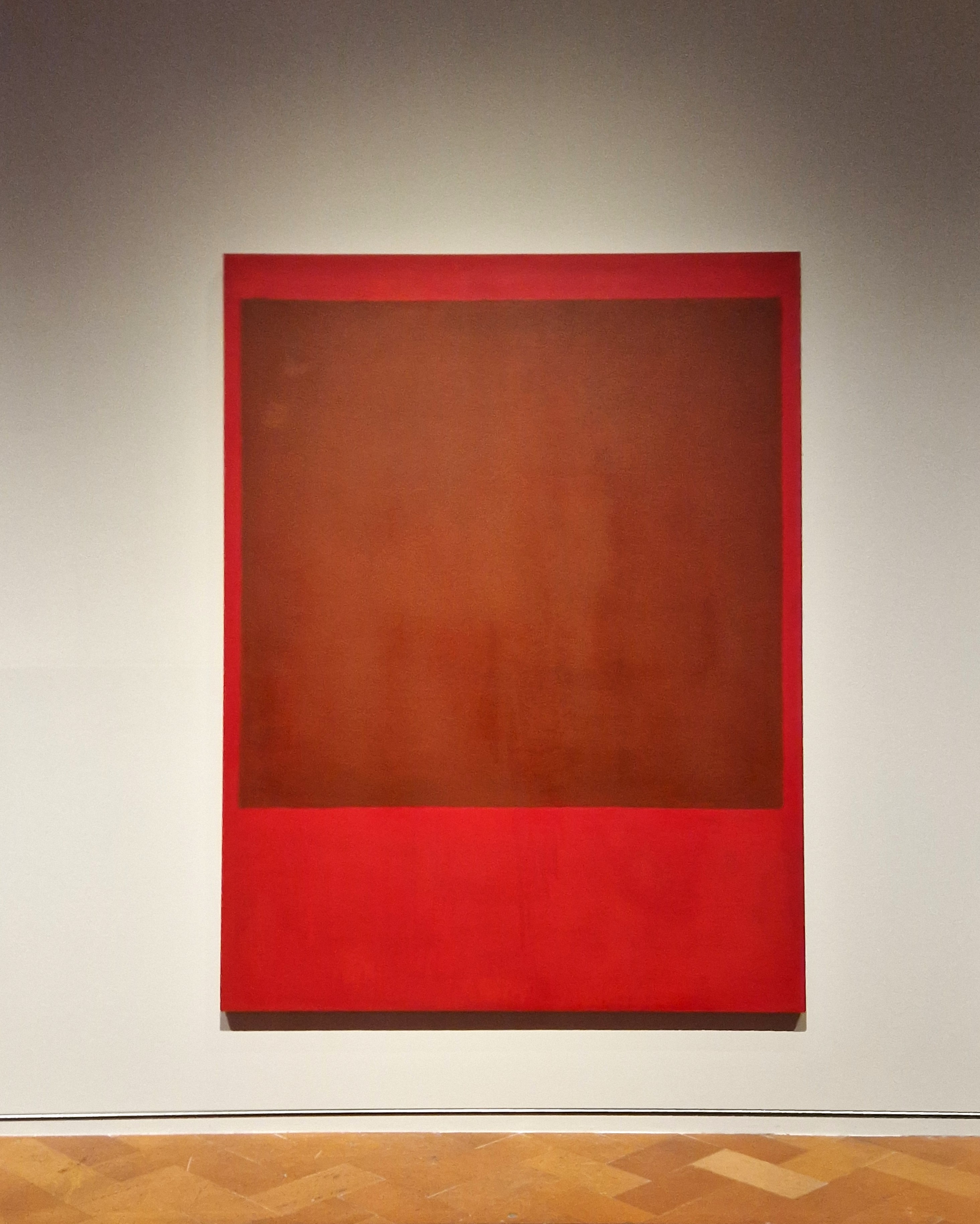
Particular emphasis is placed on the importance of Rothko’s travels in Italy during a later phase of his career. His study of the chromatic intensity of the Old Masters – especially the frescoes encountered in Florence and Pompeii – deeply informed his approach to colour. From this moment, colour becomes a fully autonomous, almost sculptural medium, capable of conveying emotion. Painting, in this sense, operates as a threshold: when standing before these canvases, the viewer is invited not simply to look at the surface, but to look into and through it.
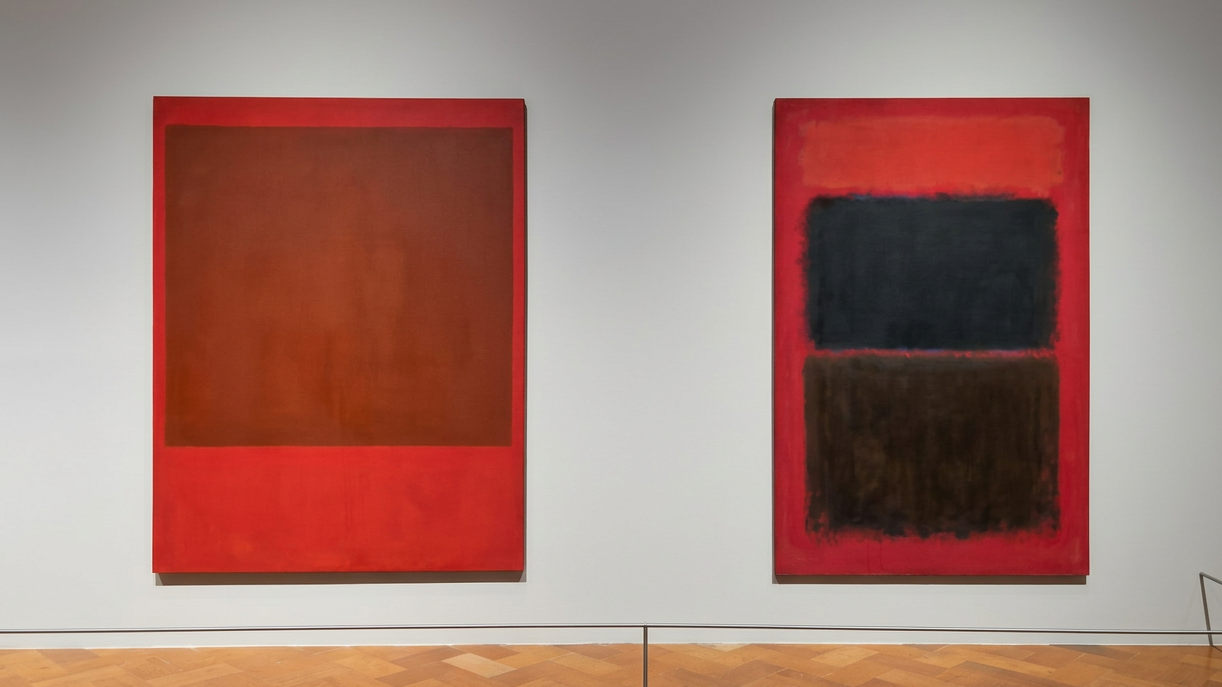
As the visitor advances through the exhibition, the palette gradually darkens. The luminous oranges and reds of earlier works give way to deeper blues, greys, and maroons, marking a more introspective phase in Rothko’s production. These later works impose a particular mode of viewing: one that calls for stillness, silence, and sustained contemplation. The encounter becomes almost meditative, as the paintings seem to absorb both light and attention.
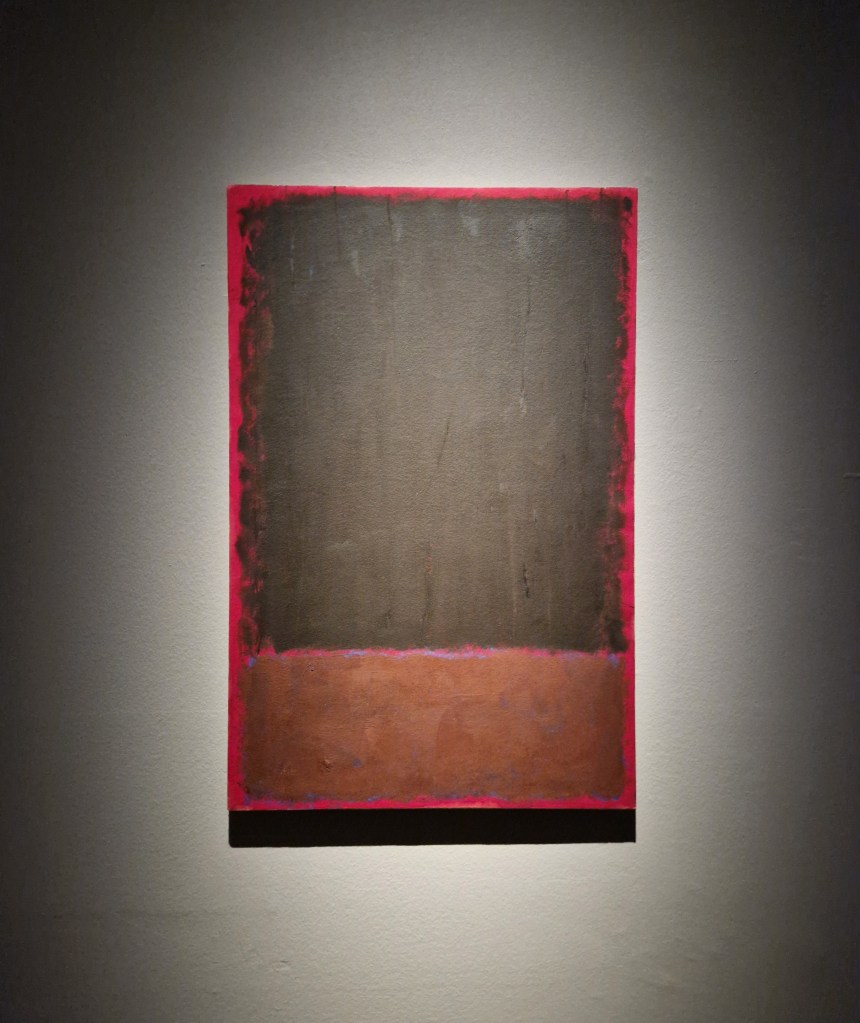
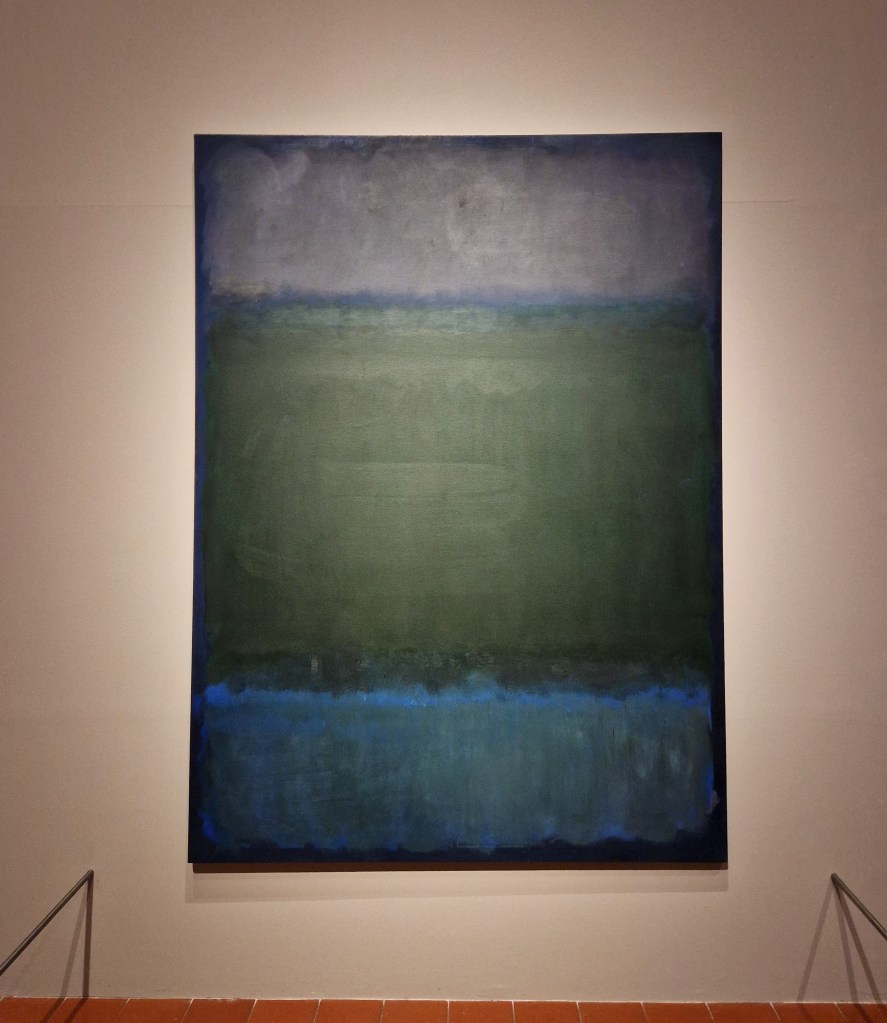
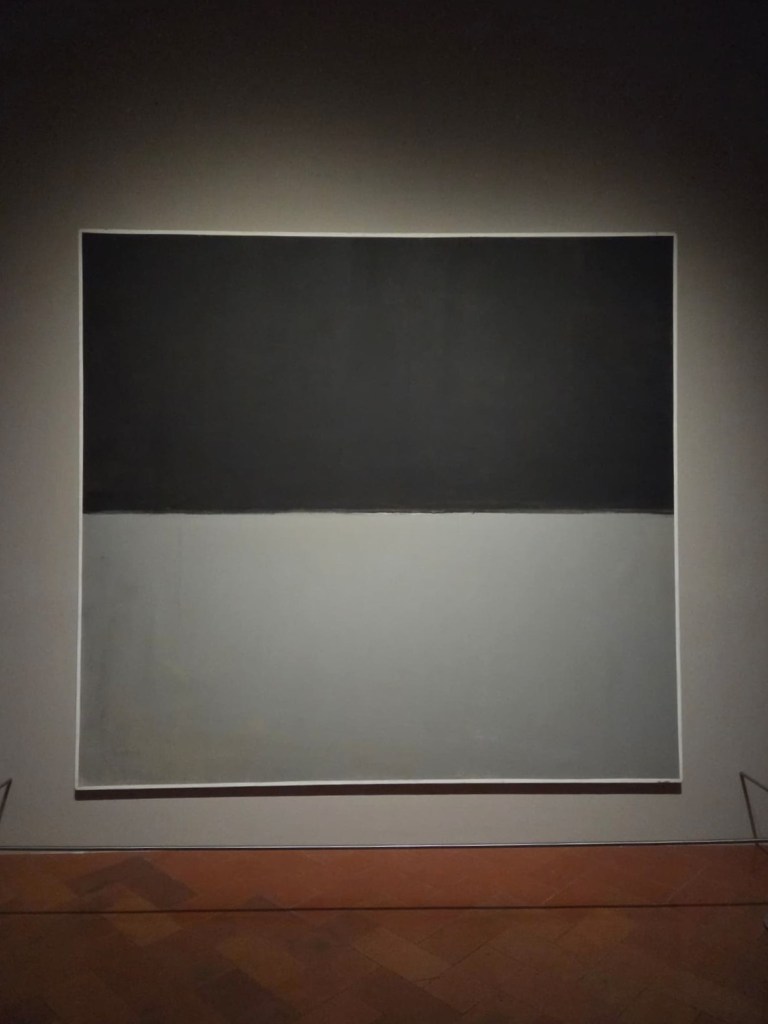
The exhibition extends beyond painting to include preparatory sketches, notably those related to the Seagram Murals, the celebrated commission for the Seagram Building in New York that was ultimately never realised. Presented at Palazzo Strozzi, these studies offer valuable insight into Rothko’s evolving conception of pictorial space during this mature period. A video component is also presented in display, focusing on the Rothko Chapel, a project that, in contrast, came to fruition and remains one of the most powerful environments associated with his work.
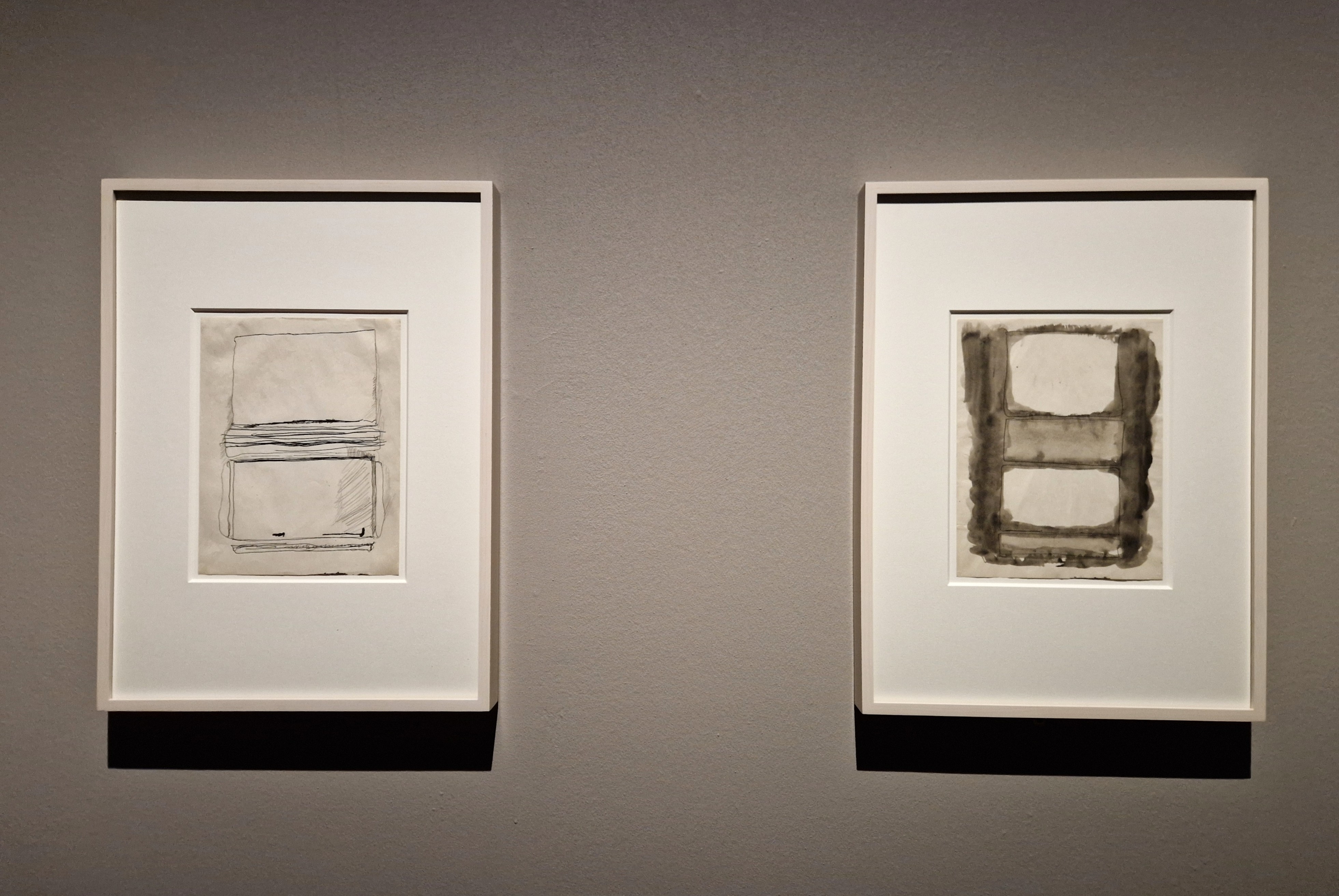
Altogether, the retrospective offers a nuanced and comprehensive portrait of an artist whose work continues to engage the viewer on an emotional and perceptual level. By foregrounding Rothko’s connection to Florence and to the Italian pictorial tradition, the exhibition also positions his practice within a broader historical continuum, subtly reaffirming the enduring dialogue between modern abstraction and the legacy of the past.
My personal highlights:
- No.3 / No. 13, 1949
- Light Red over black, 1957
- Untitled, 1959
- Untitled (Black on gray), 1969

