* Calder – Dreaming in Equilibrium
Info:
- Dates: 15.04.26 – 16.08.26
- Curator: Suzanne Pagé, Dieter Buchhart and Anna Karina Hofbauer
- Where: Fondation Louis Vuitton
- Price: 18 euros / 10 euros reduced
Fondation Louis Vuitton dedicates a major retrospective to Alexandre Calder, marking the 100th anniversary of the arrival of the American sculptor in Paris, where he spent a significant part of his life. The exhibition offers a comprehensive overview of his practice, bringing together both iconic works and lesser-known aspects of his production, including his paintings, figurative sculptures, and experiments beyond abstraction. The dialogue with Frank Gehry’s architecture is particularly successful: the volumes, transparency and fluidity of the building often enhance Calder’s sculptures, allowing even the largest works to fully inhabit the space.
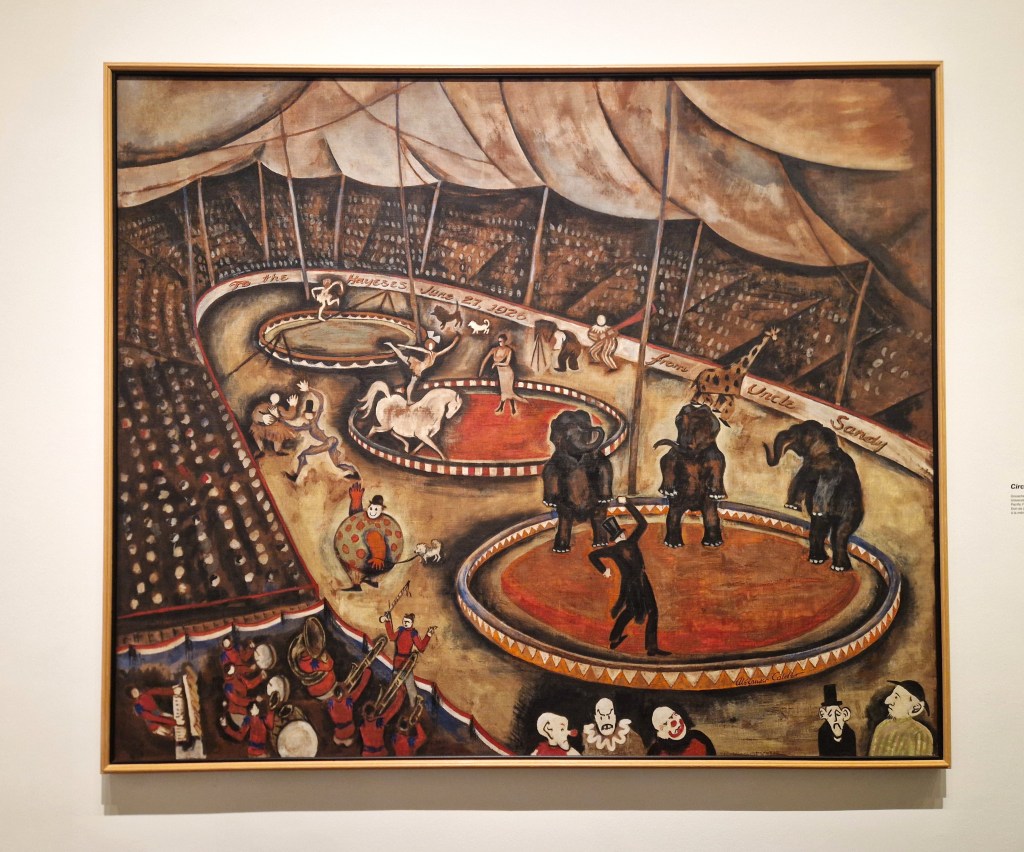
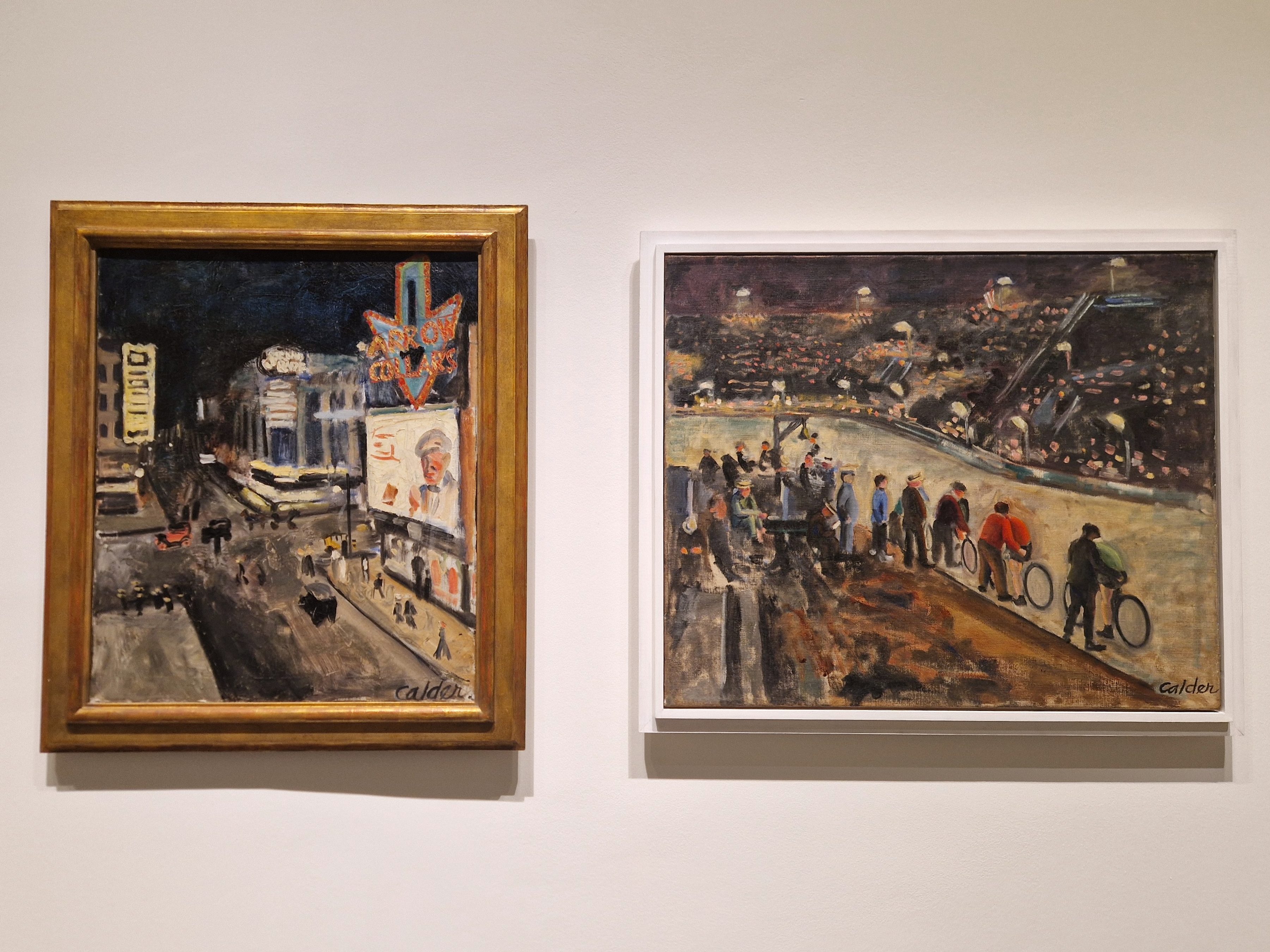
The exhibition opens with a panoramic view of Calder’s formative years, beginning with his studies at the Art Students League in New York. Figurative painting was at the centre of his practice during this early period, alongside his activity as an illustrator for a local newspaper. A vast section is dedicated to Calder’s famous Circus, which he began creating in 1926, shortly after his arrival in Paris. This miniature circus, composed of dozens of handcrafted figures and mechanisms, can today be considered a precursor to performative art, as it was activated by the artist himself, who manipulated and animated the sculptures during performances for his friends and the artistic circles of Paris.
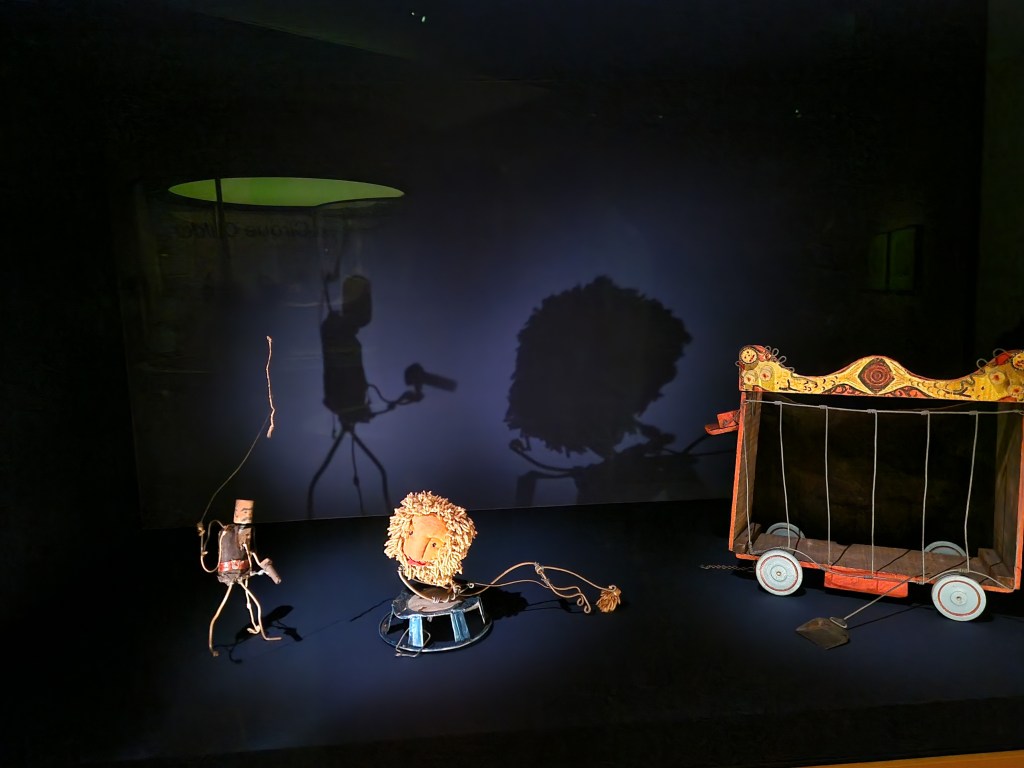
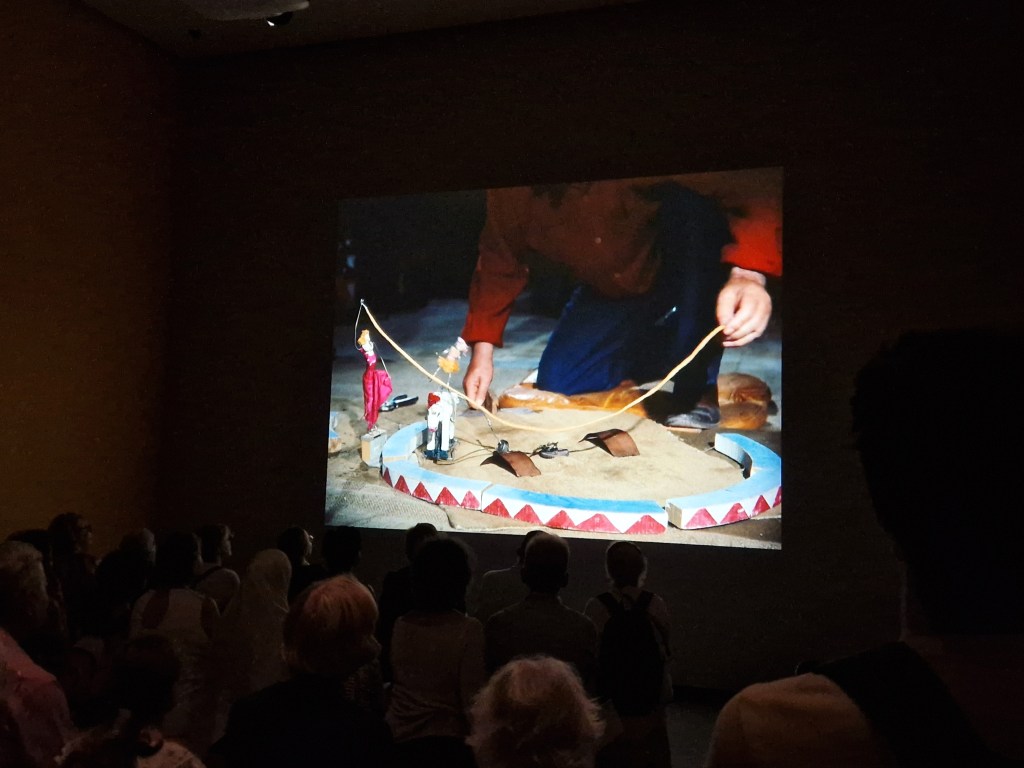
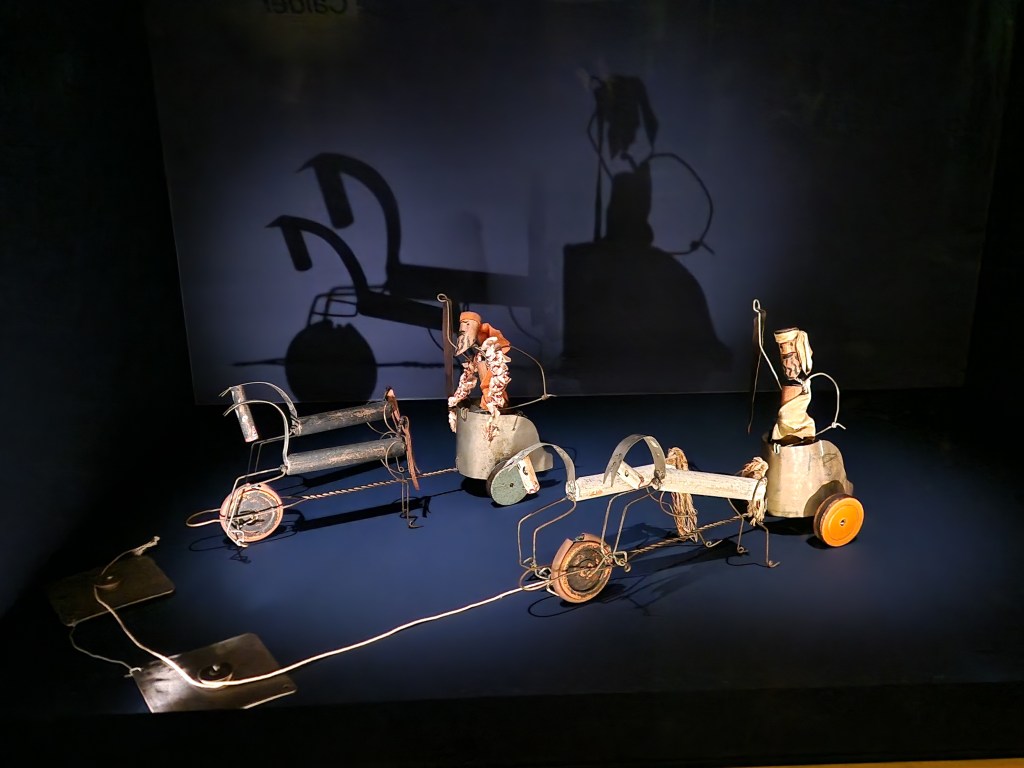
The Circus is exceptionally presented here thanks to the numerous loans from the collection of the Whitney Museum of American Art in New York, which preserves the majority of the original elements. At the intersection between sculpture, theatre and performance, a historical video made a few years later shows an older Calder activating the Circus himself, revealing the ingenious mechanical systems behind the work while maintaining the playful and humorous spirit that characterises it.
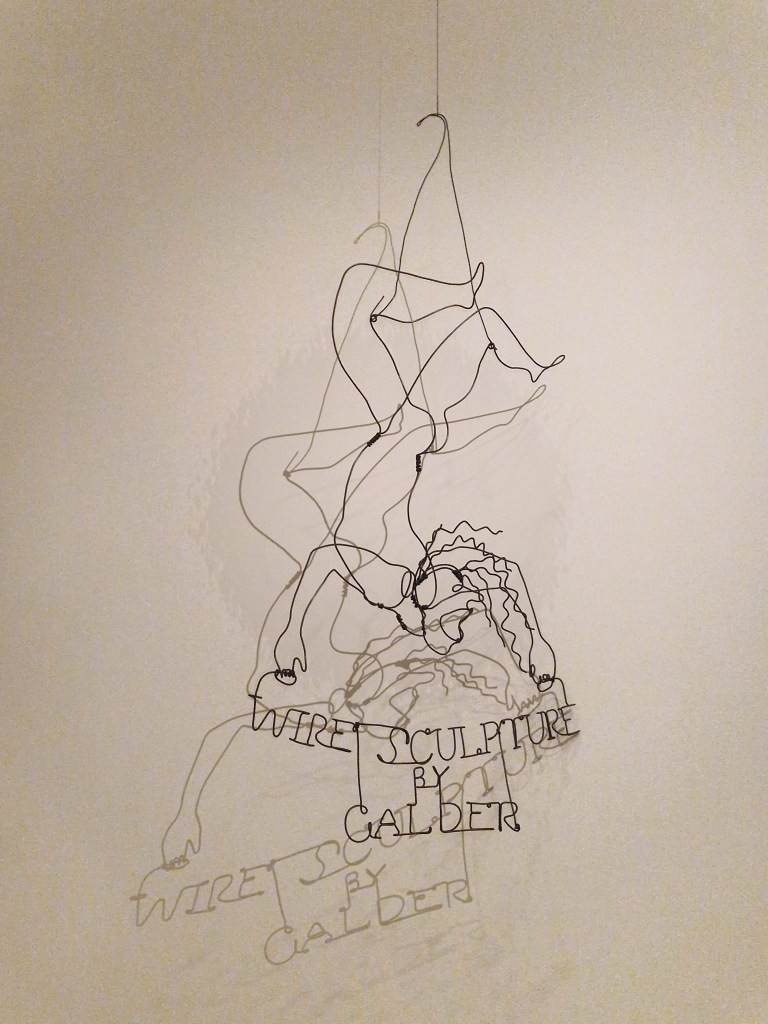
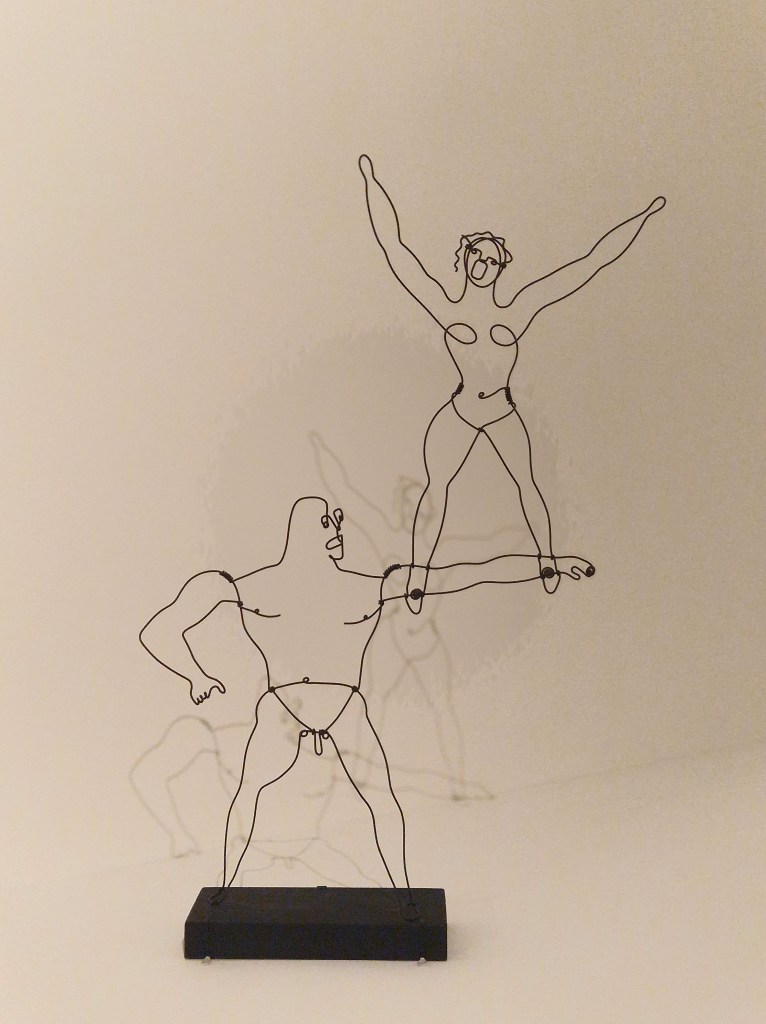
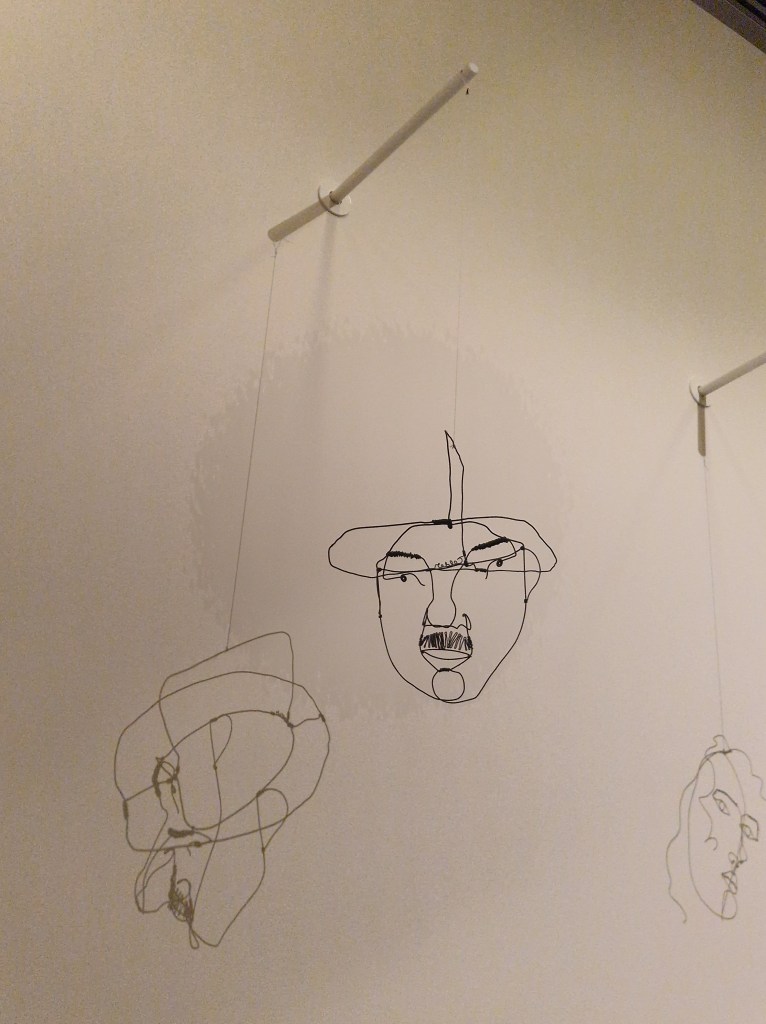
During this same period, Calder also began experimenting with wire sculptures, initially remaining within a figurative language. The exhibition presents several portraits of important figures of the time, including the famous portrait of Joséphine Baker, whose elegance and movement Calder managed to capture through the lightness of his structures.
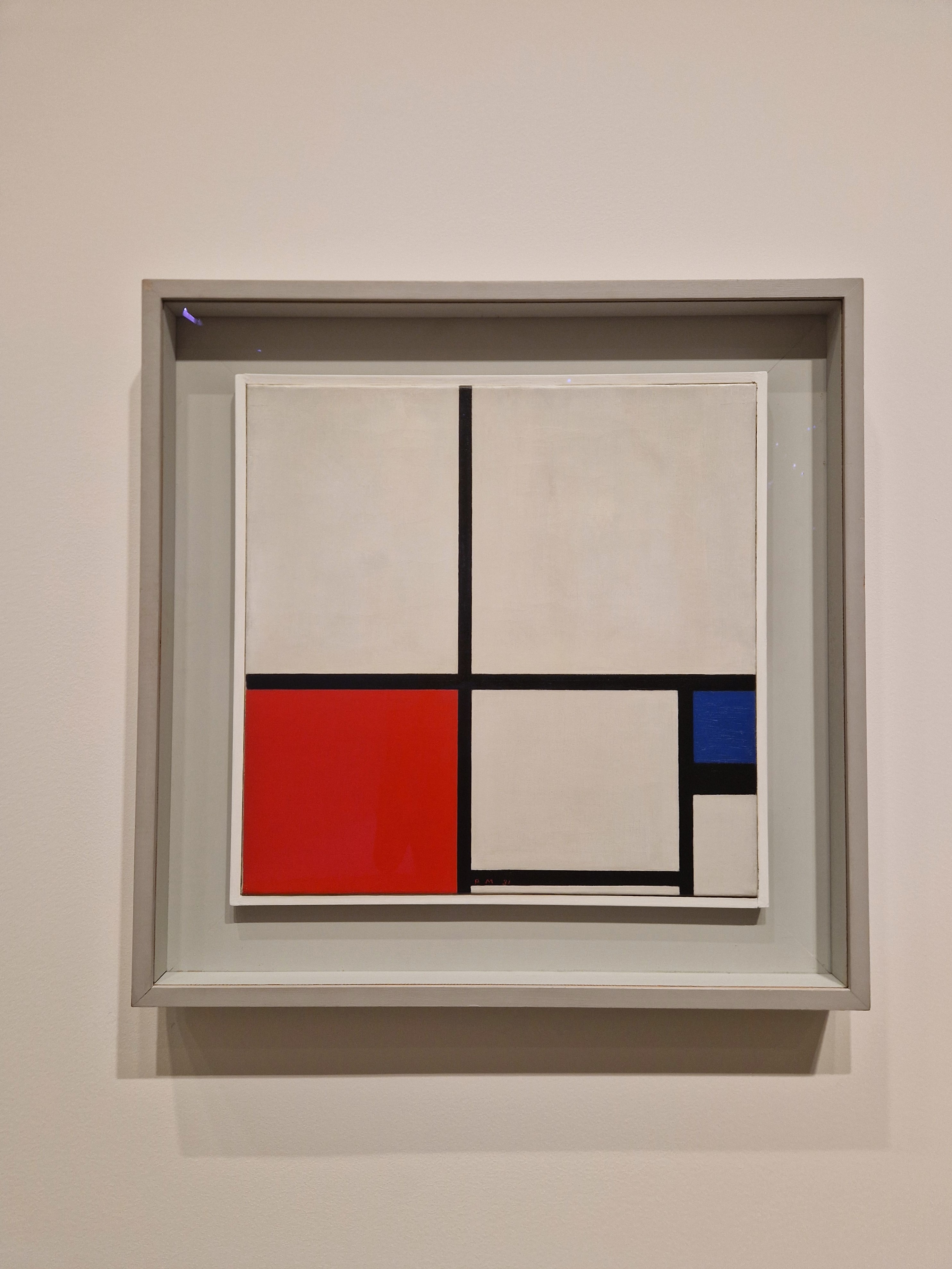
A decisive turning point came in 1930, when Calder began moving towards abstraction. One of the major influences on this transformation was his visit to Piet Mondrian’s studio in Paris, an encounter that deeply marked his artistic research. The exhibition highlights this relationship by presenting works by Mondrian alongside Calder’s first abstract sculptures, revealing the dialogue between Mondrian’s geometric compositions and Calder’s exploration of primary colours, balance and space. Several of Calder’s abstract paintings are also displayed, showing how this encounter influenced not only his sculptural language but also his approach to colour and composition. In 1933, following the rise of Nazism in Europe, Calder returned to the United States with his wife for some years.
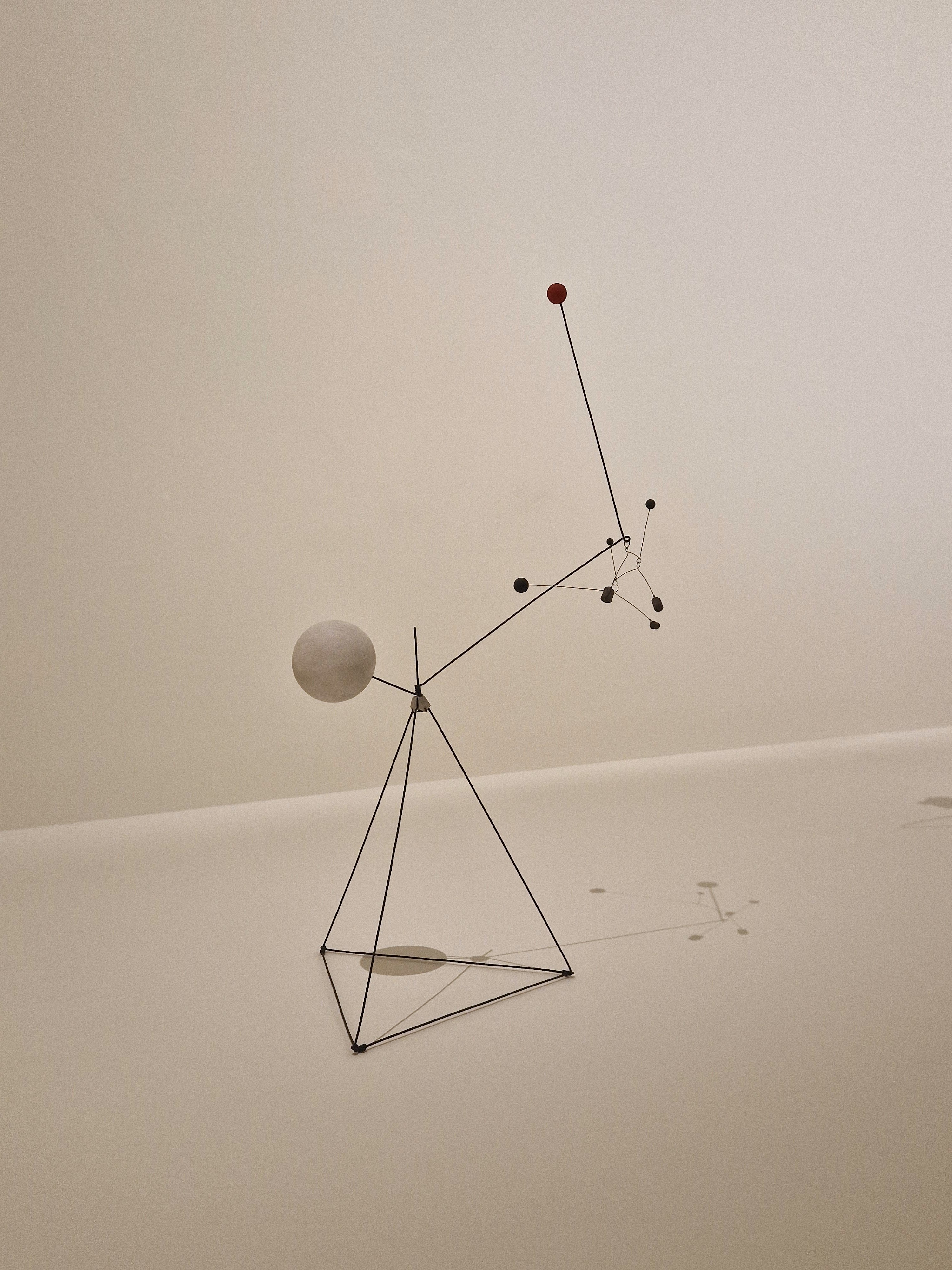
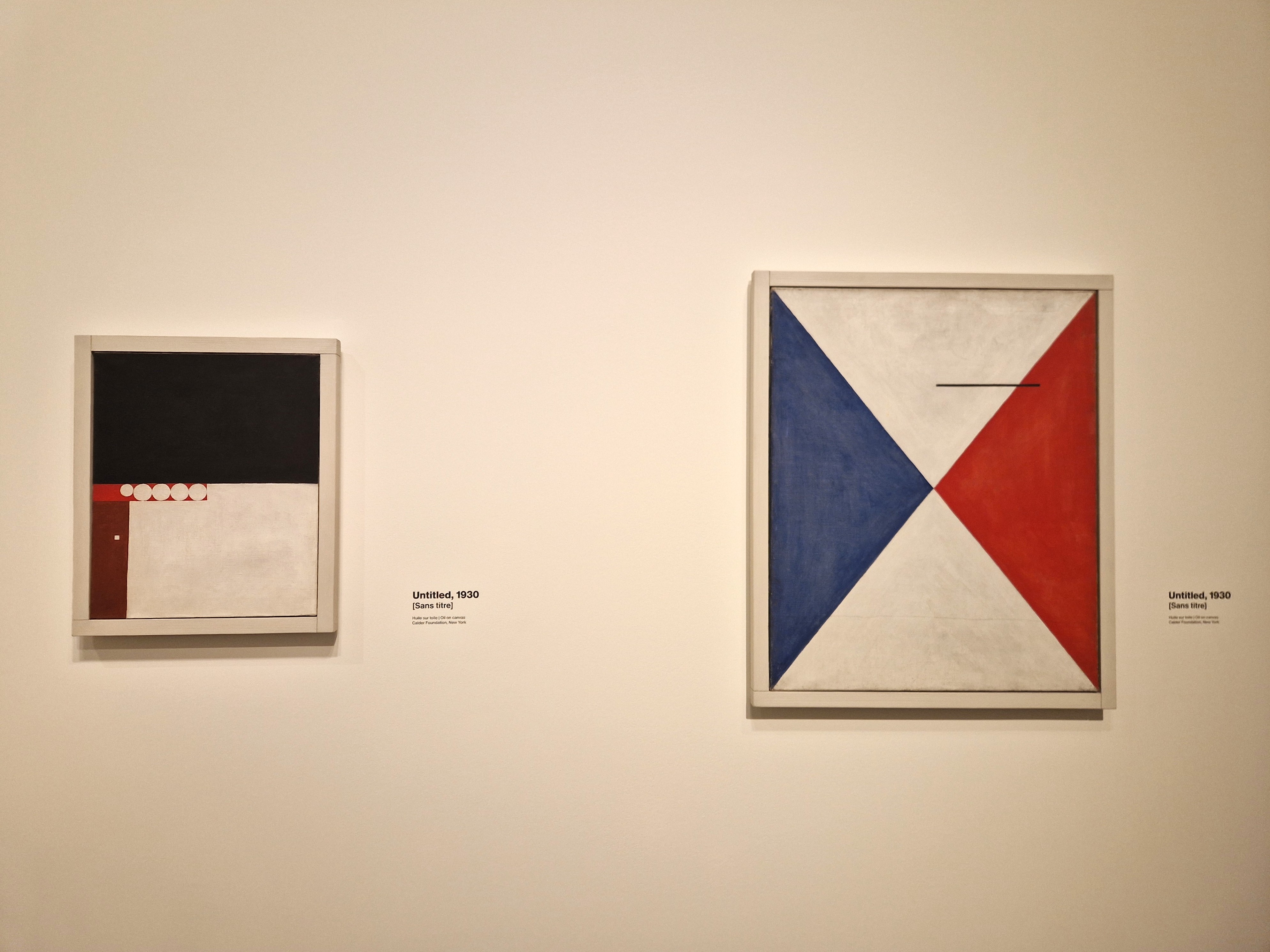
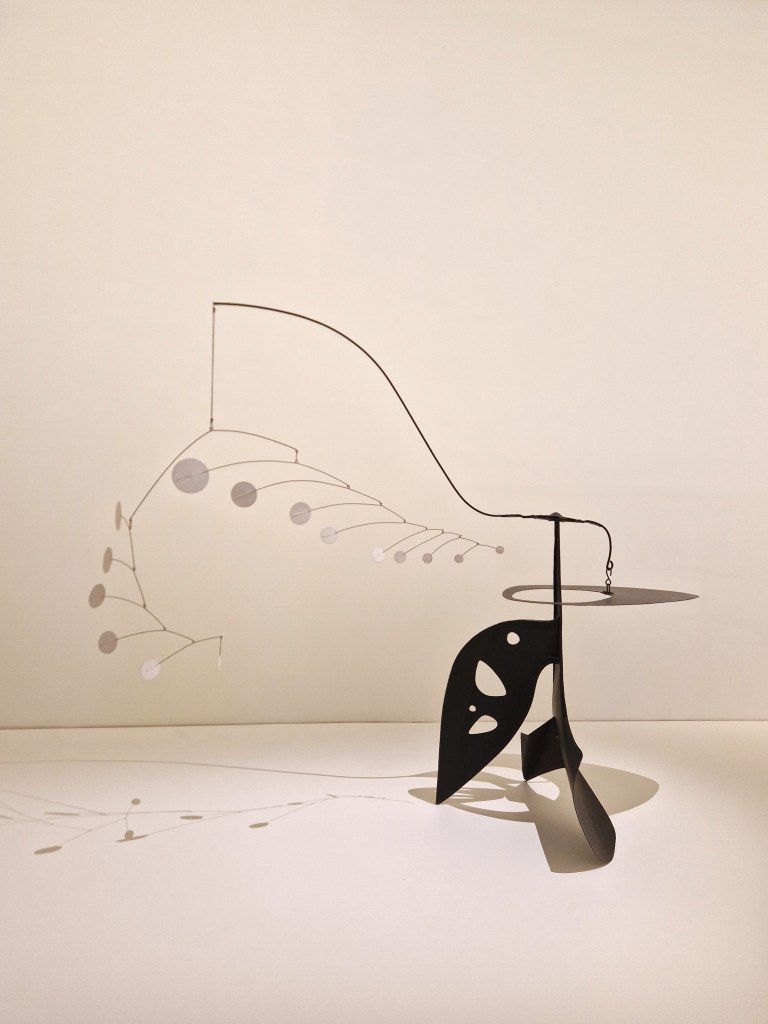
The exhibition dedicates an important section to the mobiles, the works for which Calder remains most recognised today. Through delicate wire structures and suspended elements, these sculptures transform movement itself into artistic material: influenced by air currents, gravity and the movements of visitors, they are never completely fixed. Their constantly changing forms introduce an element of unpredictability and poetry into the exhibition space.
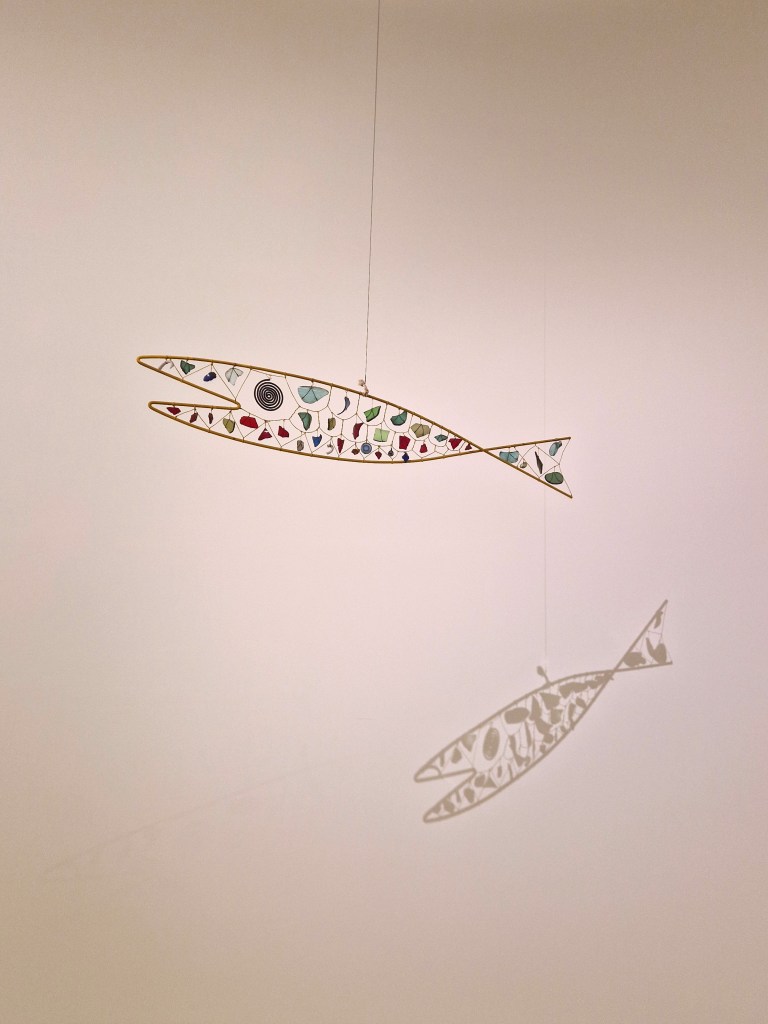
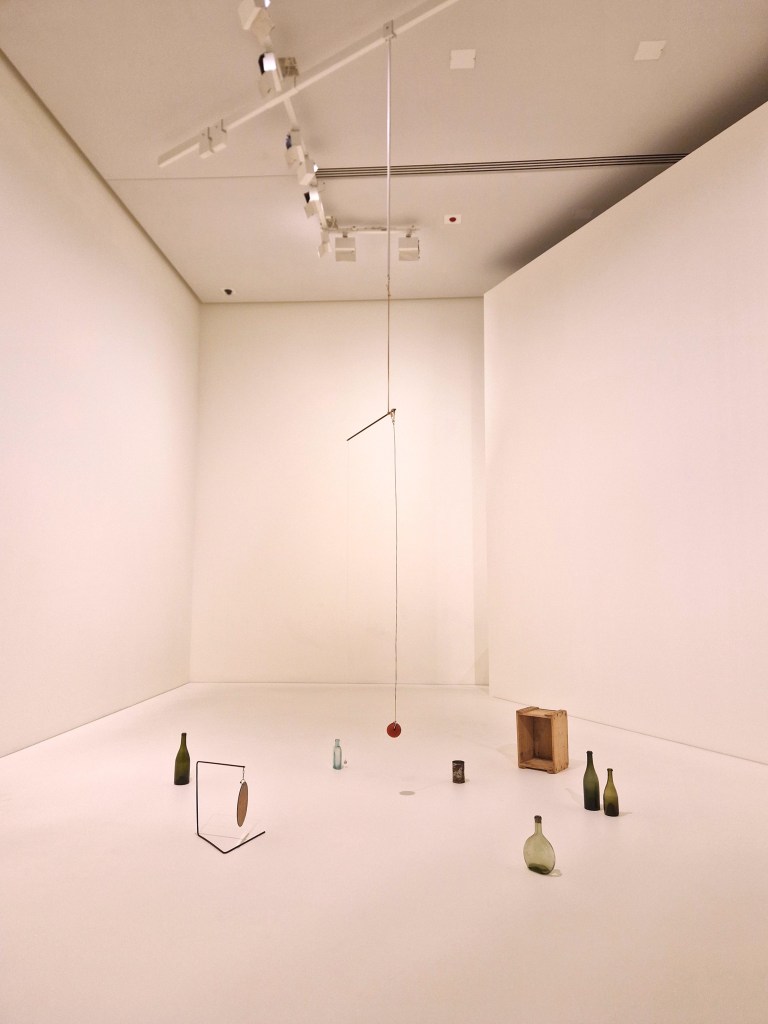
Several rooms focus on recurring motifs within Calder’s practice, such as fish, a theme explored through different materials including glass, ceramics, bottle caps and found objects. Other sections present his gongs and towers, some of which are suspended directly on the walls, creating a dialogue between sound, balance and architecture.
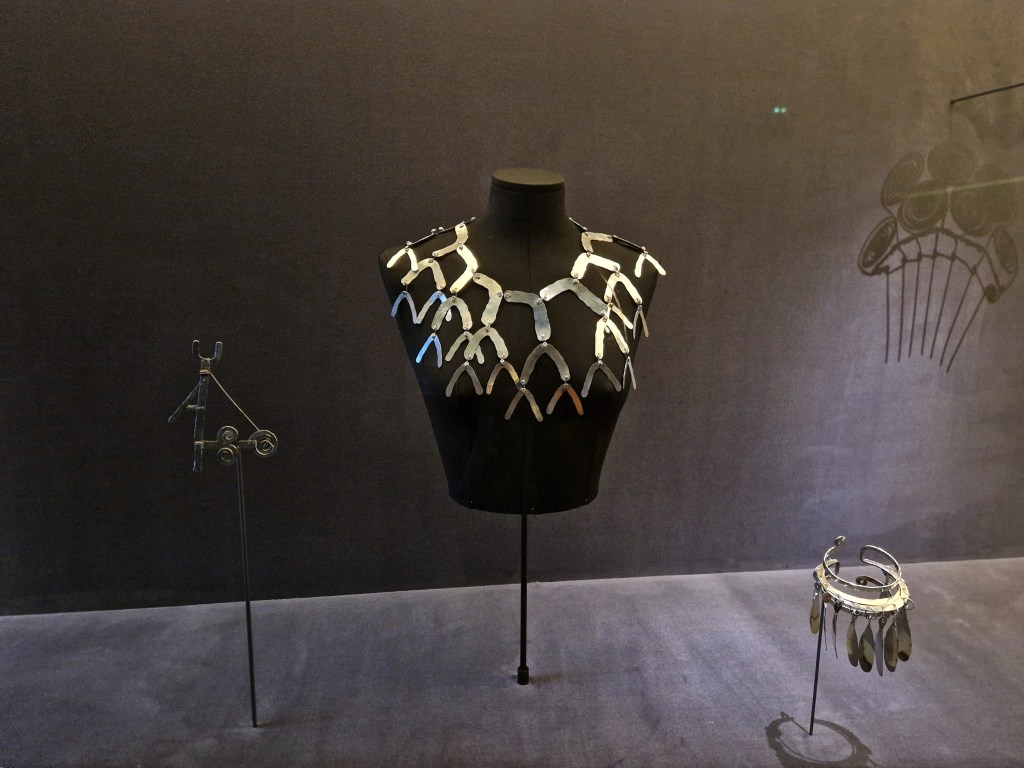
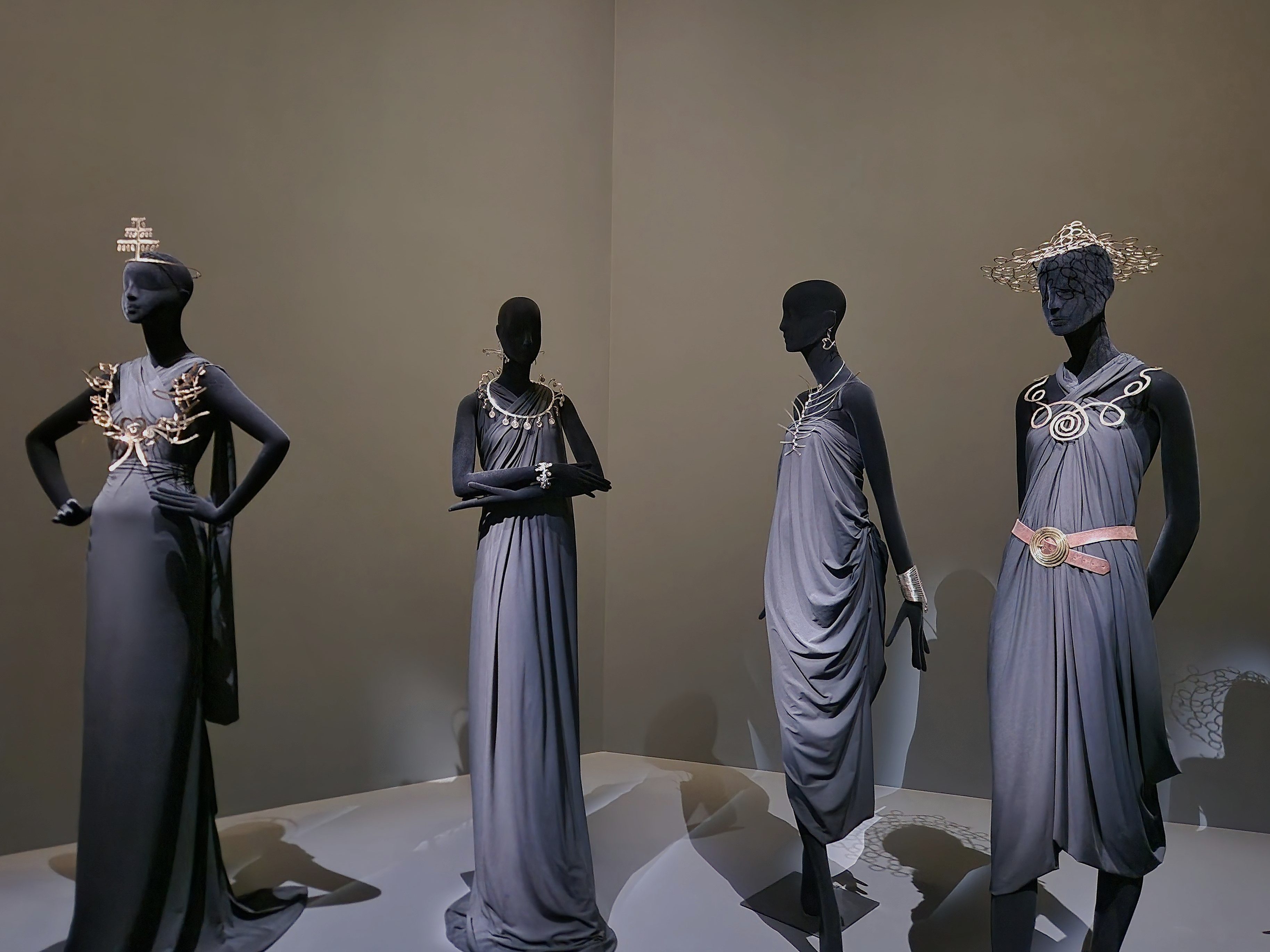
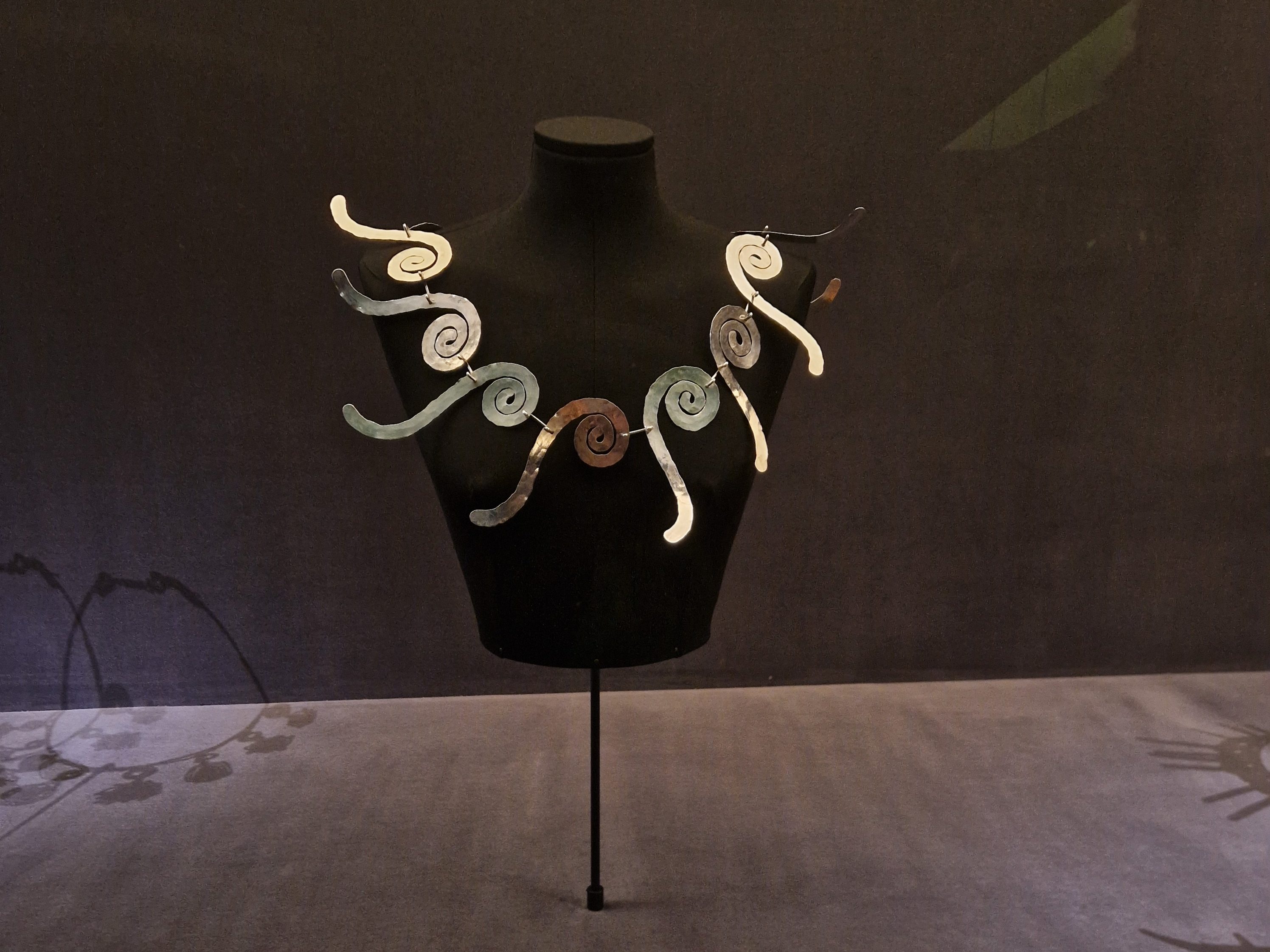
One of the most surprising parts of the exhibition is dedicated to Calder’s jewellery and portable sculptures. Initially created for his sister’s dolls, these objects later became personal creations for his wife and for important figures of the time, including Charlotte Perriand. Often made from simple or found materials, these jewels reveal another facet of Calder’s creativity. Their organic forms and references to non-Western artistic traditions make them both highly original and remarkably elegant.
Beyond presenting Calder’s own production, the exhibition also highlights his artistic environment and sources of inspiration. Alongside works by artists such as Mondrian and Joan Miró, the exhibition gives particular attention to Calder’s public image and his recognition among his contemporaries. A large gallery of photographic portraits, taken by major figures including Man Ray, Agnès Varda and other artists and photographers of his time, demonstrates the fascination Calder generated within the artistic circles of the twentieth century.
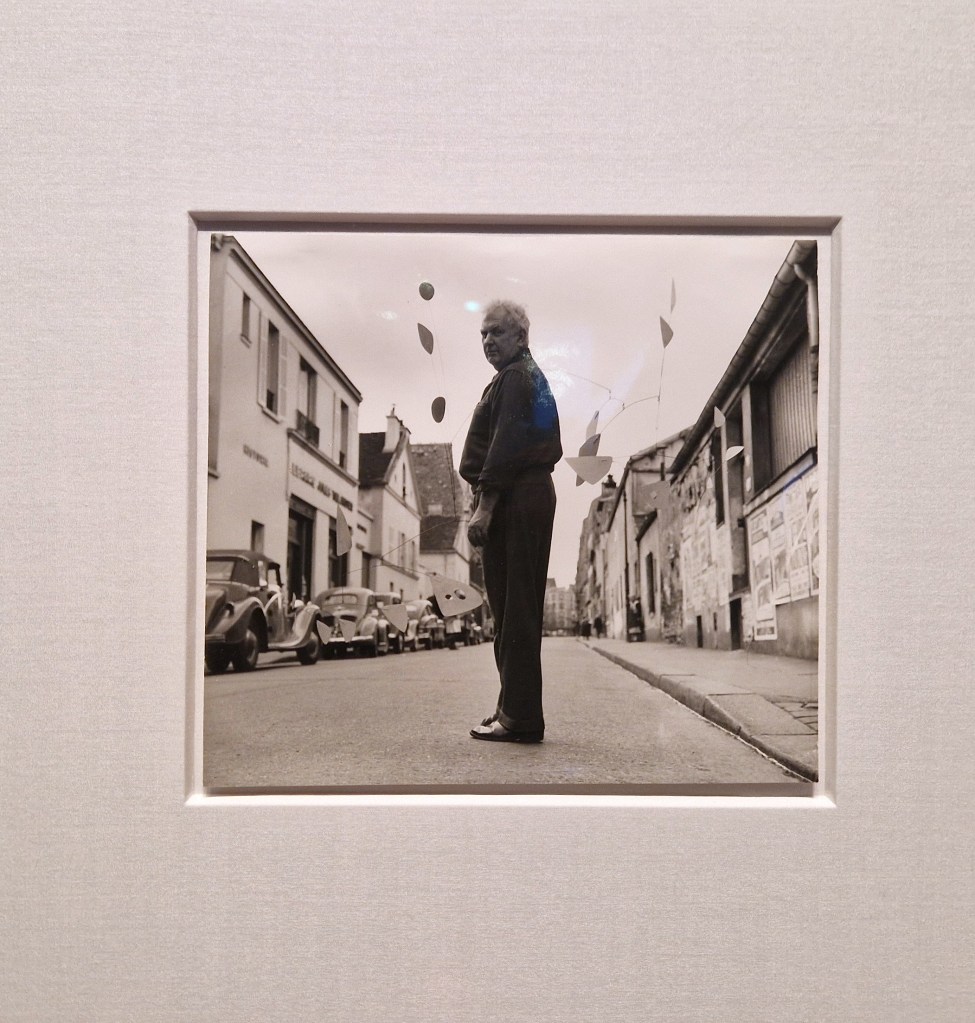
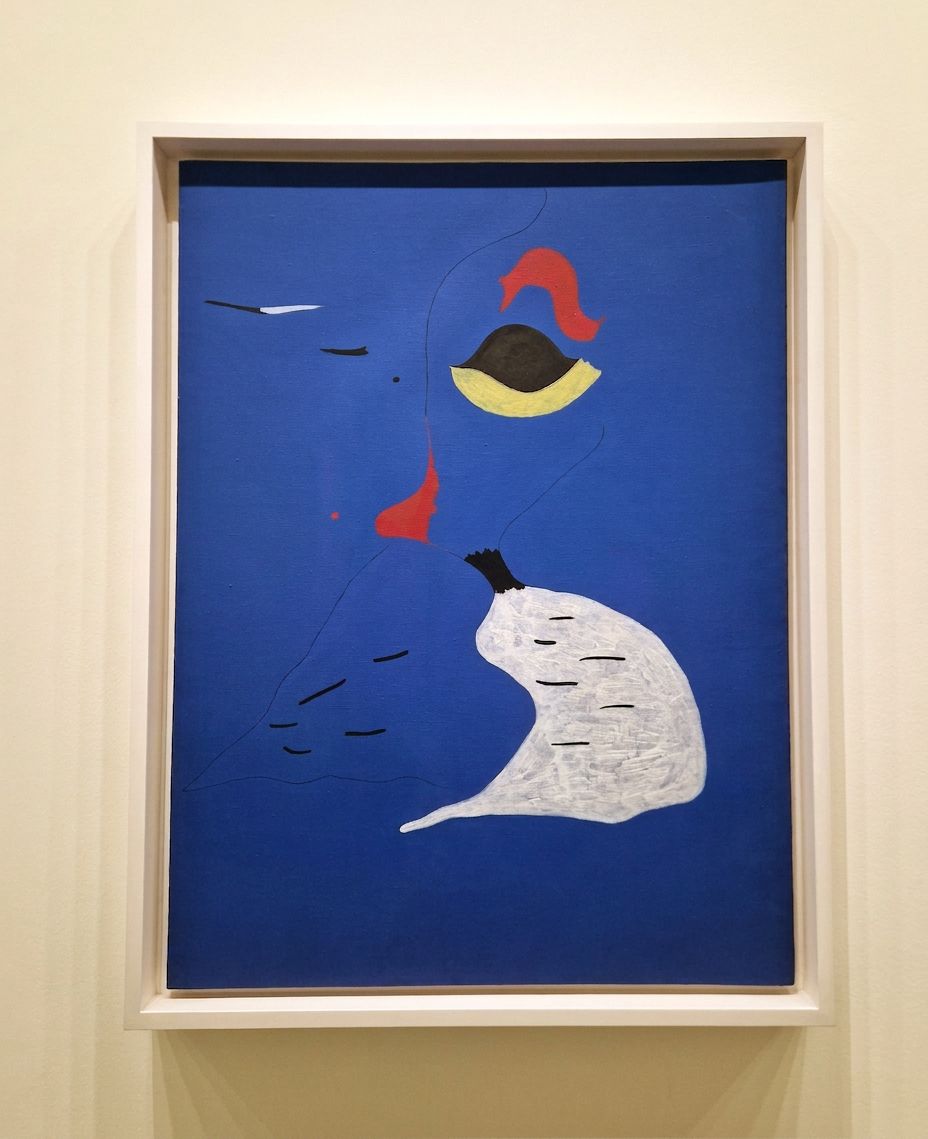
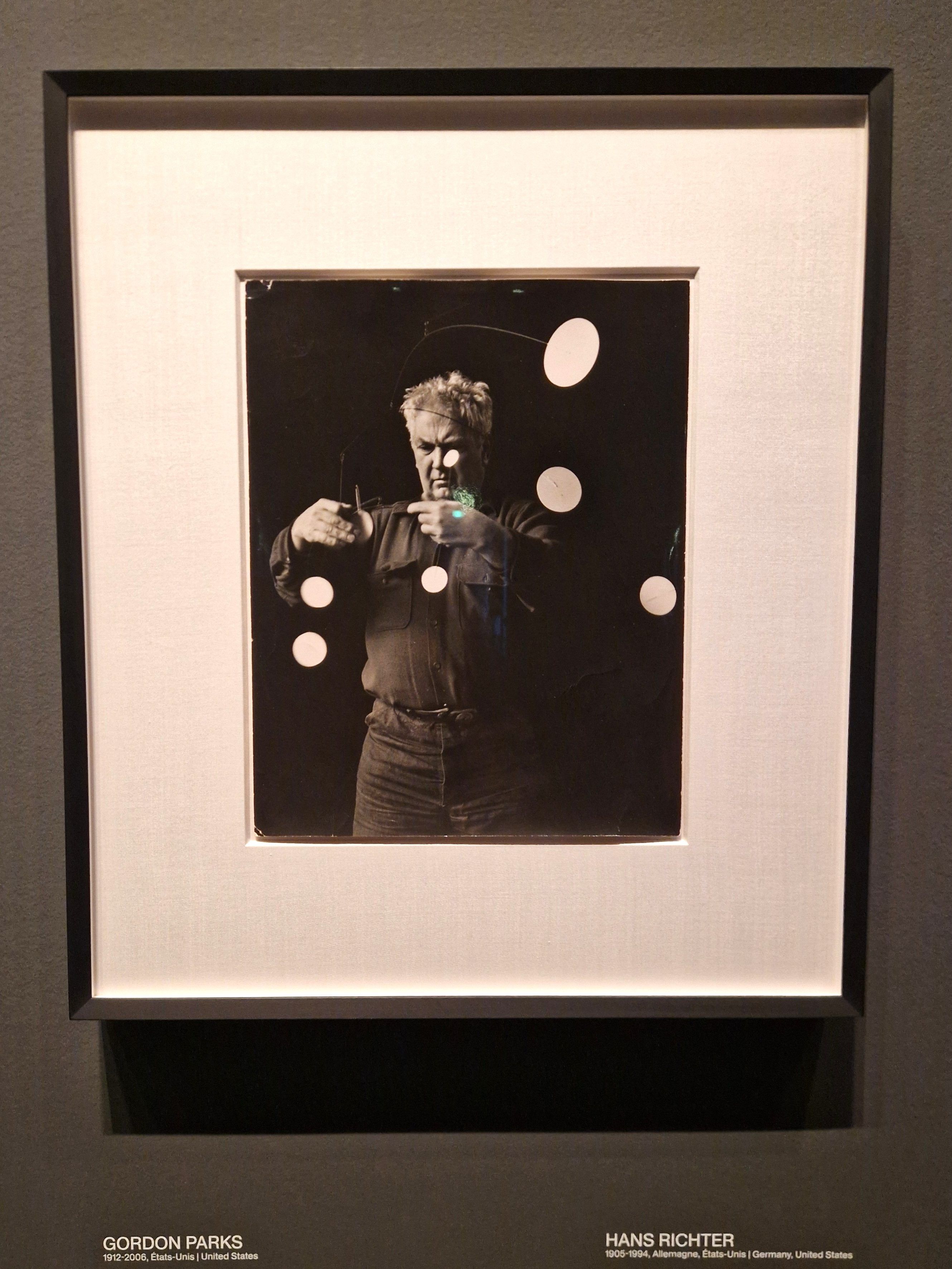
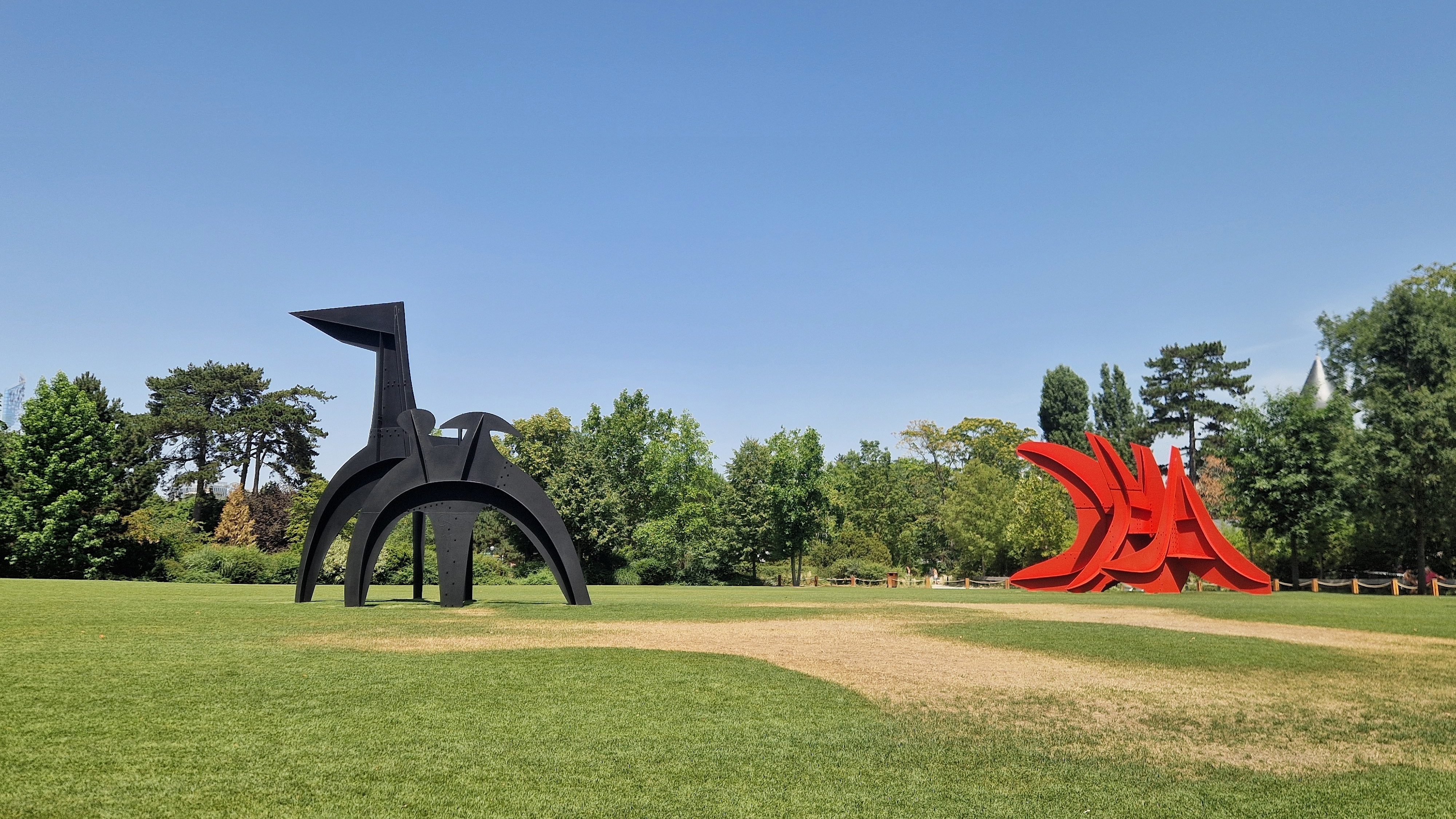
The final rooms bring together some of Calder’s most iconic creations, including large suspended mobiles and monumental sculptures originally conceived for outdoor spaces. Thanks to the scale and openness of Frank Gehry’s architecture, these works find an ideal environment: rather than competing with the building, they are enhanced by the curves of the ceilings, the natural light and the surrounding views. Two monumental sculptures are also installed in the Fondation’s garden, extending the exhibition beyond the interior spaces.
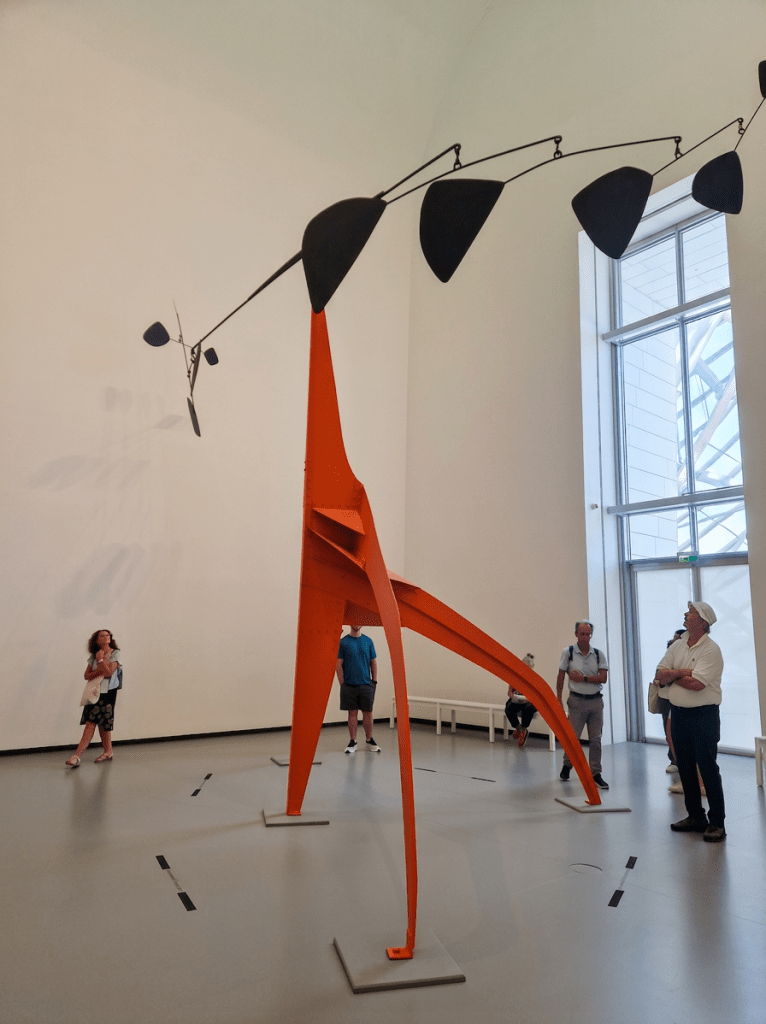
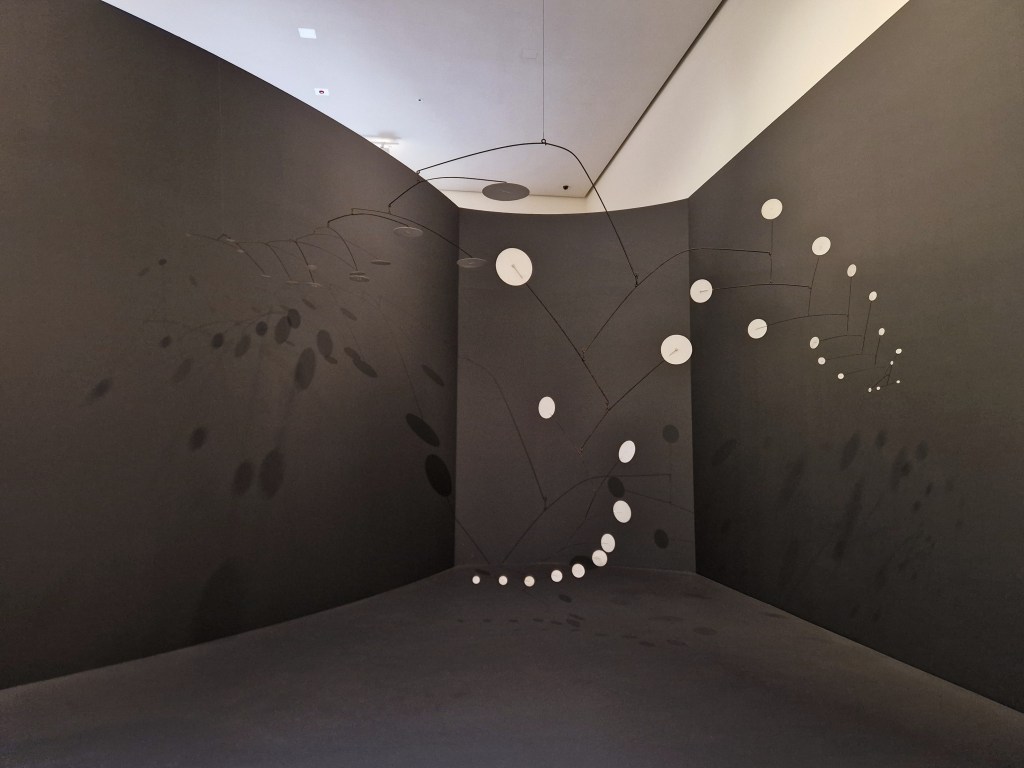
Overall, this retrospective pays tribute to the extraordinary career of an artist who was far more than a sculptor. By bringing together celebrated masterpieces and less familiar aspects of his practice, the exhibition offers a renewed perspective on Calder’s artistic universe. His constant exploration of movement, materials and balance creates a unique atmosphere, where each work seems to exist in dialogue with the others and with the surrounding architecture. Through this ambitious presentation, Fondation Louis Vuitton succeeds in revealing the richness and enduring modernity of an artist who profoundly transformed the possibilities of sculpture in the twentieth century.
My personal highlights:
- Laocoon, 1947
- Blizzard, 1950
- portable sculptures
- Carlos Vilardebò, La Magie Calder: le cirque de Calder, 1961

